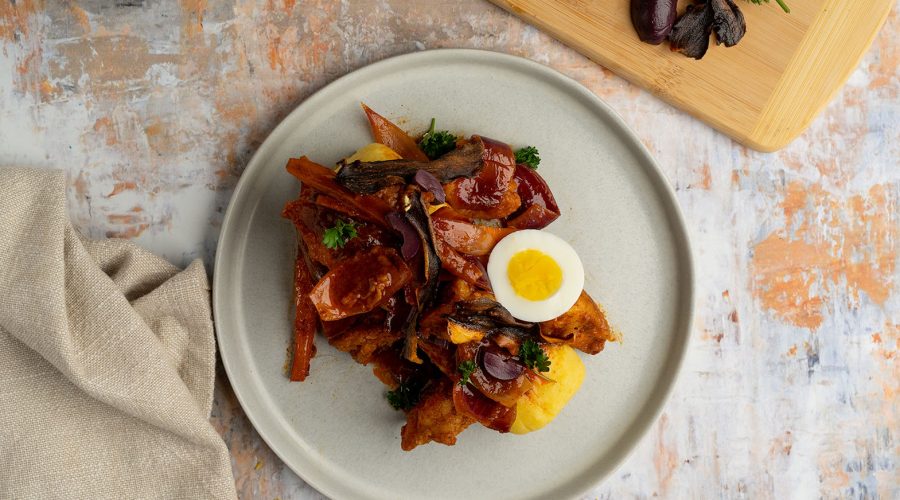
Causa Escabechada (Spiced Potato & Fish Escabeche)
Disclosure: As an Amazon Associate I earn from qualifying purchases. Some links in this post are affiliate links, meaning I may earn a small commission at no extra cost to you.
Growing up as a Limeñito, summer did not taste like ceviche to me; it tasted like Causa. My mother and my grandmother Ismelda both had their own distinct ways of making it, and during the hot months, it was absolutely everywhere. I ate it for brunch, lunch, and dinner. To this day, Causa remains my absolute favorite dish because the bright, acidic potato dough instantly reminds me of home.
This specific recipe is a tribute to Causa Ferreñafana, a brilliant regional dish from northern Peru that tops the potato base with a rich fish stew. I gave it my own twist by removing the heavy, extra starches usually served with it(like sweet potato, corn, and yuca) to let the core elements shine.
The magic of this dish lies entirely in the contrast. The sour, spicy potato dough and the tangy, deeply savory Escabeche complement each other perfectly. But it is the temperature that makes it unforgettable: you serve the Causa at room temperature and spoon the warm Escabeche directly over it. They meet right in the middle, creating a balance of flavors, textures, and temperatures that makes this a spectacular main course.
What Is Causa Escabechada?
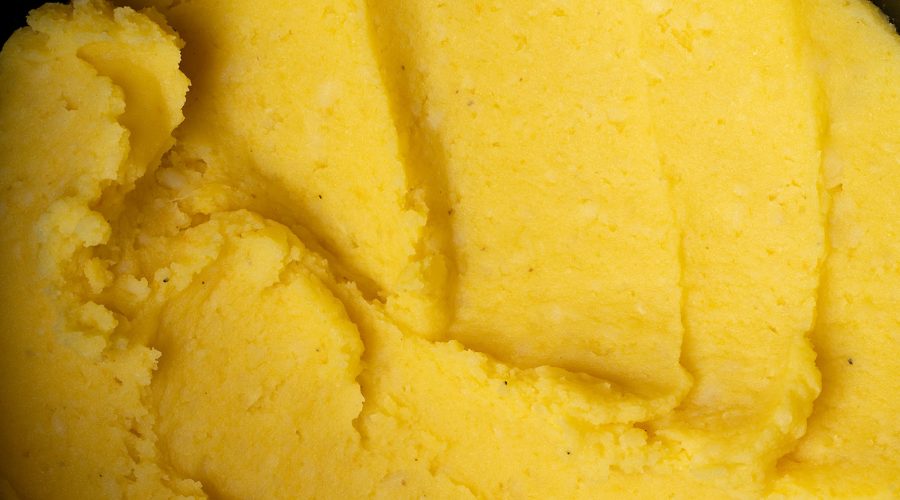
Traditionally, Causa is served cold as an appetizer a smooth, vibrant yellow potato dough flavored with freshly squeezed lime juice and aji amarillo paste, usually layered like a terrine with chicken or tuna salad in the middle.
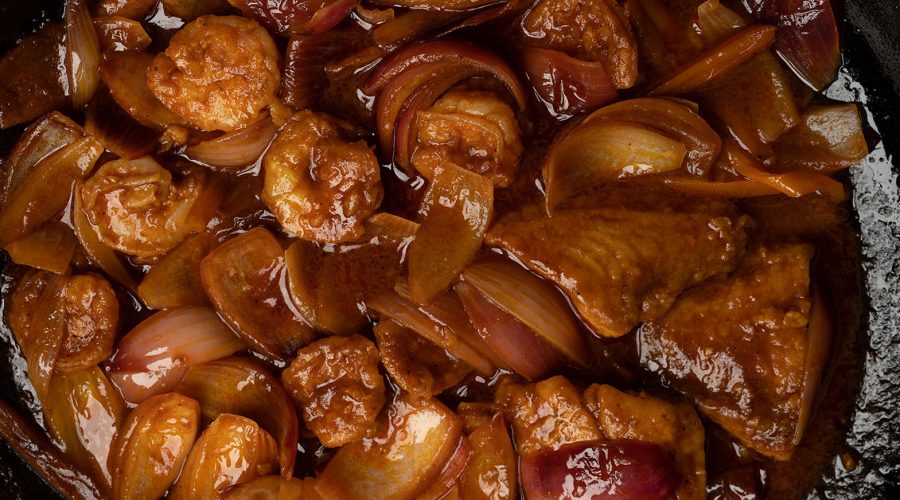
Escabeche, on the other hand, is a traditional pickling and preserving technique brought over by the Spanish. In Peru, it evolved into a tangy, deeply savory sauce made from red onions, vinegar, aji panca, and aji mirasol.
Causa Escabechada marries these two iconic preparations. Instead of stuffing the potato dough, you shape it into a thick base. Then, you top it generously with a warm, pan-fried fish Escabeche. The thick, vinegary onion sauce seeps into the acidic potato dough, tying the two components together perfectly.
Where to Find the Peruvian Ingredients in the US
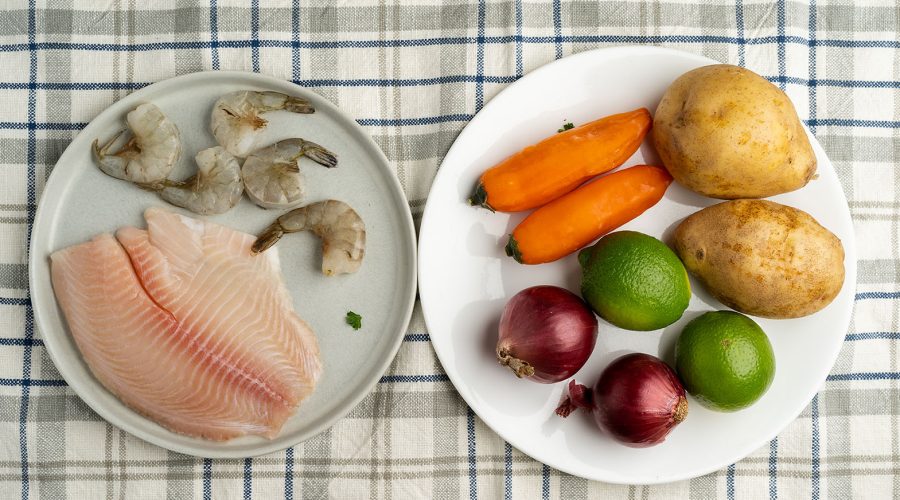
The foundation of the Causa is the potato. In Peru, we use Papa Amarilla, which has a uniquely dry, buttery texture. In the US, the absolute best substitute is the Yukon Gold potato. Avoid Russet potatoes, as they are too grainy, and red potatoes, which are too waxy.
For the chili pastes, you need Aji Amarillo for the Causa, and Aji Panca and Aji Mirasol for the Escabeche. If you do not have a Latin market nearby, you can order Aji Amarillo Paste on Amazon and Aji Panca Paste on Amazon.
For the seafood, you need a firm, boneless white fish with the skin on so it holds together in the pan. Sea bass is excellent, but cod or halibut work just as well.
Causa Escabechada (Spiced Potato & Fish Escabeche)
A spectacular Peruvian main course featuring a bright, lime-infused potato dough topped with a warm, tangy fish and shrimp Escabeche.
Course Main Course
Cuisine peruvian
Keyword causa, causa escabechada, escabeche
Prep Time 15 minutesminutes
Cook Time 30 minutesminutes
Total Time 45 minutesminutes
Servings 4people
Author Brandon Castillo
Ingredients
Causa
6Potatoescooked and peeled
1tbspVegetable Oil
4tbspLime juicefresh-squeezed lime
2tbspAjí Amarillo Paste
Salt & White Pepper
Meats
Vegetable Oil
Flour
Salt & Pepper
4"fillets"Sea Bass - or any other fishno bones - skin on
1lbShrimpno shell, cleaned
Escabeche
Red Onionin wedges
Ají Amarillo or any other Pepper no veins, no seeds, Julianne
"Ají Panca" paste
"Ají Mirasol" paste
Garlic pastegrated garlic
Apple cider vinegar
Brown Sugar
Tomato Paste
Paprika
Oregano
Bayleaf
Cumin
Fish Stockor veggie stock or just water
Salt & Pepper
Instructions
Causa
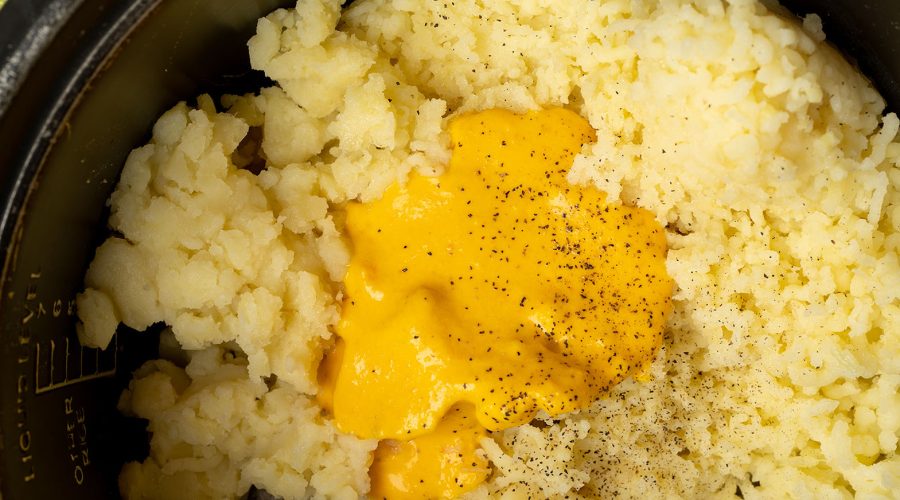
cook, peel and pass the potatoes through a potato ricer, add salt, pepper, Ají Amarillo, lime juice, integrate, with the help of a rounded mold shape your "Causa" and use it as a base for the dish.
Meats
Salt pepper, fish and shrimp then flour them, pan fry them and reserve
Escabeche
Saute onions, Ají Amarillo, add garlic paste, Ají Panca paste, ají mirasol paste, spices, sugar, salt, bay leaf, vinegar, and others, once everything comes together add fish and shrimp to the mix, bring to a boil and serve on top of Causa.
My go-to list of authentic ingredients and essential kitchen gear. Read the Guide
Microwave or bake your potatoes Do not boil the potatoes for the Causa. Boiling introduces excess water, which leads to a soggy, sticky dough that will not hold its shape. Microwaving or baking the potatoes whole keeps the starches dry, giving you a smooth, perfectly moldable dough.
Nail the temperature contrast Do not serve the Causa freezing cold straight from the fridge, and do not serve the Escabeche boiling hot straight off the stove. The Causa should be at room temperature, and the Escabeche should be pleasantly warm.
Pass the potatoes through a ricer while hot To get a silky smooth Causa without any lumps, you must peel and press the potatoes through a potato ricer while they are still steaming hot. If you let them cool first, they will become gummy and impossible to mash cleanly.
Sear the seafood quickly Fish overcooks in a matter of minutes. Dust them in flour and pan-fry them just until they develop a light crust, then immediately remove them from the pan. They will finish cooking gently when you toss them back into the warm Escabeche sauce at the very end.
Both dishes share similar ingredients and complement each other pretty well
Making the Ají Amarillo paste is one of my favorite parts, however, if you can’t get Ají Amarillo frozen/fresh get some pre-made Ají Amarillo paste. Be aware that most brands make it spicy.
The colors, and flavors of the Causa dough it is just amazing!
What to Serve With Causa Escabechada
Because I specifically designed this version to be lighter by omitting the traditional sides of yuca, corn, and sweet potato, this is a complete, standalone main course. You get your complex carbohydrates from the potato base, and protein from the fish and shrimp.
If you want to add something to the table, a very simple side salad of crisp lettuce tossed in a light lemon vinaigrette adds a refreshing crunch that cuts through the rich, savory onion sauce.
Storage and Reheating
If you have leftovers, you must store the Causa and the Escabeche in separate airtight containers in the refrigerator. If you store them together, the vinegar sauce will turn the potato dough into mush.
The Causa will keep for 3 days and should simply be brought to room temperature before eating. The Escabeche will actually taste better the next day as the onions absorb the vinegar and spices. Reheat the Escabeche very gently on the stove over low heat just until warm; do not microwave it on high, or the shrimp will turn rubbery.
Frequently Asked Questions
What is Causa Ferreñafana? It is a traditional dish from Ferreñafe, a city in the Lambayeque region of northern Peru. It famously combines a base of Causa with a topping of fish stew or Escabeche, heavily garnished with sweet potatoes, corn, and hard-boiled eggs.
Can I make the Escabeche with chicken instead of seafood? Yes. Chicken Escabeche (Escabeche de Pollo) is incredibly popular in Peru. You can swap the fish and shrimp for seared chicken thighs or breast pieces and simmer them in the exact same onion and vinegar sauce.
Why did my Causa dough turn out sticky? If your dough is sticky, the potatoes absorbed too much water during the cooking process, or you over-kneaded the dough. Press the ingredients together gently just until integrated.
Can I use white vinegar instead of apple cider vinegar? Apple cider vinegar or red wine vinegar is preferred because they have a slightly sweeter, fruitier profile. White vinegar is very harsh and aggressive, but if it is all you have, use slightly less of it and add a pinch more brown sugar to balance the acidity.
Brandon Castillo - Peruvian Chef & Recipe Developer
Brandon Castillo is a Peruvian chef and recipe developer based in New York. Born and raised in Peru, he shares authentic Peruvian recipes adapted for home cooks in the United States. You can find him on Instagram, TikTok, and YouTube @chewinghappiness.
Tried it? Let me know. If you made this recipe, let me know how it turned out in the comments below! Take a picture of your plated dish and tag @Chewinghappiness on Instagram.