Disclosure: As an Amazon Associate I earn from qualifying purchases. Some links in this post are affiliate links, meaning I may earn a small commission at no extra cost to you.
Papa Rellena is one of those dishes that tastes like a celebration to me.
When I was a kid, my grandmother Ismelda made Papas Rellenas for special occasions, birthdays, holidays, any day worth marking. It’s a dish that takes some time, so my mother and I would help her. I was just a boy, only trusted with the “simple” jobs in the kitchen, and honestly I wasn’t that interested in learning to “cook” back then. But I loved making this dish.
It’s still a family favorite. It’s my father’s favorite, actually, and my father is the kind of person who will critique my food constructively (as long as he’s not hungry), which I appreciate more than he knows.
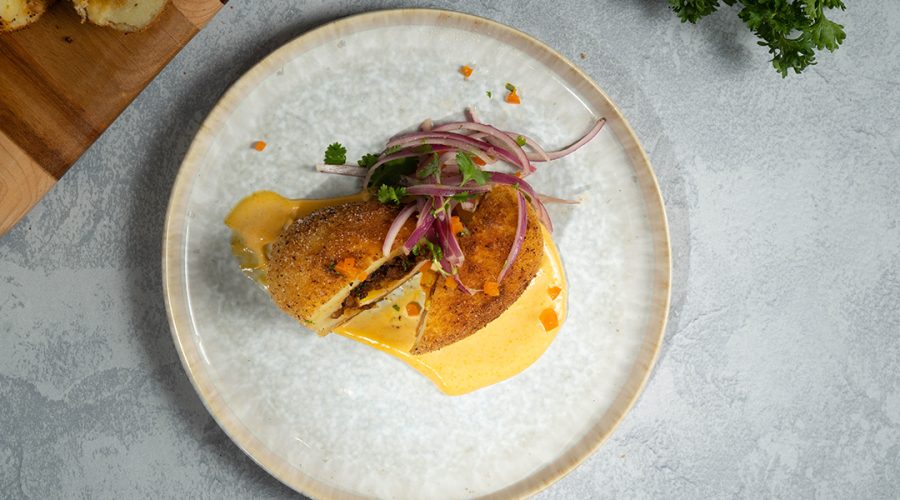
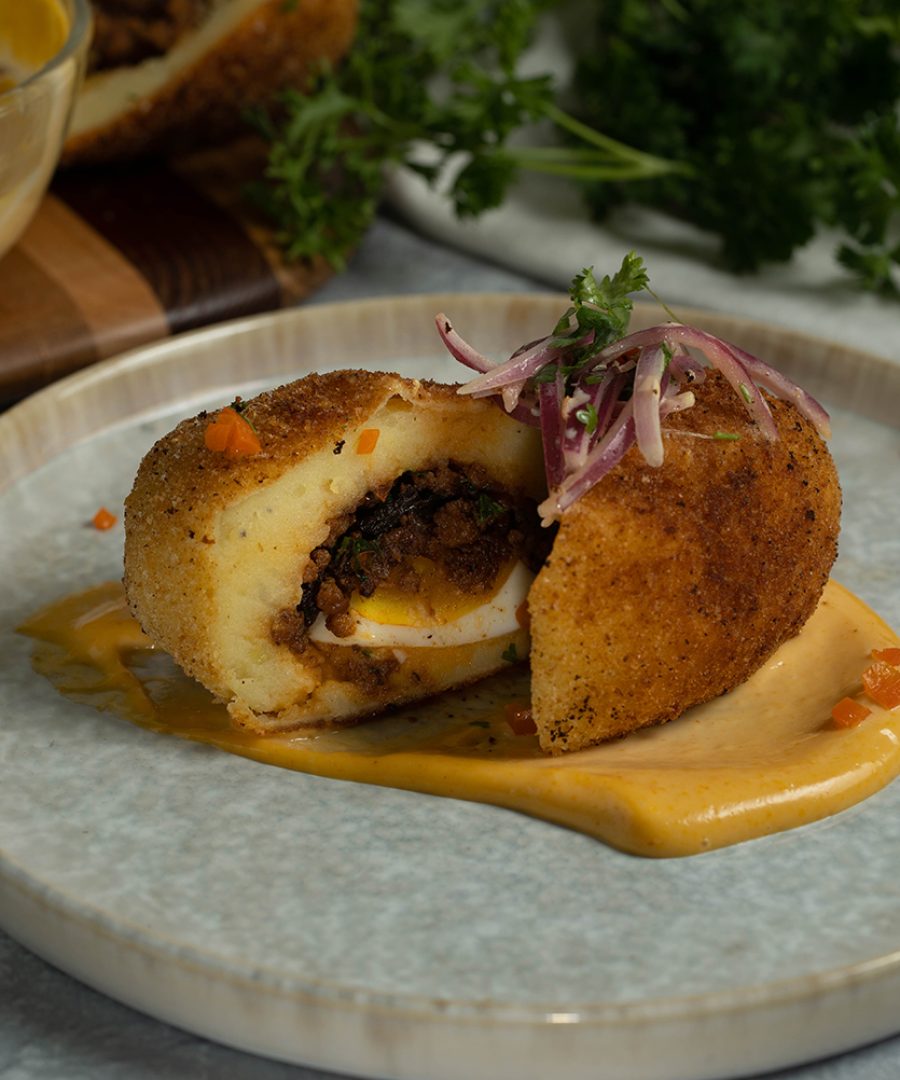
So what is it? Papa Rellena is a seasoned potato dough stuffed with ground beef cooked in ají panca, shaped into an oval, breaded, and fried until golden and crispy on the outside while staying soft and savory inside. It’s served with sarza criolla, a slice of lime, and if you’re like most Peruvians, a spicy sauce on the side.
This is my family’s version, tested many times in a home kitchen here in the US, with every trick I know so yours doesn’t fall apart in the oil.
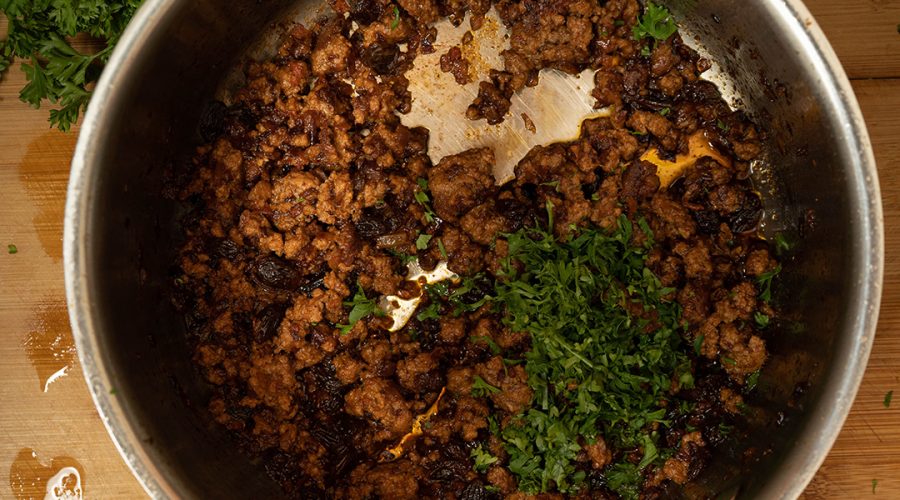
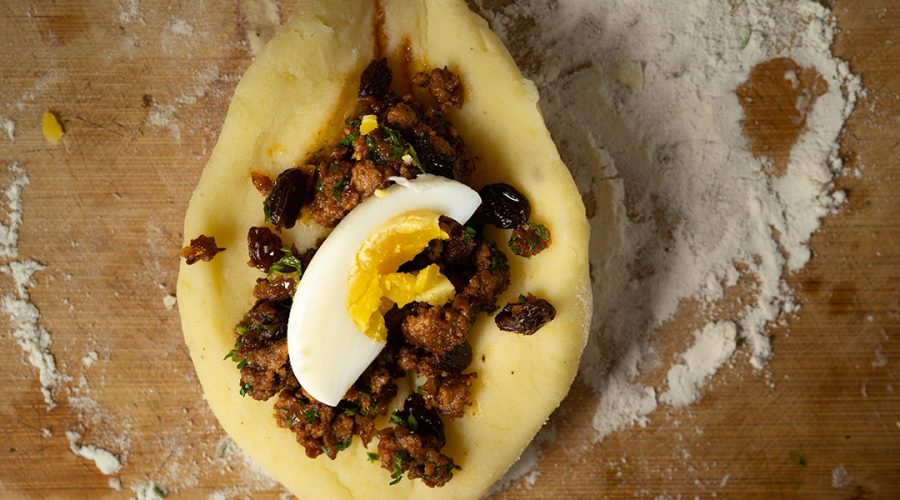
Papa Rellena (literally “stuffed potato”) is one of the most beloved dishes of Lima’s criollo cooking. At its heart it’s simple: boiled potatoes, mashed and seasoned into a dough, wrapped around a filling of ground beef cooked with onion, garlic, and ají panca, plus hard-boiled egg and black olives. The whole thing is shaped like an elongated croquette, dusted in flour, and fried until deeply golden.
It’s traditionally an appetizer (entrada), and it’s considered a dish from the capital, which means you’re less likely to find it in other regions of Peru. In Lima you’ll find it fried fresh at huariques, markets, and street corners. But nothing beats making it at home, with time and care.
One note from a chef who cares about balanced plates: at some point people started serving Papa Rellena with rice as a main dish. Yes, rice on top of a fried potato. If you want to eat Papa Rellena as a main, please skip the rice and add a fresh, delicious salad instead.
If you’ve seen “papas rellenas” in the US before, chances are it was the Cuban version, round potato balls stuffed with picadillo, popular in Miami and Tampa. The Peruvian papa rellena is a different dish, and the difference matters:
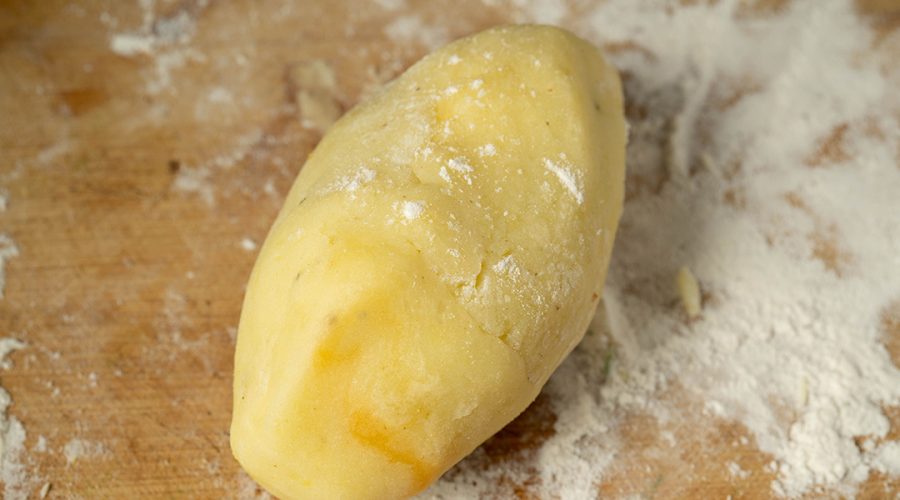
Shape: Peruvian papa rellena is elongated and oval, like a large croquette or a stuffed potato torpedo. Cuban papas rellenas are round balls.
The filling: This is the big one. What makes it Peruvian is ají panca in the beef filling. It gives the meat that dark color, smoky aroma, and unmistakable flavor no other spice can replace. The classic filling also includes hard-boiled egg, black botija olives, and sometimes raisins.
How it’s served: Always with sarza criolla (pickled red onion salad) and a slice of lime. That acidity against the fried potato is the whole point.
Nowadays you can find versions filled with chicken, seafood, even vegetarian fillings, but the classic always comes back to ground beef with ají panca.
One of the questions I get the most: where do I find Peruvian ingredients here in the US? I get the frustration. Walking into an American supermarket and not finding ají panca is enough to discourage anyone. Here’s what I use and where I find it:
Ají Panca Paste: The key ingredient of the filling. It gives the beef its dark color and lightly smoky flavor, and this is what makes a Peruvian papa rellena taste different from any other stuffed potato. I use Inca’s Food, a Peruvian brand with good reviews and fast shipping on Amazon. You can order it here: “Inca’s Food Ají Panca Paste” on Amazon.
Ají Amarillo Paste: If you want to make a more authentic dipping sauce on the side (or my ají de pollería when that post is live), ají amarillo is essential. Also easy to get on Amazon. Look for “Inca’s Food Ají Amarillo Paste” or Doña Isabel.
Black olives: Botija olives are ideal; Kalamata are a great stand-in. Pitted black olives as a last resort. You’ll find them at any American supermarket in the canned goods or international aisle, no special order needed.
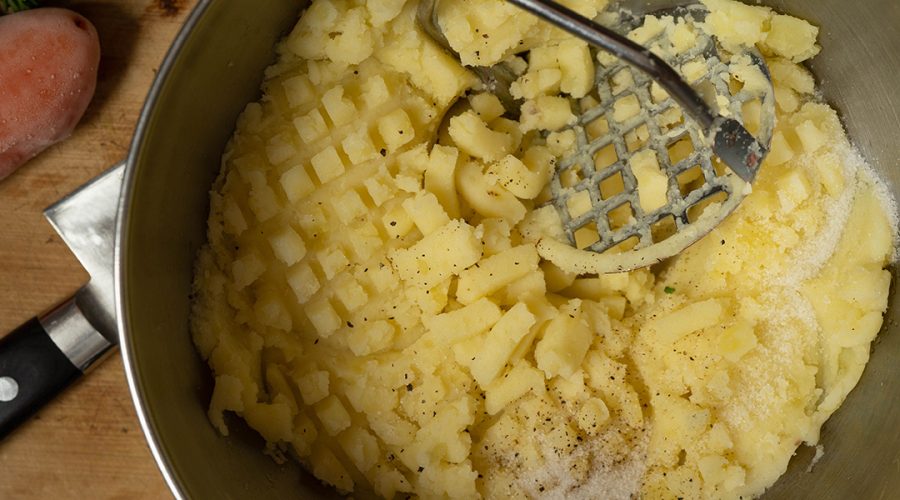
Mash the potatoes while they’re still hot.
Hot potatoes hold their moisture; mashing them hot keeps that moisture in the dough so it stays together instead of cracking. This is the single most important step.
If the dough is too dry, fix it with an egg yolk.
Depending on your potatoes, the dough can turn out too starchy or grainy. One egg yolk (or two) brings it back together. Don’t add water; it makes the dough sticky and weak.
Use starchy potatoes.
In the US, russets are your best friend here, and Yukon Golds work well too. Waxy potatoes (red potatoes, fingerlings) make a dough that won’t hold.
Stuff and seal it properly.
People are afraid it will fall apart in the oil, but if you seal the seams well and dust it evenly in flour, you won’t have to worry. Wet your hands slightly, close the dough completely around the filling, and smooth every crack.
Let the filling cool before stuffing.
Hot filling steams inside the dough and pushes it open in the fryer. Cook the beef first, let it cool while you work the potatoes.
Fry at the right temperature.
Around 350F (175C). Too cold and the papa drinks oil; too hot and it colors before heating through. Fry until golden, then rest at least 3 minutes before serving. If you don’t want to deep fry, you can pan fry. Not identical results, but it works.
First, cook your potatoes, then peel and mash them while they are hot, it works better that way.
You can use chunks of meat instead of ground meat to get a different texture and a similar flavor.
You can use a thermometer to avoid having to guess the oil temperature, and try frying 2 to 3 potatoes at a time, depending on how much oil you use. If you add too many potatoes at once, the oil temperature drops drastically, and the potatoes may split open.
The classic plate is papa rellena + salsa criolla. The sharp, acidic onions against the rich fried potato are the combination that made this dish famous.
Add a spicy Peruvian sauce on the side if you like heat; ají de pollería is the natural partner, or rocoto sauce works as well. And if you’re making it a main dish: salad, not rice.
If you like this filling, you’ve seen it before on the blog. It’s almost the same one I use in my Caigua Rellena.
Refrigerator: Fried papas rellenas keep 3 days in a sealed container. Reheat in the oven or air fryer at 350F until crispy again; the microwave makes them soggy.
Freezing (the smart way): Freeze them stuffed, sealed, and floured but NOT fried. Lay them on a tray until solid, then bag them. They keep up to 2 months. Fry straight from frozen at a slightly lower temperature, a few extra minutes.
Make-ahead: The beef filling can be made 2 days ahead and refrigerated; the flavor actually improves. The potato dough is best used the day it’s made.
Is Peruvian papa rellena the same as Cuban papas rellenas?
No. The Cuban version is a round potato ball stuffed with picadillo. The Peruvian version is elongated, and the filling is seasoned with ají panca, hard-boiled egg, and botija olives, always served with sarza criolla. Same idea, completely different flavor.
Why is my papa rellena falling apart in the oil?
Almost always one of three things: the potatoes were mashed cold (dry, crumbly dough), the dough wasn’t sealed completely around the filling, or the filling went in hot and steamed the dough open. Mash hot, cool the filling, seal well, dust in flour.
Can I bake or air fry papa rellena instead of deep frying?
Yes. Brush with oil and air fry at 400F for about 12-15 minutes, turning halfway, or bake at 425F until golden. The crust won’t be quite as even as deep frying, but it’s a completely valid lighter version.
What potatoes should I use in the US?
Russet potatoes are the closest match for the texture, starchy and dry. Yukon Gold also works and adds a nice buttery flavor. Avoid waxy potatoes.
What is ají panca and can I substitute it?
Aji panca is a dried Peruvian red pepper, sold as a paste in the US. It’s mild, smoky, and gives the filling its dark color. There is no perfect substitute; a small amount of ancho chile paste is the closest, but the real thing is one click away on Amazon, so I’d just get it.
Is papa rellena spicy?
No. Aji panca adds flavor and color, not heat. The heat comes from the sauce you serve on the side, so everyone at the table controls their own spice level.
Can I stuff it with something other than beef?
Absolutely: chicken, seafood, cheese, and vegetarian fillings all exist in Peru today. Just keep the filling relatively dry; wet fillings break the dough.
Tried it? Let me know.
Leave a rating and a comment below — it helps other cooks find this recipe, and I read every single one.
© 2026 Chewing Happiness. All rights reserved
1 Comment
In the early 50s my Dad was stationed in Lima,Peru. When arriving back home to the US my Mother and her best friend, “Aunt Dorothy”, who was also a military wife stationed in Lima, would get together to try to recreate this recipe. The kitchen was full of laughter and memories of Peru but each year as hard as they tried it was never quite right. This was before computers and online recipes. They have since both passed but I so wish I could make this for them now. Instead I will print it and put it away with the other things I treasure. Thank you!
Trackbacks/Pingbacks