Disclosure: As an Amazon Associate I earn from qualifying purchases. Some links in this post are affiliate links, meaning I may earn a small commission at no extra cost to you.
One of the most common questions I get is: where do I actually find these ingredients?
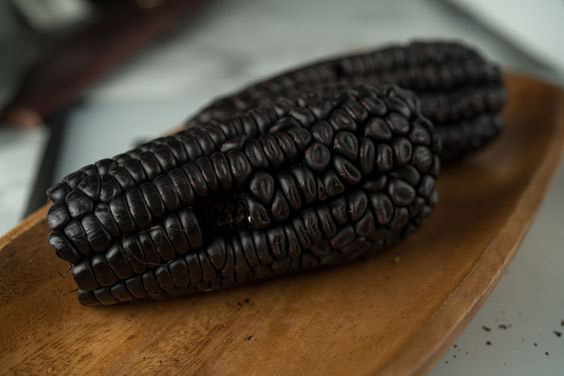
I get it. Having lived in New York and in a small town in Illinois (about five hours from Chicago), I know those are two very different experiences. In New York, Connecticut, and New Jersey, you have options. Stores like Key Food, Food Bazaar, Mi Tierra Supermarket, and even some neighborhood Shop Rites regularly stock Peruvian products. You can often walk in and find whole dried purple corn or frozen rocotos.
But if you are in the middle of nowhere or outside the Northeast entirely, you are either driving hours to an international market or ordering online.
The Reality of Cooking Peruvian Food in the US
The short answer for most of the country is: order online. Amazon carries almost everything on this list; it arrives in a few days, and the brands are the same ones you would find in a Latin grocery store in Queens.
Before you start shopping, here is how to navigate the ingredients:
Pastes are the ultimate shortcut. You can buy whole dried peppers (like ají panca or ají mirasol from brands like Tradiciones Andinas. But making the paste from scratch means hydrating the peppers for 10 minutes, removing the seeds and veins, boiling them for at least 7 minutes, and blending them with oil. Buying the jarred paste skips this entirely while delivering authentic flavor.
Fresh is incredibly rare. Finding fresh ají amarillo, rocoto peppers, or huacatay (black mint) outside of highly specialized Latin markets is practically impossible. Relying on the shelf-stable pastes is the most realistic and practical strategy for US home cooks.
Know your peppers. Peruvian chiles are not interchangeable. Ají amarillo is fruity with a medium heat, while ají panca is dark, earthy, and almost entirely heat-free. You need the right one to get the authentic color and flavor in classic dishes.
If you have a local Latin grocery store nearby, check there first. For everything else, the list below contains the exact tools and ingredients I keep in my own kitchen.
The Essentials
These are the flavors that unlock most of Peruvian cooking. If you have these in your pantry, you can make almost every recipe on this site. I highly recommend the Inca’s Food brand for all of them; it is exactly what I use in my own kitchen, and it is consistently available on Amazon.
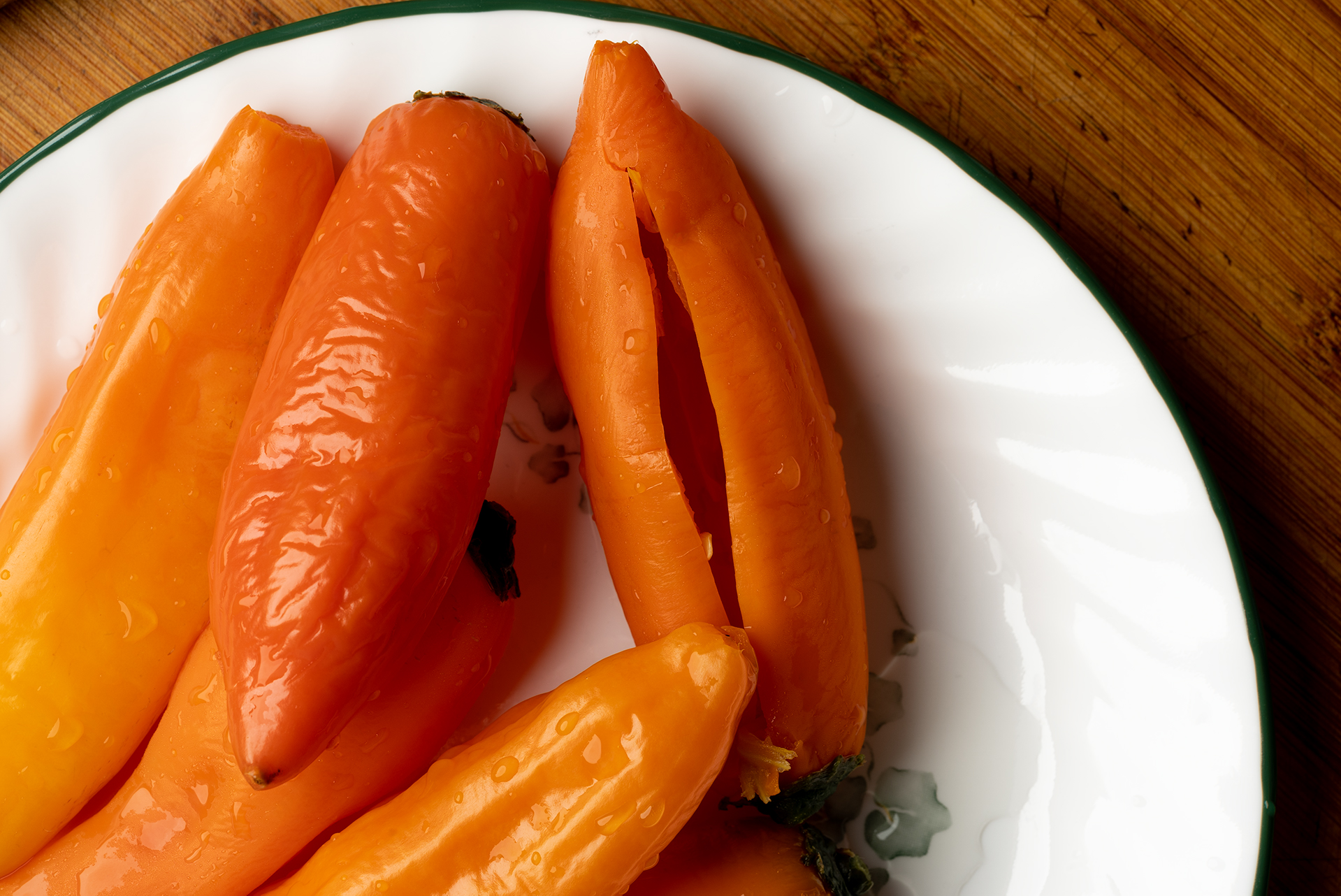
Ají Amarillo Paste
The absolute backbone of Peruvian cooking. This bright, fruity pepper delivers a signature medium heat essential for classics like Causa and Ají de Gallina. Fresh ones are rare in the US, making this exact paste my mandatory pantry staple.
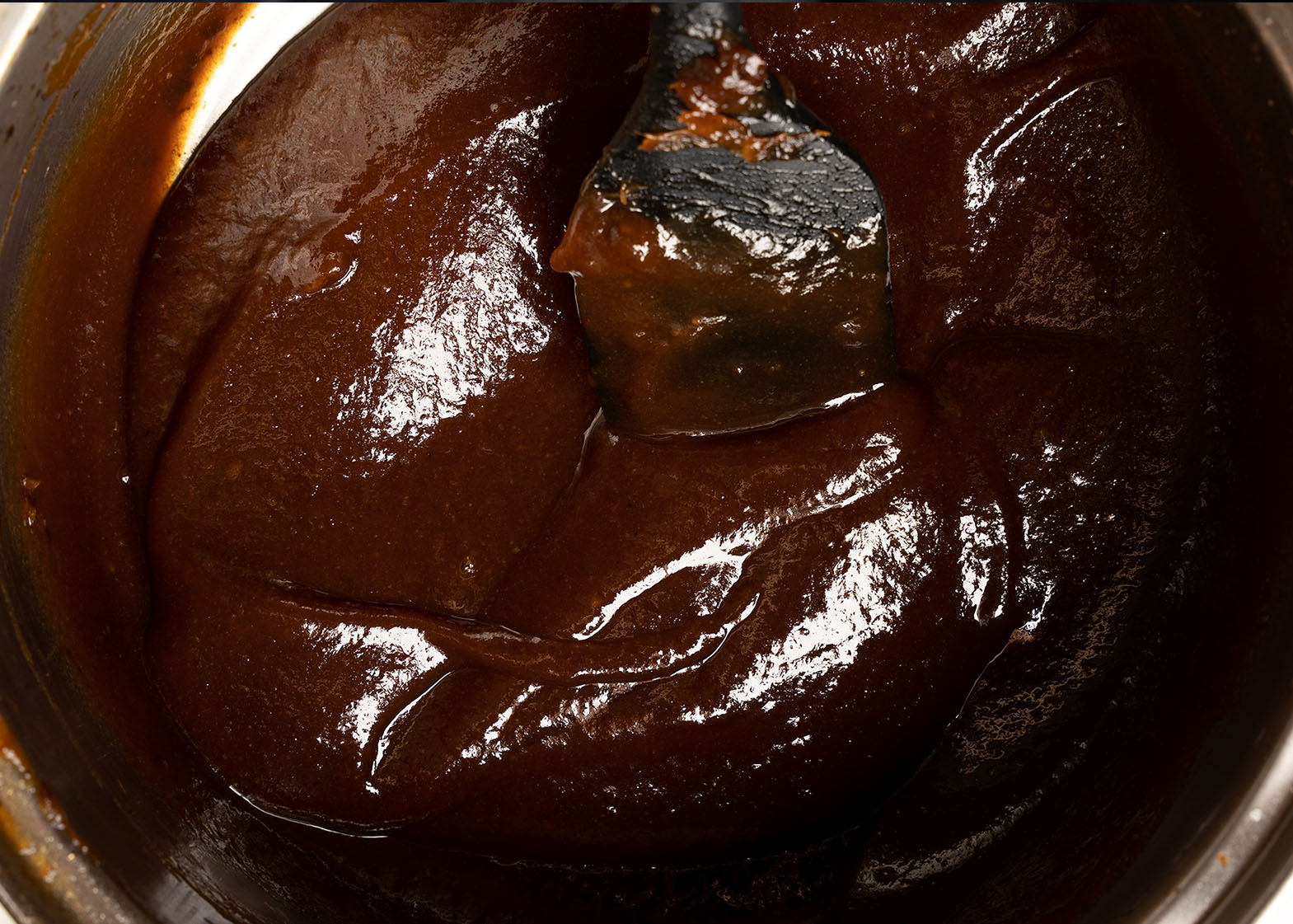
A dark red pepper that delivers a deep, smoky, earthy flavor with almost no heat. It provides the signature color and base for classics like Anticuchos and Estofado de Pollo. Skipping the hassle of hydrating and blending dried peppers, this ready-made paste is a massive time-saver.
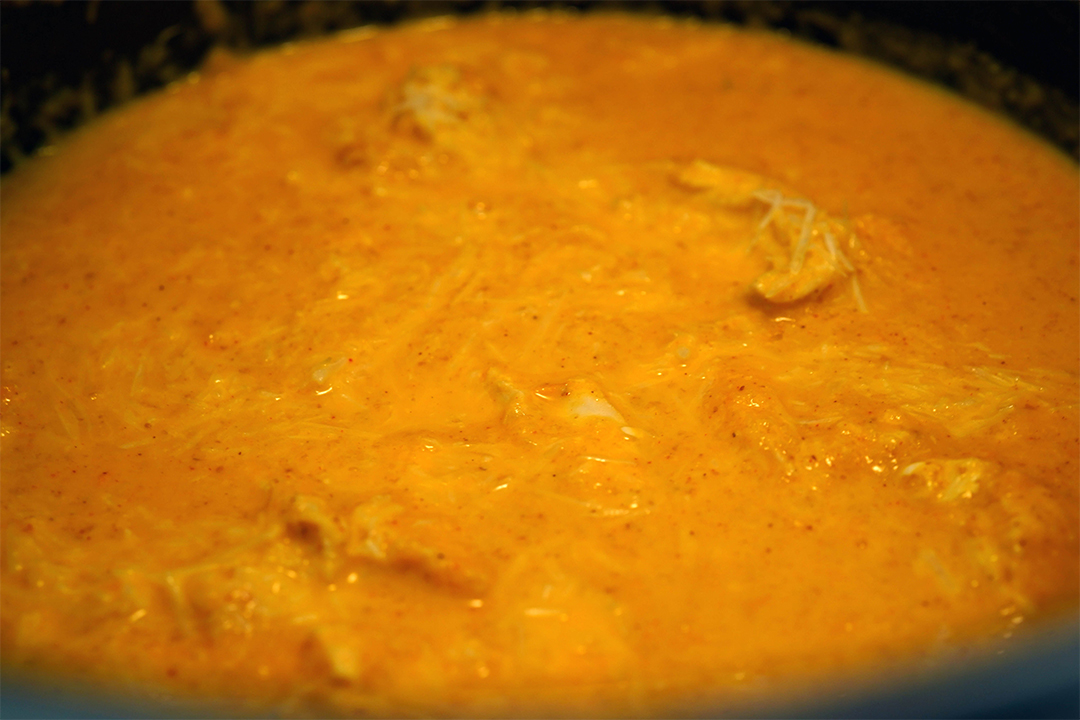
This is the sun-dried version of the classic ají amarillo. The drying process concentrates the natural flavor and adds a subtle smokiness that regular yellow pepper paste lacks. It is the perfect foundational ingredient for slow-cooked dishes and rich stews where flavors need time to develop.
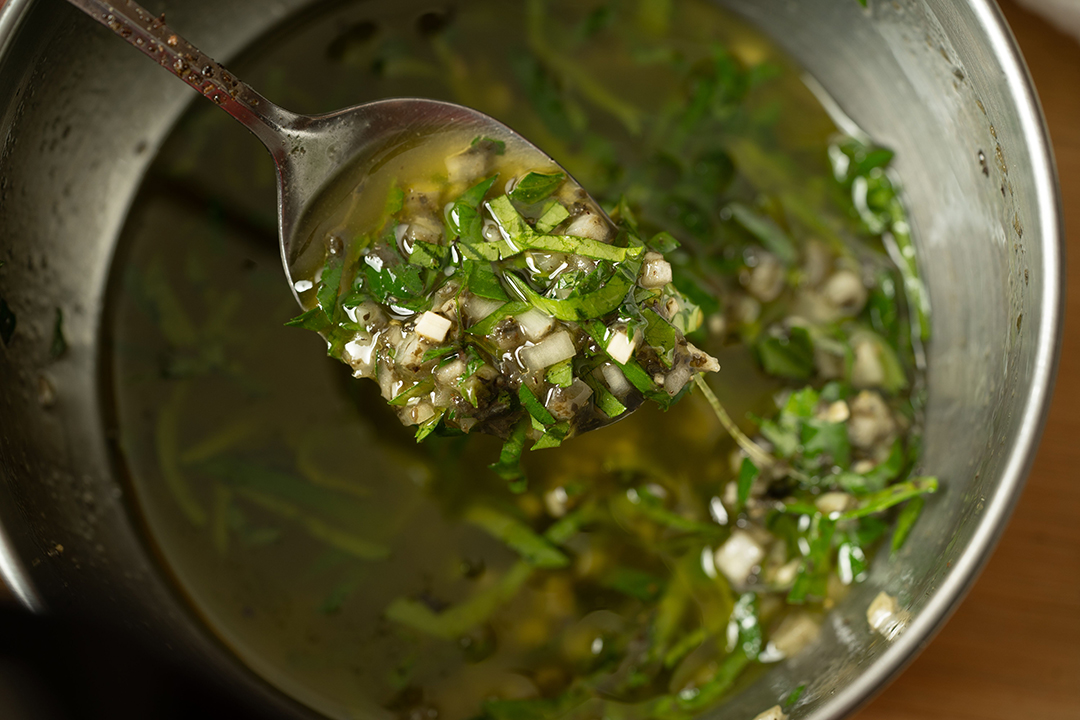
Known as Peruvian black mint, this herb delivers a complex, earthy aroma that tastes not like a standard mint. It is the main ingredient for making authentic Ocopa sauce and brings signature flavor to Peruvian dishes.
Resembling a small red bell pepper with substantial heat, this chile delivers a crisp, fiery kick. It is the signature pepper for Rocoto Relleno and the main ingredient for some table sauces. A small spoonful provides immediate heat and vibrant pepper flavor.
The essential base for authentic Chicha Morada and Mazamorra Morada. Boiling these dried cobs with spices releases a deep, almost wine-like flavor and a vibrant purple color that defines classic Peruvian drinks and desserts.
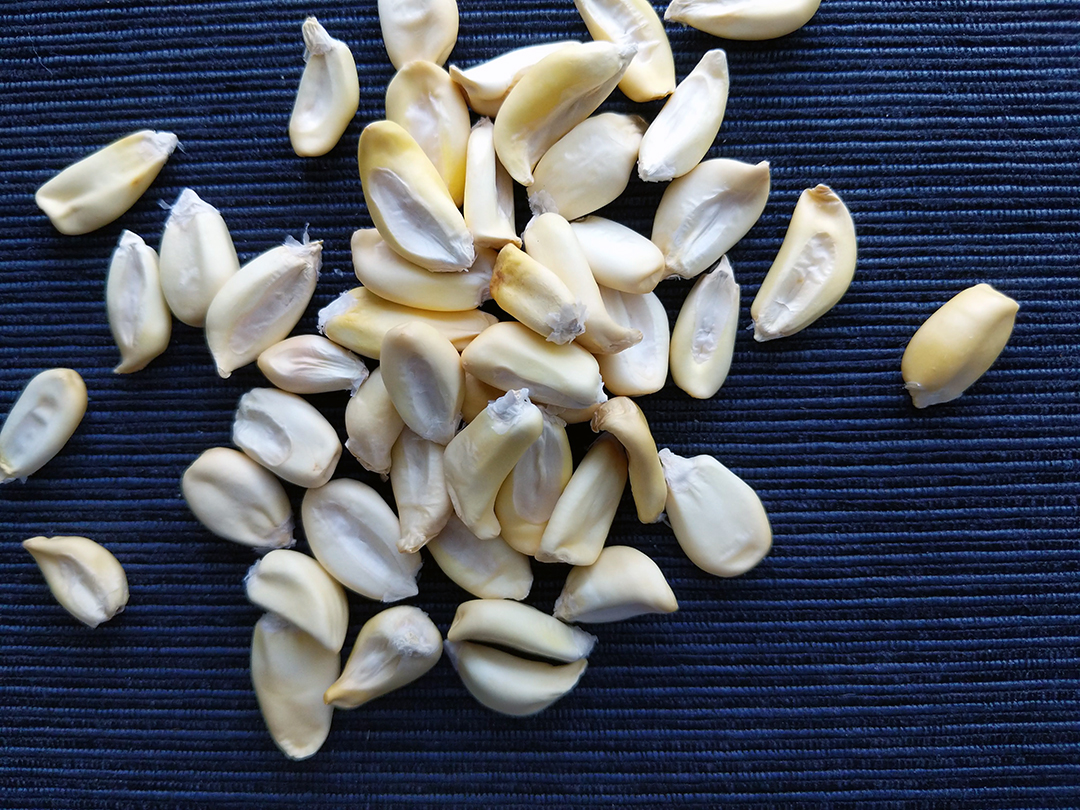
Cancha is the crunchy roasted corn served alongside ceviche and soups. It is light, salty, and addictive. Latin grocery stores in the northeast carry it. Available online as well. Incas Food Maiz Cancha Chulpe (link)
You do not need special equipment to cook Peruvian food. But a few tools make a real difference. These are the ones I use in my own kitchen.
Miyabi Mizu SG2 Santoku Knife
This is the knife I reach for most. SG2 steel holds an edge longer than most knives at this price point. If you cook regularly, a good knife is the single best investment you can make. It goes on sale and comes in at around $199 or less when it does.
Cast iron for anything that needs high, consistent heat. I use this for searing proteins before they go into stews. Lodge is reliable, affordable, and lasts a lifetime.
A flat-top griddle that sits across two burners. Good for cooking proteins and vegetables at high heat, with more surface area than a regular pan. I use this more than I expected.
If you are not sure which ingredients a specific recipe needs, every post on this site links back to this page. Start with the ají amarillo paste and the ají panca. Those two open up most of what you will find here.
Have a question about an ingredient or can not find something near you? Leave a comment below or find me on Instagram as @ChewingHappiness.
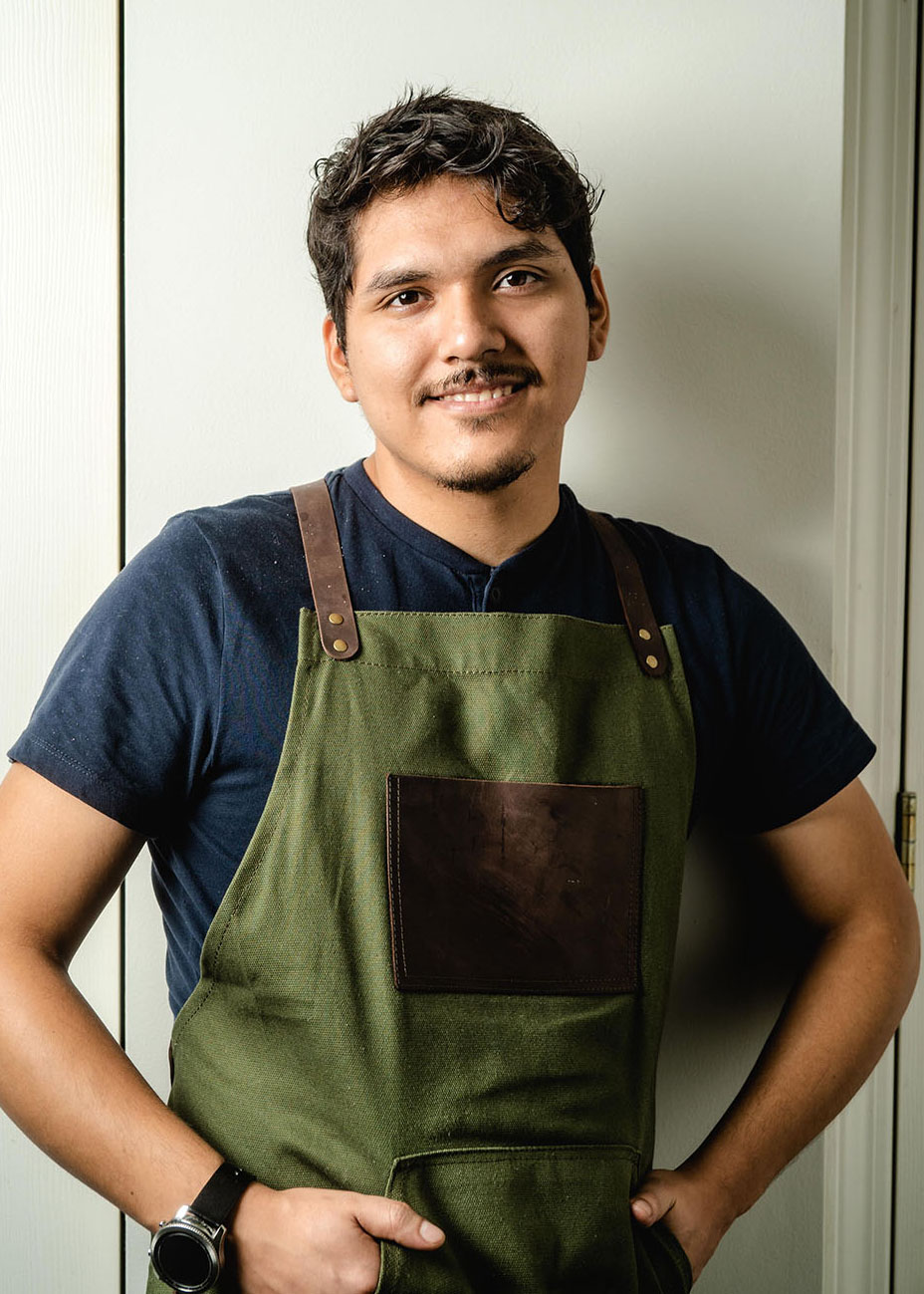
Brandon Castillo - Peruvian Chef & Recipe Developer
Brandon Castillo is a Peruvian chef and recipe developer based in New York. Born and raised in Peru, he shares authentic Peruvian recipes adapted for home cooks in the United States. You can find him on Instagram, TikTok, and YouTube @chewinghappiness.