Disclosure: As an Amazon Associate I earn from qualifying purchases. Some links in this post are affiliate links, meaning I may earn a small commission at no extra cost to you.
Growing up, no birthday party was ever complete without a massive batch of Mazamorra Morada. While other kids might have looked forward exclusively to the cake, I was always waiting for this deep purple, heavily spiced corn pudding. My mom and my grandmother Ismelda would always team up in the kitchen for these celebrations. I can still picture the massive pot cooling on the counter, filled with simmering dried fruits and whole cinnamon sticks, signaling that a party was happening.
Cooking this now in my kitchen in Queens, the smell of boiling purple corn, cloves, and chunky apples immediately takes me back to those packed childhood birthdays. Because the base of this dessert is essentially the exact same liquid used to make Chicha Morada, the aroma fills the entire house with a very specific, nostalgic sweetness long before the dessert is actually ready to eat.
It takes a bit of time to boil down the corn and extract all of that deep flavor and color, but the actual cooking process is incredibly straightforward. While many modern shortcuts suggest using standard cornstarch, I stick to a mix of potato and sweet potato starches. It is the only way to achieve that authentic, glossy, almost gelatinous texture that makes Peruvian Mazamorra so unique.
What Is Mazamorra Morada?
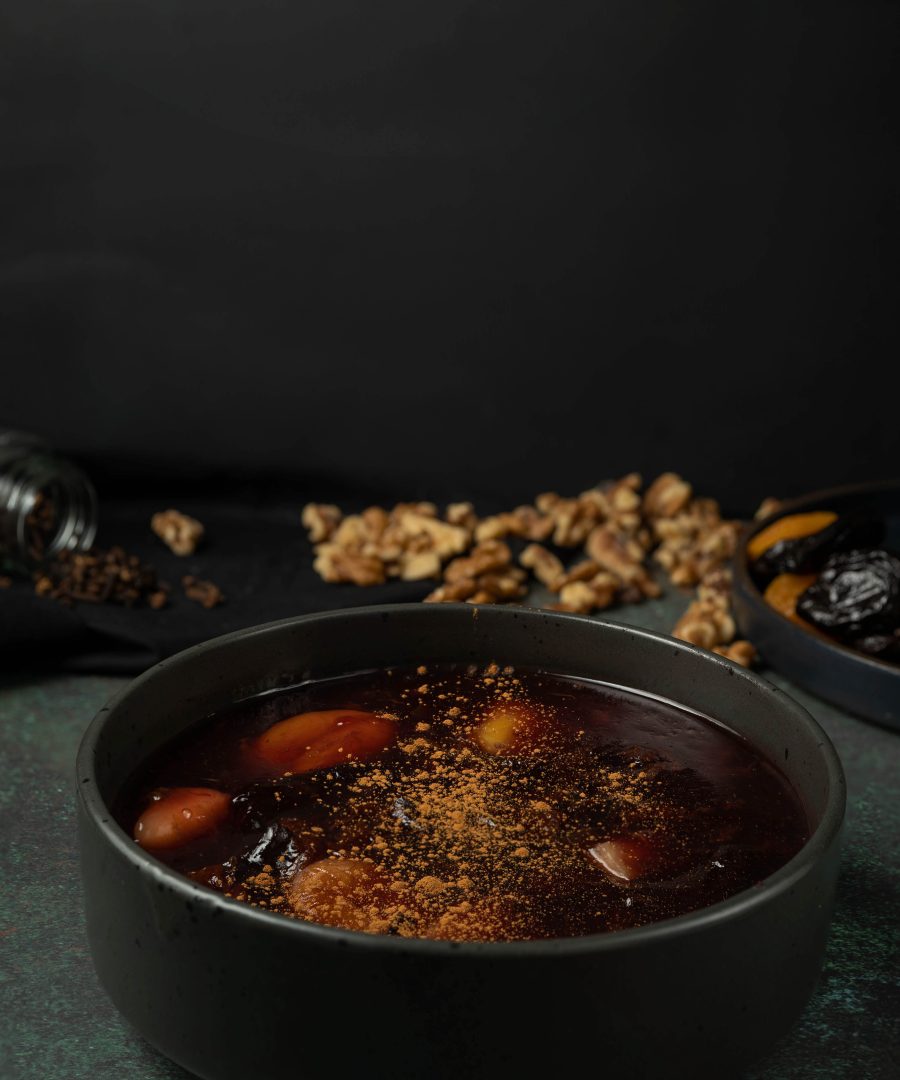
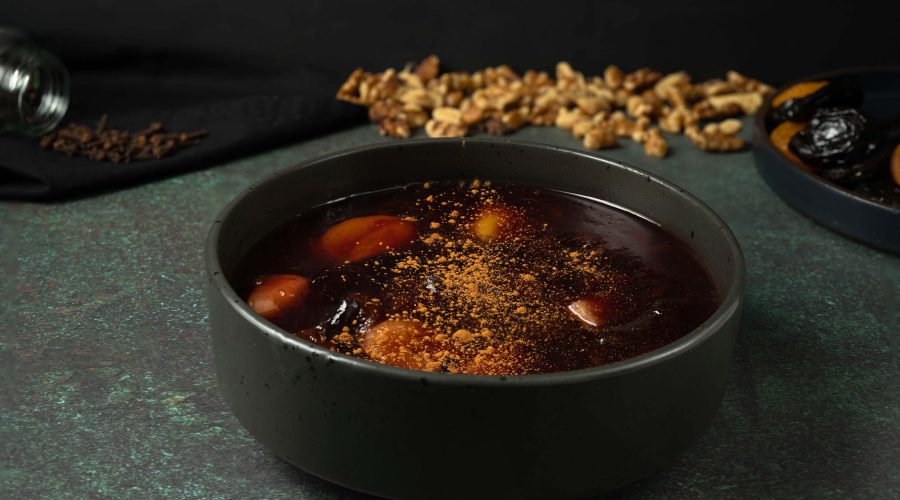
Mazamorra Morada is a traditional Peruvian dessert with roots tracing back to the pre-Columbian era, though it evolved significantly with the introduction of spices and sugar by the Spanish. The base is an infused liquid made by boiling maíz morado (purple corn) with fruits and warm spices. This liquid is then thickened into a dense, porridge-like pudding using native starches and loaded with dried fruits like prunes and apricots.
It holds a massive place in Peruvian food culture, particularly in Lima during October for the Señor de los Milagros festivities, though it is consumed year-round at parties and family gatherings. It is characterized by its deep, vibrant purple color and a unique texture that is firmer than an American pudding but softer than a set gelatin.
Where to Find the Peruvian Ingredients in the US
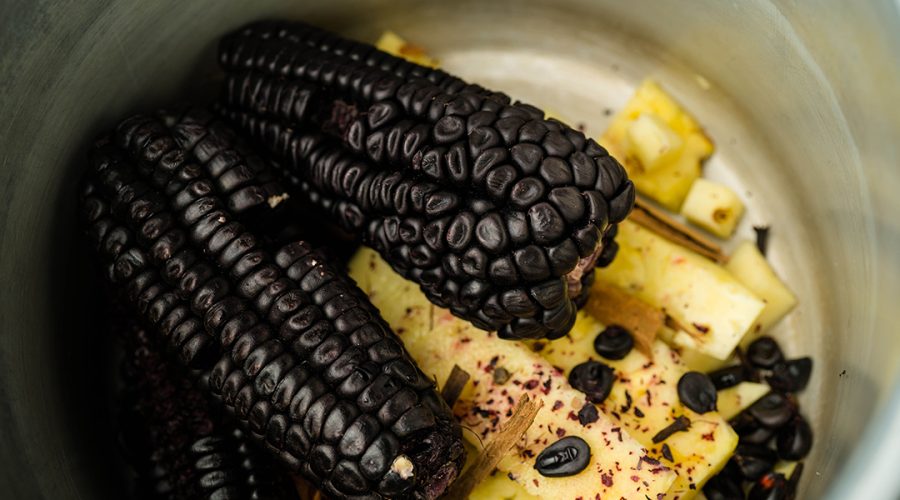
Getting the right ingredients is the main hurdle for making this dessert authentically in the States. The most critical ingredient is dried maíz morado (purple corn on the cob). You cannot use purple corn flour or standard sweet corn for this. If you do not have a well-stocked Latin market nearby, you can easily buy dried Maiz Morado on Amazon.
The thickeners are equally important. While standard cornstarch is in every US grocery store, it will yield a cloudy, milky texture rather than the glossy, clear finish this dessert requires. You need potato starch and sweet potato starch (sometimes labeled as chuño or camote starch in Latin markets). Both are relatively easy to find in Asian supermarkets or online if your local store does not carry them.
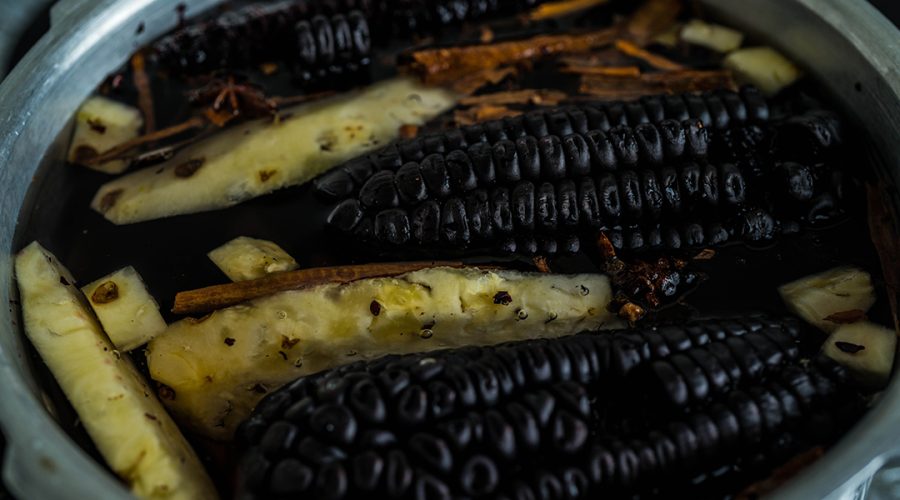
1 lb of "Maiz Morado", 3 lt of water, 5 Sticks of Ceylon Cinnamon, 5 Cloves, 3 Star Anise, Zest(grated) and juice of 3 oranges, 1 pineapple (whole in chunks), 5 apples diced. Bring to a boil then simmer for 1 hour, strain and reserve.
Mazamorra
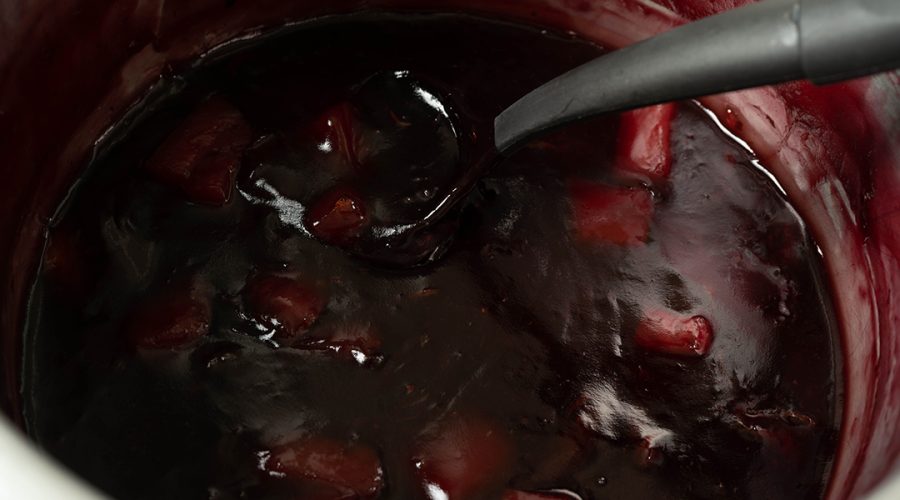
Add the purple corn juice, dilute starches in some water add into the juice, add sugar, salt and bring to a boil.
Add prunes, pineapple, and dried apricots, simmer let it cook for 2 minutes, turn off the stove and let it cool. Serve with cinnamon powder on top.
Notes
"The Purple corn juice" is the same recipe for a Chicha Morada
You can eat it hot or cold, this dessert it is kind of a porridge
It will get thick when it gets cold and you could use cornstarch instead of potato starch but the texture will be completly different
Ceylon Cinnamon is also know as "Mexican cinnamon"
My go-to list of authentic ingredients and essential kitchen gear. Read the Guide
Extract the corn flavor fully. To get the deepest color and flavor, the purple corn needs to boil for a full hour. Once you strain the first batch of liquid, you can actually add more water to the leftover cobs and boil them a second time to extract even more flavor for a lighter batch of Chicha Morada.
Always dilute the starches in cold water. Never add dry potato or sweet potato starch directly into the hot purple corn liquid. It will instantly clump into hard, unappetizing balls that you cannot whisk out. Create a smooth slurry with cold water first, then slowly pour it into the boiling liquid.
Stir constantly once thickened. As soon as the starch slurry hits the hot liquid, it will thicken rapidly. You must stir continuously from the bottom of the pot to prevent the heavy starches and natural sugars from sinking and scorching on the bottom of the pan.
Use Ceylon cinnamon. Standard cassia cinnamon (the most common type in the US) can be a bit too sharp. Look for Ceylon cinnamon, often sold as “Mexican cinnamon” in Latin markets, which has a softer, more floral flavor that complements the fruit rather than overpowering it.
Making this dessert brings back some good old memories. This dessert was probably made for every single birthday in my childhood- crazy, right?
Let the “Chicha Morada” boil, then simmer; once it is done, strain, add more water, and boil it again to get more “Chicha Morada”
What to Serve With Mazamorra Morada
This dessert is traditionally served in small bowls or cups, either warm straight from the pot or completely chilled from the fridge. It always requires a generous dusting of ground cinnamon right over the top before eating.
The most iconic way to serve it is alongside a scoop of Arroz con Leche in the exact same bowl. This combination is known affectionately in Peru as “el combinado” and is also served alongside “mazamorra cochina” for a full Peruvian combination.
Storage
Store leftover Mazamorra Morada in an airtight container in the refrigerator for up to 4 days. Because of the heavy starches, it will set up and thicken considerably as it chills, taking on a firm, jelly-like consistency.
I do not recommend freezing this dessert.
Frequently Asked Questions
Can I use purple corn extract or syrup instead of whole corn?
No, the flavor and color will not be the same. The whole dried cob contains the authentic earthy flavor and the deep natural dyes necessary for the dish.
Is this the exact same thing as Chicha Morada?
They start with the exact same base liquid, purple corn boiled with pineapple, apples, and spices. However, Chicha Morada is sweetened and served over ice as a beverage, while Mazamorra Morada is cooked down with starches and dried fruit into a dessert.
Can I just use regular cornstarch if I can’t find potato starch?
You can, but it will fundamentally change the dessert. Cornstarch creates an opaque, slightly chalky texture (like vanilla pudding), whereas potato and sweet potato starches create the glossy, semi-translucent, gelatinous texture that makes this dish authentic.
Do I have to use dried prunes and apricots?
Dried fruit is completely traditional, adding necessary tartness and chew to break up the smooth pudding. You can adjust the ratios based on what you prefer. I won’t add dried cherries or raisins, but I highly recommend keeping the prunes.
Can I make this ahead of time for a party?
Yes, this is the perfect make-ahead dessert. You can prepare it a day or two in advance, portion it out into individual cups, and let them set up in the fridge until your guests arrive.
Brandon Castillo - Peruvian Chef & Recipe Developer
Brandon Castillo is a Peruvian chef and recipe developer based in New York. Born and raised in Peru, he shares authentic Peruvian recipes adapted for home cooks in the United States. You can find him on Instagram, TikTok, and YouTube @chewinghappiness.
Tried it? Let me know. If you made this recipe, let me know how it went in the comments below or tag @Chewinghappiness on Instagram so I can see your plate!