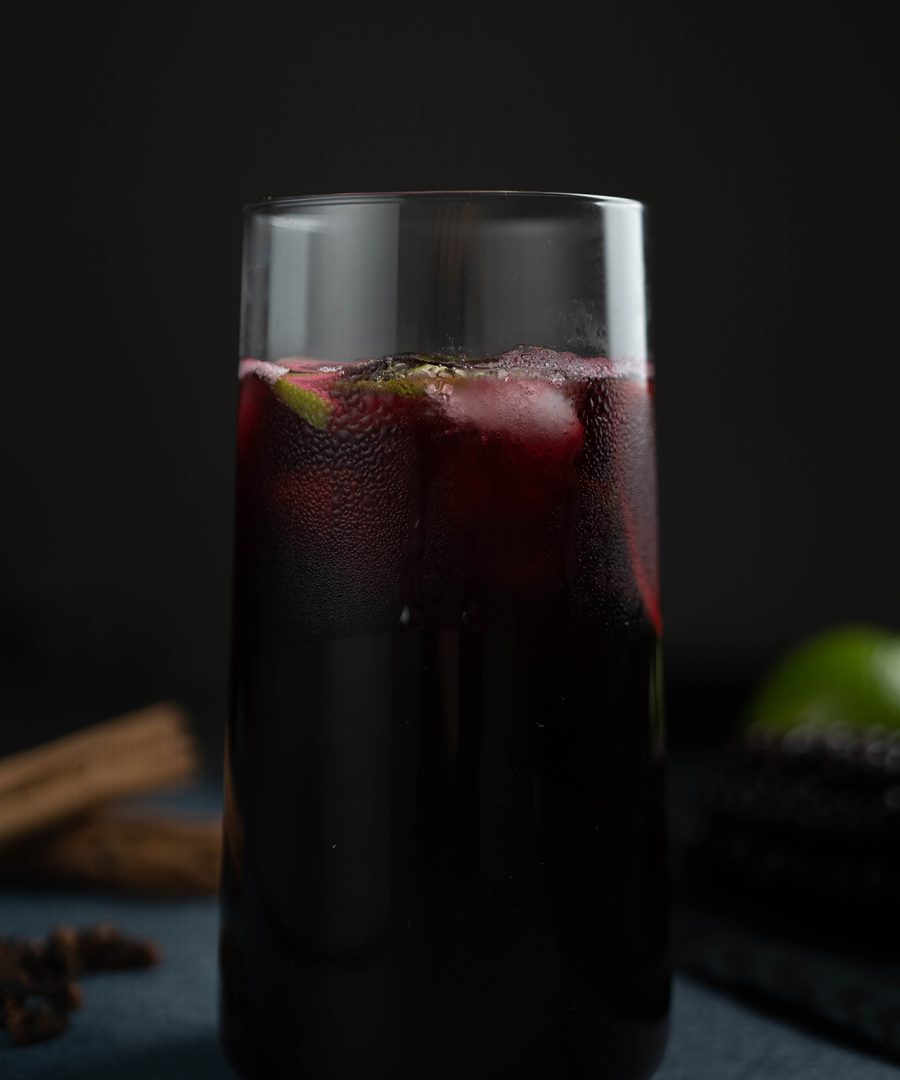
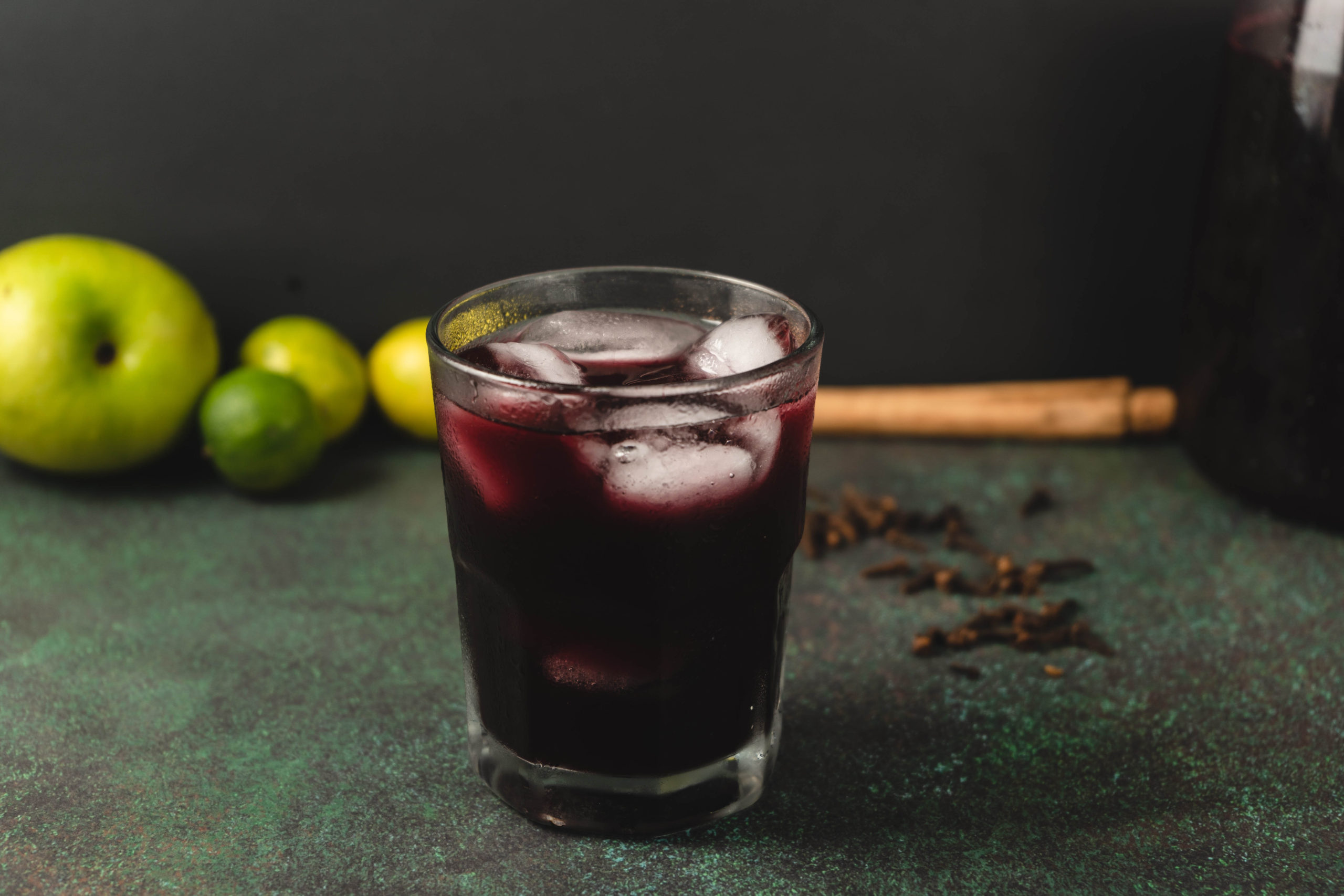
Deep purple, faintly spiced, sweet and sharp at once — chicha morada is the drink every Peruvian grows up on. It’s on every restaurant table in Lima, in every home fridge, and it’s the thing I miss most.
It’s also easier to make than it looks. Purple corn, some fruit, a couple of spices, and an hour of simmering. That’s it.
What Is Chicha Morada?
Chicha morada is a Peruvian drink made from maíz morado — Andean purple corn — boiled with pineapple, apple, cinnamon, and clove, then strained, sweetened, and finished with lime.
It isn’t alcoholic, despite the name. Chicha covers a whole family of Andean corn drinks, some fermented, some not. This one is not — it’s what you serve to everyone at the table, kids included.
The flavor is hard to describe to someone who hasn’t had it. Fruity but not like juice, spiced but not like mulled wine, with a depth that comes from the corn itself. The color is the giveaway: an intense purple you can’t get from anything else.
Where to Find Purple Corn
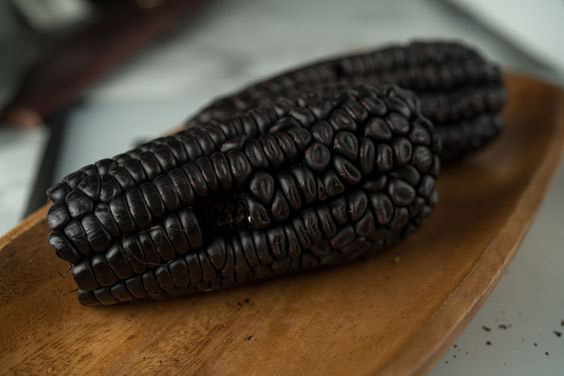
This is the one ingredient you can’t improvise. Maíz morado is sold dried, usually in a bag, at Latin markets and online (find the amazon link here). It keeps indefinitely in the pantry, so buy more than you need.
Some stores sell chicha morada concentrate or powdered mixes. They’re fine in a pinch, but they taste flat next to the real thing — mostly sugar and color. If you’re going to make it, make it properly.
Use the Whole Cob — Especially the Core
Most of the color doesn’t come from the kernels. It comes from the core of the cob, which is where the deepest pigment sits. So don’t strip the kernels off and toss the cob — break the whole thing up and put it all in the pot. If your corn came as loose kernels only, you’ll get a paler, thinner result.
Soak It Overnight
Soaking the corn overnight before you cook it makes a real difference — deeper color, stronger flavor, less time on the stove pulling everything out. Cover it with water, leave it on the counter, and cook it in that same soaking water the next day. You’ve already extracted color into it; don’t throw that away.
Don't Throw Away the Skins
Two things people get wrong:
Use the pineapple skin, not the flesh. The rind is where most of the flavor and aroma is. In Peru you’d typically save the skins from a pineapple you’re eating anyway — nothing gets wasted.
Leave the apple skins on too. Same reason. Just wash everything well and chop it roughly.
The Lime Goes in Last
Add the lime juice after the liquid has cooled, never while it’s hot. Hot lime juice turns bitter and dulls the color. Cool first, then lime, then sugar to taste.
500grPurple corn (maíz morado)whole cobs broken up
5Cinnamon Sticks
7Cloves
7Limes Juiced
1Star Anises
3cupsof Pineapple chopped
2Apples chopped
Sugar to taste
3500mlof Water
Instructions
Cover the purple corn with water and soak overnight. Cook it in the same water.
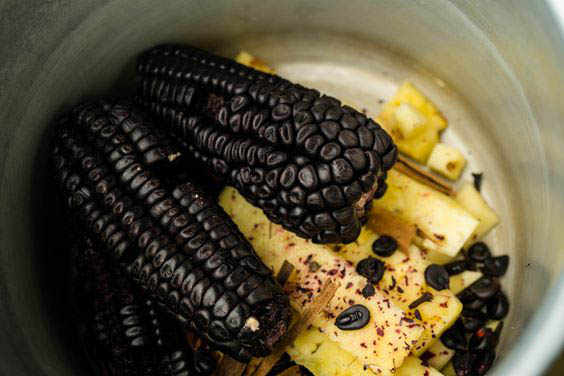
Wash pineapple and apples remove and chop them roughly then add them to a big pot
Add the cinnamon, cloves, star anises, and purple corn to the pot you added the fruits.
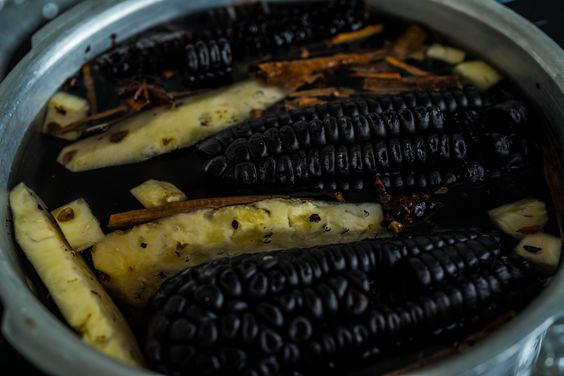
Add the water and let it boil for at least 1 hour. Let it cool and once it’s cooled, pass them through a strainer, add lime juice and sugar and, stir and serve with some ice.
Video
Notes
Use the whole cob, including the core — that's where most of the color comes from. A pot reserved for sweet preparations will give you a cleaner flavor.
My go-to list of authentic ingredients and essential kitchen gear. Read the Guide
Simmer at least an hour. The corn needs time to release its color and flavor. Longer is fine.
Taste before sweetening. Sweetness is personal, and the pineapple already brings some.
Strain twice if you want it perfectly clear — once through a colander, once through fine mesh.
Serve cold, over ice. It’s a hot-weather drink.
Save the solids. The strained corn and fruit can be reused to make mazamorra morada, the purple pudding — nothing wasted.
It keeps about five days in the fridge, and the flavor deepens overnight.
Use a dedicated pot if you can. Pots that live under stews and sautéed onions hold onto those flavors, and they’ll bleed into a delicate sweet drink like this. If you have a pot you keep for sweet preparations, use it here. Otherwise, scrub well and avoid anything that’s recently held garlic or ají.
The color and flavor come from this corn (Purple Corn), which can be found in Peru. Some of the most important health benefits of Chicha Morada are that it lowers cholesterol, blood pressure, and helps cleanse the arteries.
Choose organic apples and pineapples for this recipe, as that way the peels can be used. That will enhance the flavors of this drink.
This recipe is really easy to follow; there is no “right way” to do it. You could add more cinnamon or cloves, but what you need to keep in mind is that there must be a balance between sourness and sweetness.
What to Serve With It
Chicha morada goes with everything, but it’s especially good against rich, fried food — pollo a la brasa, pan con chicharrón, Anticuchos. The acidity cuts fat the same way salsa criolla does.
Frequently Asked Questions
Is chicha morada alcoholic? No. Some chichas are fermented, but chicha morada isn’t. It’s served to everyone, children included.
Can I use regular corn? No. Purple corn is what gives the drink its color and its distinctive flavor. There’s no substitute.
What does it taste like? Fruity and lightly spiced, somewhere between fruit punch and mulled cider, with an earthy depth from the corn.
Can I make it without pineapple? You can, but you’ll lose a lot. Pineapple is a major part of the flavor — apple alone is thinner.
How long does it keep? About five days refrigerated. Many people think it’s better on day two.
Can I reuse the corn? Yes — the strained solids are traditionally used to make mazamorra morada. Same ingredients, second dish.
Is chicha morada good for you? Purple corn contains anthocyanins, the same pigments found in blueberries and other purple foods, and it’s been studied for potential health benefits. That said, homemade chicha morada usually has added sugar, so treat it as a drink you enjoy rather than a health supplement.
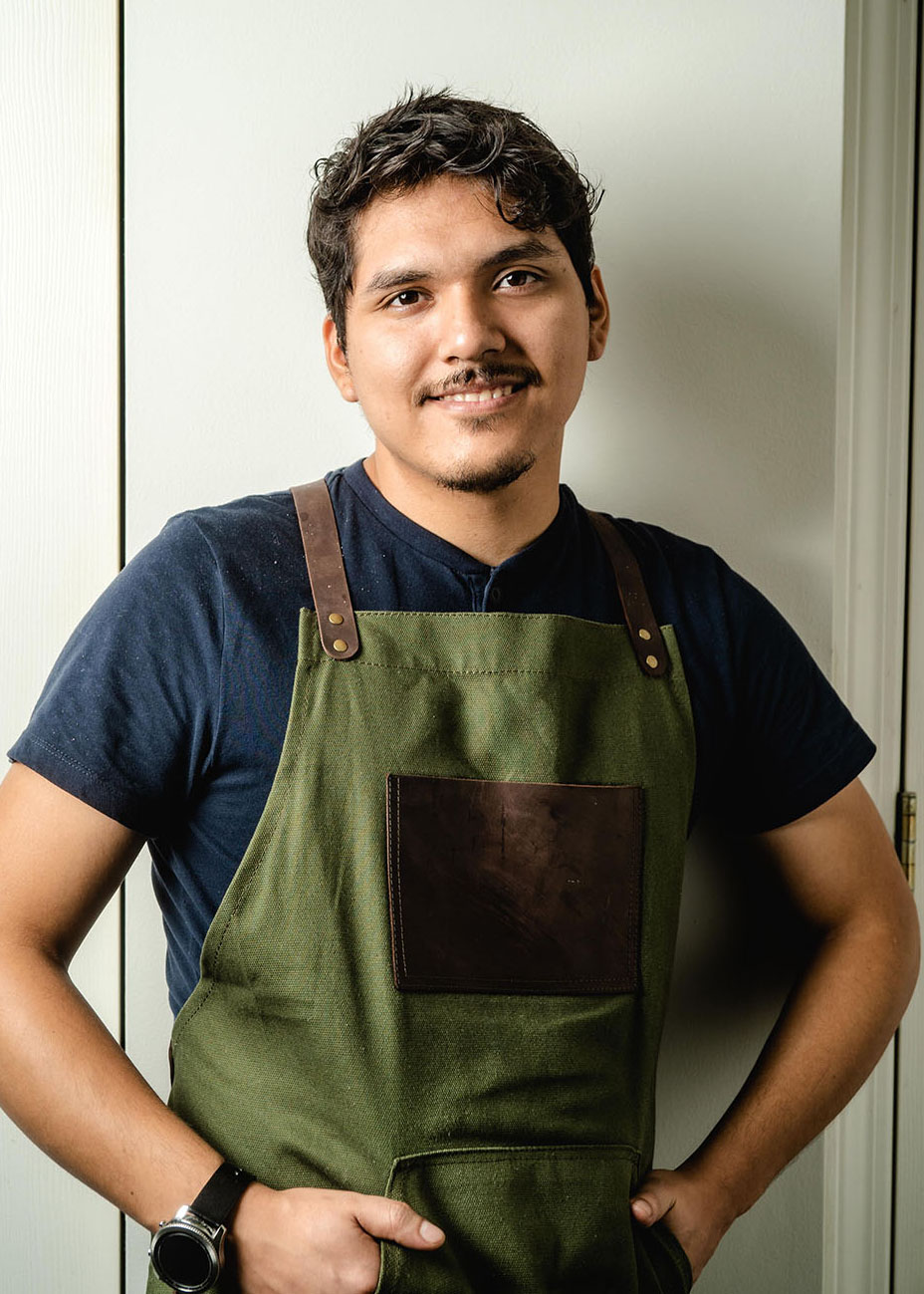
Brandon Castillo - Peruvian Chef & Recipe Developer
Brandon Castillo is a Peruvian chef and recipe developer based in New York. Born and raised in Peru, he shares authentic Peruvian recipes adapted for home cooks in the United States. You can find him on Instagram, TikTok, and YouTube @chewinghappiness.
Tried it? Let me know. Leave a rating and a comment below — it helps other cooks find this recipe, and I read every single one.