Disclosure: As an Amazon Associate I earn from qualifying purchases. Some links in this post are affiliate links, meaning I may earn a small commission at no extra cost to you.
There’s a specific smell that takes me back to Lima instantly. Not a restaurant smell, a street smell. Charcoal, ají panca, and beef fat hitting a hot grill at the same time. If you’ve walked through Surquillo in the afternoon, you know exactly what I’m describing.
I grew up on Angamos Avenue. Every day around 5pm, walking home from school, the street vendors would be setting up. Some sold fruit, some sold sandwiches. But the ones I always stopped for, the ones everyone stopped for, were the anticucheras. Women grilling beef heart skewers over charcoal on the sidewalk, basting them with a dark red glaze every minute, sending smoke into the air that you could smell from half a block away.
It wasn’t an expensive meal. That was partly the point. Anticuchos were the food of the street, the food you ate standing up with a skewer in your hand and a paper napkin that was immediately useless. My family made them at home too, at family reunions, an old charcoal grill, cheap coals, tons of food and tons of laughter. The kind of meal where nobody sits down properly because the food is already going and everyone is eating straight off the grill.
This recipe has three components: the marinade, the panca glaze, and the rocoto sauce. The glaze is what most recipes miss; it’s what keeps the meat from drying out on the grill and builds the deep, caramelized color you see on the best anticuchos in Lima. Don’t skip it.,
Anticuchos are Peru’s most famous street food, marinated meat skewers grilled over charcoal and served with potatoes, white corn, and spicy sauce. The word comes from Quechua, the language of the Inca, and the dish predates Spanish colonization. Originally made with llama heart, the recipe evolved after the Spanish arrived, introducing garlic, vinegar, and the technique of metal skewers.
The traditional and most authentic version uses beef heart, corazón de res. Beef heart has a dense, lean texture that takes the marinade deeply, develops a slightly charred crust on the grill, and has a flavor that’s more intensely beefy than regular cuts. It’s not gamey, it’s not strange, it just tastes like the most concentrated version of beef you’ve ever eaten.
The anticuchera, the woman who makes and sells anticuchos on the street, is an institution in Lima. You find her in every neighborhood, every market, every night market. The best anticucheras have regulars who come specifically for their version, their glaze, their sauce. The craft is passed down through families. Today you’ll find anticuchos on the menus of the best restaurants in Lima served exactly as they were on the street, because the street got it right.
Let’s address this directly: most Americans have never eaten beef heart, and the idea makes them hesitant. I understand this. But here’s the honest chef’s perspective.
Beef heart is a muscle. It’s not an organ in the way liver or kidney are organs; it doesn’t filter anything, it doesn’t store anything. It’s just an extremely hardworking muscle that happens to be located inside the chest cavity. The texture is firmer than regular beef but not tough when properly prepared. The flavor is deeply savory, not gamey, not strange.
The preparation matters enormously. You remove all the fat and white membranes before cutting. You marinate for at least 24 hours; the ají panca paste and apple cider vinegar start breaking down the muscle fibers. You cut the pieces small enough to cook through in 2-3 minutes per side. And you baste constantly with the panca glaze to keep moisture in and build flavor on the surface.
Done right, the most hesitant people become the ones who eat the most.
Where to find beef heart in the US: ask your butcher. Most butchers have it, often frozen. Latin markets almost always carry it. If you genuinely cannot find it, or if you want to introduce this recipe to people who aren’t ready for beef heart, sirloin steak or chicken thighs work well with this marinade. The flavor is different but the technique is the same.
Most anticuchos recipes you’ll find online have the marinade and that’s it; they reuse the marinade as a basting sauce during grilling, which works but gives you a thinner, less developed result.
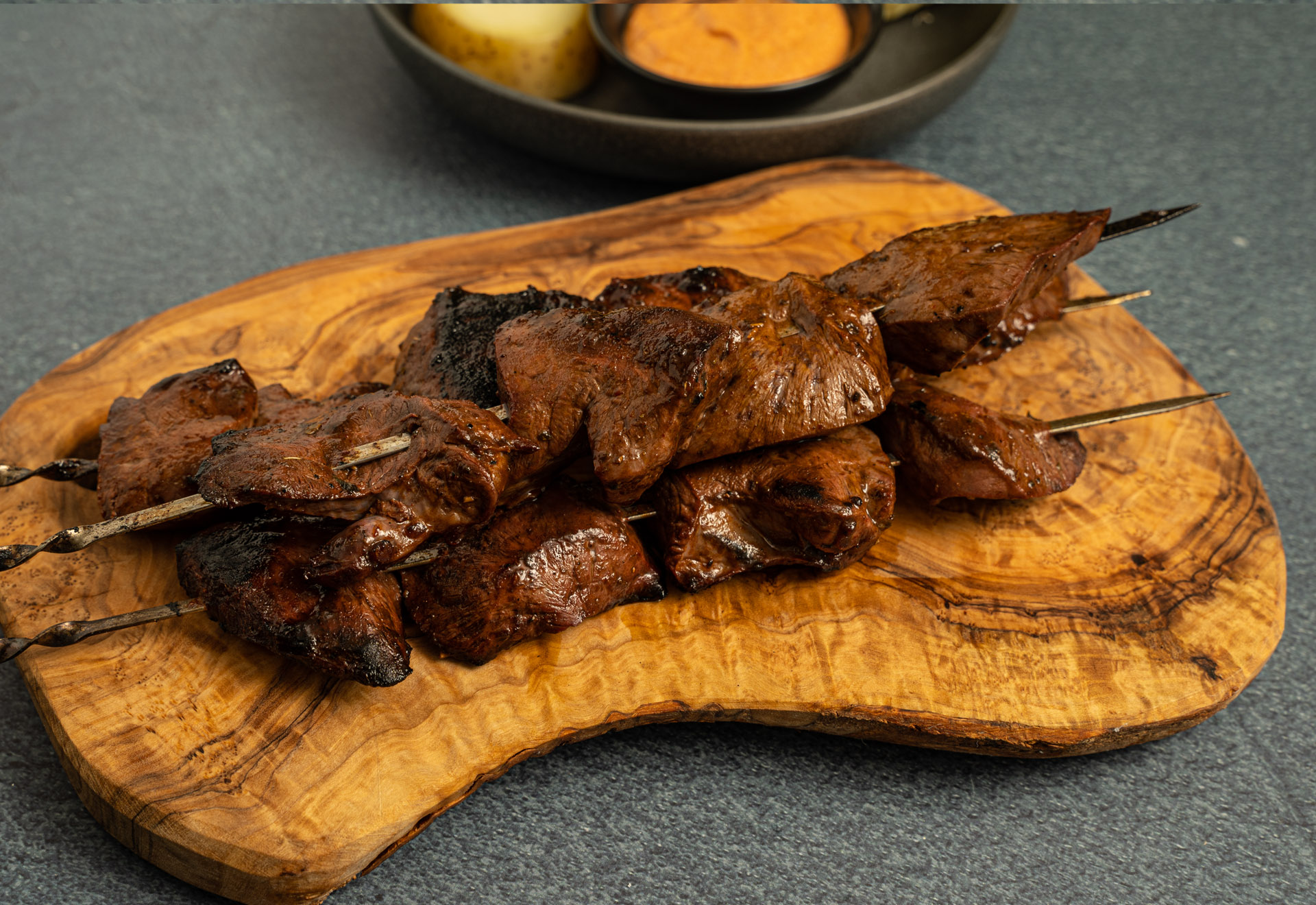
This recipe has a separate Panca Glaze, a quick combination of ají panca, brown sugar, vinegar, and oil that you make separately and apply to the meat every minute while it’s on the grill. The brown sugar caramelizes against the heat, the oil keeps moisture in, the extra ají panca deepens the color, and the result is that thick, lacquered, dark-red coating you see on the best anticuchos in Lima.
That glaze is the chef move in this recipe. It’s the difference between good anticuchos and great anticuchos.
The rocoto sauce is also distinct from what most recipes include. Rocoto is a Peruvian red pepper, hotter than ají amarillo, with a fruity heat, blended with queso fresco, evaporated milk, and saltine crackers for body and balance. The crackers aren’t a typo. They thicken the sauce without making it heavy, and they’re what Peruvian home cooks have always used because they work. The result is creamy, spicy, and slightly tangy — exactly what the charred meat needs alongside it.
Ají Panca Paste: The most important ingredient in both the marinade and the glaze. Available at Latin grocery stores or on Amazon. I use Inca’s Food Ají Panca Paste — a Peruvian brand, consistent flavor, widely available. (Link)
Rocoto Paste: For the sauce. Inca’s Food makes a rocoto paste that’s available on Amazon with fast shipping. (Link)
Beef Heart: Ask your butcher. Latin markets almost always carry it, often frozen. Some supermarkets with full-service butcher counters have it too; call ahead. If ordering online, it ships frozen.
White Corn / Choclo: Peruvian white corn has much larger, starchier kernels than American sweet corn, a completely different texture and flavor. Look for it frozen at Latin grocery stores labeled “choclo” or “maíz blanco peruano.” If you can’t find it, regular corn on the cob works as a substitute.
Queso Fresco: Available at most American supermarkets in the Hispanic dairy section.
Saltine Crackers: Any supermarket. Regular saltines. They go in the rocoto sauce — see the notes for wh,
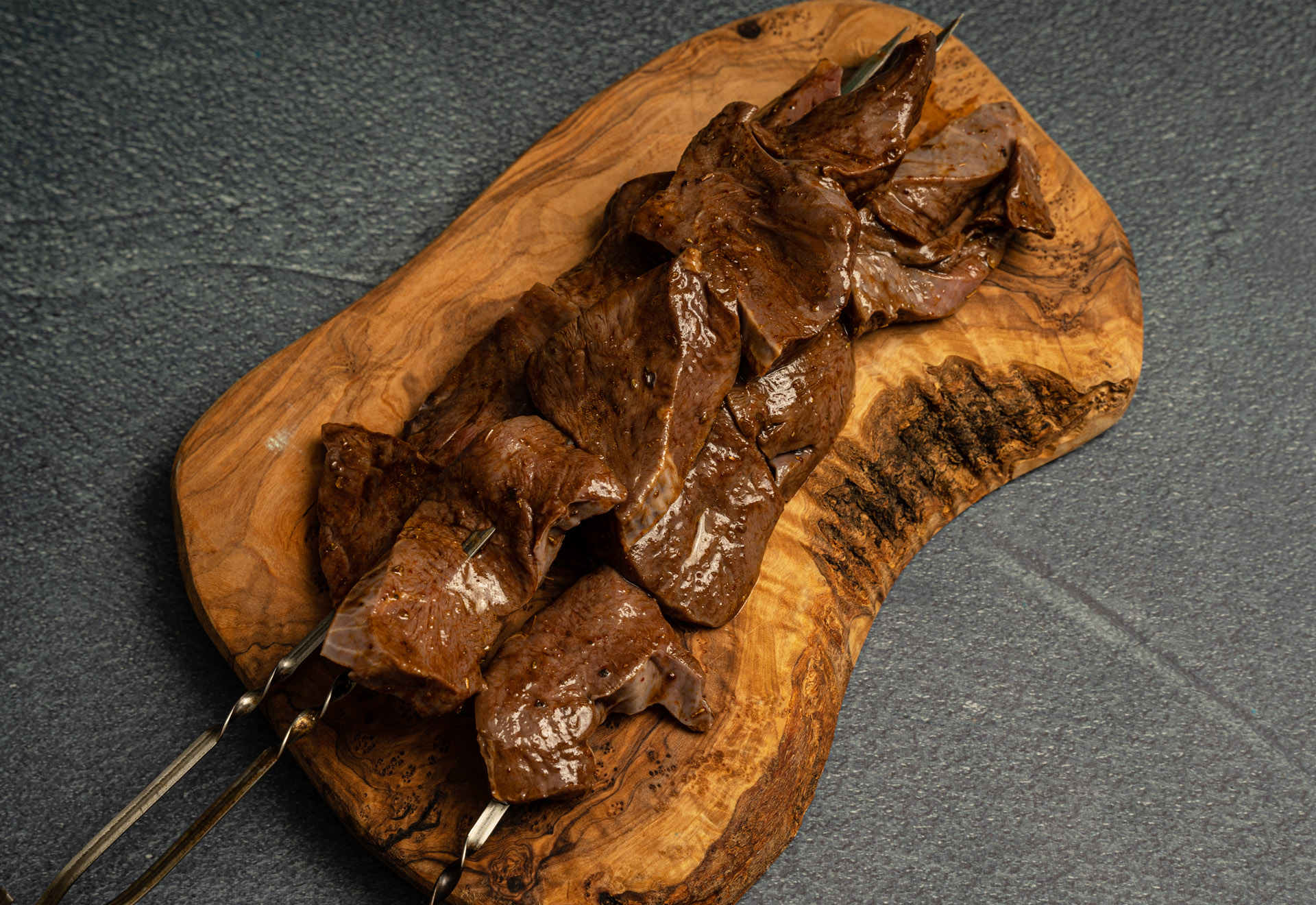
Cut every piece the same size
This is the most practical tip and the most ignored. If your pieces are different sizes, the small ones will be overcooked by the time the large ones are done. Take the extra two minutes to cut evenly. Use the largest piece as your reference and match everything to it. This one change makes a visible difference in the final plate.
Clean the beef heart thoroughly before cutting
Remove all fat and white membranes before you do anything else. These don’t render down or become tender during cooking — they stay tough and chewy no matter what you do to them. The muscle meat itself is what you want: lean, dense, and ready to absorb the marinade. A sharp knife and 10 minutes of prep is the difference between chewy and tender.
High heat — don’t negotiate this
Anticuchos are a high-heat, fast-cook dish. The goal is charred outside, juicy inside, in 2-3 minutes per side. If your grill isn’t genuinely hot, the meat steams instead of sears, the glaze doesn’t caramelize properly, and the whole thing goes sideways. Get the grill hot before the first skewer goes on. If you’re using a cast iron grill pan indoors, preheat it for at least 5 minutes on your highest setting before anything touches it.
Apply the panca glaze constantly — not occasionally
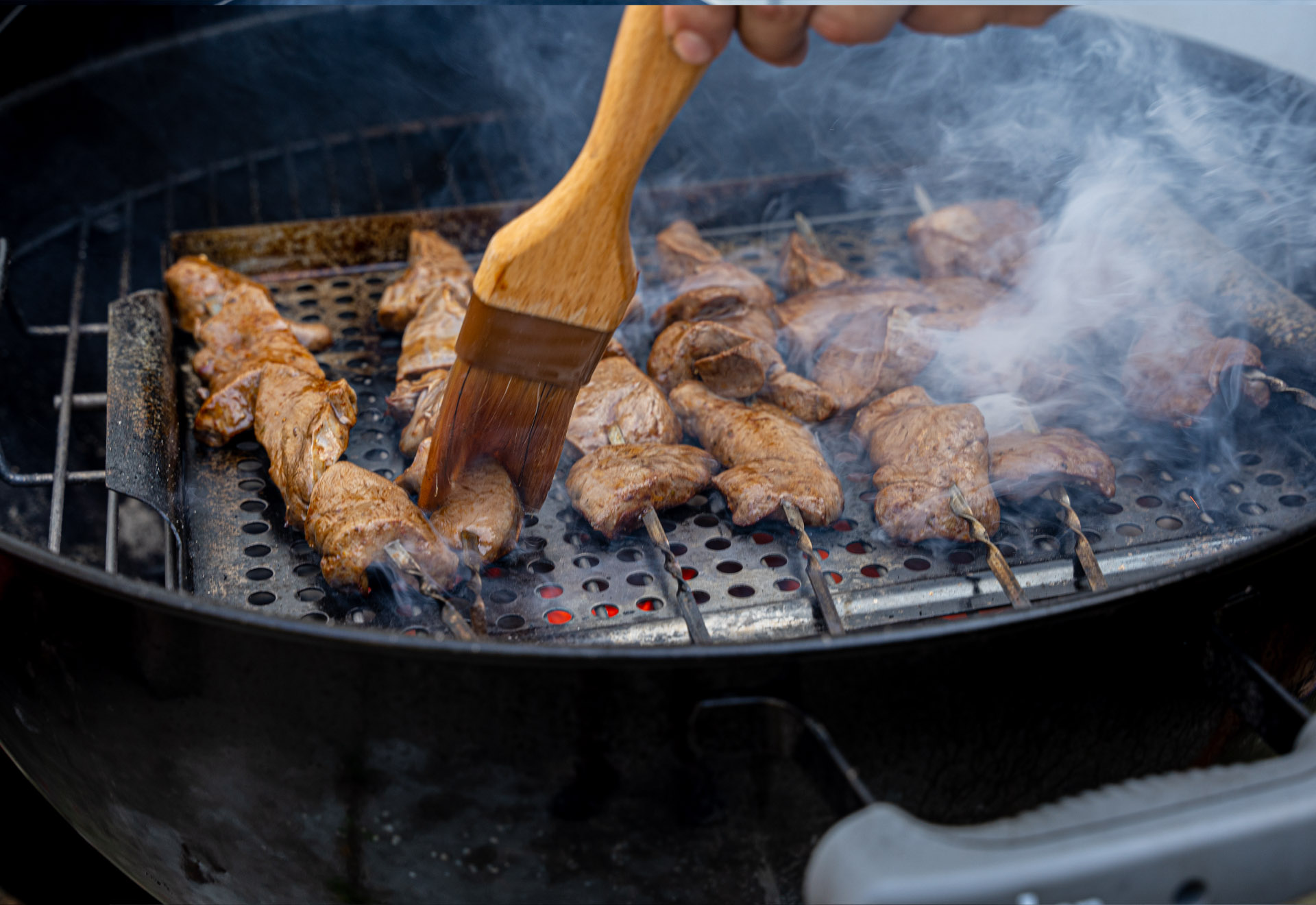
Every minute from the moment the meat hits the grill. Not every 3 minutes, not when you remember, every minute. The glaze builds in layers: first application starts caramelizing, second builds on top of that, and by the time the meat is done you have a thick, lacquered coating that looks exactly like what you see in the photos. Stir the glaze before each application since the oil separates as it sits.
Serve immediately — have everything ready first
Anticuchos exist in the 60 seconds between leaving the grill and entering your mouth. Have your potatoes cooked, your corn cooked, your rocoto sauce made, and your plates ready before you light the grill. The moment the skewers come off, they go on the plate. This is how the anticucheras on Angamos Avenue did it; the food never sat. Neither should yours.
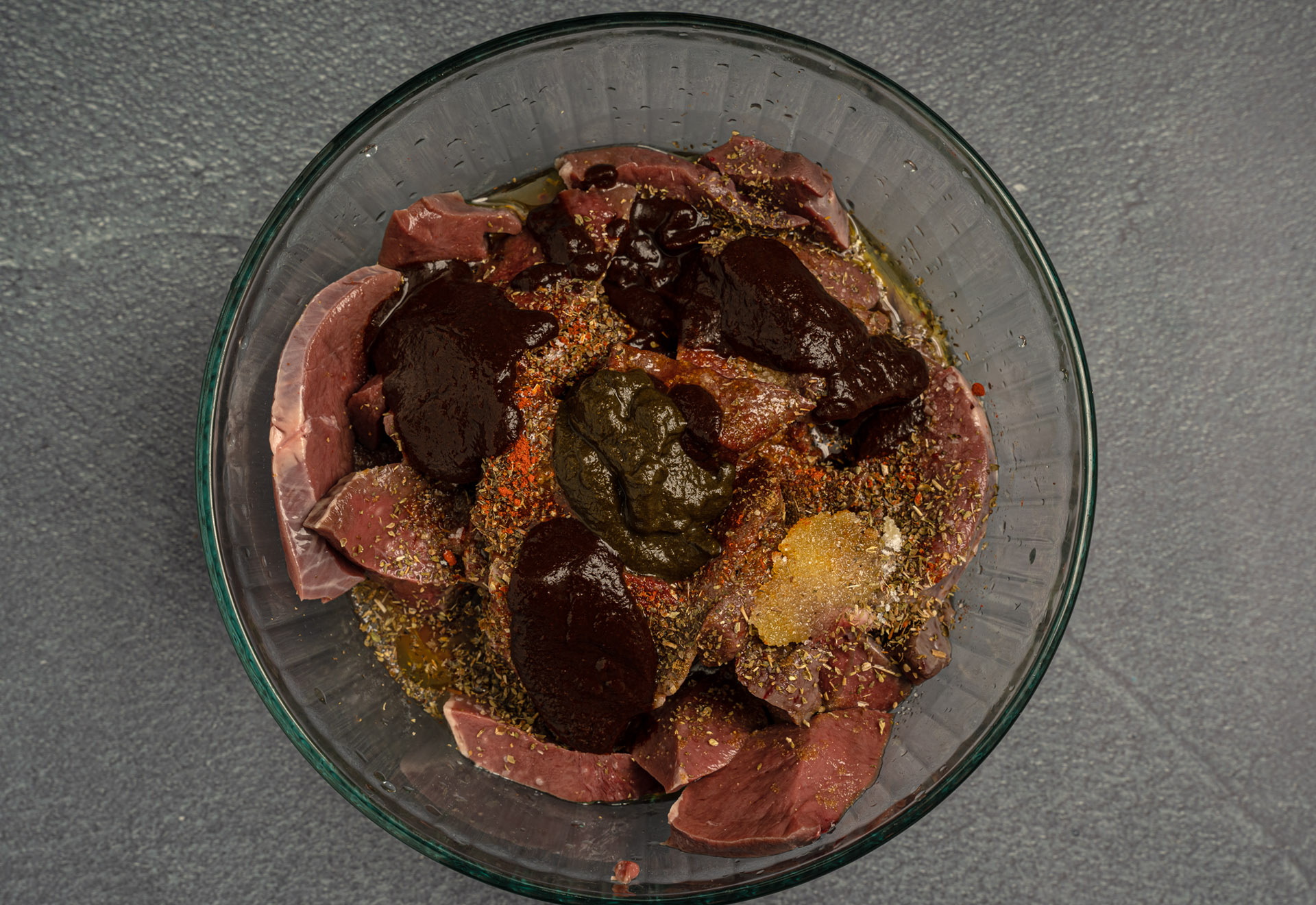
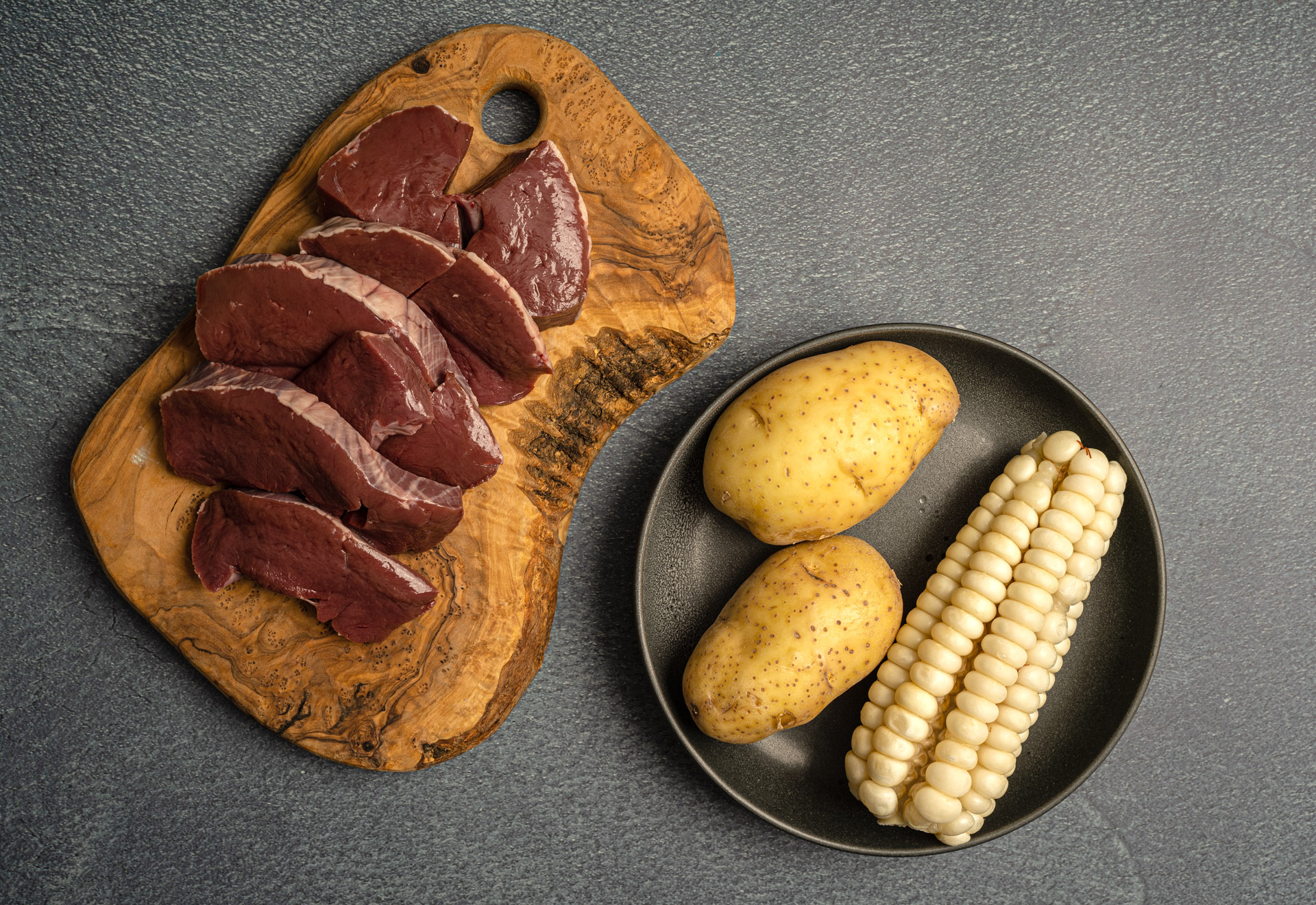
Ingredients are very basic, the star of the dish is the Beef heart, if you are wondering how it tastes, just trust me on this one, try it and you won’t regret it.
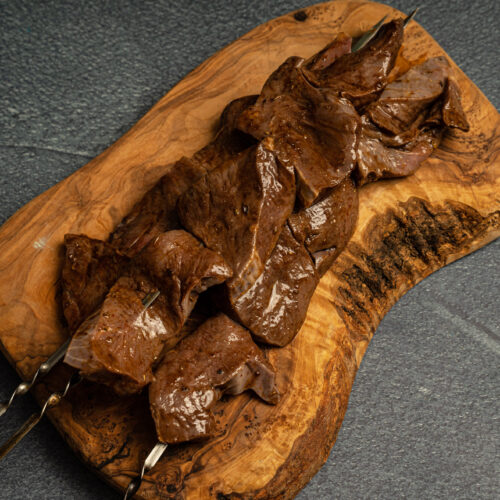
Marinating the Beef heart will add not only flavor but also make the meat more tender.
Making sure that the meat has the same size it is great tip to make sure all pieces will cook evenly
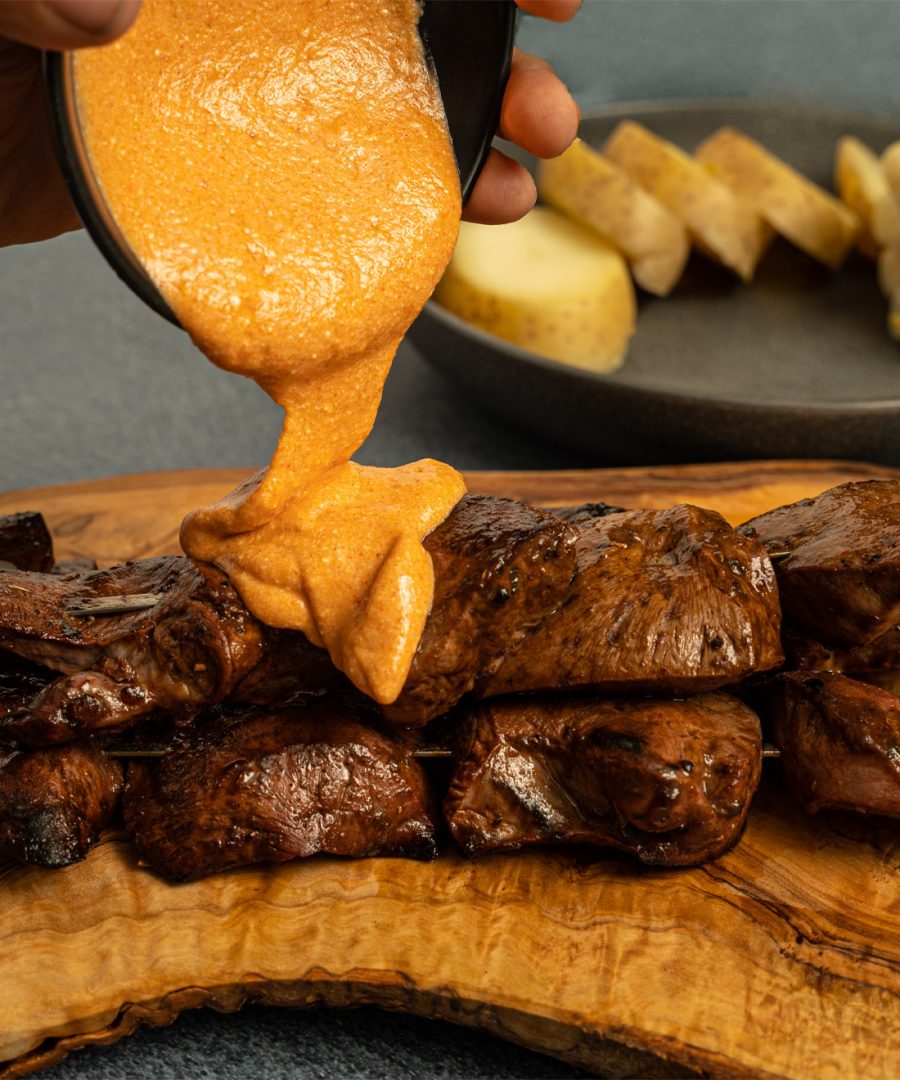
Brushing the Anticuchos, every minute or so will add more flavor and prevent them to get burn/dry
Boiled potatoes are the traditional accompaniment, plain, halved, slightly waxy potatoes that absorb the rocoto sauce and provide a neutral, starchy contrast to the intensely flavored meat. Yukon Gold or red potatoes work well. Boil them until just tender and serve halved.
White corn (choclo) is the other traditional side. Choclo has much larger, starchier, less sweet kernels than American corn, almost a different vegetable. Cook it in boiling salted water for 15-20 minutes until tender. The combination of chewy corn, charred meat, and rocoto sauce is the complete anticucho experience.
Rocoto sauce goes on everything at the table: spoon it over the meat, dip the potatoes, put it on the corn. It’s the acid and heat that ties the whole plate together.
Salsa Criolla, the Peruvian pickled onion relish, on top of the anticuchos adds brightness and acidity that cuts through the richness of the glaze. (Link)
Cooked anticuchos are best eaten immediately. If you have leftovers, they keep in the refrigerator for up to 2 days. Reheat on a hot grill pan or cast iron skillet, not the microwave, which makes them rubbery. A minute per side on high heat brings them back close to their original state.
The marinade can be made up to 2 days ahead and refrigerated. Making it the night before actually improves it slightly — the flavors have time to meld.
The panca glaze keeps for up to 1 week refrigerated in a sealed jar. Stir well before using as it will separate.
The rocoto sauce keeps for up to 4 days refrigerated. Stir before serving.
Raw marinated heart can be refrigerated for up to 24 hours — don’t go beyond that. The marinade will continue breaking down the meat and it will start to become mushy.
What does beef heart taste like?
Intensely beefy, like the most concentrated version of beef flavor you’ve ever eaten, without any gamey or strange notes. The texture is firmer than a steak but not tough when prepared correctly. Remove the fat and membranes, marinate for at least 12 hours, cut into equal pieces, and cook hot and fast. People who were most hesitant before trying it are usually the ones who eat the most after.
Can I use a different cut of meat?
Yes. Sirloin steak cut into the same size pieces works well with the same marinade and glaze. Boneless skinless chicken thighs also work. The flavor is different from beef heart, less intense, more familiar, but the marinade and panca glaze are excellent on any protein. If you’re making these for people who are hesitant about beef heart, make a mixed batch: some heart, some sirloin. Let people try both. The heart usually wins.
Can I make these without a grill?
Yes. A cast iron grill pan on your stove at the highest heat setting is the best indoor option. Preheat it for at least 5 minutes before anything touches it. The result won’t have the charcoal smokiness of an outdoor grill but the marinade and panca glaze still do their work. Open your windows; the glaze will smoke significantly. A broiler set to high with skewers on a rack is another option, though you lose some caramelization from direct flame contact.
Why is there a separate panca glaze if the marinade already has ají panca?
The marinade penetrates the meat and flavors it from the inside. The panca glaze builds on the surface during cooking; it caramelizes, lacquers, and creates that dark, sticky coating you see on the best anticuchos in Lima. They do different jobs. Most recipes only have the marinade and the result is noticeably thinner on the outside. The glaze is what makes this recipe look and taste like something from an anticuchería on the street rather than something you made at home.
What is rocoto and how spicy is the sauce?
Rocoto is a Peruvian red pepper, significantly hotter than ají amarillo, with a fruity, bright heat and a thick flesh. In this sauce it’s blended with queso fresco, evaporated milk, and saltine crackers, which soften the heat considerably. The final sauce is spicy but not overwhelming; the dairy and crackers balance it well.
Why are saltine crackers in the rocoto sauce?
Not a typo. Saltine crackers thicken the sauce without making it heavy, absorb excess liquid from the queso fresco and evaporated milk, and add a subtle toasty note that rounds out the flavor.
How long should I marinate the beef heart?
Minimum 12 hours. Overnight is significantly better. The ají panca and apple cider vinegar need time to work into the muscle fibers, both for flavor penetration and for tenderizing the meat. If you can plan ahead, put the heart in the marinade before you go to bed and grill the next day. This is the single most important variable in the final result and the easiest one to get right.
What is October 17 and why does it matter for anticuchos?
October 17 is National Anticuchos Day in Peru, a day when the whole country celebrates this dish. It coincides with the Señor de los Milagros celebrations, the most important religious festival in Lima, when millions of people dressed in purple process through the streets. The anticucheras are always set up along the procession route. If you’re going to make this recipe for any occasion, make it in October. It’s the right time of year for it.
Tried it? Let me know.
Leave a rating and a comment below — it helps other cooks find this recipe, and I read every single one.