Disclosure: As an Amazon Associate I earn from qualifying purchases. Some links in this post are affiliate links, meaning I may earn a small commission at no extra cost to you.
Before I got into cooking professionally, Crema Volteada was my favorite dessert. Not because it was the most complex or the most dramatic thing I had ever eaten. Because it was always right. Every time, in every place I tried it, from street food vendors in Lima to restaurants with white tablecloths, it was the same dessert at different price points. Simple and, when made correctly, perfect.
My family was not a baking household. The oven was always full of pans and other things, and neither my mother nor my grandmother spent much time baking. The aunts and uncles baked occasionally, but Crema Volteada never came out of our kitchen at home. So I learned to make it myself, and it became the dessert I brought to the table for the people I love.
I used to make it for my father and brother’s birthdays. A few years ago they came to visit me in New York, and I made a nine inch mold. The two of them nearly finished it by themselves. It started with a thin slice, then another, then another. I watched it disappear and I just smiled. That is the kind of dessert this is.
I have been experimenting with variations lately. An orange version, and a coffee version that has become a regular at home. The coffee one cannot survive more than a day. People just eat it.
This is the classic version. The one that started everything.
What Is Crema Volteada?
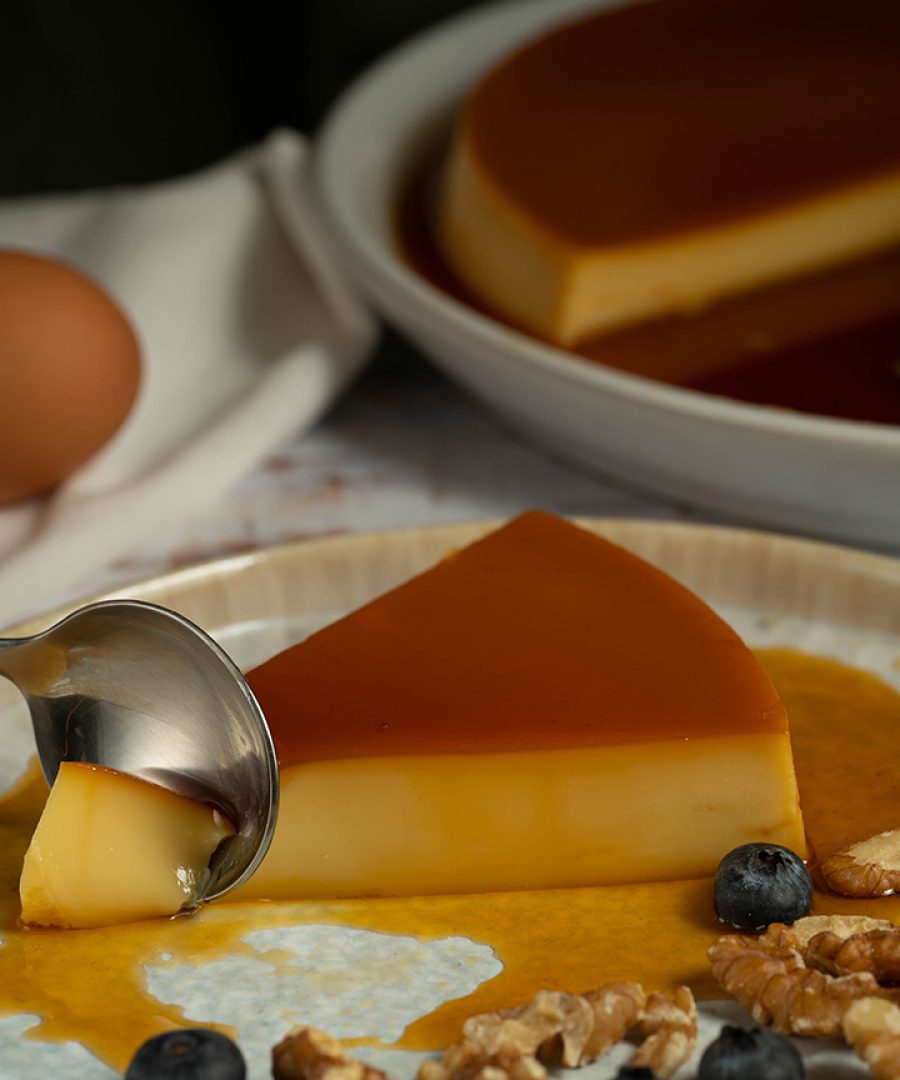
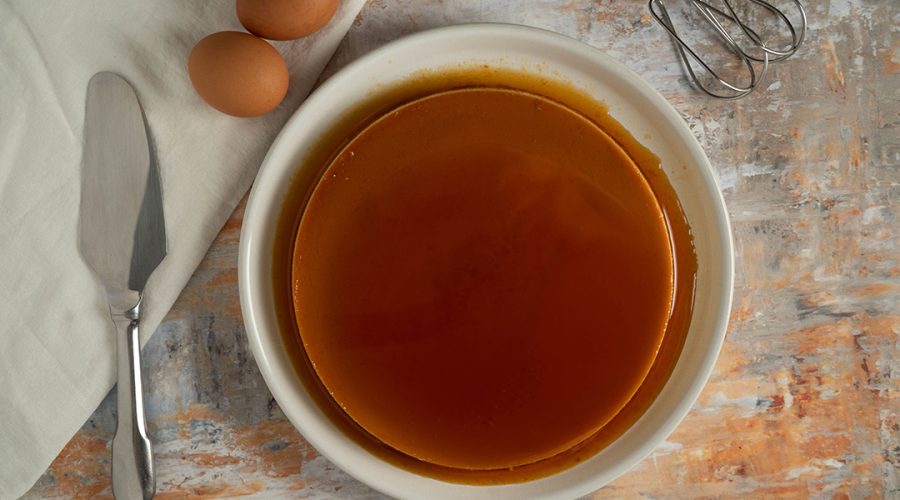
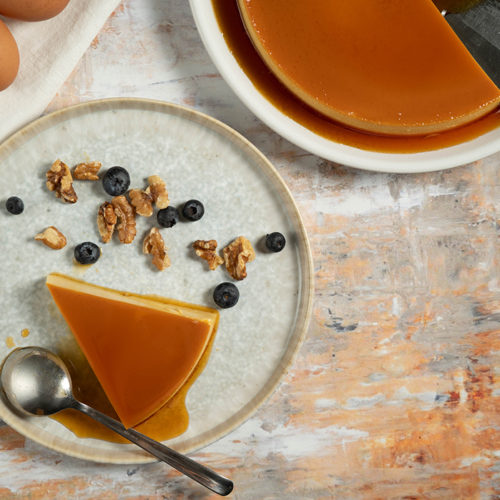
Crema Volteada is a Peruvian egg flan made from evaporated milk, sweetened condensed milk, eggs, and vanilla, baked in a caramel-lined mold in a water bath, then unmolded so the caramel runs down the sides. The name means flipped cream, which describes exactly what happens at the end when you invert the mold onto a plate.
It is sold in every bakery in Lima, offered by street vendors, and made at home across the country. Every place has its own version. Some use only evaporated milk and skip the condensed milk because of the cost. The condensed milk, however, is what gives this version its consistency and richness. It is worth using if you can.
The texture when done correctly is completely smooth, silky, and firm enough to hold its shape when unmolded but soft enough to melt on the tongue. No bubbles, no grainy spots, no cracks. Getting there requires patience in three specific steps: making the caramel without stirring, integrating the eggs gently without creating foam, and straining the batter multiple times before it goes into the mold.
How Is Crema Volteada Different From Leche Asada?
Both are Peruvian custard desserts and they share some ingredients. The key differences are technique and presentation. Crema Volteada is unmolded after baking and has a liquid caramel sauce that runs over it when flipped. Leche Asada stays in the ramekin and gets its sweetness from caramelized milk sugars on the top surface rather than added caramel. Crema Volteada is softer and saucier. Leche Asada is firmer and slightly more bitter.
Where to Find the Peruvian Ingredients in the US
Both evaporated milk and sweetened condensed milk are easy to find in the canned goods aisle of any American grocery store. Nestlé and Carnation are the most common brands and both work well here.
The one thing worth paying attention to is the vanilla. Pure vanilla extract makes a noticeable difference in a dessert this simple where every ingredient shows. Imitation vanilla works, but the flavor is thinner. I am always looking for different brands of vanilla extract to see which is the best. So far, I’ve got a couple of favorites, but you can try this one; it has few ingredients and tastes great (Amazon Affiliate Link)
Crema Volteada is a Peruvian egg flan made with evaporated milk, sweetened condensed milk, eggs, and vanilla, baked in a caramel lined mold in a water bath and unmolded to serve. Silky, smooth, and one of Lima's most beloved everyday desserts.
Course Dessert
Cuisine Latin American, peruvian
Keyword crema volteada, flan
Prep Time 10 minutesminutes
Cook Time 50 minutesminutes
Chill Time 8 hourshours
Total Time 9 hourshours
Servings 8slices
Author Brandon Castillo
Ingredients
400mlof Evaporated Milk
400grof Condensed milksweetened if possible
6Eggs at room temperature3 whole and 3 yolks
A pinch of saltabout 1/3 teaspoon
1Tablespoonof Vanilla extract
3/4cupof white sugarTo prepare the caramel
Instructions
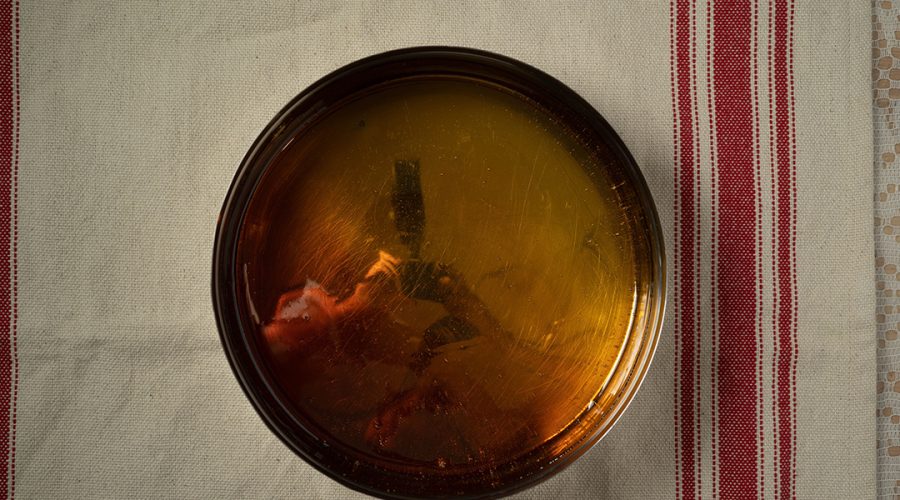
In a pan add 3 tablespoons of water and your sugar, let the sugar turn into caramel(do not stir while making the caramel otherwise it will crystalize) , once you get your caramel, pour the caramel into a mold and let it cool.
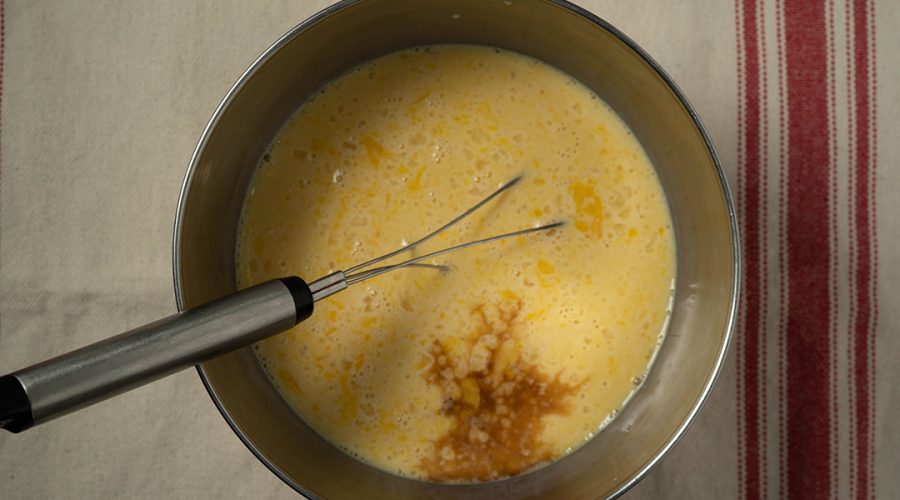
In a big bowl add the liquid ingredients, salt and vanilla stir with a hand whisk and combine, do not over beat you don not want to create foam or bubbles.
Crack your eggs and add them once at the time but stir between egg and egg , in that way they can integrate into the mixture , (What I did is to crack them in a different bowl and break the yolks and them add them little by little)
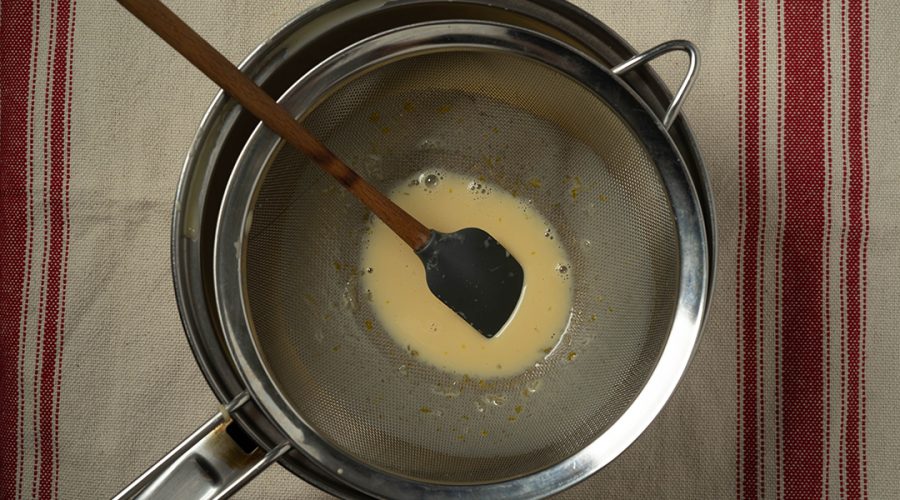
Trick is to not over beat the mix, Once you have everything ready. pass your ingredients through a strainer ( I did the process 5 times ) then pour the mix into your caramelized mold, this dessert has to be cooked in a water bath
Set your oven at 325 F or 160 Cand bake your Crema Volteada for 40 min with a tray filled with water. we want the mix be cook in a water bath , after 40 min check if the center of the dessert is cooked otherwise let it cook for a little more time.
Once its done let it get into room temperature and then put into your fridge for at least 8 hours.
Notes
This dessert is super easy to prepare, if you are looking to make a big one, I will share with you the ratios, 1 egg and 1 yolk for every cup of “liquid ingredient” keep in mind that and you will be good.
My go-to list of authentic ingredients and essential kitchen gear. Read the Guide
Make the caramel first: It needs time to cool and set in the mold before the custard goes in. Add the sugar and water to the pan and do not stir once the heat is on. Stirring causes the sugar to crystallize and the caramel will seize. Watch the color and pull it off the heat when it reaches a deep amber. Pour it into the mold immediately and tilt to coat the bottom evenly.
Do not over beat the batter: This is the most important rule in the whole recipe. Whisk the ingredients together gently with a hand whisk just until combined. Beating aggressively creates air bubbles that become holes in the finished flan. You want a smooth, uniform liquid with no foam on the surface.
Add the eggs one at a time: Crack each egg into a separate bowl first, break the yolk, then add it to the mixture slowly while stirring gently between each addition. This ensures even integration without creating lumps or foam.
Strain the batter multiple times: I strain it at least five times before it goes into the mold. Each pass removes potential air bubbles and any bits of egg that did not fully integrate. This step combined with a proper water bath is what gives you that completely smooth, silky surface when you unmold it. Do not skip this.
Bake in a water bath at the right temperature: Set the oven to 325F / 160C. The water bath regulates the heat around the mold and prevents the custard from cooking too fast, cracking, or developing a rubbery texture. The water should come halfway up the side of the mold.
Check the center before pulling it out: After 40 minutes, gently shake the mold. The edges should be set and the center should have a slight jiggle, similar to a set gelatin. If the center is still liquid, give it another 5 to 10 minutes and check again.
Rest at room temperature first, then refrigerate overnight: Do not go straight from the oven to the fridge. Let it come to room temperature first, then refrigerate for at least 8 hours. The custard needs that time to fully set before unmolding. Trying to flip it too early will give you a broken flan.
To unmold: Run a thin knife around the edge of the mold, place a plate on top, and flip in one confident motion. Hold both the mold and the plate together firmly and do not hesitate. Hesitation is what breaks flans.
First, cook your potatoes, then peel and mash them while they are hot, it works better that way.
Caramel is the first thing you should do since it takes some time to cool.
Integrating the ingredients is the most important part; just be sure not to overbeat the batter.
Straining your batter will help to get a flan that ends with a nice texture, no bubbles.
Storage
Crema Volteada keeps in the refrigerator for up to 4 days covered loosely with plastic wrap. The caramel will continue to liquefy slightly over time, which is not a problem. Do not freeze it. Freezing breaks the custard structure completely.
Frequently Asked Questions
Can I make this vegan? Yes. Replace the dairy milks with your preferred plant based alternatives, oat milk and coconut milk work well together here, replace the eggs with agar agar, and use a plant based sweetener if needed. The texture will be slightly different but the result is a good vegan flan.
Why did my flan crack on top? Either the oven temperature was too high or the water bath ran dry during baking. Both cause the custard to cook too fast and the surface to crack. Check the water level halfway through baking and add hot water if needed.
Why did my caramel crystallize? Stirring the sugar while it melts causes crystallization. Once the sugar and water go into the pan over heat, do not touch it. You can swirl the pan gently if needed; avoid stirring with a spoon.
Can I add flavors to this recipe? Yes, and I encourage it. For a coffee version, dissolve one to two tablespoons of instant espresso in the warm evaporated milk before mixing. For an orange version, add the zest of one orange to the batter before straining. Both work beautifully with the caramel base.
What is the ratio if I want to make a bigger or smaller batch? One whole egg and one yolk for every cup of liquid ingredient. Keep that ratio and you can scale this recipe up or down as needed.
Why do you use both evaporated milk and condensed milk? Evaporated milk gives the custard its body and a slightly savory depth. Condensed milk provides sweetness and a richness that thickens the texture. Some versions in Peru use only evaporated milk to keep costs down, but the condensed milk is what gives this version its consistency. It is worth using both.
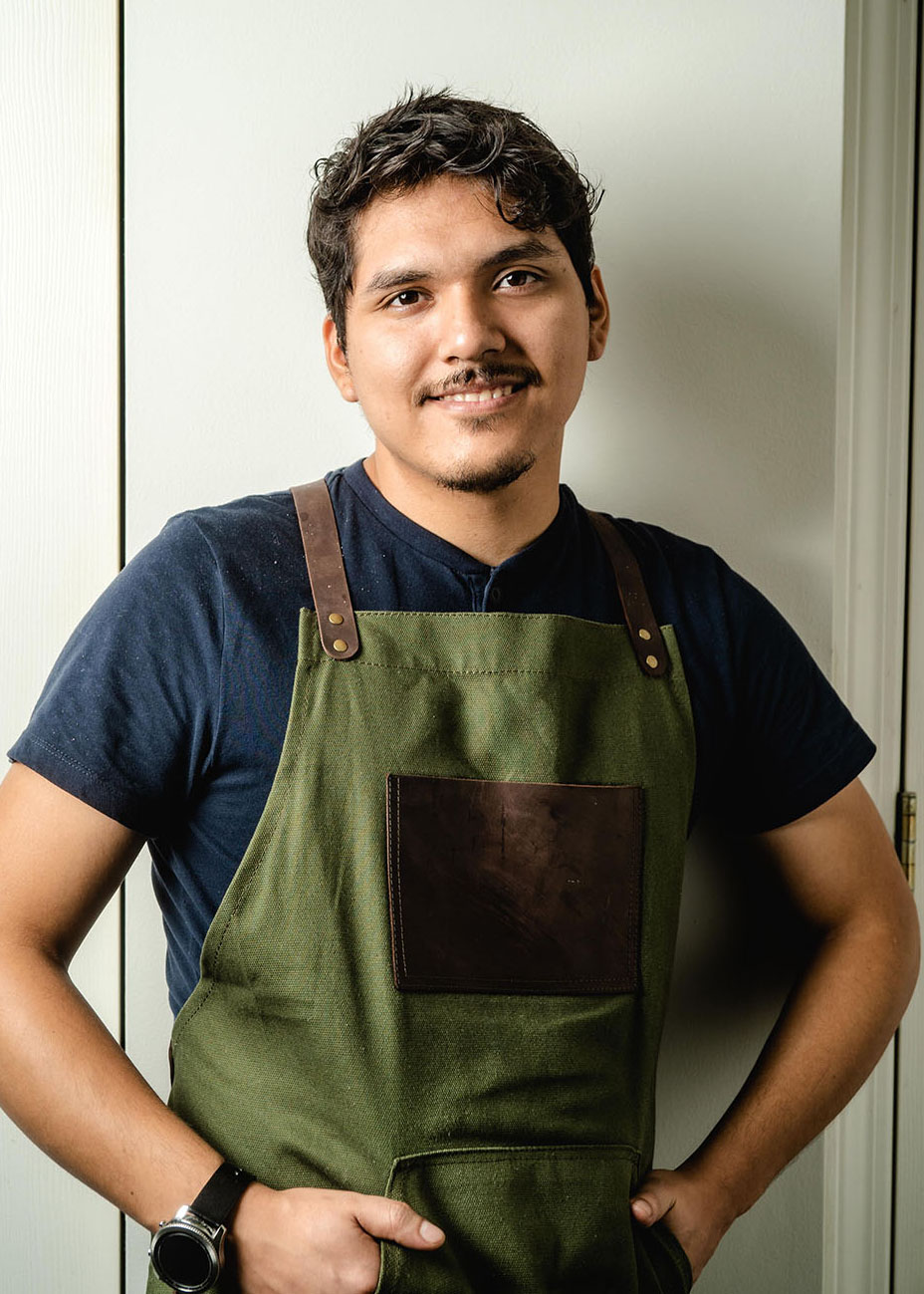
Brandon Castillo - Peruvian Chef & Recipe Developer
Brandon Castillo is a Peruvian chef and recipe developer based in New York. Born and raised in Peru, he shares authentic Peruvian recipes adapted for home cooks in the United States. You can find him on Instagram, TikTok, and YouTube @chewinghappiness.
Tried it? Let me know. Leave a comment below, especially if you tried the coffee or orange variation. And if you want to explore more Peruvian custard desserts, the Leche Asada recipe is a great next step.