Lasagna de Ají de Gallina (Peruvian Creamy Chicken Lasagna)
Disclosure: As an Amazon Associate I earn from qualifying purchases. Some links in this post are affiliate links, meaning I may earn a small commission at no extra cost to you.
Peruvians are fiercely protective of our gastronomy. We love our traditional dishes so much that we are often hesitant to try anything outside the box. You see it everywhere, brands and advertisers constantly exploit the image of a family sharing a strictly traditional meal because they know it sells. We are so rooted in our classic flavors that if a foreign franchise wants to survive in Peru, they have to adapt to our exact palate, or they fail.
Years ago, I attended a book fair at Larcomar in Miraflores. A team member from Virgilio Martinez’s restaurant, Central, was giving a presentation on innovating Peruvian cuisine. He wasn’t talking about crazy molecular gastronomy; he was redefining what our food meant. His philosophy was that Peruvian cuisine is simply native Peruvian ingredients, cooked by Peruvians, using a mix of traditional and modern techniques. I stayed until the end, and I remember hearing people in the crowd furiously rejecting the idea. To them, if it wasn’t the exact traditional street food they grew up with, it wasn’t Peruvian.
But as cooks, we have a duty to keep exploring. We have to constantly ask ourselves, “what if?” If we don’t experiment, our cuisine stops evolving. This Lasagna de Ají de Gallina is exactly that, a “what if.” It is not molecular gastronomy, and I highly doubt I will ever write a recipe for home cooks using those fancy techniques. This is simply a twist on a beloved classic. It takes the creamy, slightly spicy profile of our traditional chicken stew and merges it with Italian layers. It is a first step into creativity that respects the traditional base while pushing our boundaries just a little bit further.
What Is Lasagna de Ají de Gallina?
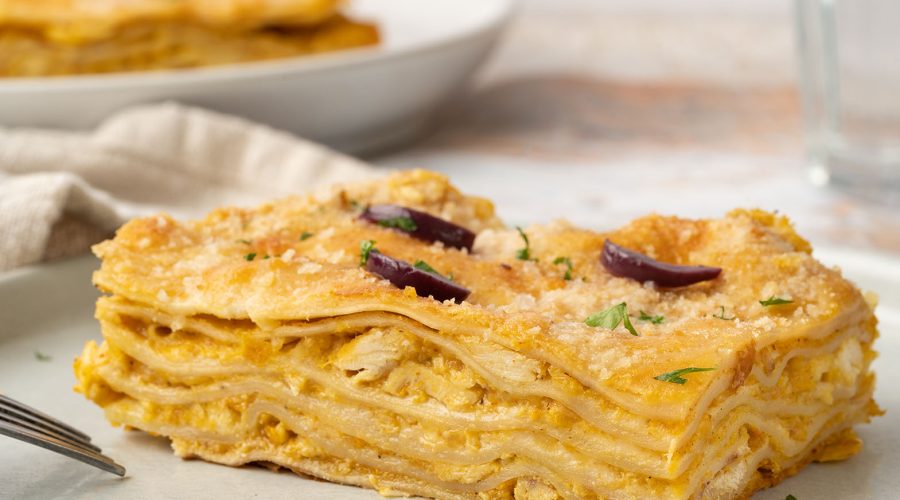
This dish is a direct bridge between traditional Peruvian flavors and classic Italian cuisine. Instead of using a tomato-based ragù between the pasta sheets, the filling is a slightly modified version of Ají de Gallina, a classic Peruvian creamy chicken stew.
The stew is built on a base of sautéed red onions, garlic, ají amarillo, and ají mirasol and amarillo pastes. That base is blended with milk-soaked bread to create a thick, vibrant sauce before folding in shredded chicken. When layered alongside a nutmeg-scented bechamel, mozzarella, and parmesan, it bakes into a rich, savory dish that honors both gastronomies.
Where to Find the Peruvian Ingredients in the US
The Chili Pastes: You need Ají Amarillo and Ají Mirasol pastes to give this dish its authentic flavor and yellow color. You can find them in the Latin aisle of many major supermarkets, at local Hispanic grocers, or by ordering Aji Amarillo Paste and Aji Mirasol Paste on Amazon.
The Poultry: In Peru, this is traditionally made with gallina (older hen), which provides a much deeper, richer flavor than standard chicken. In the US, hen can be hard to find outside of specialty butchers. While using standard chicken breasts saves time and is easier to source, you will lose some depth of flavor. Try to boil the chicken with aromatics (celery, carrots, onions) to maximize the flavor of the meat before shredding it.
The Cheese: Do not use pre-grated parmesan in a plastic shaker. Because the flavors here are so creamy and delicate, using a high-quality, freshly grated Parmigiano Reggiano will drastically elevate the entire dish.
Ají de Gallina Lasagna - Peruvian Creamy Chicken Lasagna
A creative twist on a traditional favorite. This Peruvian-Italian fusion layers the classic, creamy Ají de Gallina chicken stew with rich bechamel and pasta.
Course Main Course
Cuisine Italo-Peruana, peruvian
Keyword aji de gallina, modern Peruvian cuisine, Peruvian lasagna
Prep Time 25 minutesminutes
Cook Time 45 minutesminutes
Total Time 1 hourhour10 minutesminutes
Servings 4ppl
Author Brandon Castillo
Ingredients
Aji de Gallina
1 WholeChicken or Hen Breast cooked and shredded
1tbspVegetable Oil
2tbspsButter
1Red Onion finely diced
4Garlic Cloves finely minced
1tbspAjí Mirasol Paste
2tbspsAjí Amarillo Paste
1.5cupsEvaporated Milk
1cupChicken Stock more if necessary
3slices White breadcorners removed
Salt and Pepper
Bechamel
2tbspsButter
1.5tbsps All-Porpouse flour
2cupsEvaporated Milk
1/3teaspoonNutmeg
Salt & Pepper
Lasagna
1lbLasagna pasta your favorite brand
2cups Mozzarella Cheese
1cup Parmesan Cheese
Instructions
Ají de Gallina
Start with soaking the bread into the milk, then in a pot add oil, then butter, once butter is melted add onions, garlic and let them cook until they are soft. then add ají amarillo and ají mirasol paste, saute, let it cook for at least 5 min. (add a tablespoon of chicken stock if it is getting too dry)
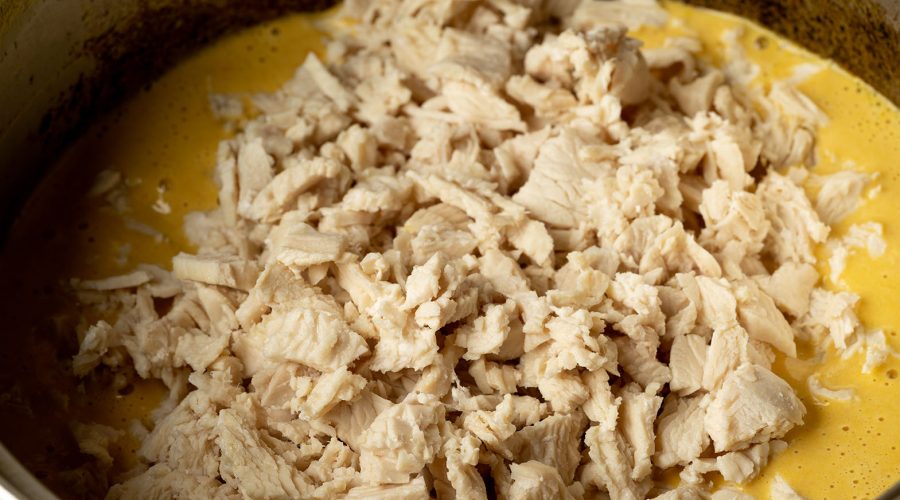
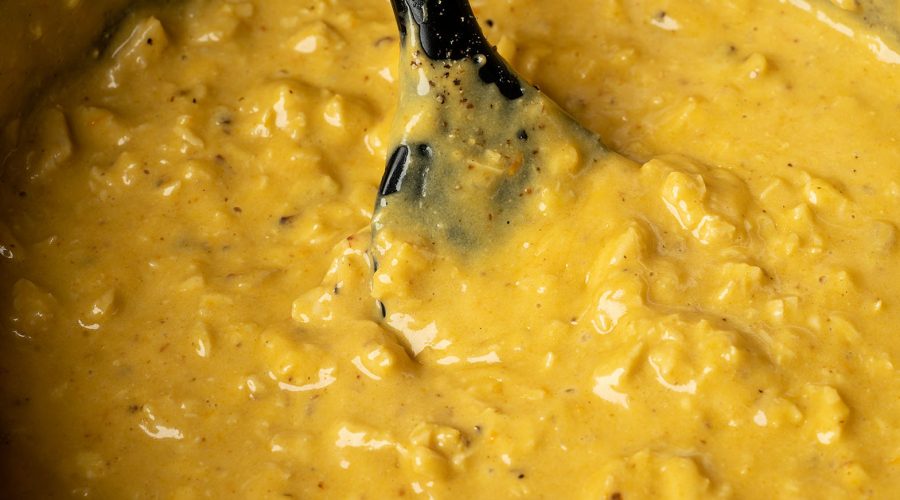
Add el "aderezo"(what you were cooking), bread and milk into a blender, process and add back to the pot, bring to a boil, it should have a thick consistency however it should be still runny, then add shredded chicken, salt and pepper.
Bechamel
In a pot add, butter let it melt but not burn, once melted add flour and stir, let the flour cook for a bit 3 min then add milk (a bit at a time) stir constantly, bring to a boil and turn off, once everything is integrated add salt, pepper and nutmeg.
Lasagna
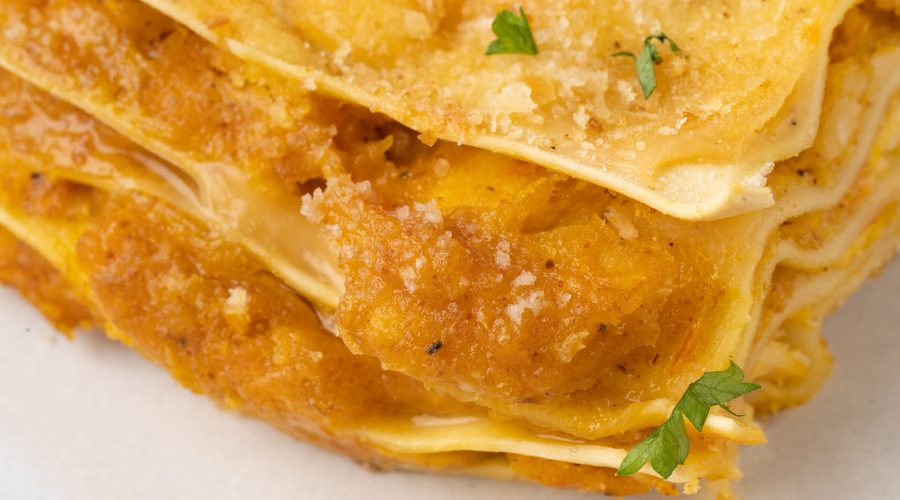
Follow the instructions of your Lasagna pasta brand before proceeding. In an oiled tray, add layers of pasta then ají de gallina, then bechamel on top, some mozzarella some parmesan, then add more pasta and keep making layers end with parmesan and mozzarella.
Bake at 180C / 350F for at least 25 min then another 10 min in a broiler or raise the temperature to 200C / 400F until the top is golden brown.
My go-to list of authentic ingredients and essential kitchen gear. Read the Guide
Keep the chicken stew loose The Ají de Gallina should not be overly thick when you build the lasagna. It needs to be slightly runny because the pasta sheets will absorb a lot of moisture, and the oven heat will dry the filling out further as it bakes.
Do not burn the bechamel roux When melting the butter and whisking in the flour for your bechamel, keep the heat on medium-low. You want to cook the raw flour taste out for about 3 minutes without letting the mixture turn brown.
Let it rest before slicing Like any lasagna, if you cut into it boiling hot straight from the oven, the layers will slide apart and the creamy filling will spill everywhere. Let it rest for at least 15 to 20 minutes to set properly.
Making Ají de Gallina makes me so hungry, the flavors and aromas of this dish are really good!
The texture should be a bit loose, it will dry a bit once it is on the oven
I just love a good Lasagna and Aji de Gallina makes it even better.
What to Serve With It
Because this lasagna is incredibly rich, creamy, and carbohydrate-heavy, you do not need much else on the plate. A very simple, highly acidic green salad, like arugula or mixed greens with a sharp lemon vinaigrette is the perfect side to cut through the heavy cream and cheese.
Storage and Reheating
Lasagna almost always tastes better the next day once the flavors have fully melded. Store leftovers in an airtight container in the refrigerator for up to 3 days.
To reheat, place a slice in an oven-safe dish, cover it tightly with aluminum foil so it doesn’t dry out, and bake at 350°F (175°C) for about 15-20 minutes until heated through. You can also microwave individual slices for about 2 minutes.
Frequently Asked Questions
Can I use no-boil lasagna noodles? Yes, no-boil (oven-ready) noodles work perfectly here. The Ají de Gallina and bechamel provide plenty of moisture for the pasta to absorb while baking.
Can I freeze this lasagna? Absolutely. You can freeze the entire assembled, unbaked lasagna tightly wrapped in plastic and foil for up to 2 months. You can also freeze leftover baked slices individually.
Can I add pecans or walnuts? Ají de Gallina sometimes includes chopped pecans or walnuts. I omitted them here to keep the texture perfectly smooth for the lasagna layers, but you can absolutely blend a small handful of pecans into the sauce.
Brandon Castillo - Peruvian Chef & Recipe Developer
Brandon Castillo is a Peruvian chef and recipe developer based in New York. Born and raised in Peru, he shares authentic Peruvian recipes adapted for home cooks in the United States. You can find him on Instagram, TikTok, and YouTube @chewinghappiness.
Tried it? Let me know.
If you made this recipe at home, leave a comment below and let me know how it turned out! Tag @Chewinghappiness on Instagram to show me your plated dish.