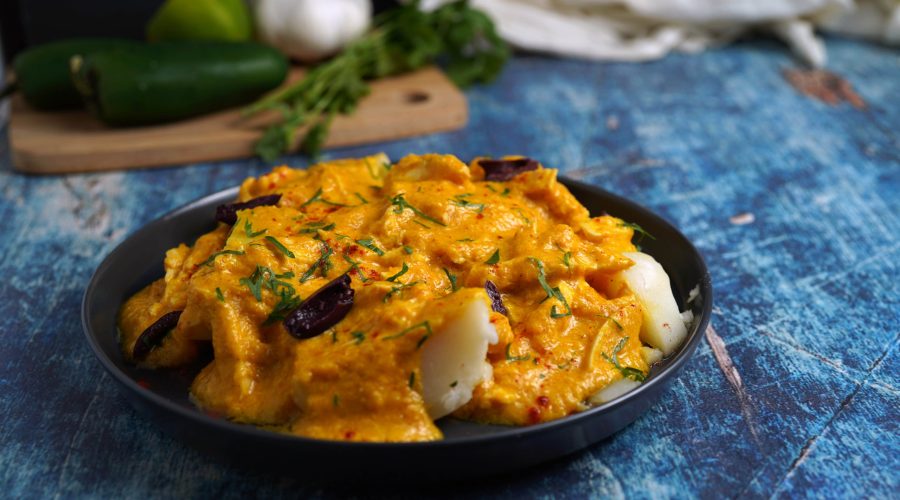
Aji de Gallina Recipe: Creamy Peruvian Chicken Stew
Disclosure: As an Amazon Associate I earn from qualifying purchases. Some links in this post are affiliate links, meaning I may earn a small commission at no extra cost to you.
Shortly after finishing culinary school, I picked up shifts working at the APEC summit, serving Peruvian food to hundreds of international diplomats. I signed up for every shift I could get, and while I originally wanted to be back in the kitchen, working the floor changed my entire perspective on our cuisine.
I stood there explaining the menu as people stared curiously at the Aji de Gallina. To someone who did not grow up in Lima, a bright yellow sauce poured over potatoes looks unfamiliar. But after the first bite, something shifted. Intimidating, serious faces suddenly softened and smiled. One man even shouted across the room about how much he loved the chicha morada. That day, I experienced firsthand the power of food.
Cooking this now in my kitchen in the US, I usually swap the traditional hen for chicken breast. The older hen has a much deeper flavor and firmer texture, but chicken is far more accessible here and keeps the cooking time realistic for a weeknight. This recipe balances the sweet, mild heat of the aji amarillo with the texture of milk-soaked bread, creating a dish that feels instantly comforting whether you grew up with it or are trying it for the very first time.
What Is Aji de Gallina?
Aji de Gallina is a traditional Peruvian stew characterized by its vibrant yellow color and rich, creamy texture. While many people mistake it for a main course, it is classically categorized as a starter or entrée. The base of the dish relies on a careful sofrito of red onion and garlic, which is blended with aji amarillo peppers, milk, and soaked bread to create a thick sauce.
The shredded poultry is folded into this sauce right at the end, just long enough to absorb the flavors. It represents the beautiful blending of indigenous Peruvian ingredients like the aji pepper with the dairy and bread introduced by European immigrants, resulting in a dish that is deeply embedded in Lima’s culinary identity.
If You Are in the US
Getting the right ingredients is the only real hurdle when making this in the States. The “traditional dish” requires an older boiling hen, which can be difficult to find at a standard grocery store and takes much longer to tenderize. Using a standard chicken breast works perfectly well, though you lose a slight amount of the deep, savory flavor the hen provides.
The most critical ingredient is the aji amarillo. Finding aji amarillo in the US is rare, but check the freezer section of your local Latin market for whole frozen peppers. If you cannot find them frozen, jarred paste is your best option. I always keep a jar of Aji Amarillo Paste in the pantry for this exact reason, as it delivers the authentic flavor and color without the hunt. (Link: Aji Amarillo Paste on Amazon)
A traditional Peruvian chicken stew featuring a vibrant, creamy sauce made from milk-soaked bread and aji amarillo peppers. It comes together quickly for a comforting, mildly spicy meal.
Add the chicken/hen to a pot with salt, pepper, and bay leaf, let it cook until tender, then set aside and shred it.
Soak your bread in milk and let it sit for at least 5 min
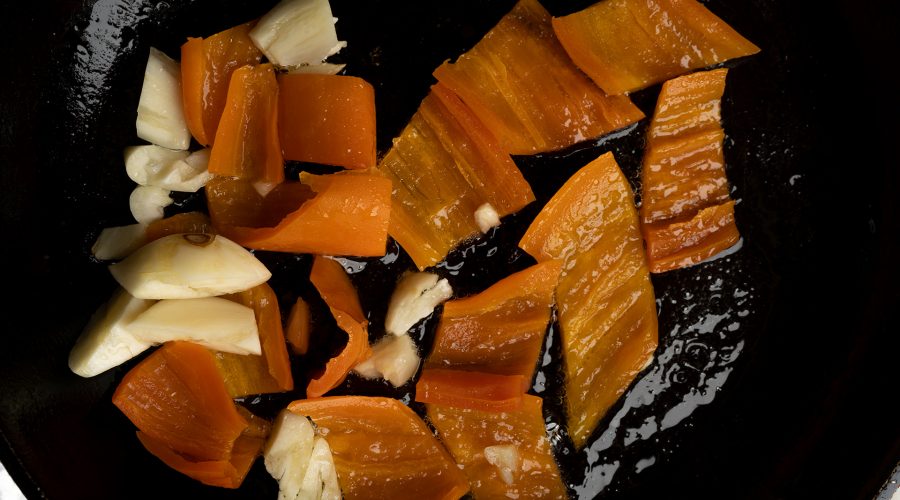
In a hot pan add some 3 tablespoons of vegetable oil, and cook onions, garlic, and "Ají Amarillos until they are really tender for at least 7- 12 min, we want to overcook the onions so they can balance the heat of the “Ají amarillo”.
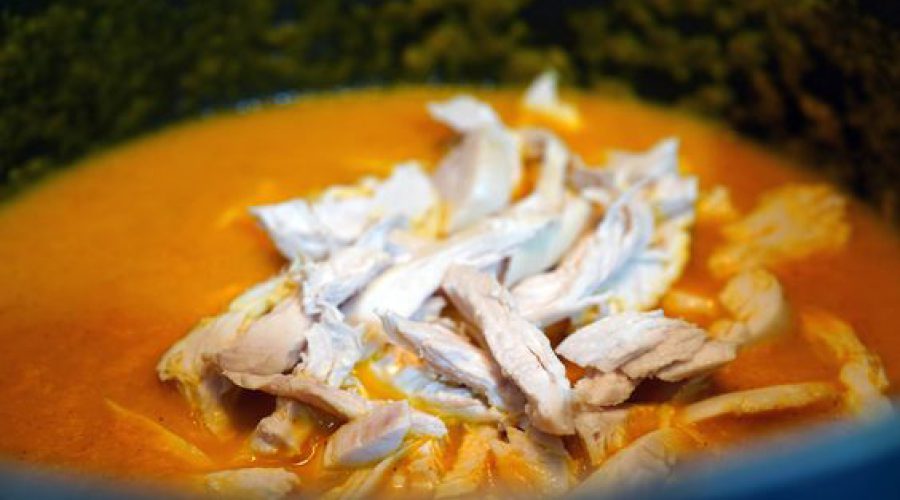
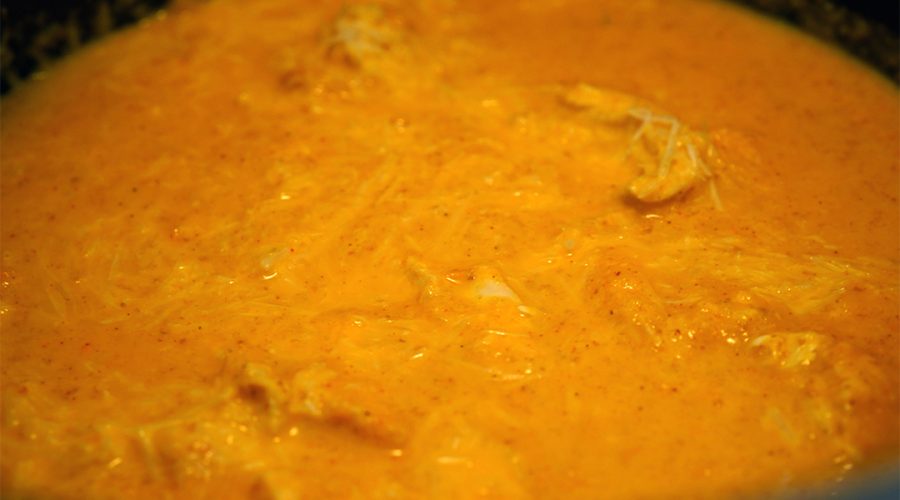
Once its cooked add the mix to a blender along with milk, bread and some of the chicken broth then blend until smooth.Transfer that to a pan add the rest of the chicken broth , shredded chicken, salt , pepper and let it boil for at least 3 min , stir constantly, the bread with thick the sauce.
Once its thick you can add some Parmesan cheese , to boost the flavor this is completely optional
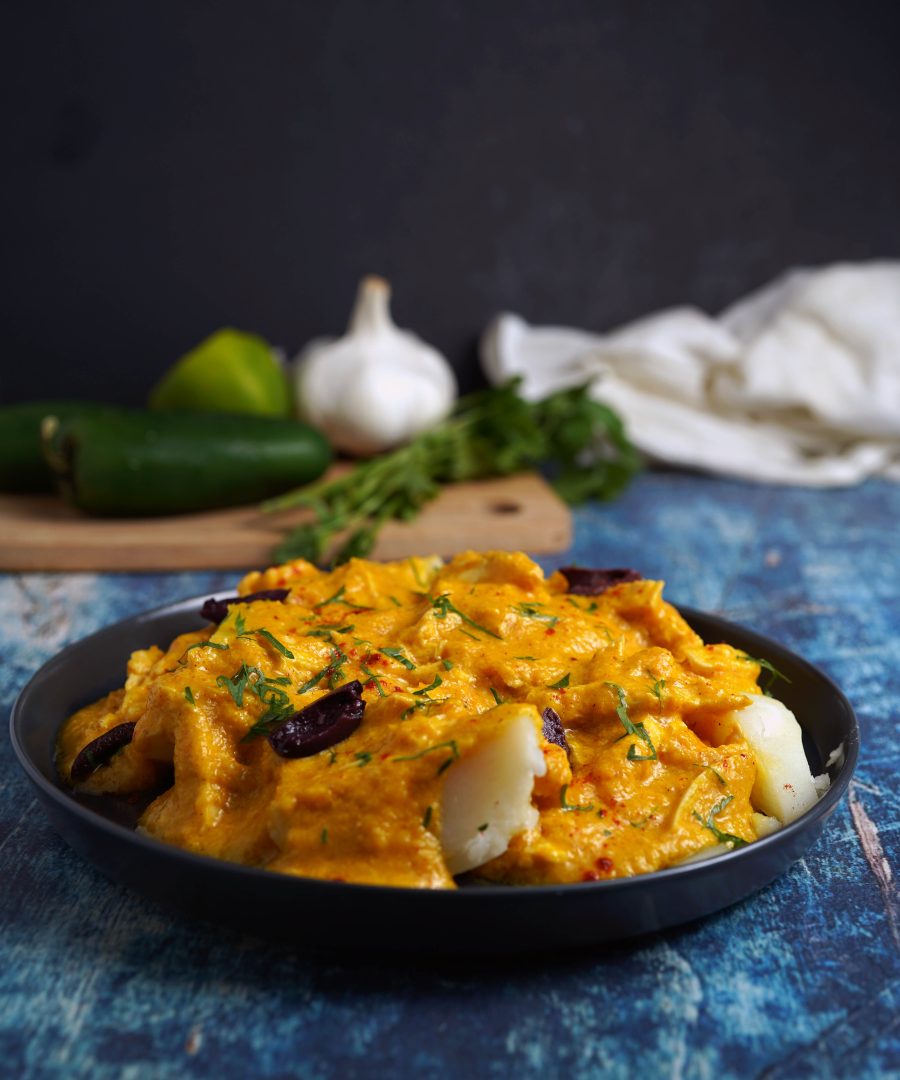
Serve this dish with cooked potatoes, hard boiled eggs, Olives and some parsley on top
Video
Notes
You can replace the Ají Amarillo for 3 tablespoons of “Aji Amarillo paste” and 1 Orange bell pepper
My go-to list of authentic ingredients and essential kitchen gear. Read the Guide
Caramelize the sofrito completely. The onions, garlic, and aji need at least 7 to 12 minutes in the pan to break down properly. You want to cook the onions down until they are incredibly soft and sweet, which is essential to balance the natural heat of the aji amarillo.
Do not overcook the chicken. Boil the poultry just until tender, then remove it from the heat and shred it. Since you add the meat back into the hot sauce at the very end, pulling it out of the boiling water at the right time prevents you from eating dry, stringy chicken.
Blend the sauce until completely smooth. When processing the cooked aji mixture with the soaked bread and milk, let the blender run until no chunks remain. The bread acts as your primary thickener, and a completely smooth puree guarantees the final texture the dish is known for.
Save your cooking liquid. Never throw away the water used to boil the chicken breast with the bay leaves and peppercorns. This simple homemade broth goes right back into the sauce, allowing you to thin the stew out to the exact right consistency before serving.
Having the right ingredients helps a lot in this recipe, where there is a characteristic flavor profile and texture you need to achieve.
You can use hen or chicken, if using chicken, you use breast bone-in, this helps a lot in getting more flavor.
What to Serve With Aji de Gallina
This stew is traditionally plated over a bed of boiled potatoes, ideally a yellow potato variety like golden potatoes in the US, it can go with a generous scoop of white rice to soak up the extra sauce. The standard companions are a slice of hard-boiled egg, some Kalamata olive, and some chopped parsley.
If you are putting together a complete Peruvian spread, this pairs perfectly with a cold glass of Chicha Morada to cut through the richness of the dairy. For dessert, you can follow it up with homemade Alfajores to keep the menu entirely Peruvian.
Storage
Store any leftovers in an airtight container in the refrigerator for up to three days. Because of the bread base, the sauce will thicken considerably as it chills.
I do not recommend freezing this dish. The dairy and bread emulsion tends to break when thawed, resulting in a grainy, unpleasant texture that is very difficult to fix.
When reheating, do it gently on the stovetop over low heat. You will need to add a splash of chicken broth or a little milk to loosen the sauce back to its original creamy consistency, stirring constantly so the bottom does not scorch.
Frequently Asked Questions
Is Aji de Gallina very spicy?
It has a mild, sweet heat, but it is not meant to burn your mouth. Cooking the aji amarillo down with the onions mellows the spice significantly, and the dairy helps neutralize it further.
Can I use a bell pepper instead of aji amarillo?
You can blend one orange bell pepper with three tablespoons of aji amarillo paste to mimic the volume and color. However, you cannot omit the aji completely without losing the dish’s identity.
What is the difference between Aji de Gallina and Papa a la Huancaina?
Both feature a creamy yellow sauce made from aji amarillo and dairy. However, Huancaina uses fresh cheese and crackers as a thickener and is served cold over potatoes, while this dish uses bread and chicken broth and is served hot.
Why is my sauce too thick?
The bread continues to absorb liquid as the stew sits off the heat. Just stir in a little extra chicken broth or warm milk right before serving until it reaches the right consistency.
Should I use chicken thighs or breasts?
I use whole chicken breast for this because it shreds into the clean, long strands traditional to the dish. Thighs work fine if you prefer dark meat, though the texture of the shred will be slightly different.
Brandon Castillo - Peruvian Chef & Recipe Developer
Brandon Castillo is a Peruvian chef and recipe developer based in New York. Born and raised in Peru, he shares authentic Peruvian recipes adapted for home cooks in the United States. You can find him on Instagram, TikTok, and YouTube @chewinghappiness.
Tried it? Let me know.
If you made this recipe, let me know how it went in the comments below or tag @Chewinghappiness on Instagram so I can see your plate! If you have extra aji paste left over, use it to make my Aji de Gallina Lasagna recipe or my Ajies Rellenos recipe.