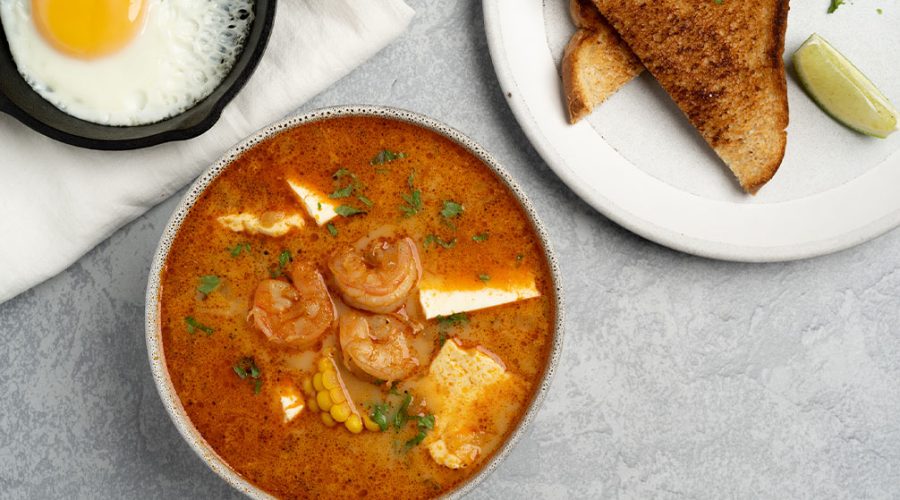
Chupe de Camarones Recipe (Hearty Peruvian Shrimp Chowder)
Disclosure: As an Amazon Associate I earn from qualifying purchases. Some links in this post are affiliate links, meaning I may earn a small commission at no extra cost to you.
My mother used to make this dish on her birthday and for special occasions. It was the meal she chose when she wanted the food to truly matter. I am far from home now, cooking in my own kitchen in the US, but every time I start a pot of Chupe de Camarones, I immediately think of her. I can still picture her standing over a massive pot on the stove when I was a kid, filling the house with the aroma of shrimp broth, aji panca, and milk.
To be completely honest, I have a complicated relationship with seafood and rarely eat it on its own. But this dish is entirely different. The flavors have a perfect harmony with the roasted chili pastes, the sweet corn, and the creamy broth, so the seafood never feels overwhelming.
I would sit at the table with a massive appetite and always leave completely full. This is a dish that brings pure joy, and while it takes a little patience to build the layers properly, it is just worth it.
What Is Chupe de Camarones?
Chupe de Camarones is a traditional Peruvian shrimp preparation that exists in a culinary category all its own. While it is served in a bowl, it is not just a soup, and though it is incredibly hearty, it is not quite a stew. In Peru, these types of dishes are called “chupes,” which are defined by combining a protein with starches like potatoes, corn, or rice, all swimming in a thick, aromatic broth that makes it a complete main course.
This specific version is built on a homemade stock extracted directly from the shrimp shells, delivering a depth of flavor that a store-bought carton simply cannot replicate. The base of caramelized red onion, aji panca, and huacatay gives it an unmistakably Peruvian character, while the evaporated milk and queso fresco folded in at the very end provide a signature creamy finish.
Where to Find the Peruvian Ingredients in the US
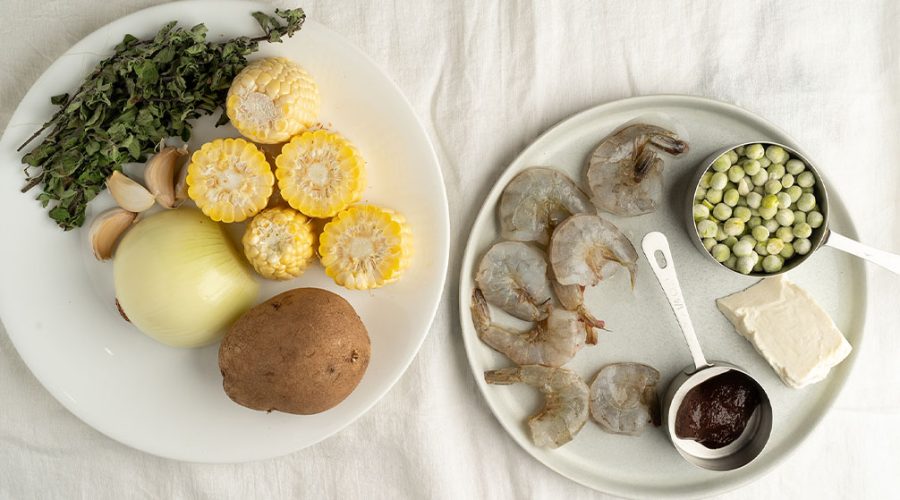
Sourcing the right ingredients is key to making this taste like home. The shrimp are easy to find at any American grocery store, but you need to look for jumbo U10 or U12 shrimp with the shells still on. Since the shrimp is the star protein here, it needs to be substantial enough to stand out in a heavy broth.
Huacatay paste is the hardest ingredient to track down unless you have a dedicated Latin market nearby. This Peruvian black mint has a unique, slightly mentholated and herbaceous aroma with absolutely no direct substitute. If you cannot find it locally, you can easily grab Huacatay Paste on Amazon to get that authentic flavor profile.
Aji panca paste is essential for the base color and mild, smoky sweetness of the dish. Like the huacatay, if your local international aisle does not carry it, grabbing a jar of Aji Panca Paste on Amazon is your best bet.
Queso fresco is widely available now in the dairy or Latin cheese section of most major supermarkets. Look for reliable brands like Cacique or La Vaquita, which hold their shape well enough before melting slightly into the hot broth.
A rich and hearty Peruvian shrimp chowder made with aji panca, huacatay, potatoes, corn, and a homemade shell stock, finished with evaporated milk and queso fresco.
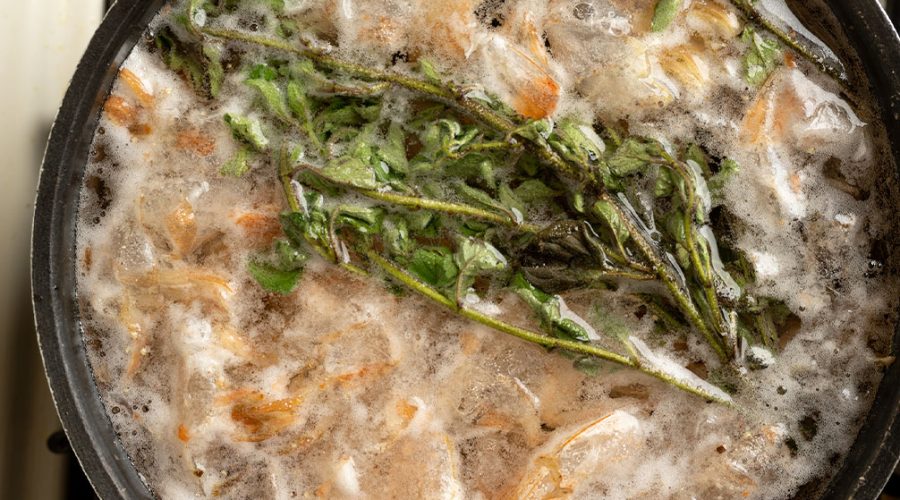
in a pot add all the ingredients, bring to a boil (set the stove to low temperature) then let it simmer for at least 5 min, strain the stock, and reserve.
Chupe
Add oil and butter to a pot, once butter is melted, salt, pepper your shrimp then add it to the pot, give it some color (about 1 min ), then reserve it.
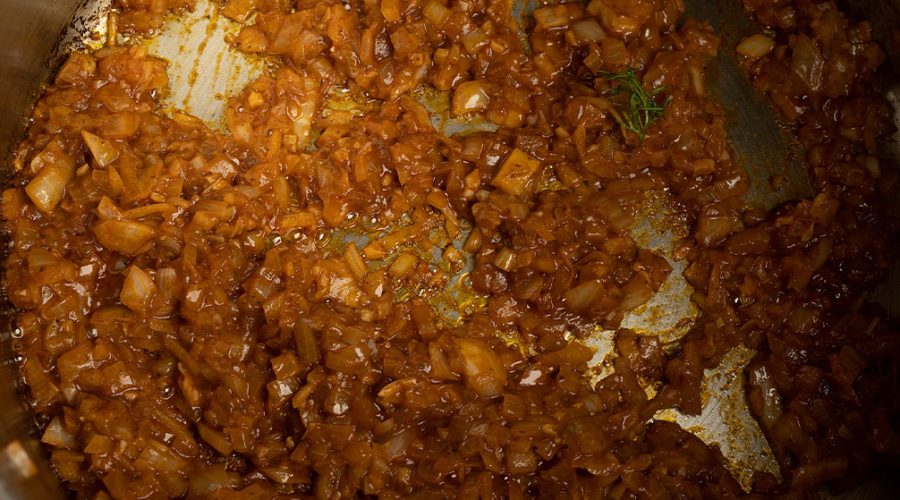
In the same pot add onions, garlic, paprika, ají panca paste, huacatay paste, and let it cook until the onions are soft almost falling apart.
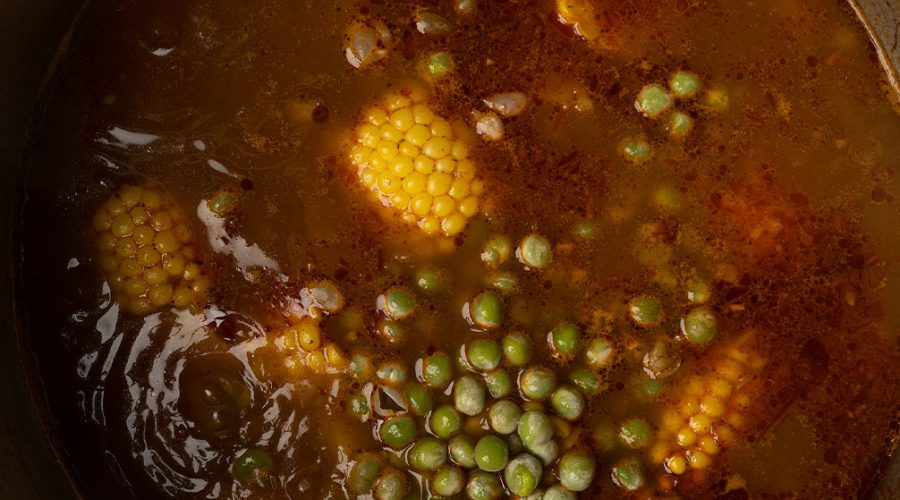
Once the onion is fully cooked add the stock, add potatoes, rice, corn and let it cook until the potato and rice are done, then add peas, queso fresco (cheese), evaporated milk, shrimp and let it simmer for 2 minutes, add salt, serve with, a fried egg and some toasted bread.
My go-to list of authentic ingredients and essential kitchen gear. Read the Guide
Make your own stock from the shells. The shrimp shells hold a massive amount of flavor that you absolutely need for the base. Boiling them with water, oregano, and whole peppercorns for just five minutes yields a broth that no processed bouillon can replace. Never skip this step or throw those shells away.
Buy shell-on shrimp. If you buy pre-peeled shrimp, you forfeit the ingredients needed for your homemade stock, losing the most crucial layer of flavor in the process. Always ask the fishmonger for whole, shell-on shrimp and take the few extra minutes to peel them yourself.
Caramelize the onions completely. The red onions need to cook down with the garlic and chili pastes until they are incredibly soft and practically falling apart. This caramelization process adds a necessary sweetness that builds the foundation of the broth. Rushing this step leaves the chupe tasting flat and raw.
Sear the shrimp for just one minute. Shrimp overcook incredibly fast and will quickly turn rubbery if left in the pan too long. Give them a quick sear in the butter just to develop some color, then remove them immediately. They go back into the hot broth for exactly two minutes right before serving, which is all the time they need to finish perfectly.
Add the dairy at the very end. Both the queso fresco and the evaporated milk are sensitive to high heat. If you boil them too long, the cheese will completely disintegrate and the milk can curdle.
Few ingredients can make a great meal, this “Chupe de Camarones” has few ingredients but it is packed with flavors!
This is an important step to get the dish right, making your own stock is important in that way you are not adding flavors you don’t want in your Chupe de Camarones.
Caramelizing your onions, will add some sweetness to the dish and also provide a deeper flavor, the Ají Panca paste, and the Paprika will add some color and aroma to the dish as well.
What to Serve With It
Chupe de Camarones is incredibly filling and operates as a complete meal in a single pot. With the shrimp, potatoes, rice, corn, and dairy all working together, you do not need much on the side.
However, the traditional Peruvian presentation requires a freshly fried egg placed right on top of the bowl just before serving. You also need a few thick slices of butter-toasted bread on the side to mop up the rich, creamy broth.
Storage
Store any leftover chupe in an airtight container in the refrigerator for up to two days. As it sits in the fridge, the potatoes and rice will continue to absorb the broth, meaning the soup will thicken significantly overnight.
I do not recommend freezing this dish. The combination of evaporated milk, queso fresco, and cooked shrimp does not survive the freezing and thawing process well; the dairy will break and the shrimp will become severely rubbery.
When reheating, place the chupe in a pot over low heat on the stove. You will need to add a splash of water or extra seafood stock to loosen it back to its original consistency. Heat it gently just until warmed through so you do not overcook the shrimp or break the cheese.
Frequently Asked Questions
What exactly does the word chupe mean?
Chupe refers to a specific category of hearty Peruvian dishes served hot in a bowl, featuring a protein, starches, and a thick broth. They are far more substantial than a standard soup but have more liquid than a traditional stew. While Chupe de Camarones is the most famous, we also make chupes with chicken or fish.
Can I use frozen shrimp?
Yes, you can use frozen shrimp, provided they are raw and still have their shells on so you can make the stock. Make sure to thaw them safely in the refrigerator overnight before peeling and cooking.
Can I replace the evaporated milk with heavy cream?
While evaporated milk is the traditional choice in Peru, you can swap it for heavy cream if you want a slightly richer, more indulgent flavor profile. Just be careful not to let the cream reach a hard boil.
Can I skip the huacatay paste if I cannot find it?
You can leave it out, but the final dish will miss a distinct, minty herbal note that defines traditional Peruvian chupes. If you have to omit it, the aji panca will still provide a great base, but the dish will lose a bit of its authentic character.
Why did my chupe turn out too thick?
The starches from the rice and potatoes naturally thicken the broth as they cook. If you let it sit on the stove too long before serving, it will continue to absorb liquid. Just stir in a bit of hot water or extra stock right before plating.
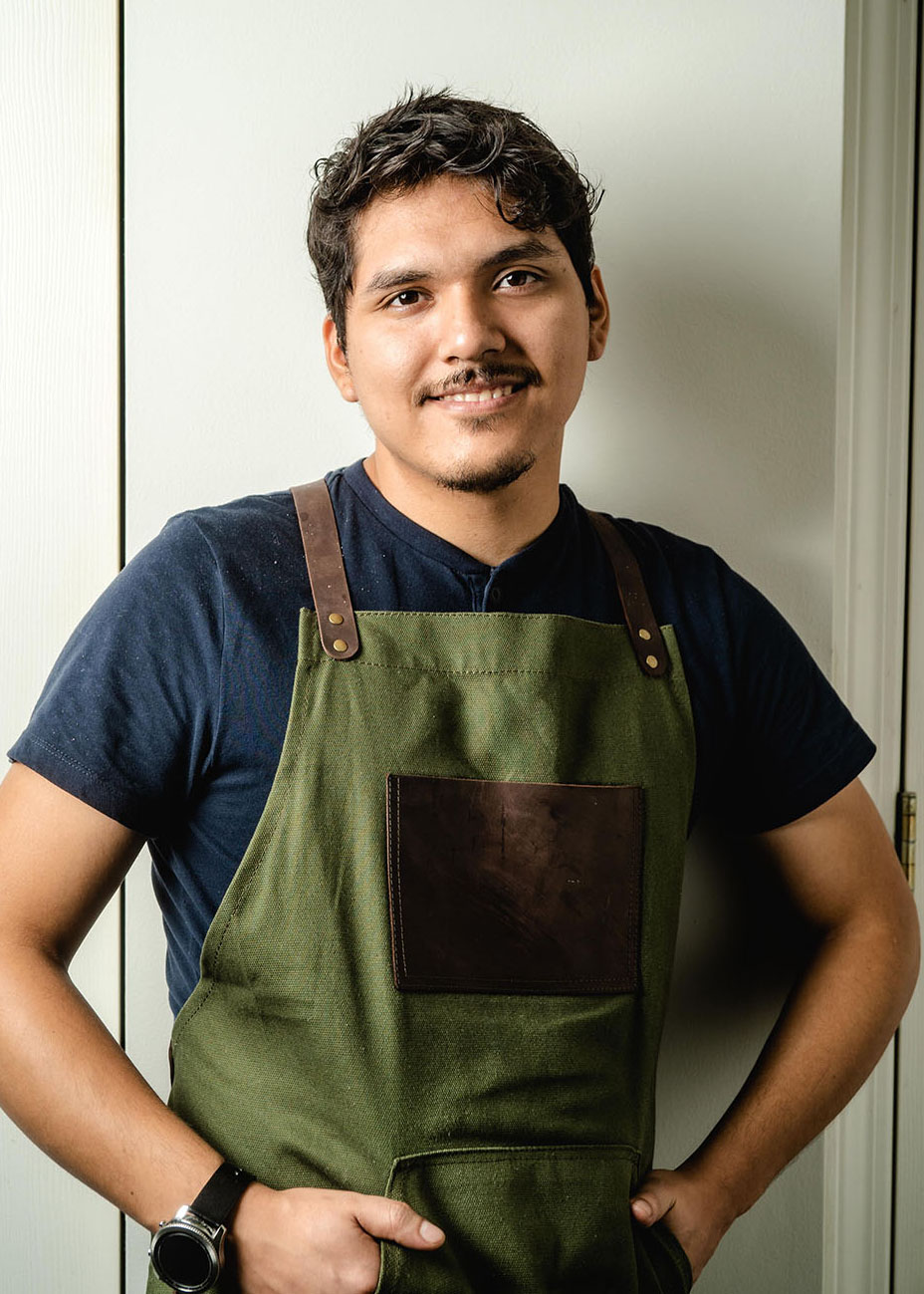
Brandon Castillo - Peruvian Chef & Recipe Developer
Brandon Castillo is a Peruvian chef and recipe developer based in New York. Born and raised in Peru, he shares authentic Peruvian recipes adapted for home cooks in the United States. You can find him on Instagram, TikTok, and YouTube @chewinghappiness.
Tried it? Let me know.
If you made this recipe at home, leave a comment below or tag @Chewinghappiness on Instagram to show me your bowl! And if you want to keep exploring traditional Peruvian seafood, give my Jalea Mixta recipe a try.