


Aji de Gallina Recipe (Creamy Peruvian Chicken Stew)
A traditional Peruvian chicken stew featuring a vibrant, creamy sauce made from milk-soaked bread and aji amarillo peppers. It comes together quickly for a comforting, mildly spicy meal.

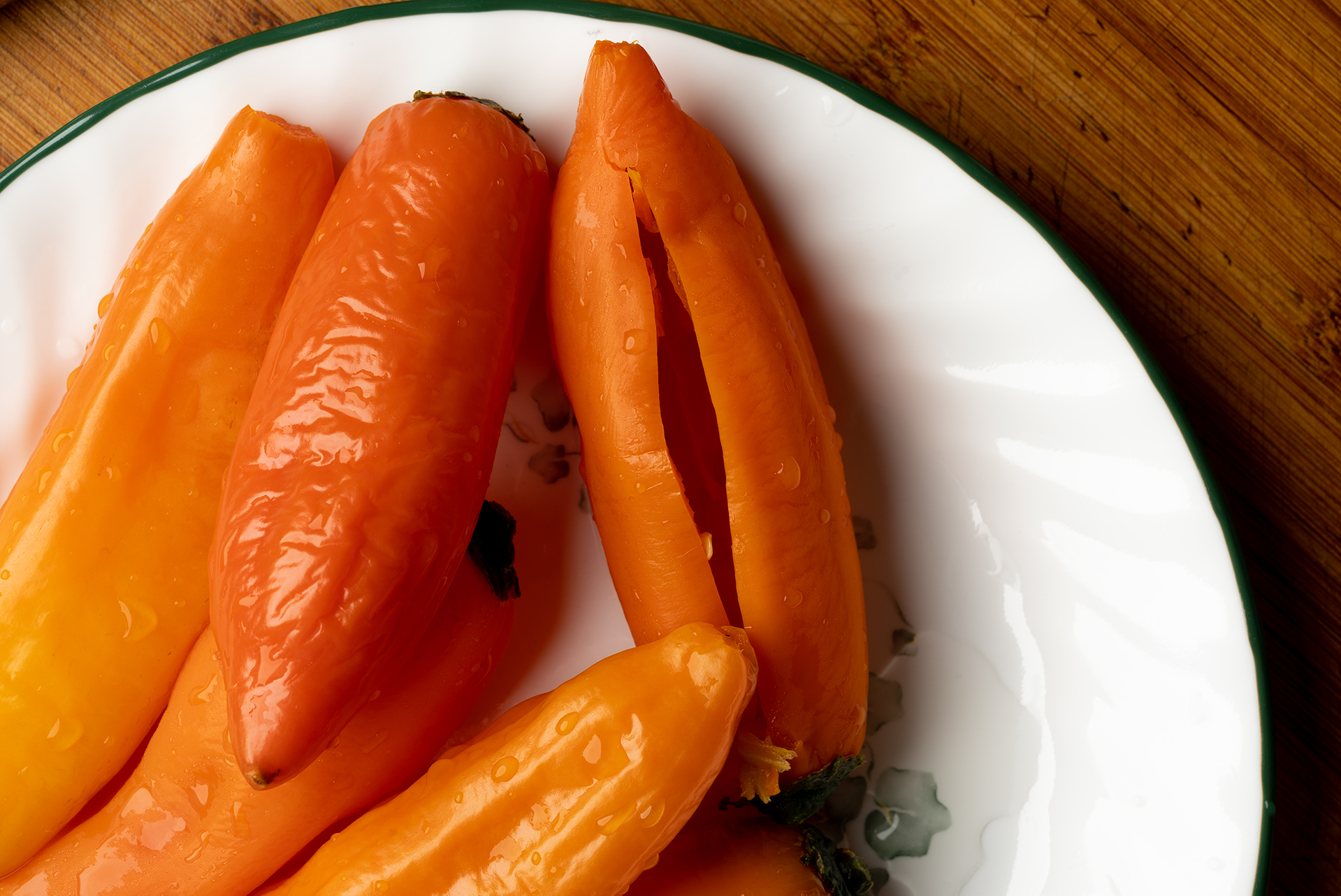



A traditional Peruvian chicken stew featuring a vibrant, creamy sauce made from milk-soaked bread and aji amarillo peppers. It comes together quickly for a comforting, mildly spicy meal.

Peruvian Pumpkin stew made with Macre” Pumpkin (a type Cucurbita Maxima ), A starchy, creamy, sweet stew with a touch of spiciness.

Ollucos with meat is a potato-like stew, full of flavor and texture, simple stew for those cold days.

Escabeche de Pescado (Peruvian Spicy and Sour Fish) ES Disclosure: As an Amazon Associate I earn from qualifying purchases. Some links in this post are affiliate links, meaning I may earn a small commission at no extra cost to you. As a kid, I choked on fish bones more times than I’d like to remember. It wasn’t just once or twice. It was enough times to develop a difficult relationship with fish for years. My grandmother cooked for a lot of people and didn’t have time to pick every piece clean, so she simply warned us to be careful. I tried, but the bones always won. My mother understood. She cooked me fillets, no bones, no surprises. And even though the trauma of the bones was still there, the flavor of Escabeche stuck with me since I was little. The sweetness of the sweet potato balancing the acidity of the sauce, the crunchy and slightly bitter onion, the olives, the hard-boiled egg, the aroma of the ají amarillo. That dish is a symphony of flavors. When I went to culinary school in Lima, I learned how to debone a fish properly, how to handle it, and to understand what makes fish an extraordinary protein when cooked well. That’s when I started discovering dishes where fish is the star: Ceviche, Pescado a lo Macho, Sudado de Pescado, Seco de Pescado y Mariscos, Jalea Mixta. My relationship with fish changed completely. Today, Escabeche de Pescado is one of my favorite dishes. And this version turns it into a main course, not just an appetizer, with generous portions and white rice on the side if you want it really “taypá” (hearty). What is Escabeche de Pescado? For this recipe, use boneless fillets. That’s the first rule. Escabeche has a sauce with a strong personality, so you need a firm-fleshed fish that can withstand cooking without falling apart. In Peru, corvina or sole (lenguado) is traditionally used. In the United States, the most accessible options with a similar texture are tilapia, mahi-mahi, or basa. Mahi-mahi is my preference because it has firm meat, a milder flavor, and holds up perfectly to the flouring and frying process. If you use frozen fish, thaw it completely and dry it thoroughly with paper towels before flouring. Excess water prevents proper browning, and the flour won’t stick. The flavor of frozen fish is milder than fresh, but the escabeche sauce, with all its spices and aromatics, compensates for it beautifully. What Fish to Use? If you’ve seen “papas rellenas” in the US before, chances are it was the Cuban version, round potato balls stuffed with picadillo, popular in Miami and Tampa. The Peruvian papa rellena is a different dish, and the difference matters: Shape: Peruvian papa rellena is elongated and oval, like a large croquette or a stuffed potato torpedo. Cuban papas rellenas are round balls. The filling: This is the big one. What makes it Peruvian is ají panca in the beef filling. It gives the meat that dark color, smoky aroma, and unmistakable flavor no other spice can replace. The classic filling also includes hard-boiled egg, black botija olives, and sometimes raisins. How it’s served: Always with sarza criolla (pickled red onion salad) and a slice of lime. That acidity against the fried potato is the whole point. Nowadays you can find versions filled with chicken, seafood, even vegetarian fillings, but the classic always comes back to ground beef with ají panca. Where to Find the Peruvian Ingredients in the US Ají amarillo is the ingredient that gives the sauce its golden color and characteristic fruity heat. You can find it in Latin markets or online. (Amazon link for ají amarillo) Ají panca paste provides the dark color and smoky depth. You can also find it in Latin markets or online. (Amazon link for ají panca paste) Sweet potatoes can be found in any American supermarket in the produce section. Peruvian Escabeche de Pescado featuring pan-fried floured fish fillets, ají amarillo and ají panca vinegar sauce, served with boiled sweet potato, hard-boiled eggs, and olives. Sweet, acidic, and spicy in every bite, ready in 30 minutes. Tips for the Best Escabeche de Pescado Use boneless fillets: Escabeche has too many elements on the plate for the guest to worry about bones. Clean fillets, no surprises. Dry the fish well before flouring: Moisture is the enemy of a good sear. Pat each piece dry with paper towels, season with salt and pepper, and toss in flour right before it goes into the pan. Don’t flour in advance because the flour will absorb moisture and the crust won’t turn out right. Cook the fish over medium-low heat: Not high heat. The fish needs to cook from the inside out without burning on the outside. Be patient with this step; get an even golden brown on both sides, then reserve. Onions should be wedged, not diced: The wedge cut is a crucial part of the escabeche texture. The onions need to be tender but still have some bite to them, not falling apart. That contrast between the onion and the fish is key to the dish. Potato starch at the end: Dilute it in a little cold water before adding it to avoid lumps. It gives the sauce that glossy consistency so it clings to the fish instead of pooling at the bottom of the plate. Sweet potatoes should be cooked, not fried: Steamed or boiled until tender. Their natural sweetness is what balances the acidity of the sauce. Ingredients are really easy to get. If you can not get “Ají Amarillo,” you can replace it with Any Chili or Pepper you have on hand. You can use your favorite Fish, try to always use fresh, frozen does not taste the same. Patience is the key to cooking, especially if you are cooking a dish for the first time. How to Serve It? As an appetizer: One piece of fish with sweet potato, a halved hard-boiled egg, and
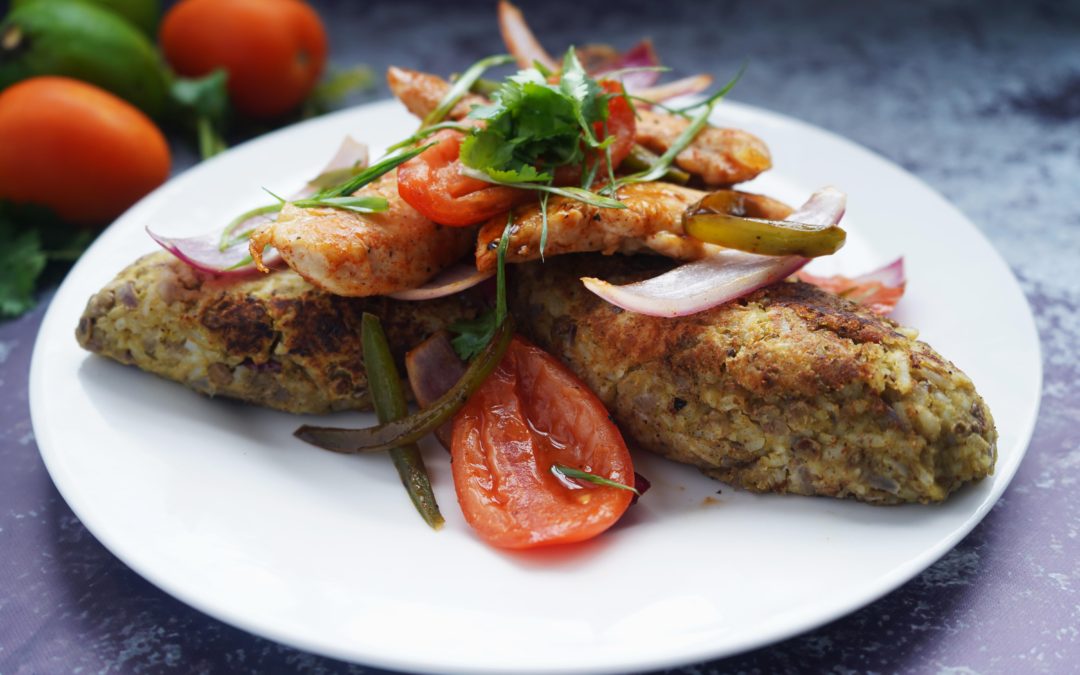
Tacu Tacu de Lentejas is a Peruvian pan fried cake made from cooked lentils and rice mixed with a sofrito of onion, garlic, and ají amarillo. Crispy on the outside, dense and creamy inside.

Tallarines Verdes Recipe (Peruvian Green Pesto Pasta) ES Disclosure: As an Amazon Associate I earn from qualifying purchases. Some links in this post are affiliate links, meaning I may earn a small commission at no extra cost to you. In my house, this dish never fails. The kids ask for it, the adults go back for seconds, and if I make enough, the leftovers turn into a different meal the next day alongside Papa a la Huancaina. I never have to cook anything new. That is the magic of Tallarines Verdes in my kitchen. It is one of the dishes I make most often, especially during the summer. I actually reached the point of keeping a basil plant at home because it makes total sense. During the season, it gives me enough leaves so I do not have to run to the supermarket every week, and the sauce always comes out fresher when the basil comes straight from the plant. At my grandmother Ismelda’s house, this dish always appeared at family gatherings. She would serve it with a crispy breaded steak right on top, and I would wait for it eagerly. This meal brings back memories of a full table, of family eating and laughing together. It is a simple dish that carries a lot of weight for me. What Are Tallarines Verdes? Tallarines Verdes is the Peruvian version of Italian pesto, a creamy green sauce made with basil, spinach, queso fresco, evaporated milk, onion, and garlic, tossed with pasta and usually served with a cut of meat. The connection to Italy is not a coincidence. During the 19th and 20th centuries, a significant wave of Italian immigrants arrived in Peru and brought their culinary culture with them. Over time, that influence adapted to local ingredients, and the classic Italian pesto transformed into something different and completely Peruvian. What distinguishes it from classic pesto is the texture and the flavor. The spinach softens the slight bitterness of the basil, the queso fresco replaces parmesan in the base to give it a unique creaminess, and the evaporated milk binds everything into a sauce that is smoother and less intense than Genovese pesto. The base ingredients are also sautéed in a pan before blending, which completely changes the flavor profile. Where to Find the Peruvian Ingredients in the US The ingredients for this recipe are incredibly easy to find in any American supermarket. Fresh basil is in the produce section, spinach is everywhere, and evaporated milk is readily available in the baking aisle. The queso fresco is the only item that might require a quick search, though most major chains now carry it in the Latin dairy section alongside brands like Cacique or La Vaquita. If you absolutely cannot find it, mild cotija cheese softened with a little extra milk is the closest substitute. If you have a balcony or a sunny window, I highly recommend keeping a basil plant. In the summer, it produces enough leaves to make this sauce regularly without relying on those small, expensive plastic clamshells from the store, and the difference in freshness is very noticeable. Tallarines Verdes is a creamy Peruvian pesto made with basil, spinach, queso fresco, and evaporated milk. It is smoother than Italian pesto and ready in 30 minutes. Tips for the Best Tallarines Verdes Blanch the leaves quickly and shock them in cold water You only need to boil the spinach and basil for exactly 45 seconds. Immediately plunging them into a bowl of ice water stops the cooking process and preserves that intense, vibrant green color. Cook the onion and garlic thoroughly before blending They need to be completely tender and translucent with no bitter bite left. Cook them over medium heat patiently for at least 5 minutes. If you blend them raw, the sauce will have a sharp, pungent onion flavor that never goes away. Blend until completely smooth The texture of this sauce must be smooth with no chunks. If your blender is struggling, stream the evaporated milk in slowly to help the blades catch the ingredients and process them down. Mix the pasta and sauce in a pan Do not just pour the cold sauce over plain pasta on the plate. Put the sauce in a large pan over low heat, add the cooked pasta, and toss well so every single noodle is completely coated. This integrates the flavor properly. The ingredients we will use for the Peruvian-style pesto are really easy to get It is important to let your ingredients cook down properly, otherwise they will be too moist. Once your Peruvian-style pesto is done, you can mix it with anything you want What to Serve With It Traditionally, this pasta is served with a breaded, pan-fried steak (apanado) right on top or on the side. That is how it was always served at my grandmother’s house. It also works perfectly with grilled chicken, a simple steak, or even just a heavy grating of parmesan cheese if you want a lighter meal. Serving Tallarines Verdes on the exact same plate as Papa a la Huancaina is one of the greatest combinations in all of Peruvian cuisine. If you have never tried it, that needs to be the next recipe you make. Storage The green sauce on its own stores beautifully in an airtight container in the refrigerator for up to 3 days. Pour a very thin layer of olive oil over the surface before sealing it to prevent oxidation and keep the bright color. When reheating, warm it gently in a pan over low heat, adding a small splash of milk if it has thickened too much. Pasta that has already been mixed with the sauce also stores well, though the noodles will absorb the sauce overnight and become much denser the next day. Frequently Asked Questions What is the difference between Italian pesto and Peruvian Tallarines Verdes? Italian pesto uses raw basil, pine nuts, olive oil, garlic, and parmesan, resulting in an oily, intense, and
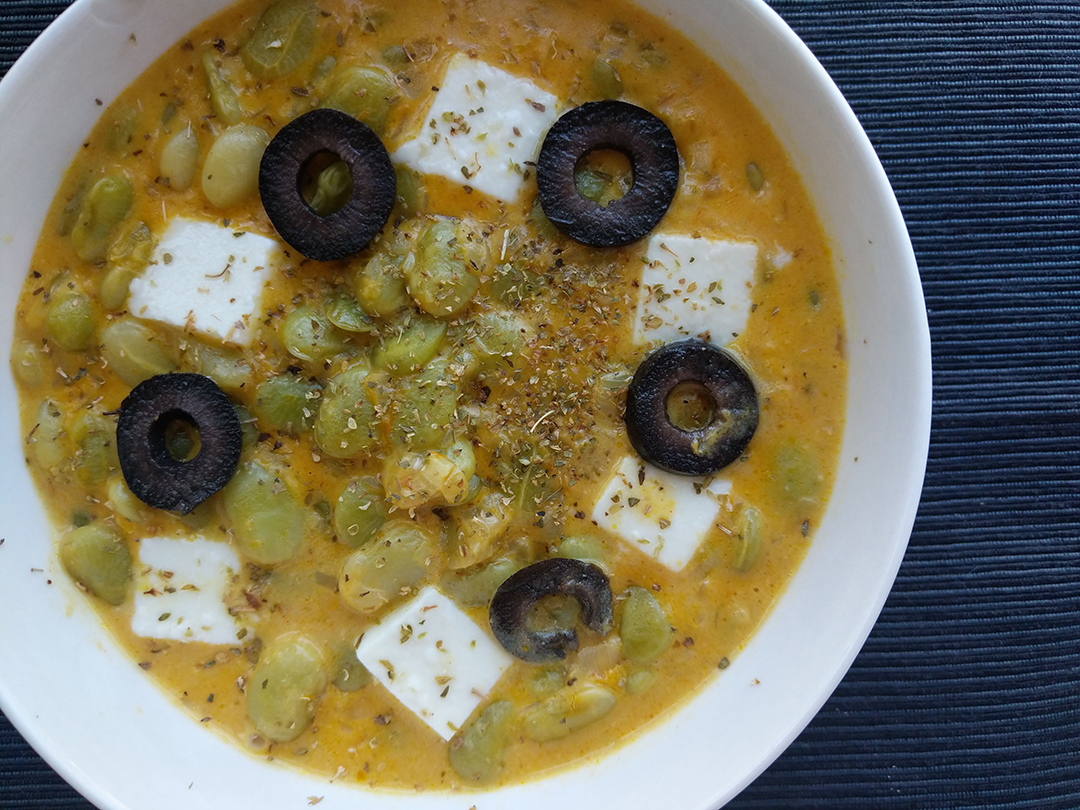
Dear Readers, I am excited to share this recipe with you, for those whose never try Lima beans before let me introduce you to this amazing ingredient, Lima Beans a.k.a “Pallares” is a bean originary from the Peruvia Region, the flavor is kind of bitter but a slight of sweetness, its also really starchy and creamy. Remember some of the tools/ingredients I use will be at the bottom of the post Picante de Pallares | Servings: 4 Ingredients : Steps : In a pot add water, Lima beans and a pinch of salt , let it cook for 10 min with a lid on or until tender , reserve In a pan add some oil , onions , garlic , Aji Amarillo paste , Huacatay and let it cook until tender Once cooked add , Lima beans, milk and let it reduce , let the beans absorb the juices. Turn off and add cheese and seasoning That is it guys , a tasty Lima Beans stew, This dish is rich on flavors, it has touch of spiciness, touch of sweet, touch of bitter and some saltiness , just perfect and I love it! , try it out you wont regret it! Some tools/ingredients used on this recipe:

Hello lovely readers today I am sharing with you my recipe of Maca Brownies , “Maca”(Lepidium meyenii) is plant native to Peru usually sell as powder or a supplement , Maca is really nutritious, it can increment the libido in men and woman, it can boost your energy and performance and more! , when I was kid it was hard for me to consume maca the flavor was really strong and kind of biter, I could not stand it. As a cook I try to explore new flavors and recipes that is why after some time decided to try maca again this time as part of a dessert. Some tools/Ingredients I used , will be at the bottom of the post Maca Brownie | Servings: 4 Ingredients : 200 gr of butter 120 gr of Dark Chocolate 2 Cups of White Sugar 4 eggs 3/4 Cup of All propose flour 1/4 Cup of Maca Powder Pinch of Salt Many people think that this recipe needs more Maca , but the truth is that Maca has a really strong flavor andthe flavor can be overwhelming. Steps: Set your oven at 350 F / 180 C Melt butter and chocolate in the microwave (30 seconds should be enough), integrate. Sift your dry ingredients and reserve. Beat eggs and sugar until sugar is dissolved then add butter and dry mix Integrate and then pour butter in a 9 inch cake tray and bake it for 40 min or until the center is cooked. After is cooked let it sit for 15 min on a ventilated area and then cut into small squares then sprinkle some icing sugar on top. That is it guys lovely dessert , simple to prepare , try it at home you will not regret it. Stuff used on this recipe: