
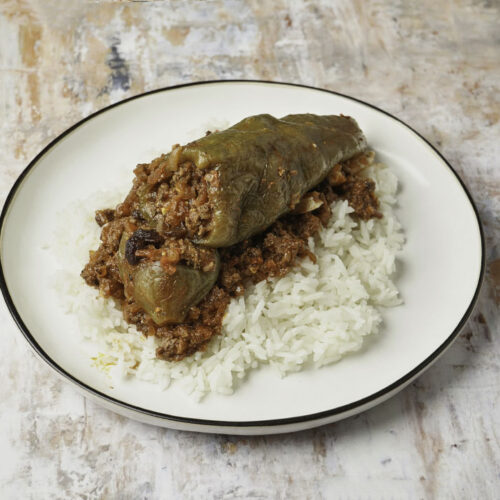
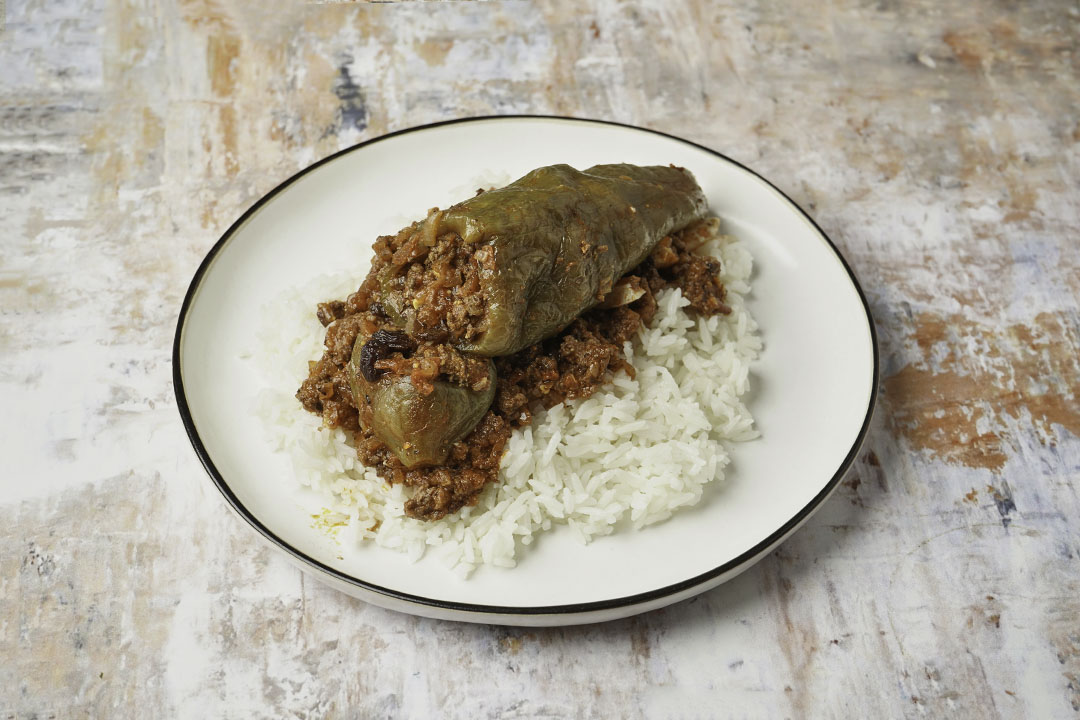
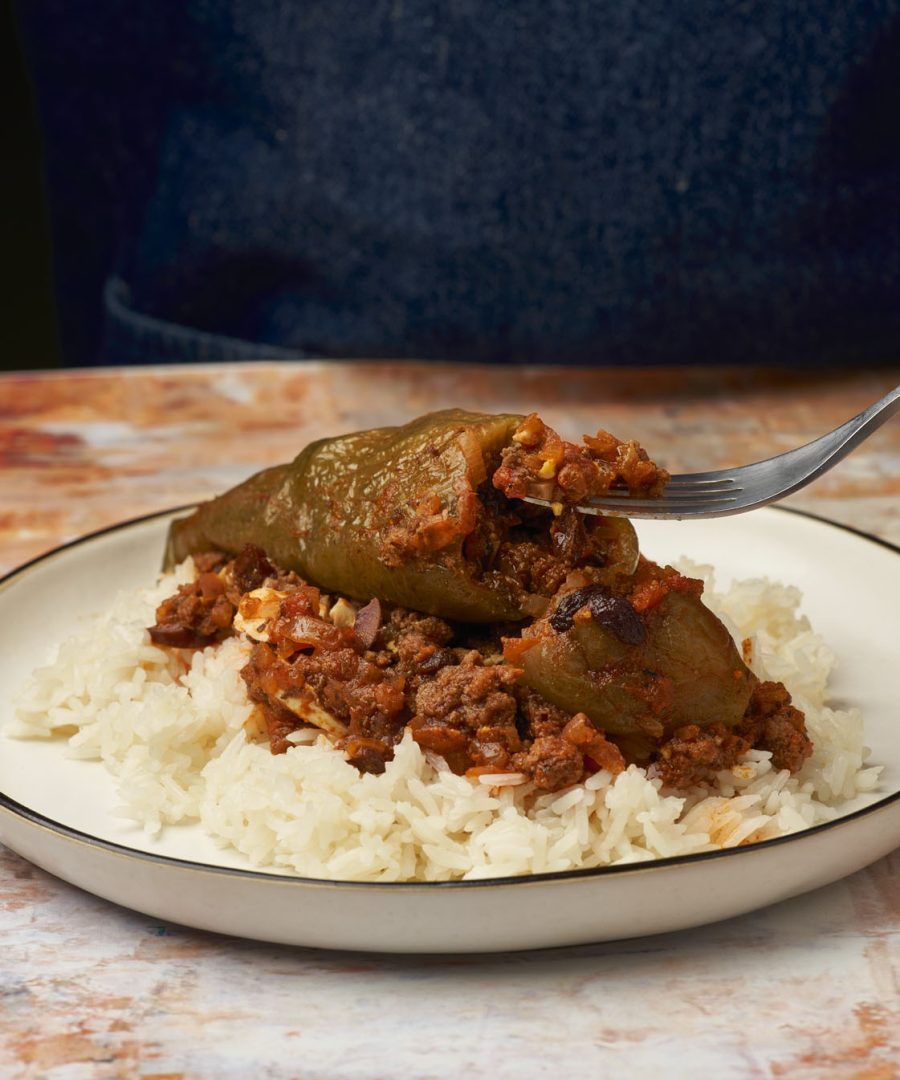
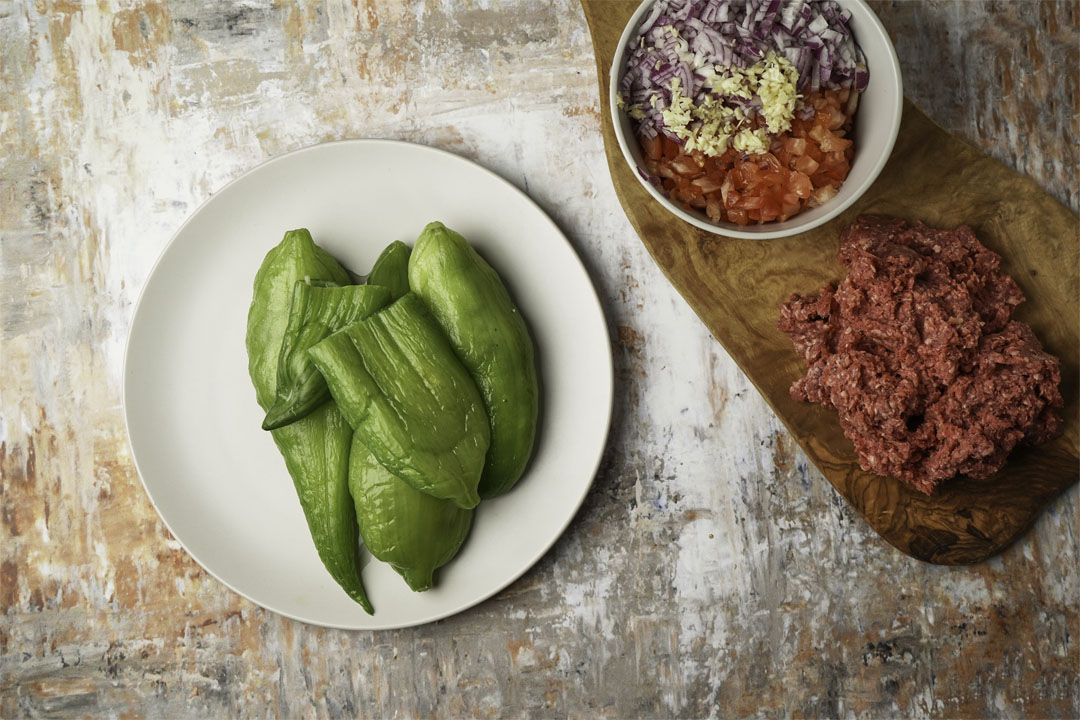
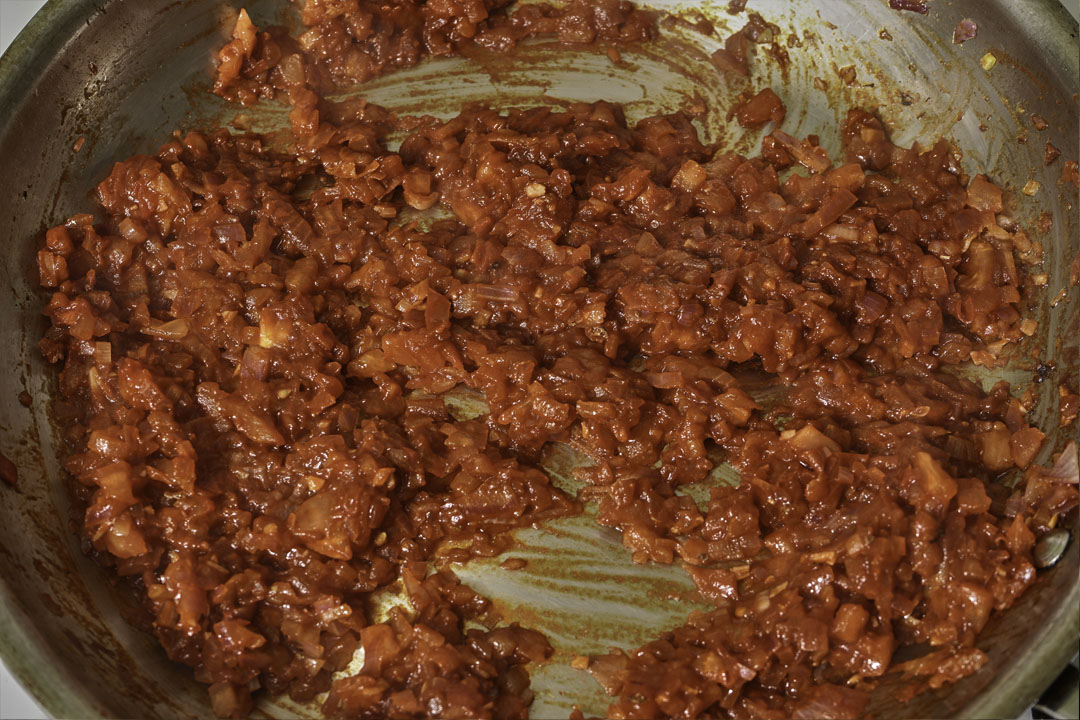
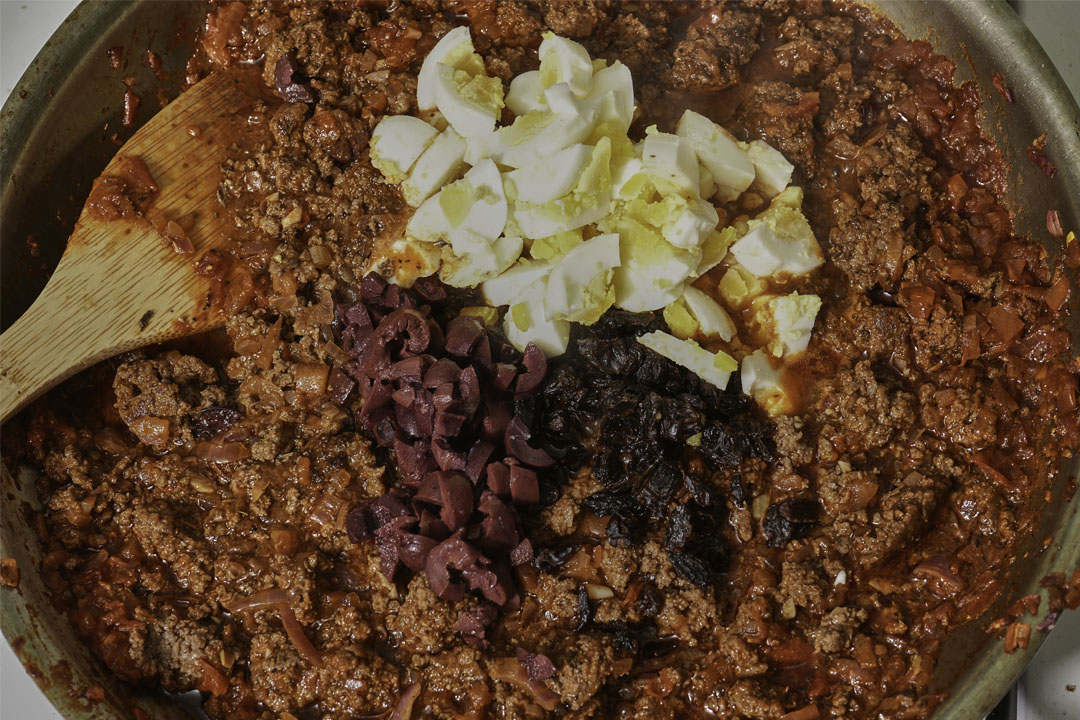
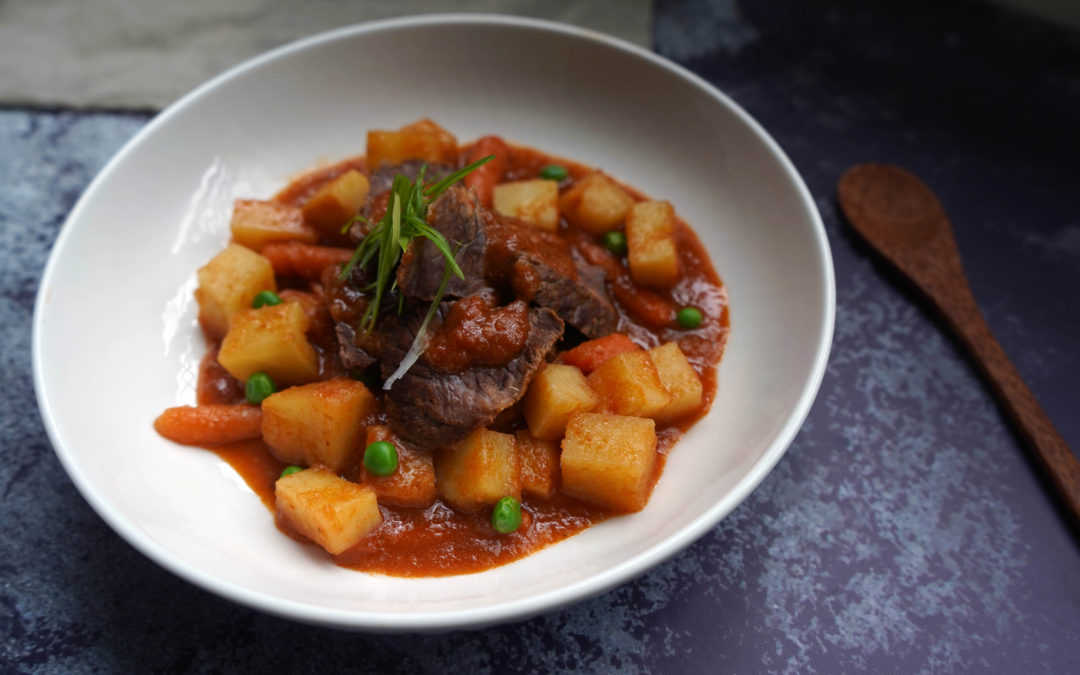
Today’s recipe is “Matasca” a delicious slow cooked beef stew, this dish is prepare in the region of Arequipa in Peru, this dish is also really simple and perfect for cold days. Some tools/Ingredients I used , will be at the bottom of the post Matasca | Servings: 4 Ingredients : This dish requires a cut of meat with some fat and fiber, we will stew the meat and let it cook for a long period of time Directions : In a hot pot add 3 tablespoon of oil, add your meat and let it brown for 2 min per side then reserve. In the same pot add onions, garlic, “aji panca paste” and let it cook for 7 min. Once its cooked add meat back, stock, vinegar, oregano, peppermint let it cook for at least 45 hour at low/medium heat. After that time passed check the meat and if its tender reserve if not let it cook longer Add the potatoes,carrots, green peas, seasoning and let it cook until potatoes are done and you are good to go Try this dish wit some white rice. Tools I used on this recipe
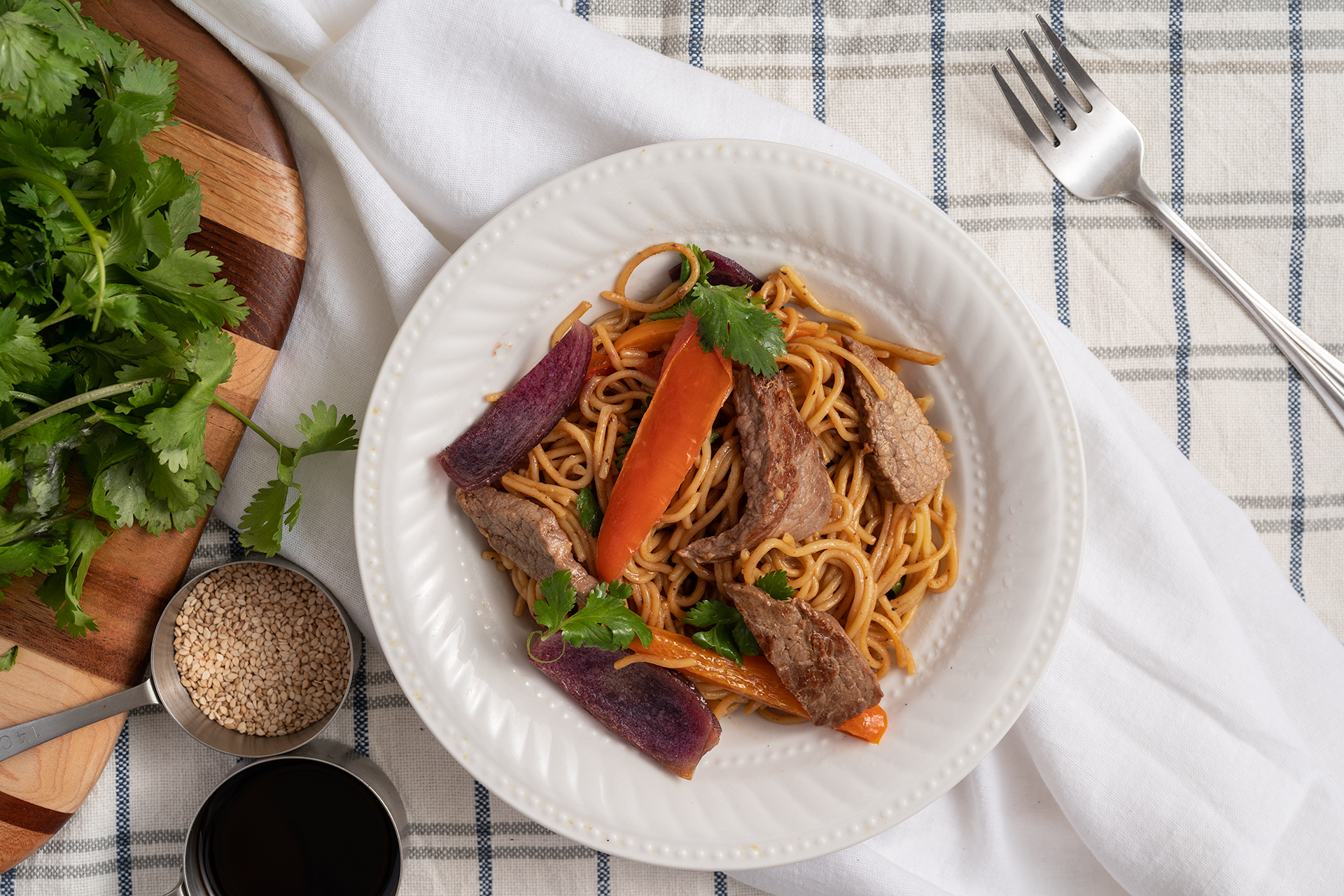
Tallarin Saltado is a quick beef stir fry server with pasta, simple and delicious.
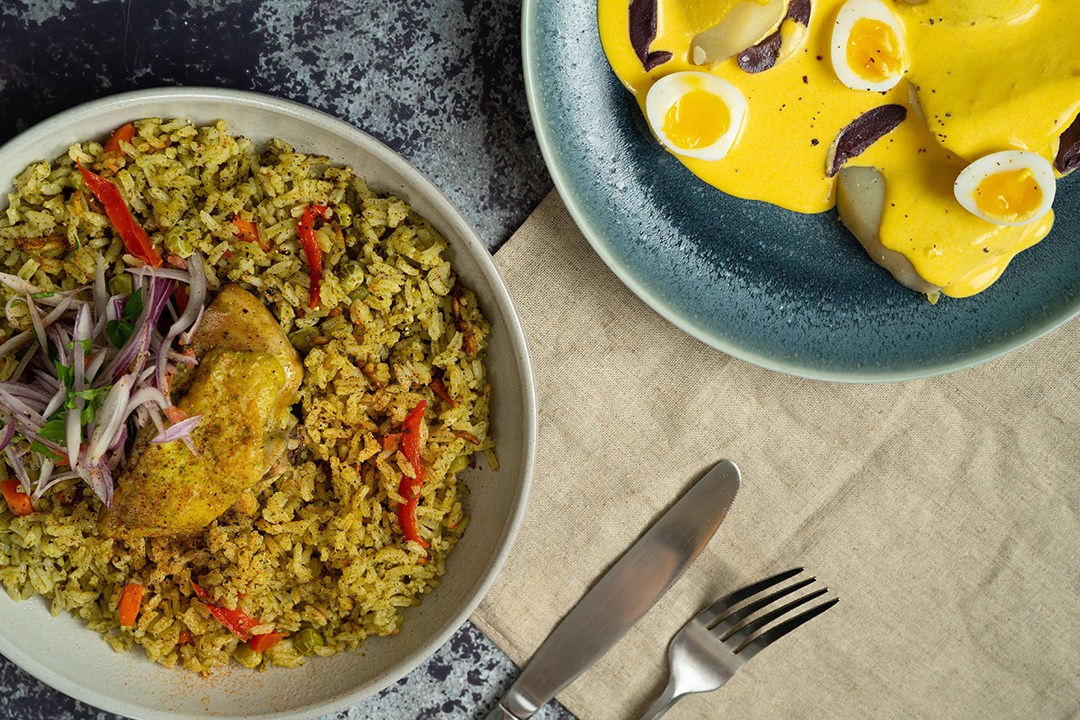
Arroz con Pollo Peruano (Peruvian style Chicken & Rice) ES Disclosure: As an Amazon Associate I earn from qualifying purchases. Some links in this post are affiliate links, meaning I may earn a small commission at no extra cost to you. Arroz con Pollo was my birthday dish. Every year, without fail, my grandma would make it for me. I remember the whole family sitting around a big table in Lima, my Abuelo Tito still alive and cracking his jokes, everyone laughing, the smell of cilantro filling the house before the pot even made it to the table. That bright green rice hitting the center of the table and everybody reaching for it at the same time. Good food, good people, and Abuelito’s jokes that never got old. That dish is tied to some of my best childhood memories. And every time I make it here in New York for my own family, that table comes back to me. Arroz con Pollo exists across almost all of Latin America, but the Peruvian version is its own thing entirely. The green color alone tells you this is different. That rice gets its color from a base of fresh blended cilantro and ají amarillo, and that combination is something no other Latin American version has. It is the flavor and the color that people always ask me about, and both of them come from the same place: the way Peruvians have always made this dish. This is that recipe, the one my grandma made, and the one I now make for my kids. What is Arroz con Pollo Peruano Arroz con Pollo is one of those dishes that shows up across all of Latin America, but the Peruvian version has its own identity that sets it apart from every other version on the continent. The difference that makes it unmistakable is the color. That bright green rice comes from a base of fresh cilantro blended with ají amarillo, cooked directly into the broth the rice absorbs. No other country does it this way. The Cuban and Dominican versions are built on sofrito with tomato and Spanish-influenced spices, which gives them a yellow-orange color. The Peruvian version uses fresh cilantro & spinach as the foundation, which gives it a herbaceous flavor and a green hue that surprises people the first time they see it on the plate. The ají amarillo adds a mild heat and an aroma that is immediately Peruvian. If you have ever eaten at a Peruvian restaurant in the US and thought the food tasted like nothing else you had tried before, ají amarillo is usually part of the reason. In Peru, this is a celebration dish. It gets made for birthdays, family reunions, and special Sundays, not because it is difficult, but because it takes time and attention. That time shows in the result. Where to Find the Peruvian Ingredients in the US The good news about this recipe is that almost everything you need is easy to find in the US. The one ingredient that trips people up is ají amarillo, and that problem is solved with Amazon. Ají Amarillo Paste: This is the most important ingredient in the dish. It is what gives the rice that greenish-yellow color and that unmistakably Peruvian flavor. I use Inca’s Food Aji Amarillo Paste. Peruvian brand, solid reviews, ships to any state. Chicken Broth: The rice absorbs every bit of liquid it cooks in, so the quality of the broth matters. Better Than Bouillon Chicken Base is my go-to. Concentrated, so a little goes a long way, and it makes a noticeably richer rice than a carton broth. Available at most grocery stores or on Amazon. Fresh Cilantro: In the fresh herb section of any American grocery store. Look for a bunch that is dark green and not wilted. Dry cilantro will not work here at all. You need fresh for the green color and the flavor. Chicken: Bone-in, skin-on thighs or drumsticks from any grocery store. Widely available and usually very affordable. Rice: Regular long-grain white rice works perfectly. Basmati and jasmine are both fine substitutes. Just adjust your broth amount based on whatever type you are using. Tender chicken cooked in a bright green cilantro and ají amarillo base, with colorful vegetables and perfectly cooked long-grain rice. The Peruvian version of this classic Latin American dish has a flavor and color unlike any other. One pot, real ingredients, and the recipe that shows up on every Peruvian birthday table. Tips for Papa Rellena That Doesn’t Fall Apart Mash the potatoes while they’re still hot. Hot potatoes hold their moisture; mashing them hot keeps that moisture in the dough so it stays together instead of cracking. This is the single most important step. If the dough is too dry, fix it with an egg yolk. Depending on your potatoes, the dough can turn out too starchy or grainy. One egg yolk (or two) brings it back together. Don’t add water; it makes the dough sticky and weak. Use starchy potatoes. In the US, russets are your best friend here, and Yukon Golds work well too. Waxy potatoes (red potatoes, fingerlings) make a dough that won’t hold. Stuff and seal it properly. People are afraid it will fall apart in the oil, but if you seal the seams well and dust it evenly in flour, you won’t have to worry. Wet your hands slightly, close the dough completely around the filling, and smooth every crack. Let the filling cool before stuffing. Hot filling steams inside the dough and pushes it open in the fryer. Cook the beef first, let it cool while you work the potatoes. Fry at the right temperature. Around 350F (175C). Too cold and the papa drinks oil; too hot and it colors before heating through. Fry until golden, then rest at least 3 minutes before serving. If you don’t want to deep fry, you can pan fry. Not identical results, but it works. This dish is
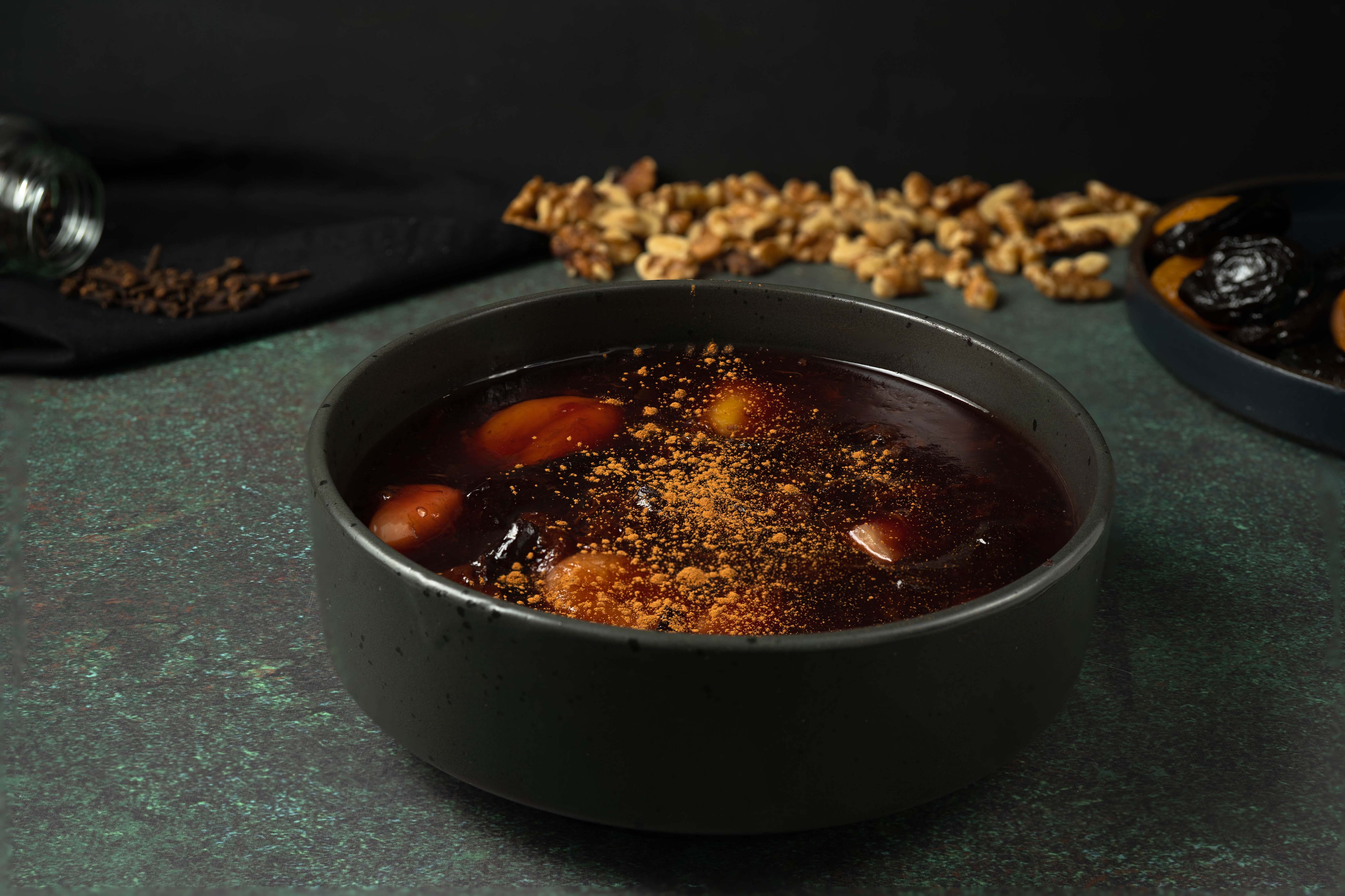
“Mazamorra Morada” is a purple porridge, it has aromas, combined with fruits and spices making it one of the best Peruvian desserts.
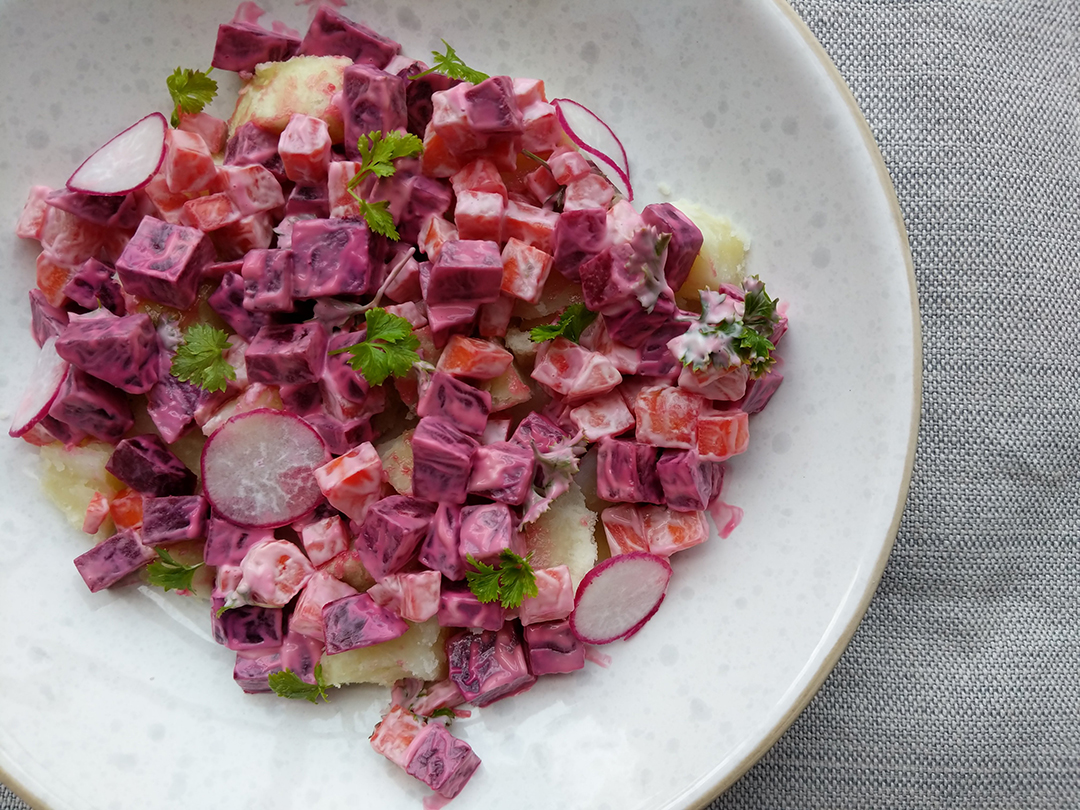
Ensalada Rusa is a Peruvian creamy salad with beets, carrots, potatoes, and homemade mayo.
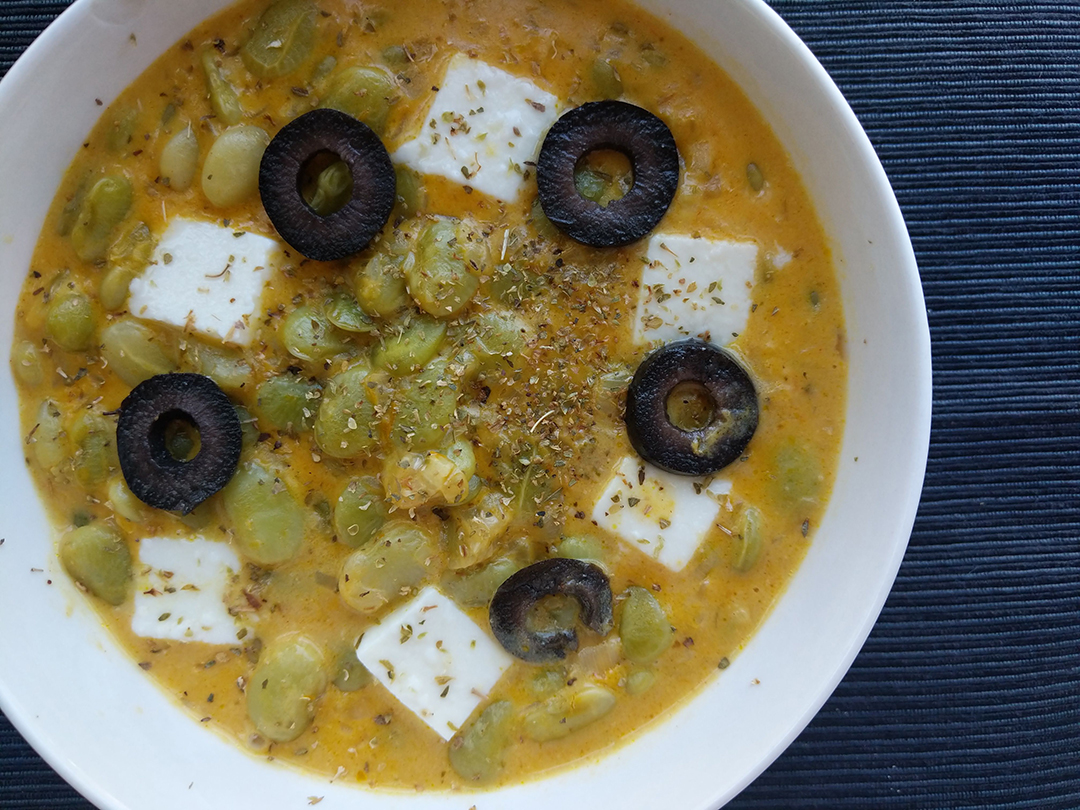
Dear Readers, I am excited to share this recipe with you, for those whose never try Lima beans before let me introduce you to this amazing ingredient, Lima Beans a.k.a “Pallares” is a bean originary from the Peruvia Region, the flavor is kind of bitter but a slight of sweetness, its also really starchy and creamy. Remember some of the tools/ingredients I use will be at the bottom of the post Picante de Pallares | Servings: 4 Ingredients : Steps : In a pot add water, Lima beans and a pinch of salt , let it cook for 10 min with a lid on or until tender , reserve In a pan add some oil , onions , garlic , Aji Amarillo paste , Huacatay and let it cook until tender Once cooked add , Lima beans, milk and let it reduce , let the beans absorb the juices. Turn off and add cheese and seasoning That is it guys , a tasty Lima Beans stew, This dish is rich on flavors, it has touch of spiciness, touch of sweet, touch of bitter and some saltiness , just perfect and I love it! , try it out you wont regret it! Some tools/ingredients used on this recipe: