Disclosure: As an Amazon Associate I earn from qualifying purchases. Some links in this post are affiliate links, meaning I may earn a small commission at no extra cost to you.
Before I ever cooked in a professional kitchen in the US, I spent hours in a Chinese fast food restaurant in Lima making nothing but Arroz Chaufa. Six hours a day, wok in hand, batch after batch. That was the whole job. It sounds repetitive because it was, and it taught me everything I needed to know about this dish.
You learn things fast when you make the same dish hundreds of times. You learn what the rice sounds like when it is toasting correctly versus when the temperature has dropped and it is starting to steam. You learn how much oil, how much movement, how much patience each batch needs. You learn that the people who throw everything into a rice cooker or cook the rice with soy sauce to save time are not making Arroz Chaufa. They are making something else.
Some places that I also worked with a wok were in a Japanese restaurant, a global gastropub, and a kitchen that mixed Asian technique with French cooking. Sautéing has been part of my cooking for a long time. But those six hours a day in Lima are where I really understood what a wok can do when you treat it correctly.
This is the recipe that comes from all of that.
What Is Arroz Chaufa?
Arroz Chaufa is Peruvian fried rice, part of the Chifa culinary tradition born from Chinese immigration to Peru during the 19th and 20th centuries. The name comes from the Cantonese chǎofàn, meaning stir fried rice. It is one of the most common dishes in any Chifa restaurant in Lima and is served as a side dish or main course depending on the restaurant.
What makes the Peruvian version distinct from fried rice you find elsewhere is the combination of fresh ginger, abundant scallions, soy sauce, and a touch of sugar that balances the saltiness. The result is a rice with layered flavor that does not taste like anything else. The technique is the same as Chinese fried rice but the flavor profile is unmistakably Peruvian.
Peruvian vs. Cuban Papas Rellenas, What's the Difference?
If you’ve seen “papas rellenas” in the US before, chances are it was the Cuban version, round potato balls stuffed with picadillo, popular in Miami and Tampa. The Peruvian papa rellena is a different dish, and the difference matters:
Shape: Peruvian papa rellena is elongated and oval, like a large croquette or a stuffed potato torpedo. Cuban papas rellenas are round balls.
The filling: This is the big one. What makes it Peruvian is ají panca in the beef filling. It gives the meat that dark color, smoky aroma, and unmistakable flavor no other spice can replace. The classic filling also includes hard-boiled egg, black botija olives, and sometimes raisins.
How it’s served: Always with sarza criolla (pickled red onion salad) and a slice of lime. That acidity against the fried potato is the whole point.
Nowadays you can find versions filled with chicken, seafood, even vegetarian fillings, but the classic always comes back to ground beef with ají panca.
Where to Find the Peruvian Ingredients in the US
Most ingredients for this recipe are easy to find in any American grocery store. Fresh ginger is in the produce section, soy sauce is in every aisle, and eggs need no introduction.
Sesame oil is the ingredient that may require a bit more searching. Look for it in the Asian foods section of larger supermarkets or at any Asian grocery store. It is a finishing oil, not a cooking oil, and the difference it makes in the final dish is significant. A few drops at the end is all you need.
For the equipment, this is one of the few recipes where what you cook in genuinely affects the result. A wok or a cast iron pan are the two best options. Both retain heat well and give you the surface temperature you need to toast the rice properly instead of steaming it. (Affiliate link: wok on Amazon) (Affiliate link: cast iron pan on Amazon)
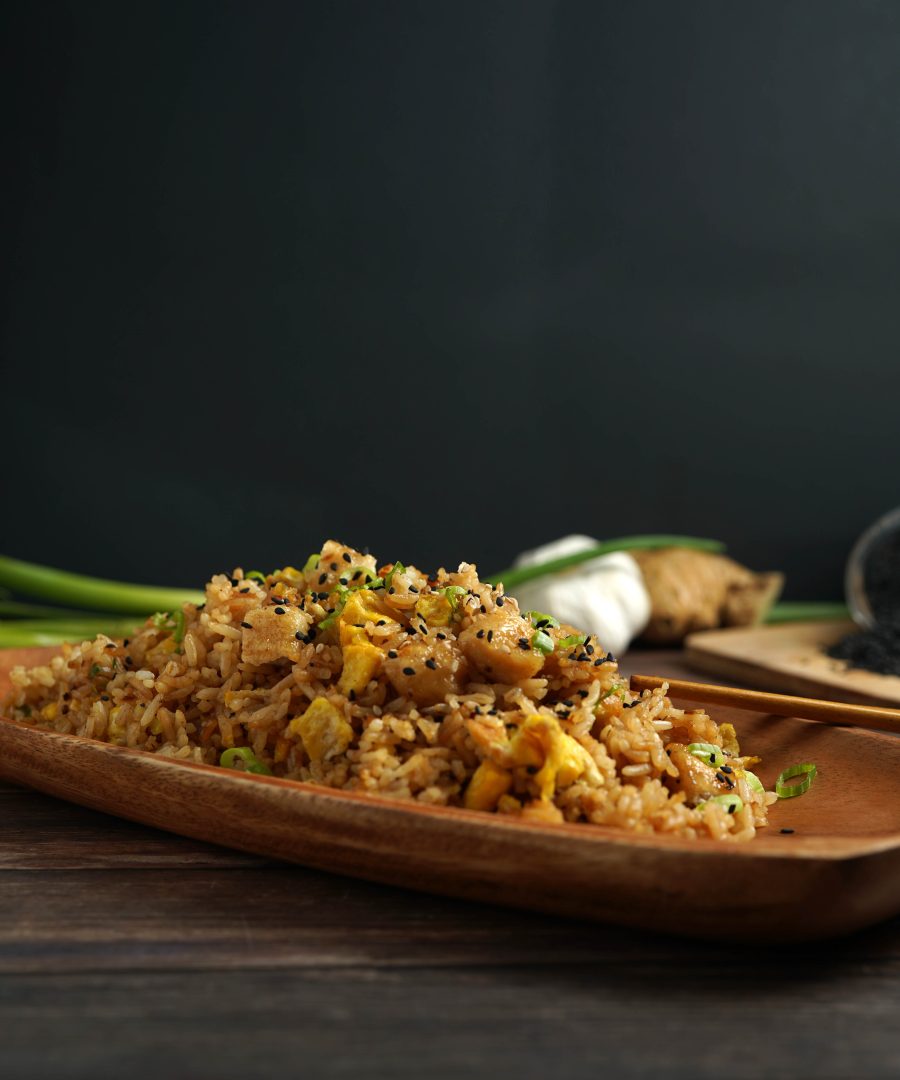
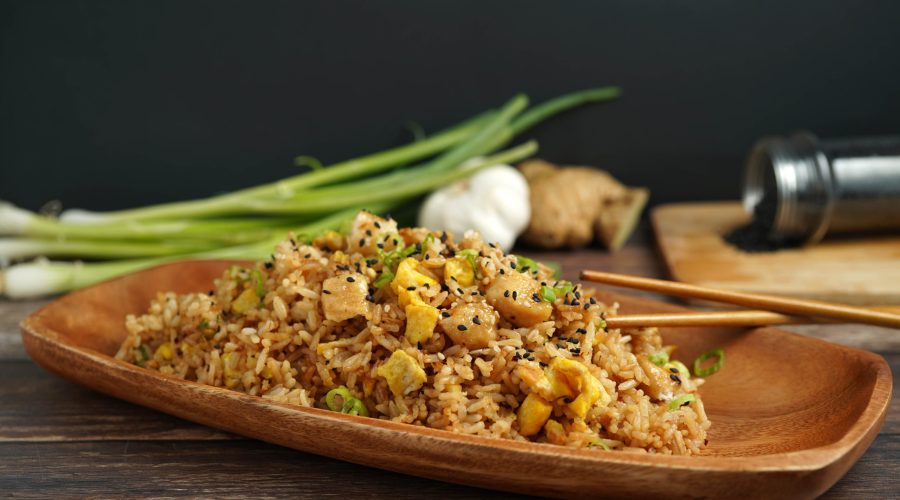
Arroz Chaufa is Peruvian Chifa fried rice made with chicken, scrambled egg, fresh ginger, scallions, and soy sauce. Cooked in batches in a hot wok so the rice toasts properly and stays loose. The authentic recipe ready in 35 minutes.
Course Main Course
Cuisine peruvian
Keyword chaufa, chaufalan, chifa, peruvian food
Prep Time 25 minutesminutes
Cook Time 10 minutesminutes
Total Time 35 minutesminutes
Servings 4people
Author Brandon Castillo
Equipment
Wok
Ingredients
3cupsof Rice
4cupsof Chicken broth
1Chicken breast in cubes
4tbspof minced garlic
4tbspof minced ginger
1.5cupsof Spring onion leaves chopped
6tablespoonsof Soy Sauce
1teaspoonof Sesame oil
5Eggsbeaten
Salt and Pepper(to taste - only if needed)
2tbspSugar
Instructions
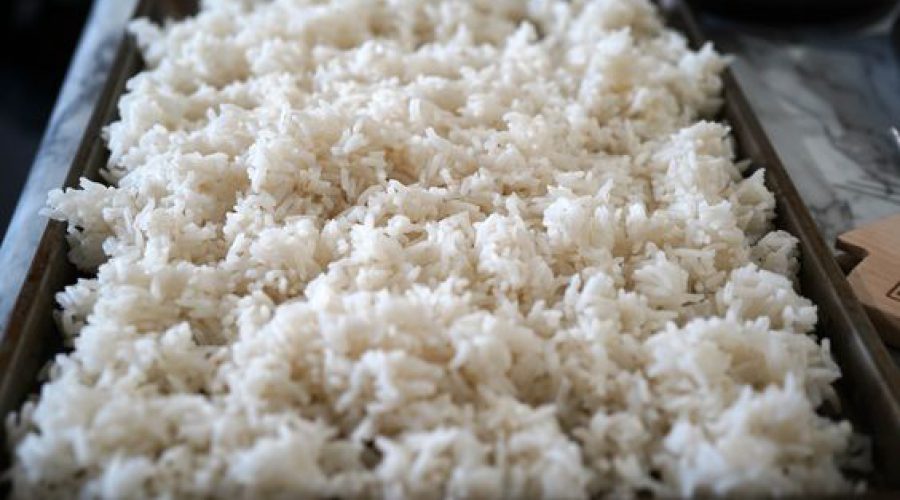
Cook rice with 1 tbsp of ginger, garlic, salt and the 4 cups of chicken broth, then transfer to a tray and let it cool for at least 15 min.
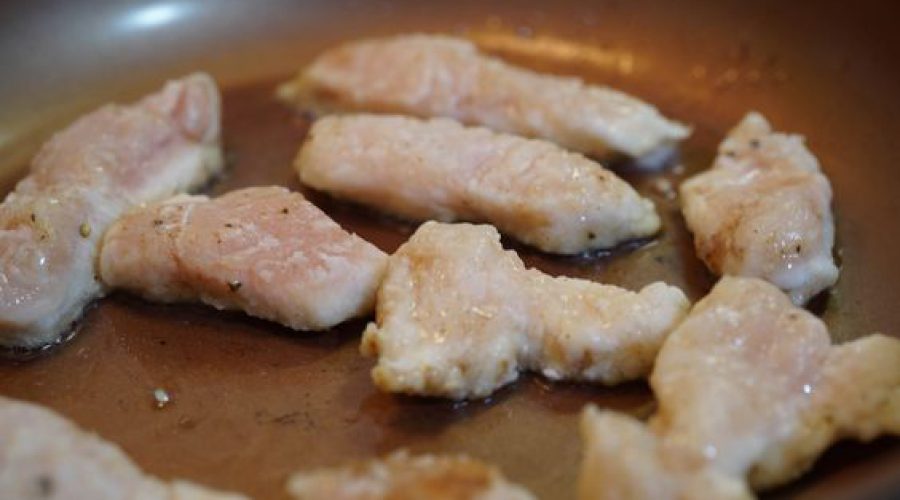
In the same pan add 2 tablespoons of oil then let it get hot after that add your chicken, cook it 2 min per side then reserve.
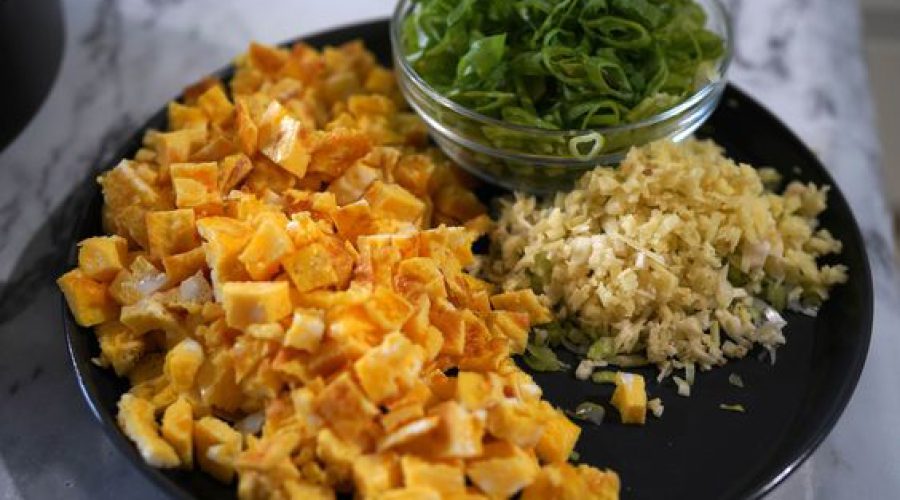
In a pan add 1.5 tablespoons of oil cook your beaten eggs then cut them into cubes, then reserve.
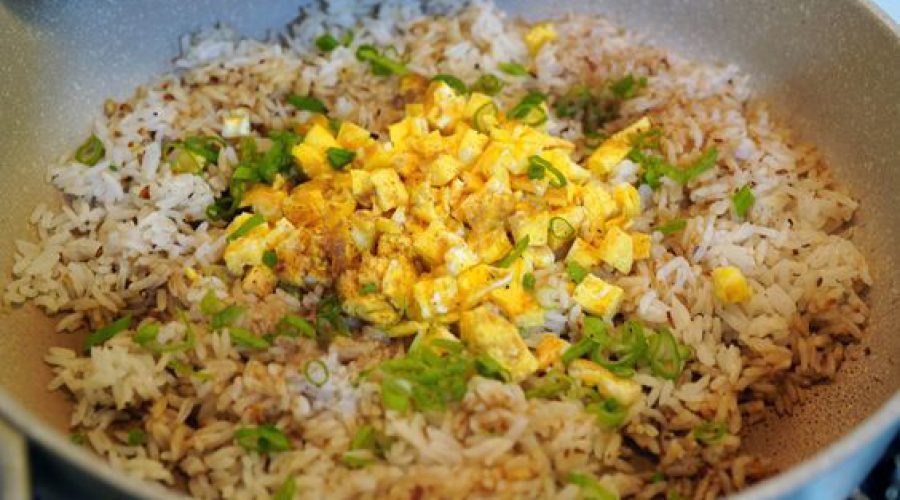
Now its time to prepare the Chaufa in the same pan add one tablespoon of oil add 1 tablespoon of ginger and 1 tablespoon of garlic let it cook then add some of the cooked rice about 1.5 cups then let it toast for at least 2 min stir softly
Then add the other ingredients some of the egg, chicken, 1.5 tablespoons of soy sauce, some of the spring onion leaves and end the dish with some drops of sesame oil, salt, and pepper. give it a quick stir and serve while hot.
Notes
Remember this was just for one batch, you got to repeat the process for every serving.
My go-to list of authentic ingredients and essential kitchen gear. Read the Guide
Use cold refrigerated rice: This is the single most important tip in the recipe. Freshly cooked rice has fragile, moist grains that break apart in the wok and turn sticky. Rice that has been cooked, spread on a tray to cool, and refrigerated for at least a few hours or overnight has firm grains that toast correctly. Plan ahead on this one.
Cook in batches: This is the rule that most people ignore and the one that makes the biggest difference. If you put all the rice in the wok at once the temperature drops and you get steam instead of a sear. Cook about 1.5 cups at a time, let it toast for at least two to three minutes undisturbed, then add the remaining ingredients for that batch. Repeat the process for each serving.
Do not add salt. Soy sauce already carries significant sodium. Adding salt on top risks making the dish too salty. Taste at the end and adjust with soy sauce only if needed.
Add sesame oil at the very end. A few drops off the heat right before serving. Sesame oil loses its flavor quickly at high temperatures. If it goes in at the beginning it contributes nothing to the finished dish.
Have everything ready before the wok gets hot. The chicken cooked and cubed, eggs beaten, ginger and garlic minced, scallions chopped, soy sauce measured. The wok moves fast and does not wait. If you stop to prep something mid-cook the rice burns. Mise en place is not optional here.
I had the opportunity to work in some Asian restaurants, every restaurant had its own unique way of making Fried rice but none of them added salt to the rice.
They did not salt the rice since Soy sauce (and other ingredients) add sodium to the dish and if you add salt, the dish can end really salty.
having all the ingredients ready is a must-do when making this dish, Pan/Wok should be hot and ingredients will burn if you do not have your mise en place.
What to Serve With Arroz Chaufa
Arroz Chaufa works as a main course with the chicken already integrated or as a side dish alongside other Chifa plates. In Lima it is served next to Kam Lu Wantan, Tallarin Saltado, or Pollo Saltado for a full Chifa spread at home.
The dish is also highly customizable. Swap the chicken for shrimp, pork, or vegetables. Add more egg if you want it richer. The technique stays the same regardless of what protein you use.
Storage
Store leftovers in an airtight container in the refrigerator for up to 3 days. Reheat in a hot wok or skillet with a few drops of oil rather than the microwave to recover some of the toasted texture. The microwave works but the rice turns soft and loses the characteristic bite.
Leftover Arroz Chaufa the next day in a hot pan with a fried egg on top is one of the best things you can do with leftovers. Do not throw it away.
Frequently Asked Questions
What type of rice works best? Long grain rice cooked and cooled. Short grain rice tends to clump in the wok. Jasmine rice works particularly well for this recipe because of its slightly floral aroma and firm texture when cold.
Can I make this without chicken? Yes. Shrimp, pork, or vegetables all work with the same technique. You can also make it with just egg if you want something lighter. The wok technique and timing stay the same regardless of the protein.
Why is my rice not toasting? Almost always one of two things. Either the rice was too warm and moist when it went in, or you put too much in the wok at once and the temperature dropped. Cold rice and small batches are the two factors that control the result more than anything else.
Can I use regular soy sauce or do I need a specific kind? Regular soy sauce works perfectly. If you want a deeper color and more umami, add one tablespoon of dark soy sauce alongside the regular. That is what some Chifa restaurants do to give the rice a richer color without overpowering the flavor.
Is sesame oil necessary? It is not strictly required but it makes a real difference in the final flavor. It is the finishing touch that brings the dish closer to what you get in a Chifa. If you do not have it the dish is still good, but it is worth buying for this recipe and keeping in the fridge for other Chifa dishes.
What is the difference between Arroz Chaufa and regular fried rice? The technique is the same but the flavor profile is distinct. Arroz Chaufa uses fresh ginger, scallions, and a touch of sugar that you do not typically find in Chinese or other Asian fried rice versions. The result tastes specifically Peruvian even though the technique is Chinese in origin.
Brandon Castillo - Peruvian Chef & Recipe Developer
Brandon Castillo is a Peruvian chef and recipe developer based in New York. Born and raised in Peru, he shares authentic Peruvian recipes adapted for home cooks in the United States. You can find him on Instagram, TikTok, and YouTube @chewinghappiness.
Made this at home?
Leave a comment below. And if you want to build a full Chifa spread, the Kam Lu Wantan and Tallarin Saltado use the same wok technique and come together fast.