Disclosure: As an Amazon Associate I earn from qualifying purchases. Some links in this post are affiliate links, meaning I may earn a small commission at no extra cost to you.
My family made Pollo Saltado on the nights when no one felt like cooking. It was fast, it was cheap, and it hit every flavor you wanted. The thing is, I watched them make it many times growing up, and they always skipped steps. The smoke, the sear, the timing on the vegetables. They got a good dish. Not the best version of it.
When I trained at culinary school in Lima, I finally understood what the dish was actually asking for. Pollo Saltado is a variation of Lomo Saltado, swapping beef for chicken. It is a smarter, more affordable version that does not give up anything in terms of flavor when you cook it right. The smokiness you want, the tender protein, the punch of acid and heat in the same bite. It is all there, as long as you treat it seriously.
That said, my mother later in life learned how to sauté, and she never went back to her old ways, she always sautee the chicken and veggies to get that extra smoked flavor.
What Is Pollo Saltado?
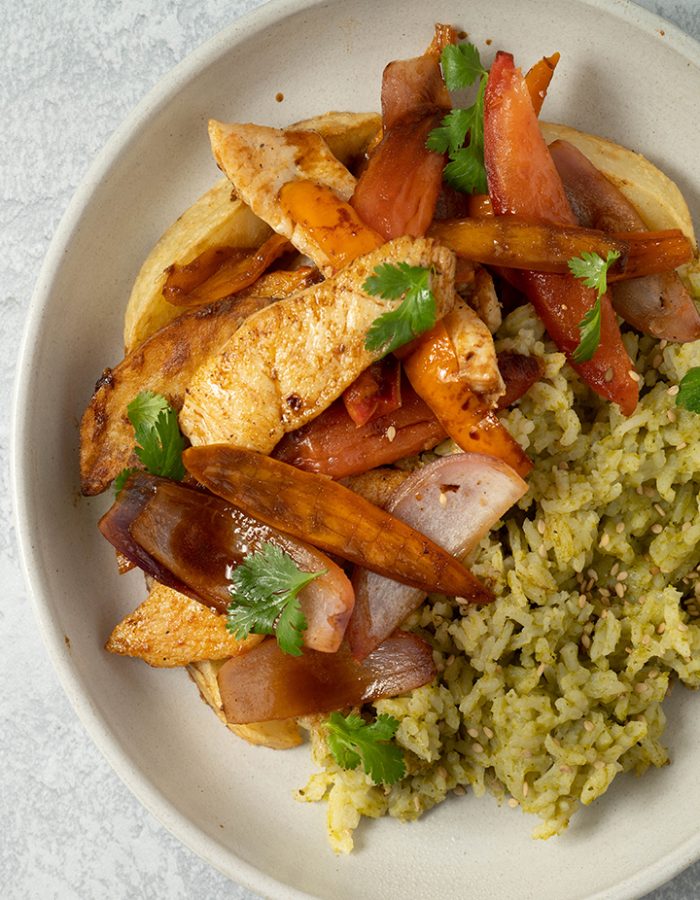
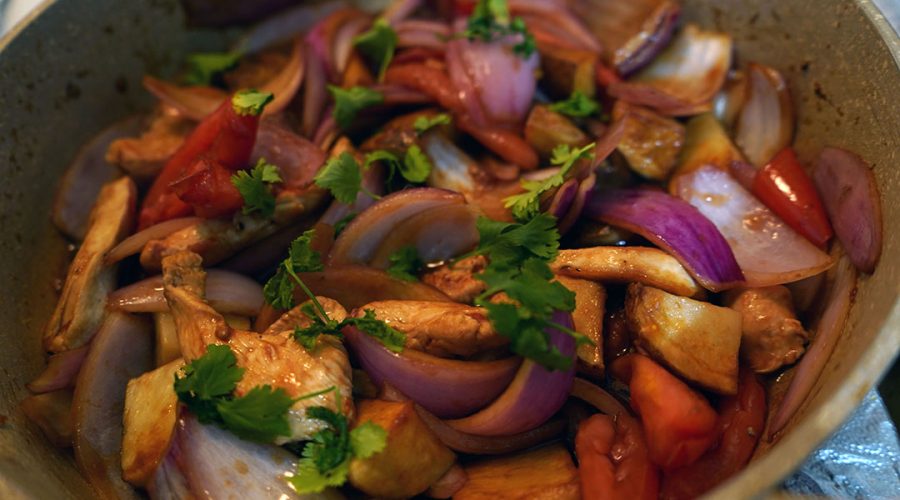
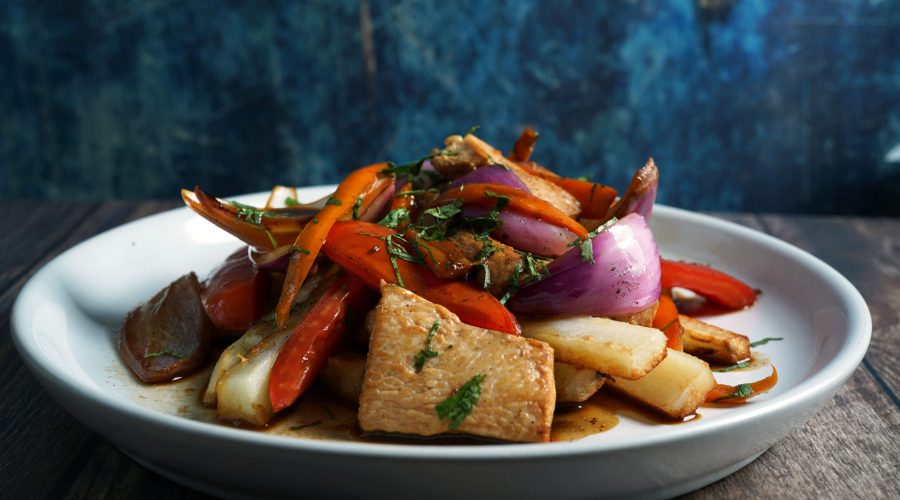
Pollo Saltado is a Peruvian stir fry made with chicken, tomatoes, red onion, ají amarillo, soy sauce, vinegar, and french fries. It is one of the most common weeknight dishes in Peru and part of a culinary style called Chifa, the blend of Peruvian and Chinese cooking that shaped much of Peruvian everyday food.
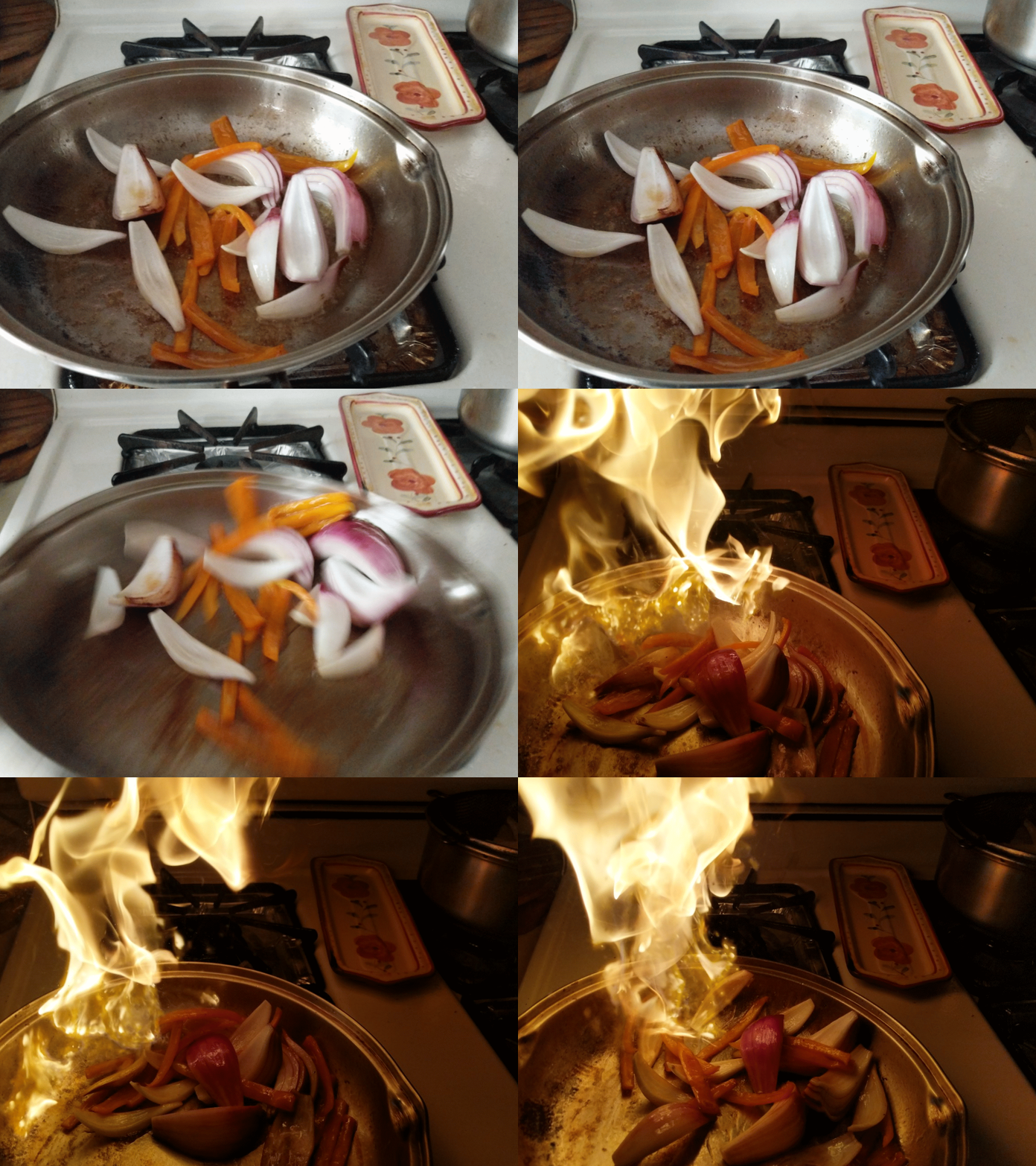
Like Lomo Saltado, the goal is heat and speed. You want the wok screaming hot so the ingredients char at the edges before they cook through. That is where the smoky flavor comes from, not from a spice or a sauce, but from the technique. Peruvians call it el humo del wok, the smoke of the wok, and it is the thing that separates a true saltado from a stew.
Where to Find the Peruvian Ingredients in the US
Ají amarillo is the ingredient that defines the flavor of this dish. It is a Peruvian yellow pepper with fruity heat and a color that gives the whole plate its warmth. In Peru you grab it fresh from any market. Here in the US it takes a little more effort.
Your best option is ají amarillo in a jar/can. it gives you the same flavor. Once I open it, I transfer it to a container and I keep it in my fridge and use it in everything from saltados to sauces. (Link Ají amarillo on Amazon)
You can try to find it in the frozen section of your favorite Latin American supermarket, but if you cannot find it at all, a jalapeño or orange bell pepper mixed with a small amount of hot sauce is a workable substitute. It will not be the same, but it keeps the spirit of the dish.
Pollo Saltado is a Peruvian stir fry chicken dish made with ají amarillo, soy sauce, vinegar, tomatoes, and french fries. Fast, smoky, and built on the same technique as Lomo Saltado.
Course Main Course
Cuisine peruvian
Keyword pollo saltado
Prep Time 7 minutesminutes
Cook Time 8 minutesminutes
Total Time 15 minutesminutes
Servings 4People
Equipment
Wok
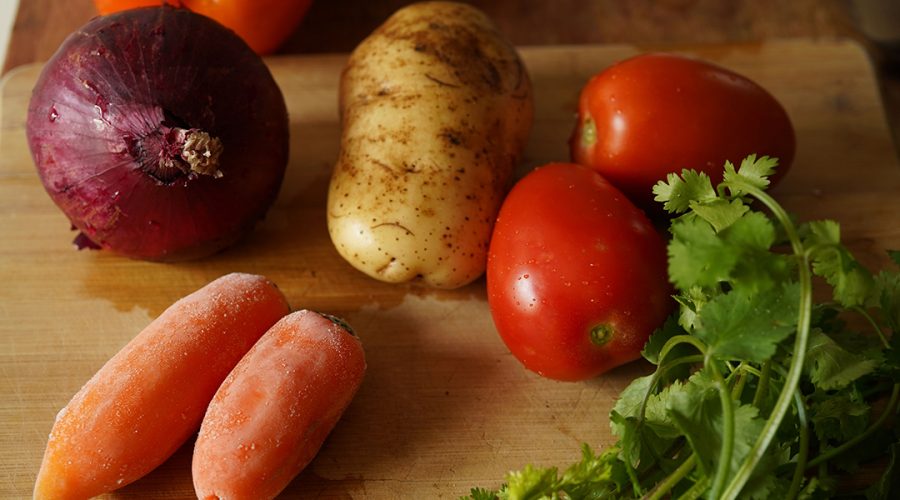
Ingredients
3tbspVegetable Oil
500grChicken Breast (1.1lb)Strips
3unitTomates Wedges
2unitRed Onion Wedges
2unitAjies AmarillosJulianne
2tbspWhite Vinegar
5tbspSillao/Salsa de Soja
1/4cupCilantro Leaves
Salt and Pepper
4portionsFrench fries
Instructions
Cut veggies and reserve (make them have the same size for uniform cooking)
In a wok or hot pan add oil, then the chicken let it cook for 1 minute per side, sauté or make circular movements with the pan, reserve.
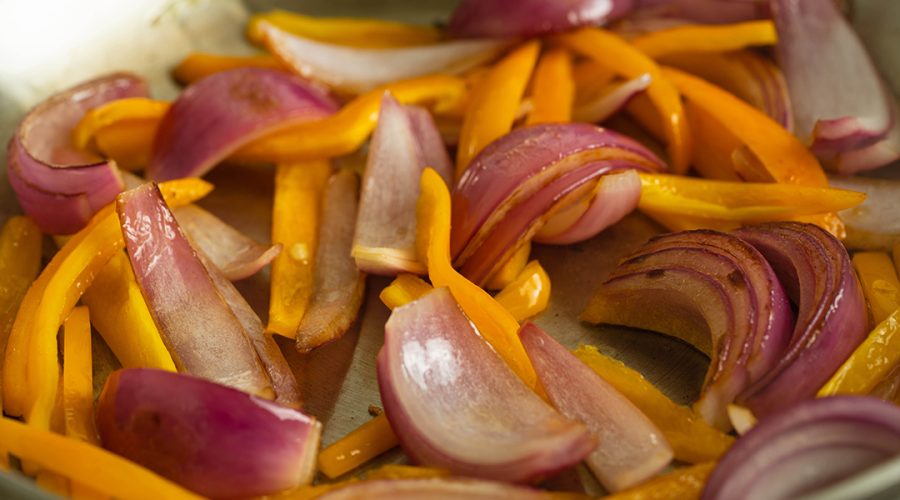
Add onions, Ají and let them cook for 2 minutes add tomato, chicken, sauté, add sauces, sugar vinegar, salt, and pepper.
Mix with french fries, add the cilantro and its good to go
My go-to list of authentic ingredients and essential kitchen gear. Read the Guide
Cook in batches; this is the most important thing: If you crowd the pan, the oil temperature drops and you steam instead of sear. You want char, not moisture. Cook the chicken alone first, set it aside, then work through the vegetables in stages.
Use a wok or the widest, heaviest pan you have: Surface area and heat retention are everything here. A thin skillet will let the temperature fall too fast.
Do not overcook the tomatoes; They go in last and only need about a minute. You want them to hold their shape and release just a little juice into the sauce, not turn to mush.
Cut everything the same size; Uniform cuts mean uniform cooking: Thick onion wedges next to thin tomato slices will give you one overcooked and one undercooked ingredient every time.
Season as you go: Taste after adding the soy sauce and vinegar before you adjust salt. Sillao is already salty and you can go too far fast.
I always look for fresh ingredients on my local market for the Aji Amarillo; you can find it frozen or in a jar/can.
If for some reason you want to skip the Aji Amarillo, then you won’t be making a Pollo Saltado, but you could use a bell pepper as a replacement; a Jalapeno would be the closest match in my opinion.
This dish cooks really fast, especially if everything is cut to bite-sized pieces, so keep that in mind before you start; have everything ready.
What to Serve With It
Pollo Saltado is traditionally served with french fries mixed directly into the stir fry and white rice on the side. The fries absorb the sauce and become part of the dish. They are not a garnish.
If you want to keep it simple, a plate of Arroz Blanco alongside is all you need. For a full Peruvian spread, pair it with a Rocoto Sauce or Aji de Polleria on the side.
Storage
Store leftovers in an airtight container in the refrigerator for up to 3 days. The fries will soften overnight, which some people prefer. Reheat in a hot skillet rather than the microwave to bring back some of the texture. The chicken reheats well and the sauce stays flavorful.
Frequently Asked Questions
Can I use chicken thighs instead of chicken breast? Yes, and many cooks prefer it. Thighs are more forgiving on high heat and stay juicier. Cut them into strips the same way you would a breast.
What is the difference between Pollo Saltado and Lomo Saltado? The only real difference is the protein. Lomo Saltado uses beef sirloin. Pollo Saltado uses chicken. The technique, vegetables, and sauces are the same. Pollo Saltado tends to be cheaper and cooks faster.
Can I skip the french fries? Technically yes, but you are changing the dish. The fries are structural. They soak up the soy and vinegar sauce and become part of the stir fry. Without them, serve over rice and call it a chicken saltado bowl.
My dish came out watery. What went wrong? Almost always a crowding issue. Too much protein in the pan drops the oil temperature and you get steam instead of sear. Cook in smaller batches and make sure your pan is fully hot before anything goes in.
Brandon Castillo - Peruvian Chef & Recipe Developer
Brandon Castillo is a Peruvian chef and recipe developer based in New York. Born and raised in Peru, he shares authentic Peruvian recipes adapted for home cooks in the United States. You can find him on Instagram, TikTok, and YouTube @chewinghappiness.
If you make this, I want to see it. Tag @ChewingHappiness on Instagram. And if you are working through other Peruvian classics, try our recipe for Lomo Saltado or Tallarin Saltado. If you wanna skip the protein, you will like our recipe for Vegetarian Lomo Saltado
Tried it? Let me know. Leave a rating and a comment below — it helps other cooks find this recipe, and I read every single one.