Disclosure: As an Amazon Associate I earn from qualifying purchases. Some links in this post are affiliate links, meaning I may earn a small commission at no extra cost to you.
Growing up in Lima, there was a Chifa near my house that I went to more times than I can count. Chifas are Chinese-Peruvian restaurants, and they are everywhere in Lima. Every neighborhood has one. When I was young and did not know what to order, I always got the Tallarin Saltado. It was the safe choice that turned out to be the best choice every time. A big plate of noodles, steaming, full of vegetables, with a sauce that was juicy but not loose. I could never figure out how they did it.
It took me years of cooking before I understood the technique behind that dish. The potato starch coating on the chicken that gave it a roasted flavor without a dark color. The stock in the sauce that added depth without making it watery. The timing on the vegetables so nothing turned soft. Once I figured those things out, I stopped missing the Chifa around the corner and started making it at home.
What Is Tallarin Saltado?
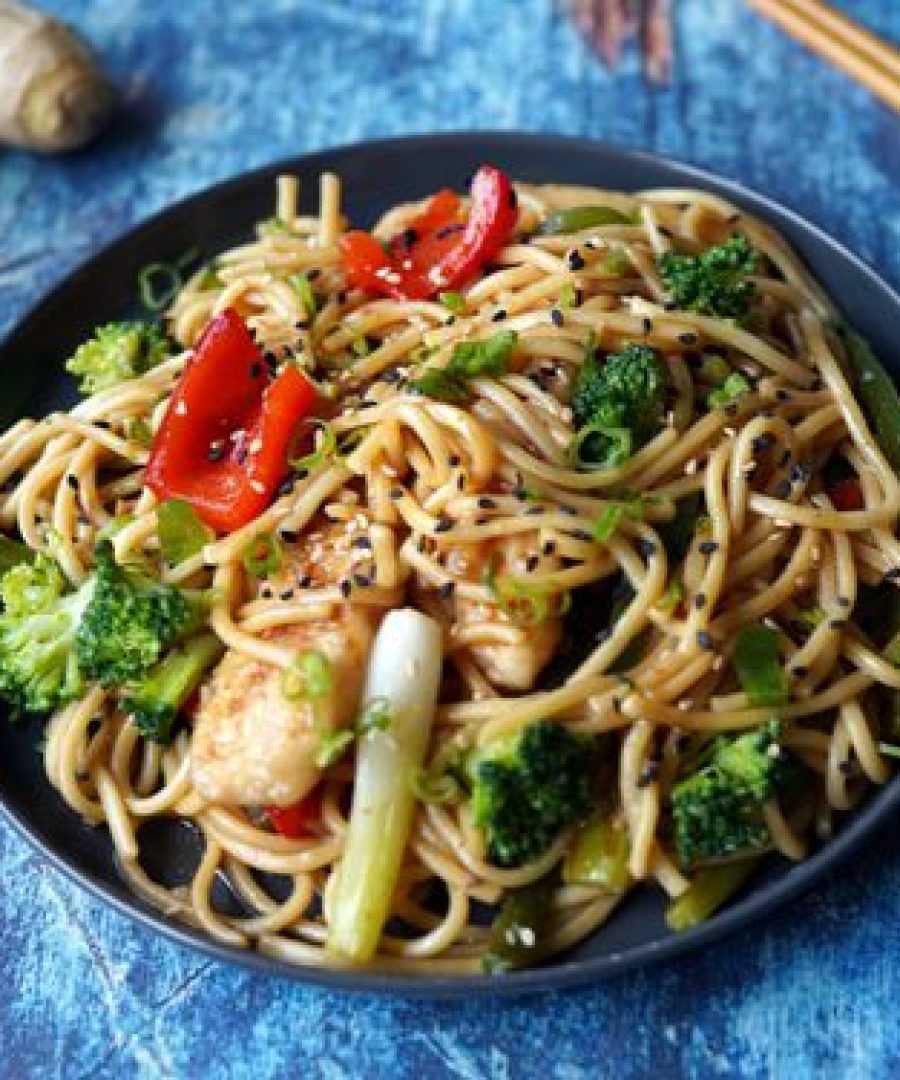
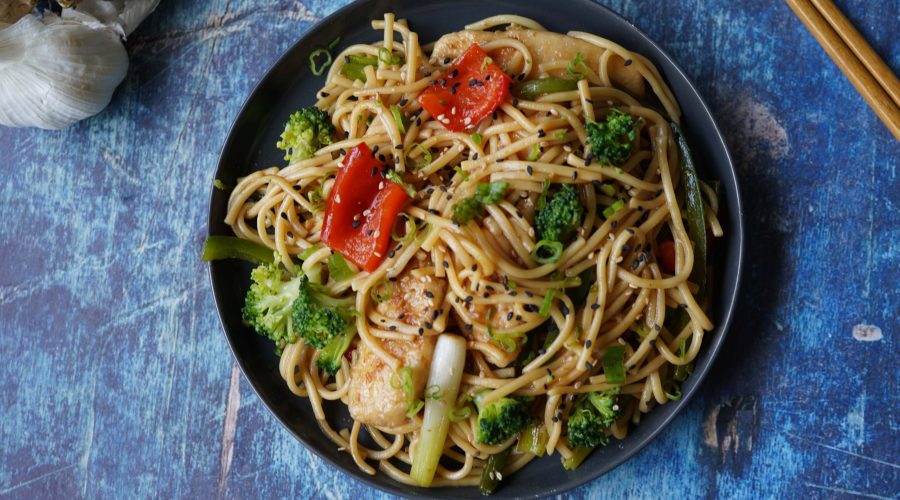
Tallarin Saltado is a Peruvian-Chinese stir fry made with egg noodles, vegetables, and protein cooked over high heat in a wok. It is one of the signature dishes of a Chifa restaurant, the culinary tradition born from Chinese immigration to Peru in the 19th century that permanently shaped how Peruvians eat.
The dish shares its DNA with Lomo Saltado and Pollo Saltado but uses noodles as the base instead of pairing with rice and fries. The technique is the same: hot wok, fast cooking, smoke from the heat. What makes the Chifa version distinct is the sauce, a combination of soy sauce, sesame oil, stock, and starch that coats every noodle without pooling at the bottom of the plate.
Where to Find the Peruvian Ingredients in the US
Egg noodles are easy to find in the Asian aisle of most large grocery stores or at any Asian market. Look for fresh or dried Chinese egg noodles, not Italian pasta. The texture and starch content are different and they will not behave the same way in a wok.
For the starch, potato starch is preferred over cornstarch for this dish. It gives the chicken a cleaner coating that crisps up differently under heat. Both work, but potato starch is closer to what the Chifas use. (Link: potato starch on Amazon)
Ají amarillo is the Peruvian element that separates this from a generic noodle stir fry. If you cannot find fresh or frozen ají amarillo, the canned one is your best option and what I use regularly.(Ají amarillo paste on Amazon)
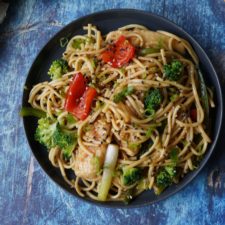
Tallarin Saltado is a Peruvian Chifa stir fry with egg noodles, chicken, and vegetables in a savory soy and sesame sauce. A staple of Chinese-Peruvian cooking
500grChicken Breast (1.1lb) into Strips - bite size
Instructions
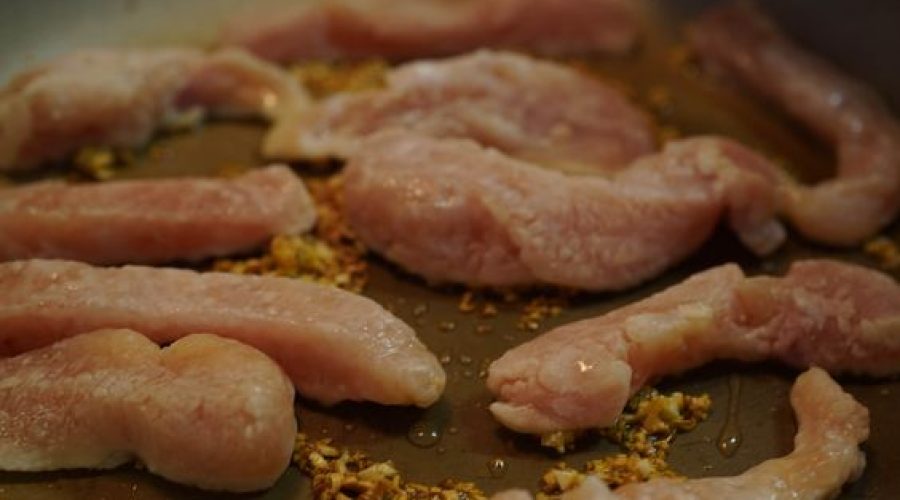
Season the chicken with salt and pepper, then add 1/2 cup of cornstarch/potato starch, after that cook it in a hot wok/pot for 4 min per side then reserve.
In the same pot add ginger, garlic and let it cook until tender
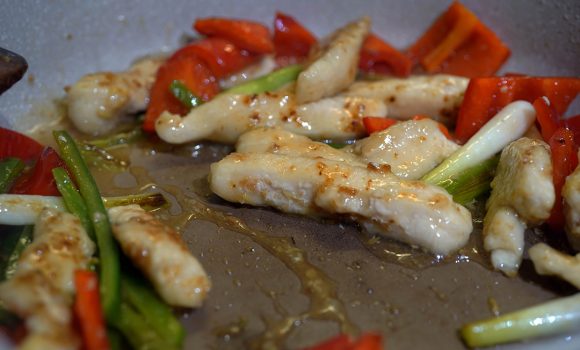
Add Veggies , saute them then add chicken , noodles , soy sauce, sugar , stir.
Mix the tbsp of cornstarch/Potato starch with the chicken stock or water then add it to the stir fry, bring to a boil and finish the dish some sesame oil.
My go-to list of authentic ingredients and essential kitchen gear. Read the Guide
Coat the chicken in starch before cooking: This is the technique that confused me as a kid. The starch prevents browning while creating a surface that absorbs the sauce and adds a subtle roasted quality. Do not skip it.
Cook in batches; Same rule as every saltado: A crowded wok steams instead of sears. Cook the chicken first, set it aside, then work through the vegetables before bringing everything together at the end.
Mix your starch and stock before it goes into the wok: Cornstarch or potato starch added dry to a hot pan will clump. Whisk it into the cold chicken stock first, then pour the slurry in. That is what creates the glossy, clinging sauce instead of a lumpy one.
Add sesame oil at the end, not the beginning: Sesame oil is a finishing oil. Its flavor burns off fast under high heat. Add it in the last 30 seconds after you pull the wok off or reduce the flame.
Do not overcook the vegetables: The broccoli goes in already cooked. Everything else needs just a couple of minutes. You want color and crunch, not mush.
First thing I noticed on this dish is that the chicken “had no color” it looked liked boiled but it tasted “roasted” kinda of smoky, the “trick” was in the potato starch, it prevent it for having color while it helped to thicken the dish too.
When a “Tallarin Saltado” arrived to a table it came all steamy and it was full of juices but it the juices were not loose, I always wondered what kind of juices they used, I discovered that most of the time is Chicken stock, Pork Stock or a combination of both. Stocks adds lot of flavor and the starch will help prevent it to go loose.
What to Serve With It
Tallarin Saltado is a complete dish on its own. The noodles, protein, and vegetables are all in the wok together. It does not need a side the way Pollo Saltado needs rice.
If you are building a Chifa spread at home, pair it with a simple Arroz Chaufa or serve it alongside Kam Lu Wantan for a fuller table.
Storage
Store leftovers in an airtight container in the refrigerator for up to 3 days. The noodles will absorb the sauce overnight and thicken. Reheat in a hot skillet with a splash of chicken stock or water to loosen the sauce back up. The microwave works but you lose the texture on the noodles.
Frequently Asked Questions
Can I make this vegetarian? Yes. Skip the chicken entirely and use vegetable stock instead of chicken stock. Add extra broccoli, snow peas, or tofu cut into cubes and coated in starch the same way you would the chicken.
What noodles work best? Fresh Chinese egg noodles give the best result. Dried egg noodles are a solid backup. Avoid Italian pasta, the starch content and texture are too different and the sauce will not cling the same way.
What is the difference between Tallarin Saltado and Lo Mein? They are cousins. Both are stir fried noodle dishes with Chinese roots. Tallarin Saltado has the Peruvian elements, ají amarillo, the saltado technique, the stock-based sauce, that make it distinct from a standard Lo Mein.
Why does the chicken look pale but taste smoky? That is the starch coating working correctly. The starch prevents the Maillard reaction that creates dark color, but the high heat still drives moisture out and concentrates the flavor. You get the roasted quality without the dark crust.
My sauce came out watery. What went wrong? Either the starch was not mixed into the stock before adding, or the wok temperature dropped too much when liquid went in. Make sure your slurry is fully combined before it hits the pan, and bring the wok back to a boil after adding it to activate the thickening.
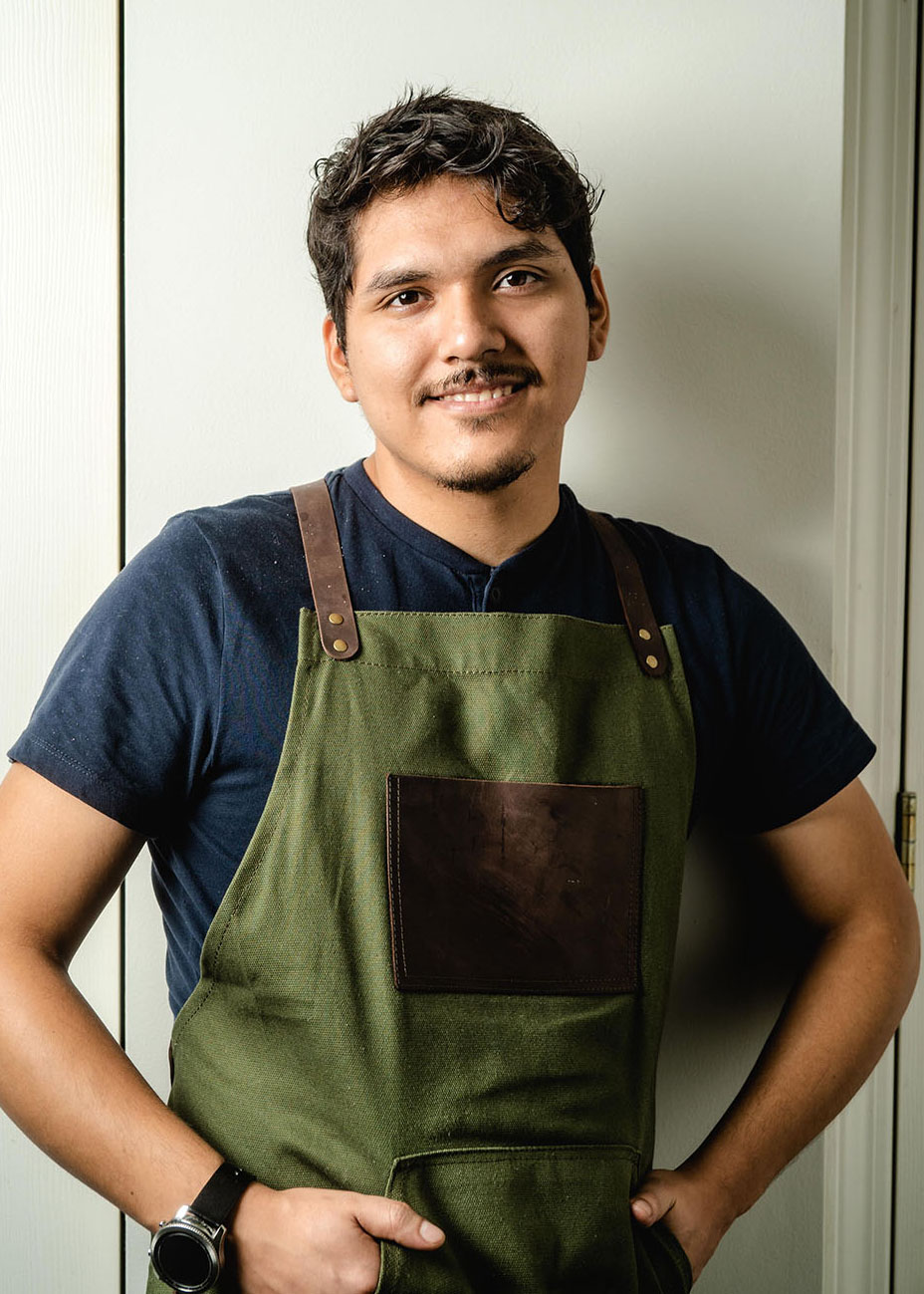
Brandon Castillo - Peruvian Chef & Recipe Developer
Brandon Castillo is a Peruvian chef and recipe developer based in New York. Born and raised in Peru, he shares authentic Peruvian recipes adapted for home cooks in the United States. You can find him on Instagram, TikTok, and YouTube @chewinghappiness.
Made this at home? Tag @ChewingHappiness on Instagram. If you want to keep going with the saltado family, the Pollo Saltado and Lomo Saltado recipes use the same wok technique with a different protein.
Tried it? Let me know. Leave a rating and a comment below — it helps other cooks find this recipe, and I read every single one.