Disclosure: As an Amazon Associate I earn from qualifying purchases. Some links in this post are affiliate links, meaning I may earn a small commission at no extra cost to you.
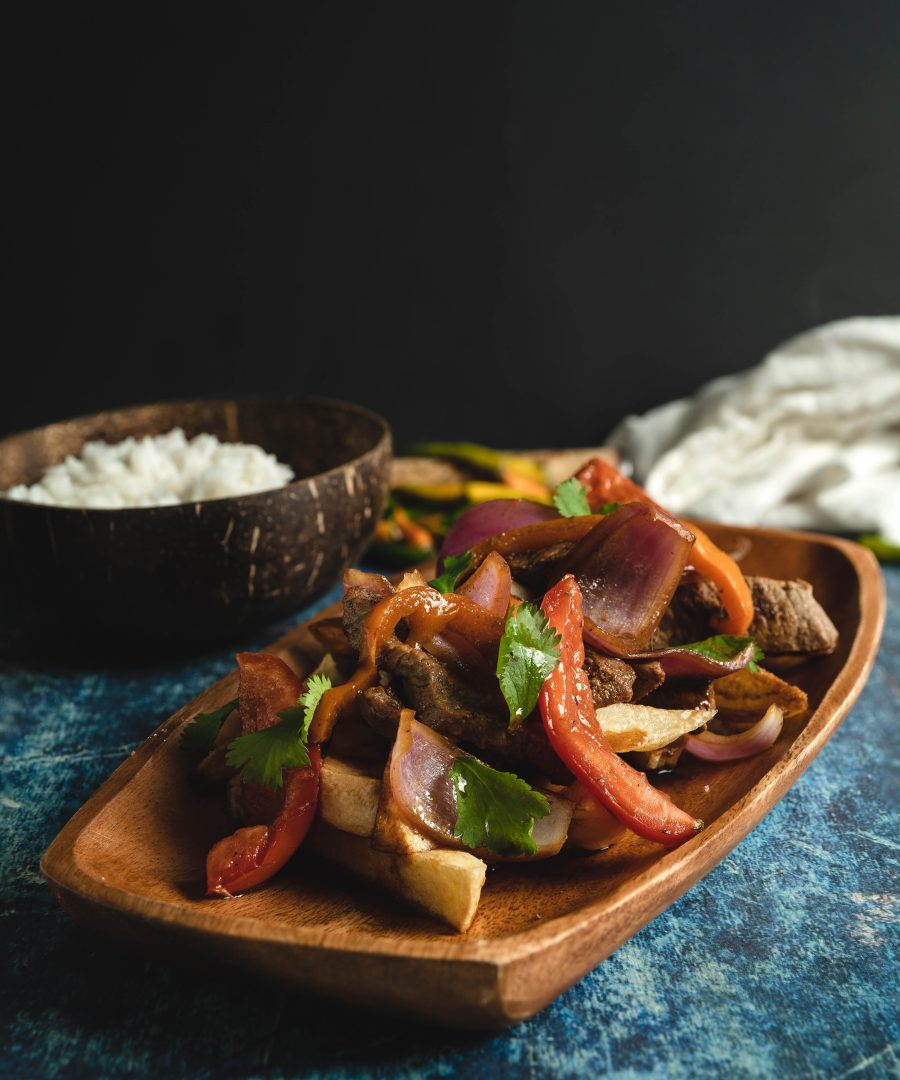
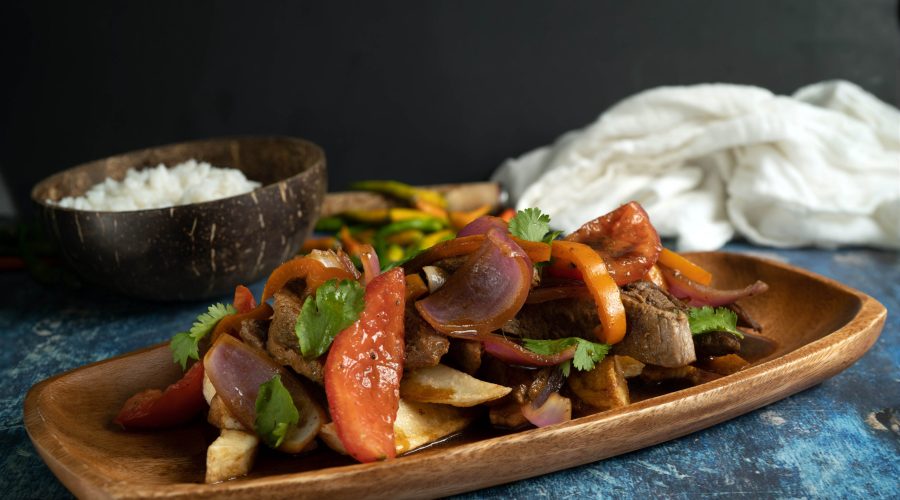
Lomo Saltado, one of my favorite dishes, is a stir fry dish that has few ingredients, but it’s a dish full of flavor, a great example of the multicultural gastronomy Peru has. Crafted by Peruvians a long time ago and refined by Chinese techniques, this dish is a fusion between Peruvian & Chinese cuisines. This could be one of those dishes that no matter where you go in Peru, you could find it; it is so delicious and easy to prepare. It is actually my brother’s favorite dish. I can not blame him; I remember he used to ask my mom why we couldn’t eat “Lomo Saltado” every day; well, that is something I still wonder (laughs).
I mentioned this is one of my favorites; I ate it and prepared it so many times, and I am not tired of it.
When I arrived in the USA, many people (from other countries) asked me about this dish; most of them loved it, others just knew the dish. It’s common in some restaurants that Chefs ask you to prepare some meals for them especially if they get along with you, in one of the restaurants I worked, one of the Chefs asked me from time to time to prepare Lomo Saltado for him, I always did my best to prepare it with the ingredients I had on hand, he always was happy with the results, and he told me that his favorite Peruvian dish was Lomo Saltado and that he used to go to a “Chifa” on Queens (New York) and he always ordered Lomo Saltado. Cooking for him made me really happy since it feels great to see foreigners enjoy Peruvian food.
What makes this dish special?
I believe that simplicity is what makes this dish special, it has few ingredients, the cooking method (its a stir fry) is the key for making this dish. It gives flavor and a “smoky flavor”, it also keeps the ingredients really juicy.
Can it be made without meat?
There are so many variations of this dish; it can be made with chicken, fish, seafood, or pork, all of them really good. There are also meatless versions of this dish, made with Tofu, mushrooms, seitan, cauliflower, and many more. (Click here for our vegetarian version)
Can you make it in a non-gas kitchen?
The short answer is yes, the flavor won’t be the same, however, it will still be really good, you could use something like smoked oil, smoked paprika and even flambe this dish just to enhance the flavor.
Where to Find the Peruvian Ingredients in the US
One of the most common questions I get from readers in the US is where to find ají amarillo. It’s the key ingredient that gives Lomo Saltado its distinct Peruvian flavor and separates it from any other beef stir fry. Most American supermarkets don’t carry it but you can order it on Amazon with fast shipping.
If you can’t find it, the recipe notes already mention using any chili or bell pepper as a backup. But if you want the real thing, one click is all it takes.
Authentic Peruvian lomo saltado: sirloin strips stir fried with red onion, tomato, ají amarillo, soy sauce and vinegar, served over rice and french fries. Peru's most iconic dish, ready in 14 minutes.
Get all in your ingredients ready, divide your ingredients into 2 or 3 then cook in batches
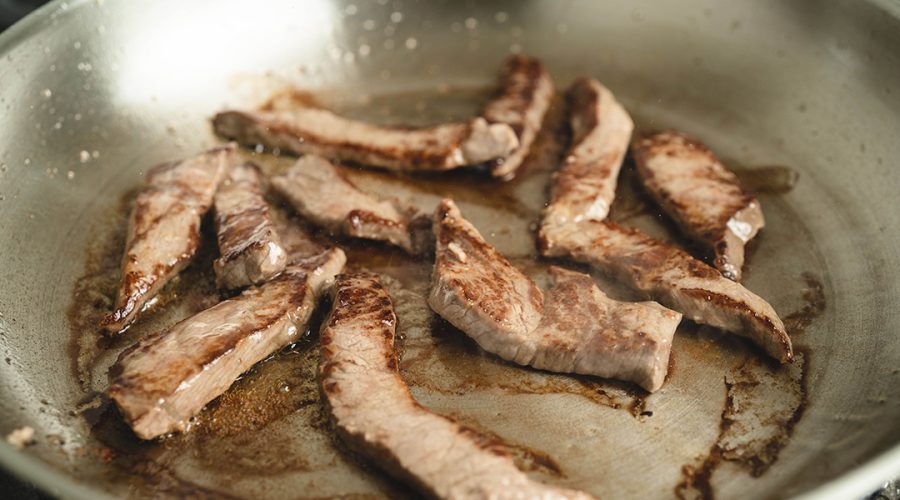
In a super hot pan, add 2 tablespoons of oil then seal the meat 1 min per side, saute then reserve.
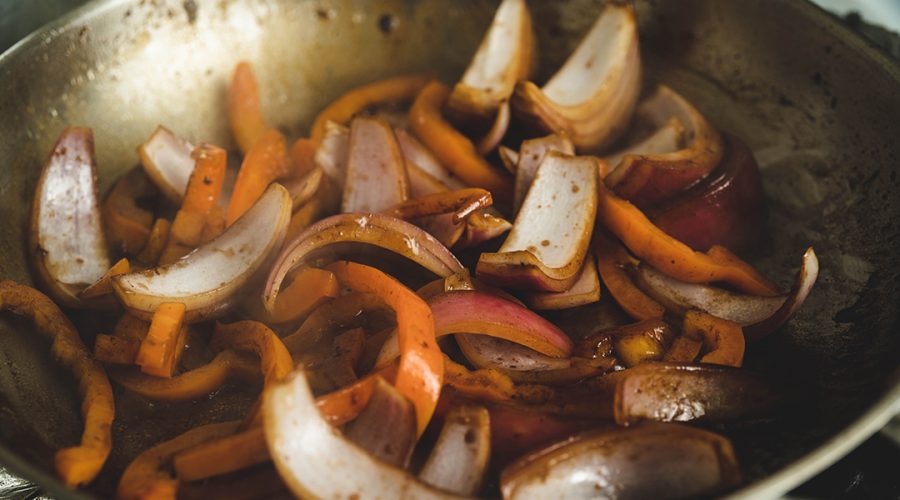
in the same pan add onions, garlic, “Aji Amarillo” paste and let it cook for a minute then add tomatoes, saute
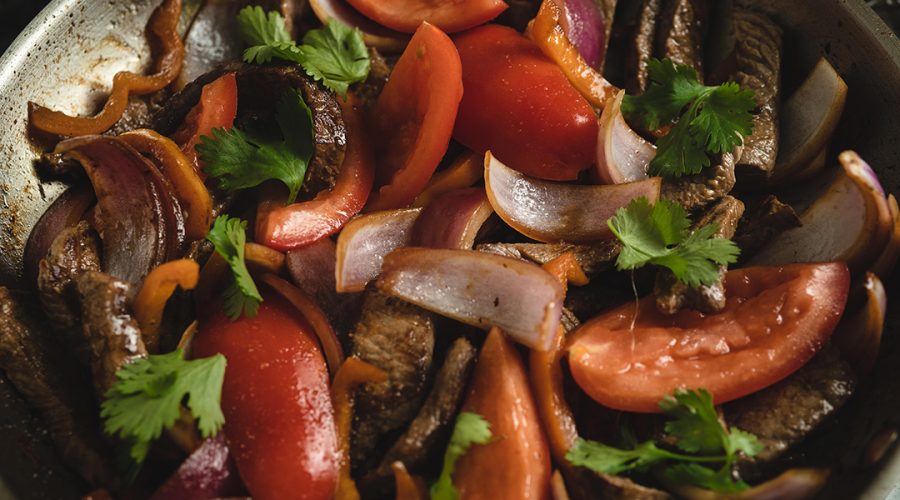
Add the meat back also fries, sugar, soy sauce, pepper, vinegar let it cook for 1 minute, saute, add sprinkle some cilantro leaves on top and its good to go.
Notes
Use your favorite cut of meat, lean cuts are perfect for this dish, if using a cheap cut, marinate it 24 Hr before cooking with soy sauce, salt, honey.
Serve it with cooked rice, just eat carbohydrates with moderation.
If you can not find "Ají Amarillo" use any chili you have on hand or a Bell Pepper if you do not like spicy food.
My go-to list of authentic ingredients and essential kitchen gear. Read the Guide
Tips for Lomo Saltado That Actually Tastes Like Peru
Cook in batches, always. This is the most important rule.
If you add too much meat or too many vegetables at once, the temperature of the pan drops and everything steams instead of searing. You end up with a stew, not a lomo saltado. Divide your ingredients into 2 or 3 batches and cook them separately.
The pan has to be extremely hot.
The smoky flavor, the wok hei, comes from high heat contact. Heat your pan for at least 2 minutes before anything goes in. If you’re not using a gas stove, smoked oil or a quick flambe with your favorite alcohol gets you close.
Seal the meat first, then reserve it.
1 minute per side on very high heat, then take it out. It goes back in at the end with the vegetables, the sauces, and the fries. This keeps the meat juicy instead of tough.
Don’t overcook the onions and tomatoes.
You want them slightly charred on the outside but still with some bite. They should not be soft and mushy. Total time in the pan for the vegetables is about 2 minutes.
The fries go in at the end. Not before, not during.
Add them right at the finish so they stay crispy and don’t absorb all the sauce and get soggy.
Mise en place is not optional here.
This dish cooks in minutes. Have everything cut, measured, and ready before you turn the heat on. Once you start you won’t have time to chop anything.
This dish is about cooking the ingredients properly; you do not need a fancy wok to prepare it, but it makes it easier. The best way to make this dish at home is by doing it one “batch” at a time, otherwise, results will not be the same, you could probably end with a stew rather than a Lomo Saltado.
If the flavor of red onions is too “strong” for your taste, let it “marinate” in some vinegar, water, salt, and sugar, in that way they will be more tender, sweet and less bitter.
Have your mise en place ready, and I assure you that this dish will be done in a flash
Storage
Refrigerator: Lomo Saltado keeps 2 days in a sealed container. The fries will soften as they absorb the sauce, which is actually fine reheated in a pan on high heat for 2 minutes.
Freezing: Not recommended. The vegetables lose their texture completely when frozen and thawed.
Reheating: Always reheat in a very hot pan, not the microwave. The microwave kills the smoky flavor and makes everything soggy. 2 minutes on high heat in a pan brings it back close to fresh.
Frequently Asked Questions
What cut of meat is best for Lomo Saltado?
Top sirloin is the classic choice, it’s lean, tender, and cuts into strips easily. If you’re using a cheaper cut, marinate it for 24 hours in soy sauce, salt, and a little honey before cooking. That breaks down the fibers and gives you a tender result even with a budget cut.
Is Lomo Saltado spicy?
The ají amarillo adds a fruity, mild heat. The dish is not intensely spicy by default. You control the heat level by how much ají amarillo you add. If you don’t like spice at all, use bell pepper instead, as the recipe notes suggest.
What is “Lomo al Jugo”?
Lomo al Jugo, is a Lomo Saltado with more cooking juice, Lomo Saltado has soy sauce, beef broth, and aji amarillo paste; the main difference is that in a Lomo al Jugo, they add extra broth, extra soy sauce, and sometimes a thickening agent like cornstarch or potato starch to thicken the sauce. That said, because of the extra liquids, the sauté flavors change a bit, they are “watered down,” and the fries end up a tad soggier than usual, but some people like it that way- same dish, more sauce.
Brandon Castillo - Peruvian Chef & Recipe Developer
Brandon Castillo is a Peruvian chef and recipe developer based in New York. Born and raised in Peru, he shares authentic Peruvian recipes adapted for home cooks in the United States. You can find him on Instagram, TikTok, and YouTube @chewinghappiness.
Lomo Saltado is one of those dishes that converts people. Once you taste the smoky, sweet, sour combination you understand why it’s Peru’s most ordered dish.
Tried it?
Leave a rating and a comment below. It helps other cooks find this recipe and I read every single one. Did your batch method work? Did you find ají amarillo? Tell me.