Disclosure: As an Amazon Associate I earn from qualifying purchases. Some links in this post are affiliate links, meaning I may earn a small commission at no extra cost to you.
Today I’m sharing my recipe for Chicken Stew; it’s a well-known dish in many cuisines, and, in fact, a staple of Peruvian cooking as well.
I’ll be sharing the version I grew up with. It includes a few Peruvian ingredients, and that little touch makes it even more delicious. It’s definitely worth a try.
This was one of those dishes my mom and grandmother used to make on cold days. I used to eat it straight from the pot while it was still boiling hot just to warm myself up. For those who don’t know me well: I normally never eat anything boiling hot because I hate burning my tongue (it’s my most precious work tool, after all, so I have to protect it). However, when I’m cold, I do things I wouldn’t normally do.
What Makes This Peruvian Chicken Stew Different
Most chicken stews rely on herbs, stock, and time for flavor. Estofado de Pollo gets its depth from two ingredients you won’t find in a French or American chicken stew: ají panca paste and raisins.
Ají panca is a dried Peruvian red pepper sold as a paste. It’s mild and smoky with almost no heat, and it gives the stew its deep reddish-brown color and that slightly complex, earthy flavor you can’t get from paprika or any other substitute. It’s the same pepper I use in my Papa Rellena filling and my Anticuchos marinade, and it’s what makes this taste unmistakably Peruvian.
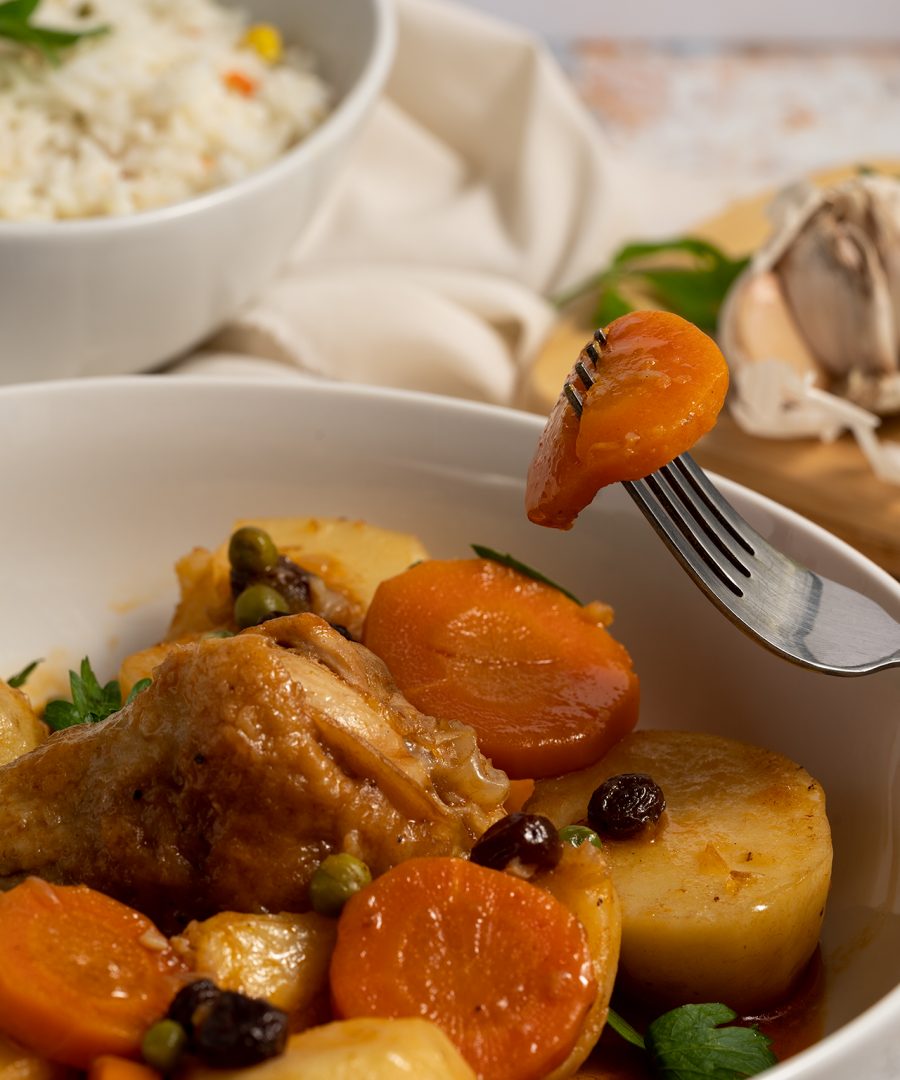
The raisins are the detail that surprises people most. They’re not sweet in a distracting way. As they braise in the stew they absorb the savory liquid, swell up, and release a subtle fruity note that balances the ají panca. Remove them, and the stew still works, but it loses something. My mom always added them and I never questioned it until I cooked this dish without them once and immediately understood why they’re there.
If you can’t find ají panca at a local Latin store, you can order it on Amazon. I use Inca’s Food, a Peruvian brand with good reviews and fast shipping: Inca’s Food Ají Panca Paste on Amazon
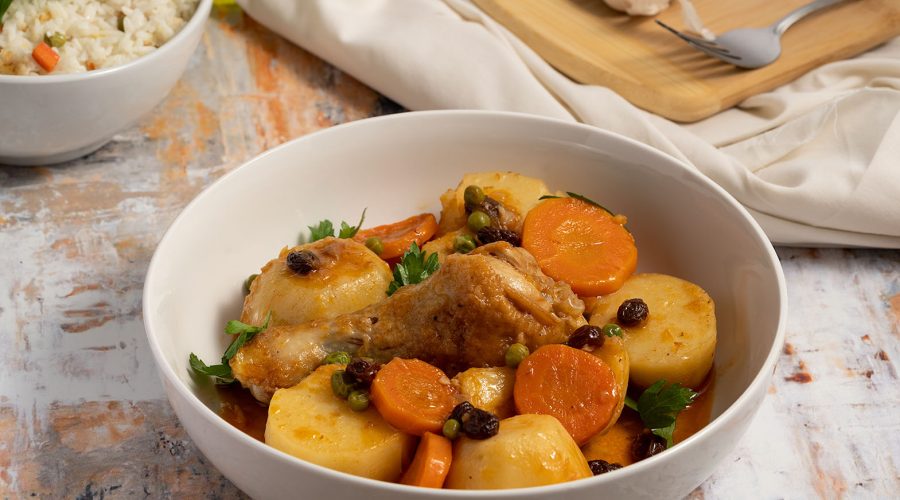
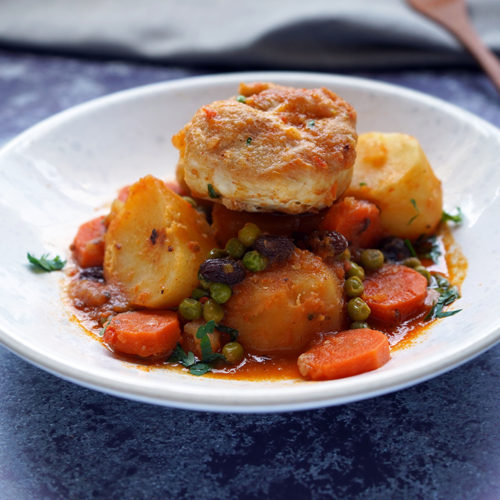
Peruvian estofado de pollo, chicken pieces browned and braised with ají panca, tomato, potatoes, carrots, peas and raisins. Richer and more complex than a regular chicken stew.
Course Main Course
Cuisine peruana, peruvian
Keyword estofado de pollo, Stew
Prep Time 10 minutesminutes
Cook Time 35 minutesminutes
Total Time 40 minutesminutes
Servings 4people
Author Brandon Castillo
Ingredients
Vegetable Oil
4Piecesof Chicken
1Red oniondiced
1Tomatodiced
3Garlic Cloveschopped
1Red bell Pepperchopped (optional)
2tablespoonsof "Aji Panca Paste"
1Bay leaf
1cupof chopped carrots
1cupof peas
1cupof flour
2cupsof Chicken broth
1/2cupof Raisins
4Potatoespeeled and chopped
1/4cupof chopped parsley
Salt and pepper
Instructions
Add some salt and pepper to your chicken then flour it.
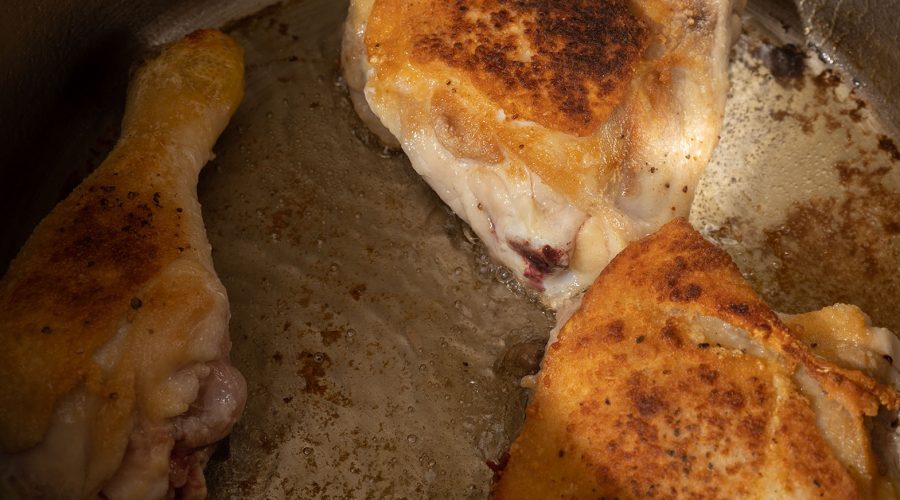
In a hot pot add 3 tablespoons of vegetable oil , seal your chicken (5 min per side) then reserve.
In the same pot add onions, garlic, "aji panca paste", let it cook for 5 minutes then add tomato, bell pepper, and let it cook for 5 more min then , blend it one cup of chicken broth.
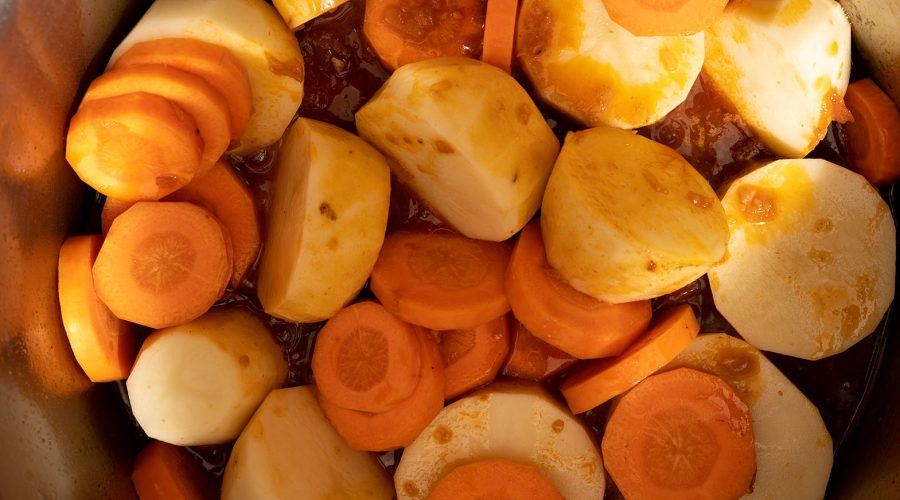
Put the mix into the pot , add chicken , more chicken broth , potatoes, bay leaf , tablespoon of salt. let it cook for at least 10 min then add carrots, peas , raisins and let it cook for 4 min or until potatoes are cooked.
Once its done add some chopped parsley and its good to go.
My go-to list of authentic ingredients and essential kitchen gear. Read the Guide
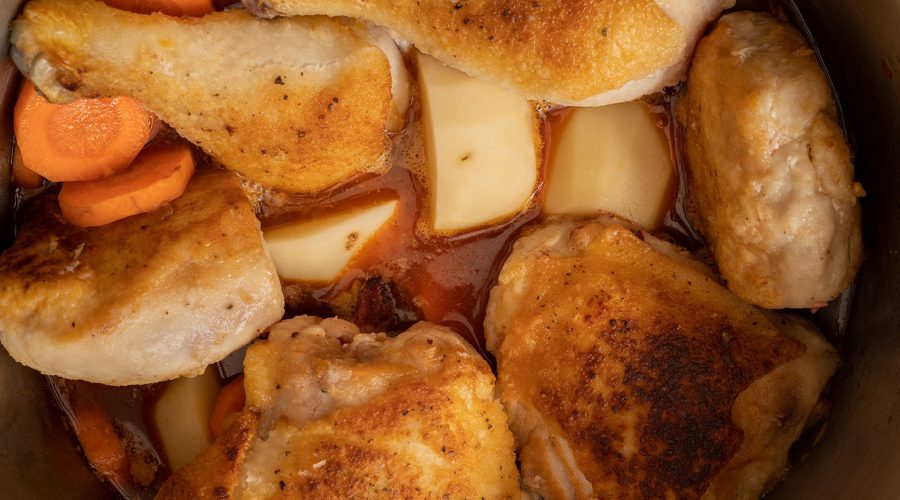
This is where most of the flavor comes from. The Maillard reaction, the browning on the surface of the chicken, creates compounds that don’t exist in raw or boiled chicken. 5 minutes per side on medium/high heat until you have a deep golden color, not pale, not dark. And do not clean the pot after. Those brown bits stuck to the bottom are flavor, they deglaze into the sauce.
Don’t add too much water.
This is the tricky part. You want the chicken and vegetables to braise, not boil. Add only a small amount of liquid at the start because once the potatoes and vegetables start cooking they release their own moisture. If you add too much water you’ll end up with a soup, not a stew. Start conservative, you can always add more.
Cut everything the same size.
This applies especially to the potatoes and carrots. Uniform cuts mean everything finishes cooking at the same time.
Use bone-in chicken pieces.
Avoid chicken breast. Thighs and drumsticks hold up to braising, stay juicy, and contribute gelatin to the braising liquid which gives the stew body. Breast meat goes dry and stringy in a long braise.
Low and slow after the initial sear.
Once the liquid goes in, drop the heat to medium low and put the lid on. Patience here pays off. The flavors develop over time and the chicken becomes tender rather than tough.
On the wine: the recipe note mentions wine as optional.
This is honest. In Peru most home cooks don’t add wine to estofado because it’s an everyday dish. If you have a good red wine open, a small splash before the broth adds depth. If not, the dish is complete without it.
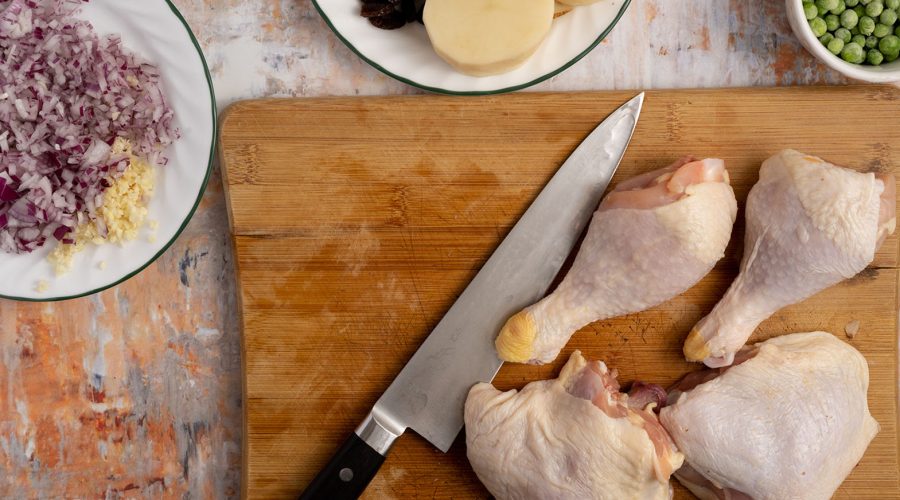
they key to great flavor is patience, and some knife skills, cutting finely your onions, garlic will help them cook evenly avoiding them to burn.
No one wants some colorless chicken; browning them is crucial since it will develop a different flavor. let it have some color before adding the other ingredients, and do not clean that pot after you are done with the chicken otherwise, you are removing a lot of flavors.
I love crunchy carrots; that is why I like them thick. However, the cooking time will be longer, which is why I add them with my potatoes. Please do not overcook your ingredients.
Here is the “tricky” part: just add some tiny amount of water. If you add a considerable amount of water once potatoes and other ingredients start releasing their juices, you will end up with a soup; no one wants that, believe me.
Storage
Refrigerator: Estofado de Pollo keeps 3 to 4 days refrigerated in a sealed container. The flavor improves significantly after a day as the ají panca and vegetables meld together. This is genuinely one of those dishes that tastes better the next day.
Freezing: Freezes well for up to 2 months. The potatoes soften slightly when thawed but the flavor is fully intact. Freeze in individual portions for easy weekday meals.
Reheating: Add a splash of water or chicken broth when reheating since the stew thickens as it cools. Reheat on the stovetop over medium heat, not the microwave, for best results.
Frequently Asked Questions
What does estofado mean?
Estofado means stewed or braised in Spanish. The technique involves browning the protein first, then cooking it slowly in liquid with vegetables. The Peruvian version of estofado uses ají panca as the defining seasoning, which separates it from Spanish or Latin American stews that use different chiles or no chile at all.
Can I make this without ají panca?
You can use a small amount of ancho chile paste as the closest substitute, it has a similar mild, smoky profile. Smoked paprika works as a last resort but the flavor is noticeably different. The real thing is available on Amazon and one jar lasts for months since recipes use it by the tablespoon.
Can I use chicken breast instead of bone-in pieces?
Technically yes but I don’t recommend it. Chicken breast dries out during the braising time this recipe requires. Bone-in thighs and drumsticks give you juicier meat and more flavor from the bones. If you only have breast, cut the braising time significantly and check for doneness early.
What do I serve with estofado de pollo?
White rice is the classic and correct answer. The stew has enough liquid that it acts as a sauce over the rice. Some Peruvians serve it with bread to soak up the braising liquid. A simple green salad on the side balances the richness.
Why add raisins to a savory stew?
This surprises people but it’s traditional in Peruvian criollo cooking. The raisins absorb the braising liquid, swell up, and add a subtle fruity note that balances the savory and slightly smoky ají panca. They don’t make the dish sweet, they add complexity. If you’re genuinely opposed, leave them out, the stew still works.
Brandon Castillo - Peruvian Chef & Recipe Developer
Brandon Castillo is a Peruvian chef and recipe developer based in New York. Born and raised in Peru, he shares authentic Peruvian recipes adapted for home cooks in the United States. You can find him on Instagram, TikTok, and YouTube @chewinghappiness.
Estofado de Pollo is the kind of dish that feels like home the moment you smell it cooking. It was my mom’s and grandmother’s cold weather recipe and it’s mine now.
Tried it?
Leave a rating and a comment below. I read every single one. Did the ají panca change the flavor for you? Did you add wine? Tell me how it went.


2 Comments
I’m Peruvian. We do this over rice and add more broth but not much more. Loved it.
Chicken stew over rice, it is just perfect!