Disclosure: As an Amazon Associate I earn from qualifying purchases. Some links in this post are affiliate links, meaning I may earn a small commission at no extra cost to you.
A few years ago, I traveled to Arequipa, known as the “White City” of Peru. I spent my time eating everything I could find, from street carts to local markets, eventually picking up a regional recipe book that deeply explained the pride Arequipeños have in their food. When I got back, I started making this specific version of Ocopa. My father absolutely loved it. He would ask my mother to make massive batches so we could eat the leftovers for three days straight. Coming home from work and seeing this bright green sauce on the table always made him incredibly happy.
Cooking this now in my kitchen, I have slightly adapted the ingredients to work for those of us living abroad, proving you do not have to be bound strictly by geography to eat incredibly well. This recipe requires patience to properly caramelize the base, but the result is a complex, rich sauce that completely transforms a simple plate of potatoes.
What Is Ocopa?
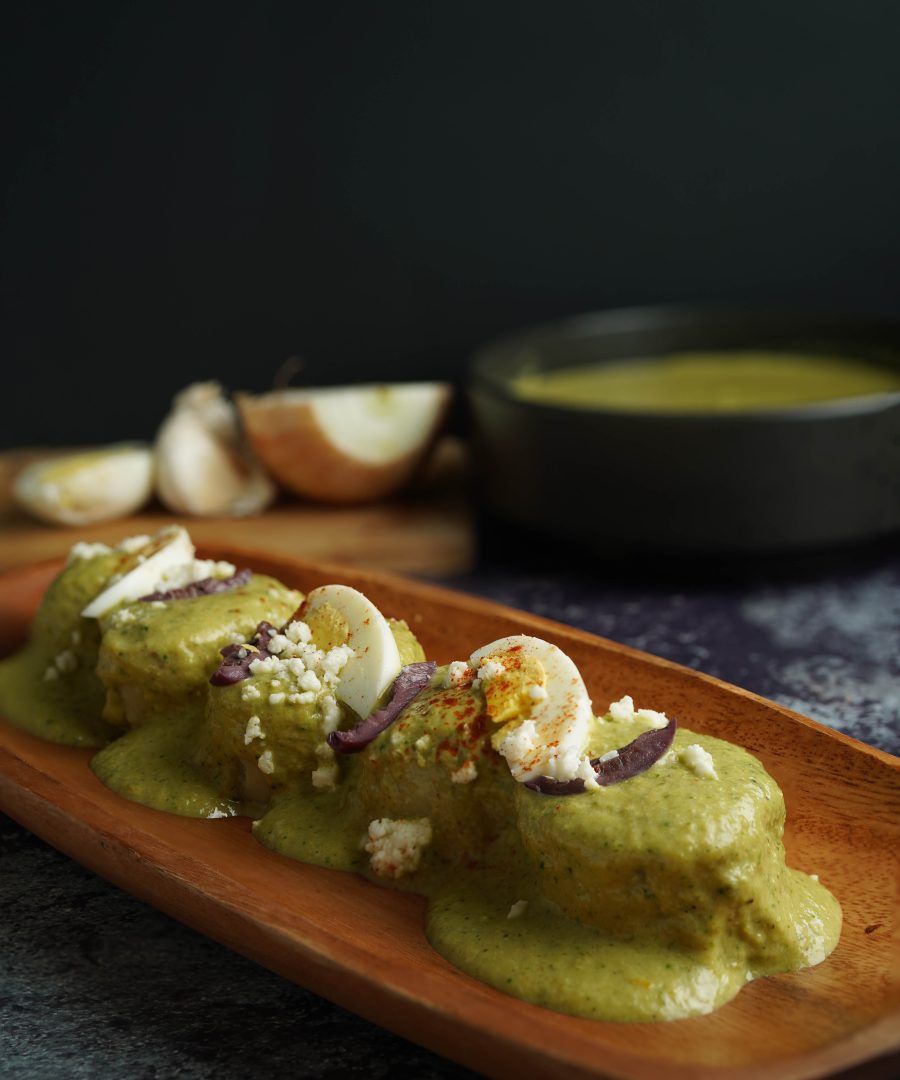
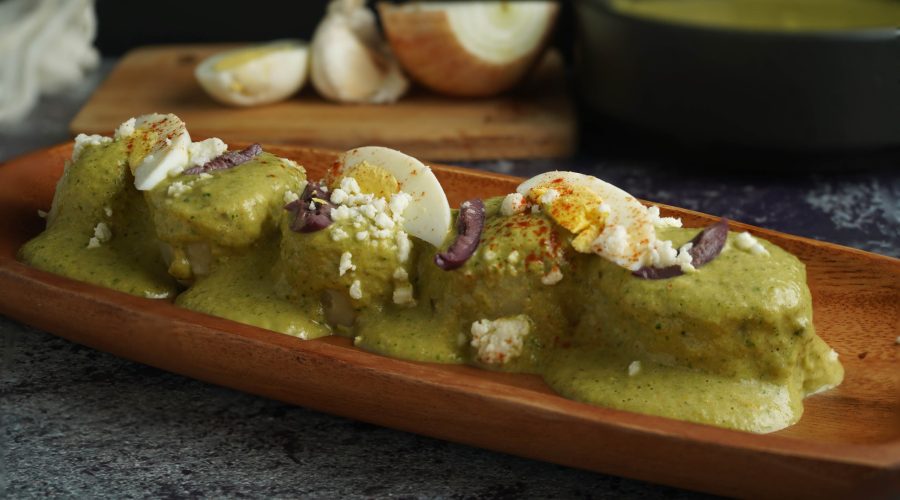
Ocopa Arequipeña is a classic Peruvian sauce served over boiled potatoes, originating from the southern city of Arequipa. While it shares a visual similarity with other Peruvian creamy sauces, its flavor profile is completely unique due to its star ingredient: huacatay.
Huacatay is an herb endemic to Peru, belonging to the mint family. It carries a deep, earthy, and slightly bitter aroma that cannot be replicated by any other herb. The sauce is built on a base of caramelized red onion, garlic, and aji amarillo, then thickened with roasted peanuts, evaporated milk, and sweet animal crackers (known in Peru as galletas de animalitos). The result is a complex, sweet, savory, and mildly spicy sauce that is just delicious.
If You Are in the US
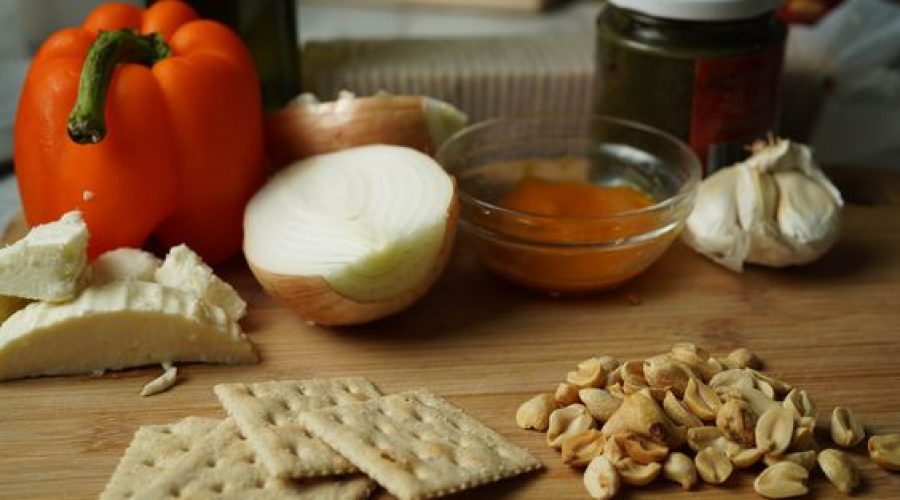
Sourcing fresh huacatay outside of Peru is very difficult, but you can easily find jarred huacatay paste. While I often hunt for Inca’s Food pastes and spices locally at Mi Tierra Supermarket in Jackson Heights, ordering Huacatay Paste on Amazon is the most reliable option if you do not have a well-stocked Latin market nearby.
You will also need aji amarillo paste. Sometimes I find it frozen in bulk at Food Bazaar in Long Island City, but keeping a jar of Aji Amarillo Paste (Amazon link) in your pantry works perfectly for this recipe. For the animal crackers, standard sweet animal crackers from any American grocery store work exactly like the traditional Peruvian version and provide the exact sweetness the sauce needs.
A classic Peruvian appetizer featuring a complex, creamy green sauce made from huacatay, roasted peanuts, and aji amarillo, served over boiled potatoes.
Course Entrée
Cuisine peruvian
Keyword black mint, ocopa, Ocopa Arequipeña, peruvian mint
Prep Time 5 minutesminutes
Cook Time 10 minutesminutes
Servings 8people
Author Brandon Castillo
Equipment
Pan
Blender
Ingredients
3tbspof Vegetable Oil
1Red Onionchopped
3Garlic Clovescrushed
3tbspof Aji Amarillo Chili
3tbspof “Huacatay Paste”
1Green Pepper chopped
200grof fresh cheese
1/2Cupof animal crackers
1/4cuproasted peanuts
1Cupof Evaporated Milk
Salt and pepper
Serve With:
Hard-boiled eggs
Cooked potatoes
Black Olives
Instructions
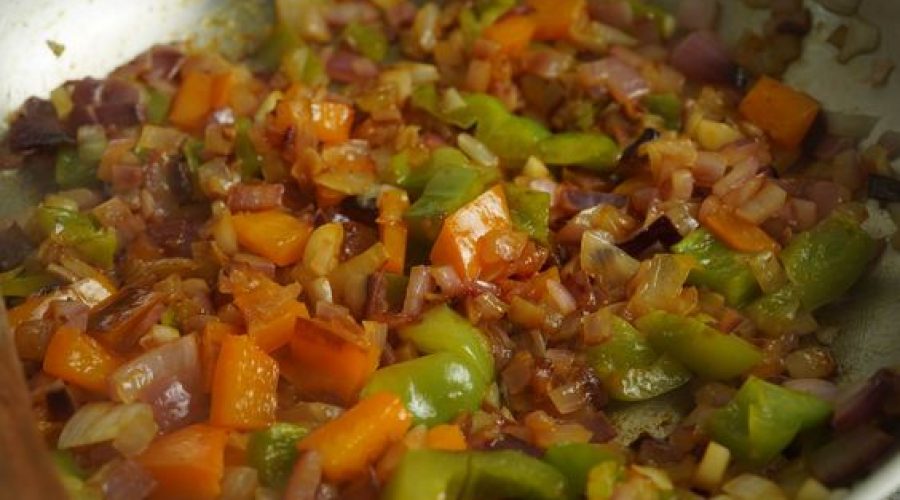
In a pan on medium/high heat add oil and cook your onions, garlic, green pepper, "Ají Amarillo paste until tender
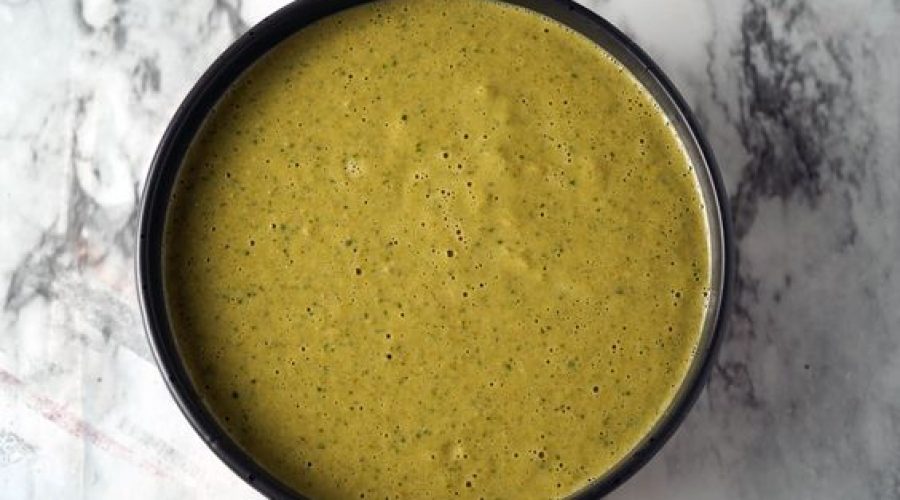
Once its cooked add the cooked veggies to a blender with milk , cheese, animal crackers, Huacatay paste and some salt and pepper blend until smooth.
Serve the dish with some cooked potatoes, hard-boiled eggs, olives
My go-to list of authentic ingredients and essential kitchen gear. Read the Guide
The red onion, garlic, green bell pepper, and aji amarillo must be cooked slowly over medium heat until they are completely soft and caramelized. This takes at least 7 minutes; it helps balance the sharp herbal notes of the huacatay.
Control your liquids
When blending the caramelized vegetables with the cheese, crackers, and milk, add the evaporated milk gradually. The ingredients will release their own moisture as they blend, and adding too much liquid all at once will leave you with a watery soup instead of a thick, creamy sauce.
Do not skip the roasted peanuts
The peanuts provide the essential fatty, earthy backbone that separates Ocopa from other Peruvian sauces. Ensure they are roasted, not raw, to get the correct depth of flavor and texture.
Many Peruvian dishes share some ingredients, but the flavors are totally unique.
Letting the ingredients cook properly is an important step of this dish.
This sauce goes well with potatoes, sweet potatoes, and yucca, just to mention some.
What to Serve With Ocopa
Traditionally, Ocopa is served as an appetizer poured generously over thick slices of boiled potatoes. Yellow potatoes are ideal if you can find them, but standard Yukon Gold or white potatoes work perfectly. The dish must be garnished with halves of hard-boiled eggs and Botija or Kalamata olives to cut through the richness of the sauce.
Storage
Store any leftover sauce in an airtight container in the refrigerator for up to four days. Because of the crackers and cheese, the sauce will thicken considerably as it chills.
I do not recommend freezing Ocopa.
Frequently Asked Questions
Is Ocopa the same as Papa a la Huancaina?
No, they are distinctly different, though they share common ingredients like evaporated milk, cheese, and aji amarillo. Papa a la Huancaina uses saltines and fresh cheese for a bright yellow, mild sauce, while Ocopa uses sweet animal crackers, roasted peanuts, and huacatay for a green, earthy, and more complex flavor.
Is Ocopa very spicy?
No, it has a very mild, pleasant heat. The aji amarillo provides a subtle kick, but the dairy, sweet crackers, and peanuts neutralize most of the spice.
What kind of cheese should I use?
The recipe calls for Queso Fresco. Look for brands like Cacique in the Latin dairy section of your supermarket, which provides the right crumbly texture and mild saltiness without turning the sauce stringy when blended.
Brandon Castillo - Peruvian Chef & Recipe Developer
Brandon Castillo is a Peruvian chef and recipe developer based in New York. Born and raised in Peru, he shares authentic Peruvian recipes adapted for home cooks in the United States. You can find him on Instagram, TikTok, and YouTube @chewinghappiness.
Tried it? Let me know. If you made this recipe at home, leave a rating and comment below to let me know if you were able to get the huacatay. If you want to try the other iconic Peruvian potato appetizer, check out my Papa a la Huancaina recipe.
2 Comments
Leah
on May 28, 2018 at 3:36 pm
Your sauces all sound so wonderful! Why is this called black mint?
Well it is a variety of mint that can be found in south America some people call it black mint since it is darker than a regular mint and when you blend it the color turns into a black green.




2 Comments
Your sauces all sound so wonderful! Why is this called black mint?
Well it is a variety of mint that can be found in south America some people call it black mint since it is darker than a regular mint and when you blend it the color turns into a black green.