Papa a la Huancaina Recipe (Peruvian Cheese Sauce)
Disclosure: As an Amazon Associate I earn from qualifying purchases. Some links in this post are affiliate links, meaning I may earn a small commission at no extra cost to you.
Every year as a kid, my grandmother Ismelda would ask me what I wanted her to cook for my birthday. My answer never changed: Arroz con Pollo with a massive side of Papa a la Huancaina. I can still picture her kitchen, surrounded by family, eating this bright yellow sauce poured over thick slices of potatoes. She cooked this dish at least once a week, and it became the dish of my childhood.
As I grew into a young adult, I eventually stopped celebrating my birthdays. My grandmother grew old, got sick, and passed away from cancer, but I find myself constantly chasing those specific moments at her house. I am a nostalgic Peruvian, and I cook specifically to relive those memories and to create new ones now that I am a father feeding my own family.
While there are countless regional versions of this classic sauce across Peru, the core ingredients remain identical. This specific recipe uses aji amarillo paste and bell pepper to achieve the traditional flavor quickly. It is a simple, humble dish, but for me, it carries the weight of a hundred family celebrations and is the best way I know how to say thank you to my grandmother.
What Is Papa a la Huancaina?
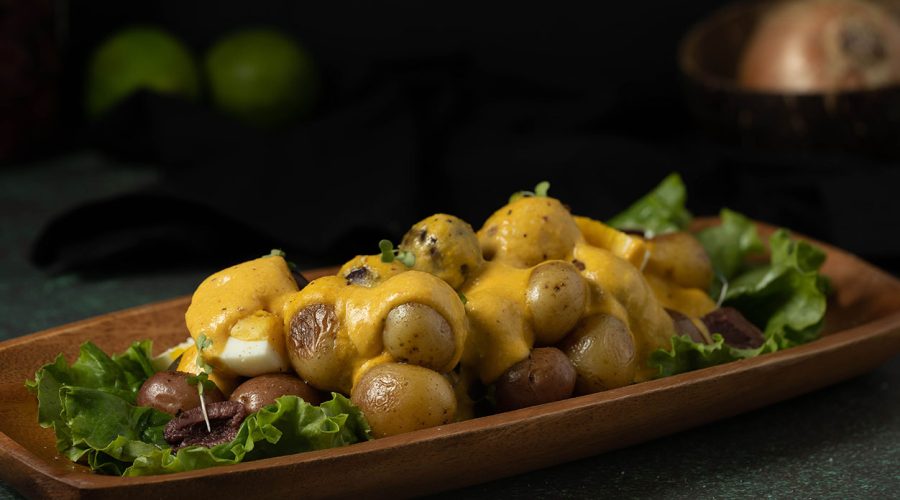
Papa a la Huancaina is one of the most emblematic dishes of Peru, consumed in households and restaurants across the entire country. The name literally translates to “potatoes Huancayo-style,” referring to the city in the central highlands where the dish allegedly originated, often associated with the workers building the central railway.
Historically, ancient Peruvians used stone mortars called batanes to crush native chili peppers to eat with potatoes. When the Spanish arrived and introduced dairy—specifically milk and cheese—the preparation evolved into the rich, creamy sauce we know today. It consists of aji amarillo, queso fresco, evaporated milk, and saltine crackers, blended together and served cold over boiled potatoes.
Where to Find the Peruvian Ingredients in the US
Sourcing the right ingredients is fairly easy in the US now. The most important component is the aji amarillo. Finding fresh aji amarillo can be challenging, but you can usually track down high-quality jarred paste. I frequently look for Inca’s Food brand pastes at places like Mi Tierra Supermarket in Jackson Heights, but you can easily order Aji Amarillo Paste on Amazon to keep in your pantry.
For the cheese, you need Queso Fresco. It is widely available in the Latin dairy section of almost any major American supermarket. Do not substitute it with mozzarella or cheddar, as the crumbly texture and mild, salty flavor of queso fresco are essential to the sauce’s consistency. Standard American saltine crackers work perfectly as the thickener.
A classic Peruvian appetizer featuring a creamy, slightly spicy cheese sauce made with aji amarillo and evaporated milk, served over boiled potatoes.
Course Entrée
Cuisine peruvian
Keyword huancaina, huancaina sauce, papa a la huancaina
Prep Time 5 minutesminutes
Cook Time 10 minutesminutes
Total Time 15 minutesminutes
Servings 4people
Author Brandon Castillo
Ingredients
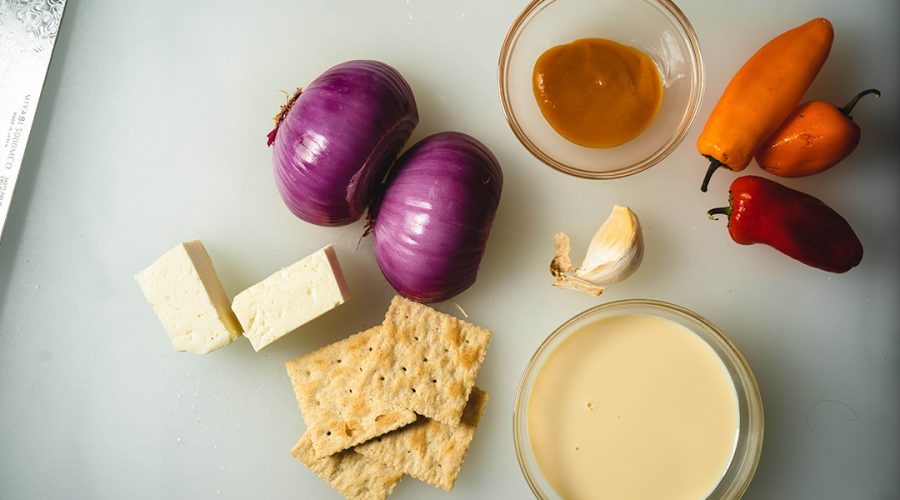
2tbspof Vegetable oil
3tbsp"Ají Amarillo Paste"
1Orange Bell Pepper
1/4of a small Onionminced
2Garlic Clovesminced
6Saltine Crackers
3/4cupof Evaporated Milk
125grof CheeseFresh cheese or Ricotta
Salt to taste
Instructions
If you use raw "Ají Amarillo" or other Chili, remove seeds and veins, then cook in a water and after 8 min, drain the "ajies" and fill again with water, then cook it for another 8 minutes, if you do not know how spicy is your chili/aji, you should repeat the process at least 4 times (just to make sure the chili is not spicy at all) if you like it a little spicy 2 to 3 times is fine
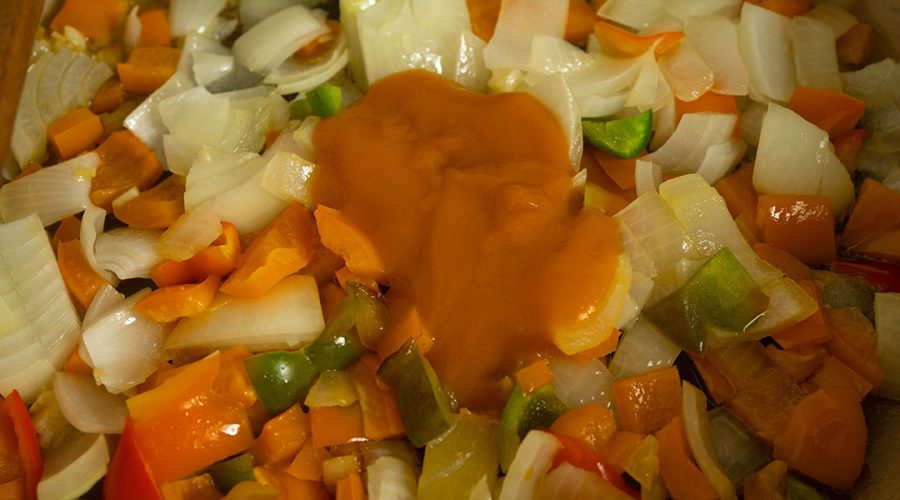
Chop your onions, crush your garlic and in a pot add oil, Onions, garlic, "Ají Amarillo paste"
Let it cook on medium/high heat until tender, what we are looking here is to caramelize the onions and to cook all the ingredients.
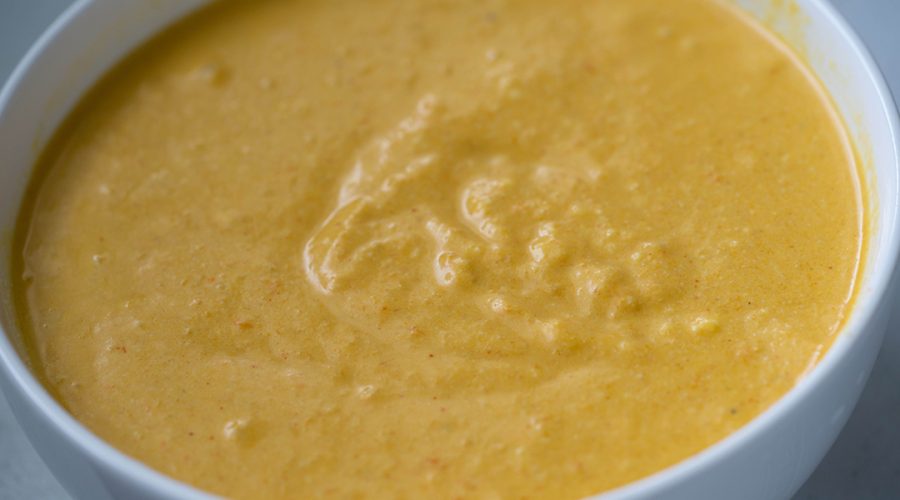
Once your ingredients are cooked, blend all the mix with the cheese, milk, and crackers add salt and pepper if necessary.
Video
Notes
You can replace the Ají Amarillo Paste and the bell pepper with 4 frozen "Ají Amarillos" no seeds
My go-to list of authentic ingredients and essential kitchen gear. Read the Guide
Caramelize your aromatics Do not just throw raw onions and garlic into the blender. You need to cook the chopped onion, garlic, bell pepper, and aji amarillo paste in oil over medium-high heat until they are completely tender and caramelized. This contrasts the heat of the chili and heavily intensifies the overall flavor of the sauce.
Watch your salt levels carefully Always wait to add salt until the very end of the blending process. Queso fresco and saltine crackers both contain significant amounts of sodium. Taste the blended sauce first, and only add extra salt if it genuinely needs it.
Adjust the consistency with milk and crackers If your sauce turns out too runny, drop in one or two more saltine crackers and blend again. If it is too thick and resembles a dip rather than a pourable sauce, stream in a little extra evaporated milk until it reaches the right texture.
Blend until completely smooth Papa a la Huancaina should be velvety. Let the blender run for a full minute or two to ensure the crackers and the queso fresco break down completely, leaving no grainy texture behind.
The key to a really good Huancaina sauce is the “Ají Amarillo” chili pepper, I recommend using fresh / frozen if possible, the second best alternative is processed as a paste.
we are looking to caramelize the ingredients, to contrast the spicy of the “Ají”, and intensify the flavors.
Another ingredient that can provide flavor is the ‘Queso fresco’ if you can use a traditional one go for it, always adjust the amount of salt since many cheeses contain a large amount of salt and sometimes it is not required to add salt.
What to Serve With It
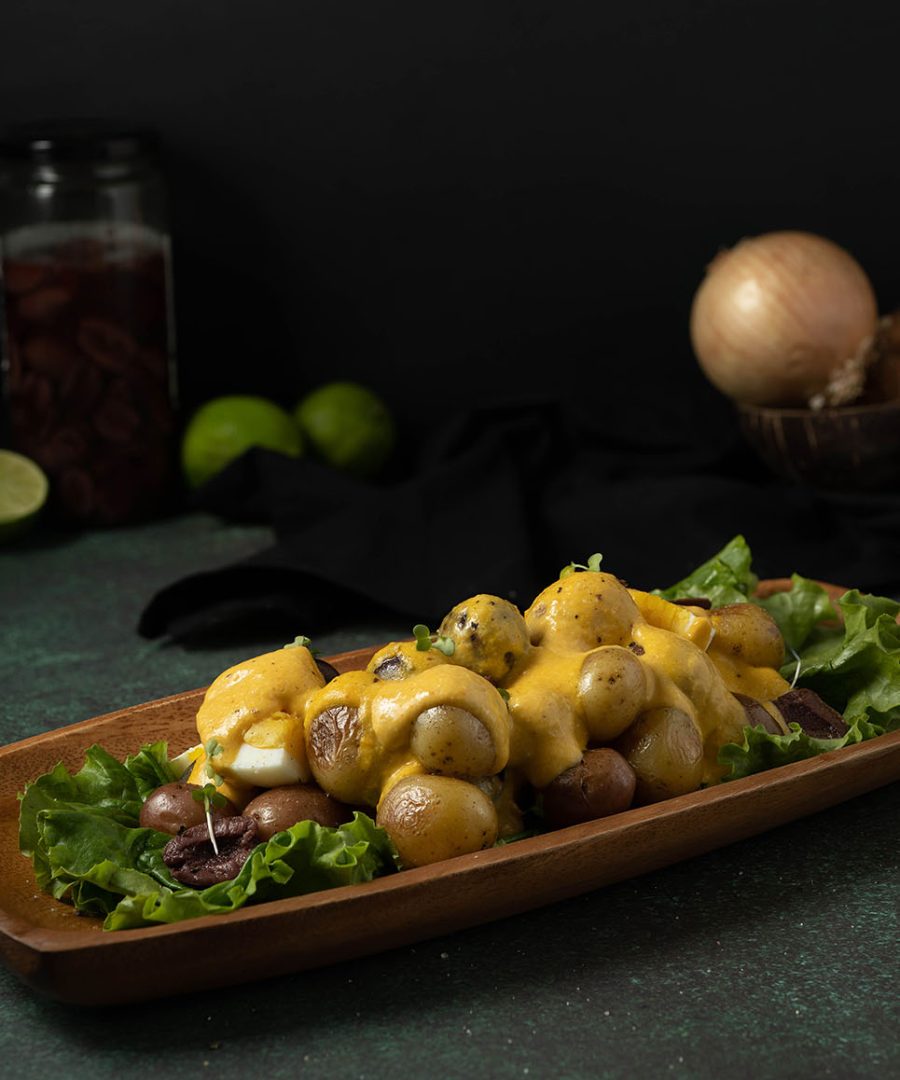
This dish is traditionally served as an appetizer. You pour the cold or room-temperature sauce generously over thick slices of cold boiled potatoes. The plate is always garnished with halves of hard-boiled eggs and a few black olives, typically the Peruvian Botija variety or standard Kalamata olives.
Beyond acting as a standalone appetizer, this sauce is the ultimate companion to heavy Peruvian main courses. The absolute best way to eat it is spooned right next to a massive portion of Arroz con Pollo. It also pairs incredibly well mixed into Tallarines Rojos or Tallarines Verdes, adding a creamy, spicy contrast to the pasta.
Storage
Store any leftover Huancaina sauce in an airtight container in the refrigerator for up to 4 days. Because it contains crackers, the starches will cause the sauce to thicken noticeably as it sits in the cold. You can stir in a tiny splash of regular milk to loosen it back up before serving.
Do not freeze this sauce.
Frequently Asked Questions
What is the difference between Huancaina and Ocopa? Although they look similar in texture and are both served over potatoes with eggs, Ocopa features huacatay (Peruvian black mint) and roasted peanuts, giving it a green color and an earthy, herbal flavor. Huancaina is yellow, lacks peanuts, and relies entirely on the bright, fruity heat of the aji amarillo.
How can I make this if I only have whole raw aji amarillo peppers? If using whole peppers, remove the seeds and veins. Boil the peppers in water for 8 minutes, drain, and boil them again in fresh water for another 8 minutes. If you want zero spice, repeat this process up to 4 times before blending. If you like a little kick, boiling them 2 to 3 times is perfect.
Can I make this dairy-free or vegan? Yes, you can adapt this for lactose intolerance or a vegan diet. Substitute the evaporated milk with unsweetened almond milk, and replace the queso fresco with firm tofu. If you use tofu, you will need to increase the amount of aji amarillo slightly so you do not lose the signature spicy, savory flavor of the sauce.
Why is my sauce not turning yellow? If your sauce looks pale, you either did not use enough aji amarillo paste, or your orange bell pepper was too light. The vibrant yellow color comes entirely from the natural pigmentation of the cooked peppers.
Should I serve this sauce hot or cold? Papa a la Huancaina is strictly served cold or at room temperature. Heating the sauce will cause the cheese and milk to separate and ruin the texture.
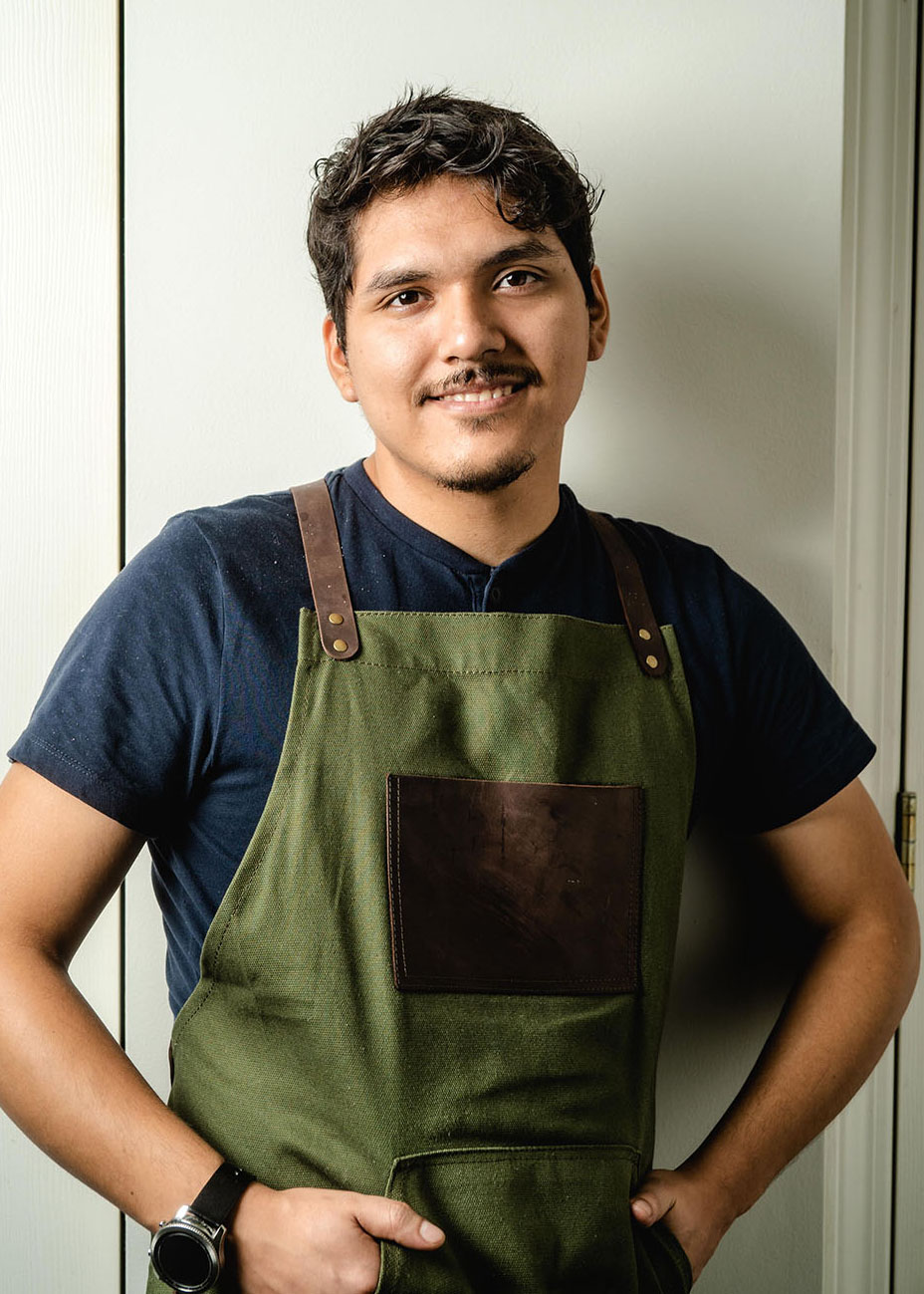
Brandon Castillo - Peruvian Chef & Recipe Developer
Brandon Castillo is a Peruvian chef and recipe developer based in New York. Born and raised in Peru, he shares authentic Peruvian recipes adapted for home cooks in the United States. You can find him on Instagram, TikTok, and YouTube @chewinghappiness.
Tried it? Let me know. If you made this recipe, let me know how it went in the comments below or tag @Chewinghappiness on Instagram so I can see your plate! If you are making this for a weekend lunch, it is mandatory that you serve it alongside my Arroz con Pollo recipe.
2 Comments
Candace Caddell
on August 31, 2023 at 7:03 pm
I want to make this recipe so much! How many pounds of potatoes will this cover? Do you recommend yellow potatoes? Thanks and I look forward to your suggestions for my first time making it.
I think you can go with the potatoes you like the most, I like Idaho potatoes. this dish is an entree so I would not go more than 2 pounds of potatoes for 4 people.



2 Comments
I want to make this recipe so much! How many pounds of potatoes will this cover? Do you recommend yellow potatoes? Thanks and I look forward to your suggestions for my first time making it.
I think you can go with the potatoes you like the most, I like Idaho potatoes. this dish is an entree so I would not go more than 2 pounds of potatoes for 4 people.