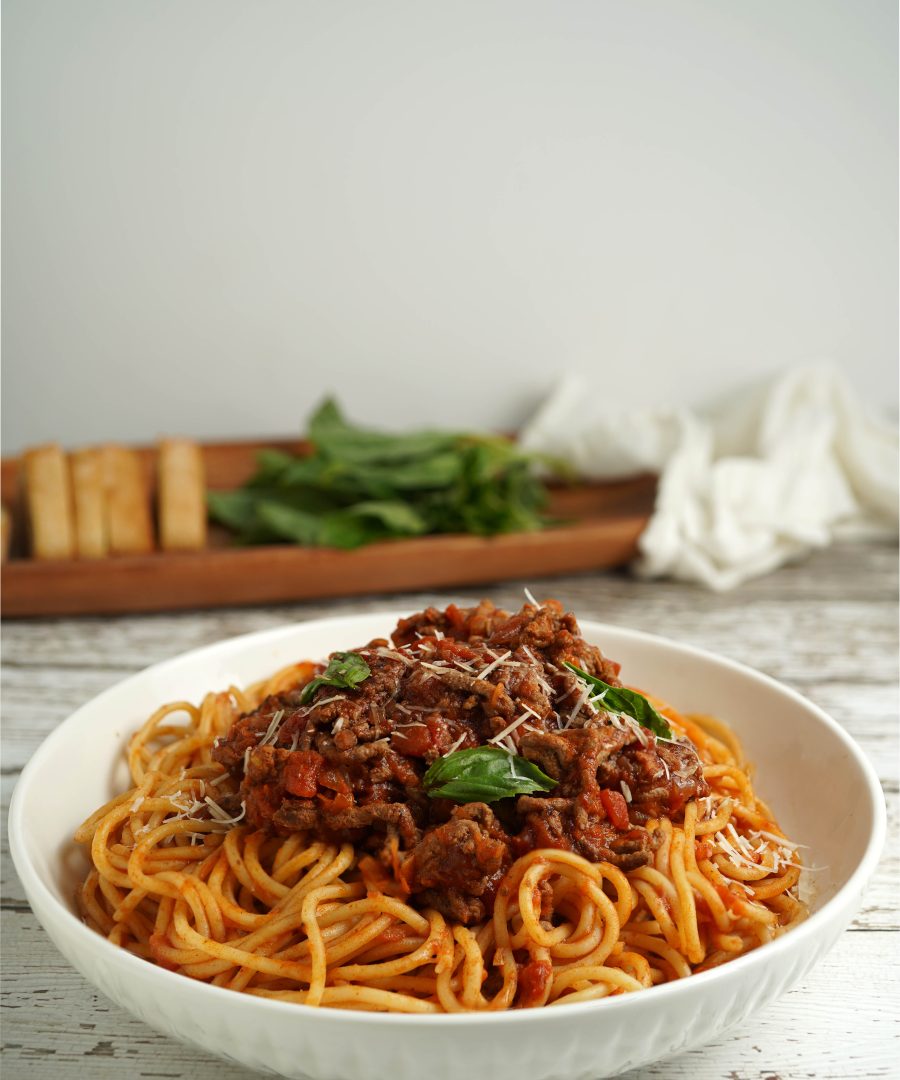
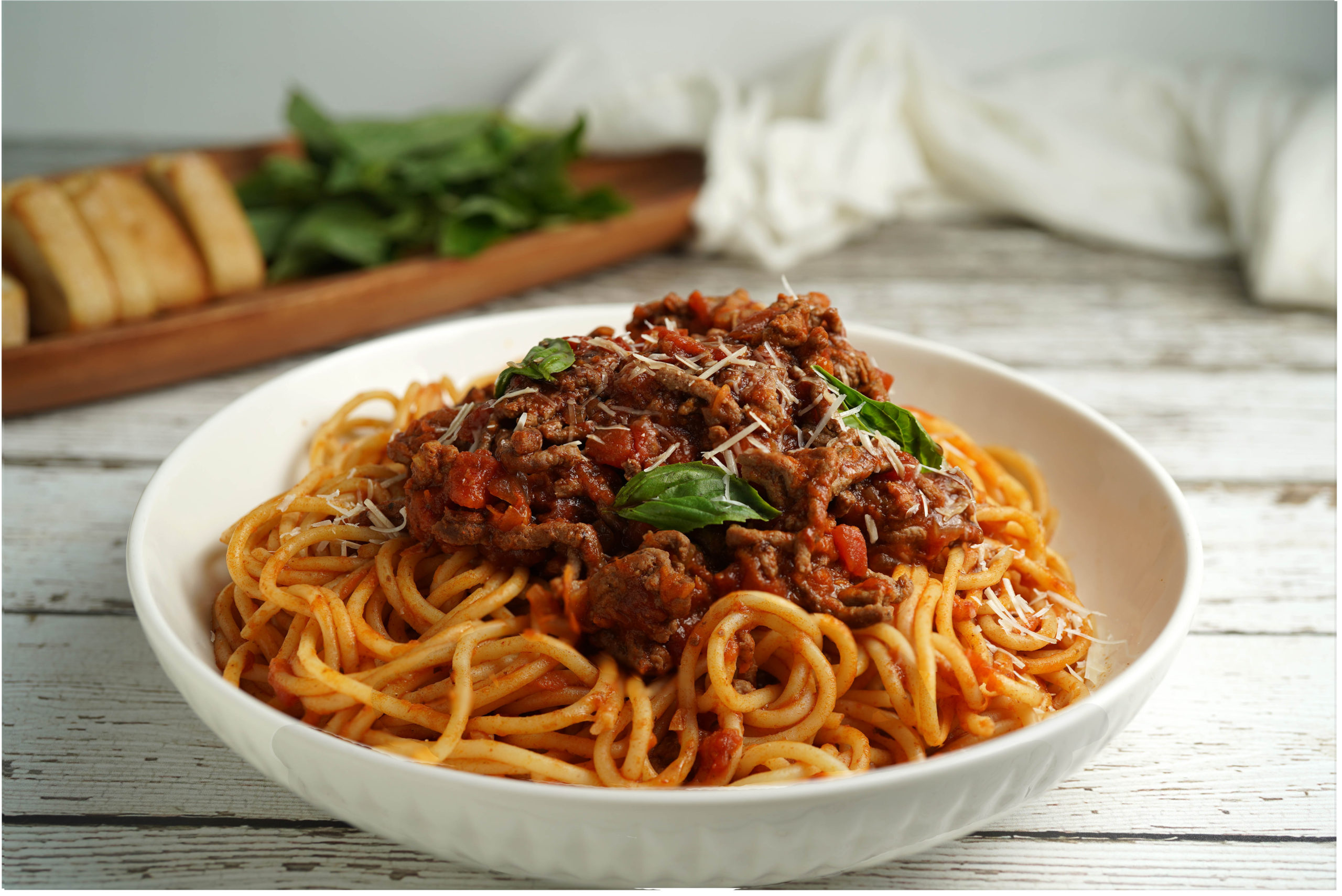
Peru’s answer to spaghetti bolognese — a rich meat and tomato sauce over pasta, but with ají panca doing something no Italian version does. It’s comfort food, the kind of dish that shows up on the table on a regular weeknight, and it tells you a lot about how Peruvian food actually works.
Tallarín roughly translates to spaghetti, and the funny thing is plenty of Peruvians make tallarines rojos with a completely different noodle and still call it that. The name sticks regardless.
What Are Tallarines Rojos?
Tallarines rojos is an Italo-Peruvian dish — one of many that came out of generations of Italian immigration to Peru. Italians brought their food, Peruvians made it their own, and now there’s a whole category of Italo-Peruvian cooking and restaurants.
At a glance it looks like bolognese. But two things make it Peruvian rather than Italian:
No wine. Wine is central to a traditional bolognese and it’s simply not a common ingredient in everyday Peruvian cooking. The sauce gets its depth another way.
Ají panca. This is the real signature. Ají panca is a dried Peruvian red chili, mild, with earthy and smoky notes and a deep red-brown color. Cooked with tomatoes it does something special — for me, ají panca and tomato taste like they were made to go together. (find Amazon link here)
This Was a Childhood Favorite
My mother made tallarines rojos often — it was simple, cheap, and everyone was happy to see it. It’s one of those dishes that tastes like home to me, and I suspect that’s true for most Peruvians my age.
Working in professional kitchens later taught me the thing that actually makes this dish sing, and it’s not an ingredient. It’s patience.
The Secret Is Cooking the Tomatoes Down
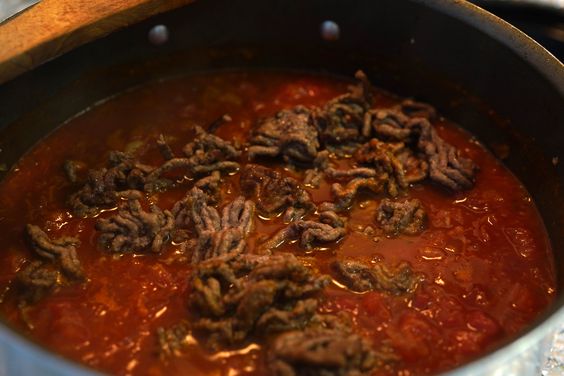
I’ve made a lot of sauces in restaurant kitchens — pomodoro, marinara, bolognese, and the rest. They all share one truth: the longer you cook the tomatoes, the better the sauce tastes.
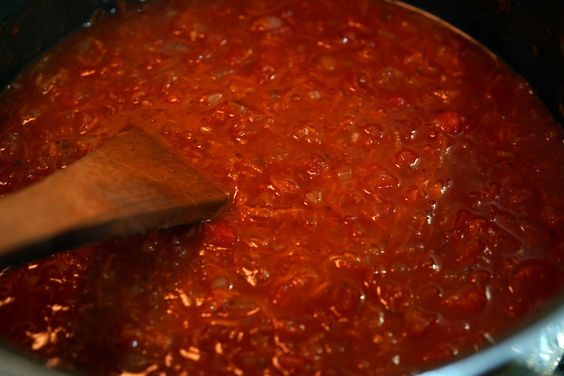
Rushing the tomatoes is the single most common way to end up with a flat, thin, acidic sauce. Let them break down completely. Let the water cook off and the flavor concentrate. That slow reduction is where a good tallarines rojos separates itself from a mediocre one. There’s no shortcut worth taking here.
Two Tips for US Cooks
Use 80/20 ground beef. The extra fat matters — because this sauce cooks a long time, that fat renders into the sauce and builds a deeper flavor. Leaner 90/10 works, but you lose some richness.
Canned tomatoes are your friend here. In Peru we don’t use much canned food, but in the US canned tomatoes are cheaper than fresh and they’re picked dead ripe — which is exactly what this sauce wants. This is one case where canned genuinely beats fresh.
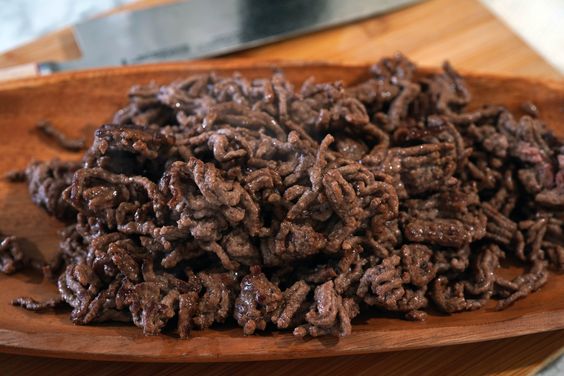
In a hot pot add 3 tablespoons of oil add meat and let it get some color (cook it for 7 min then reserve.
In the same pot add onions, garlic, carrots, celery, bell pepper, aji panca paste, aji mirasol paste , add vinegar and let it cook until tender (about 7 min), we want to concentrate the flavor of these ingredients,
Then add tomatoes and cook it down for 10 - 15 min or until tomatoes start falling apart.
Add the mix to a blender, then add honey, beef stock, blend and transfer back to the pot.
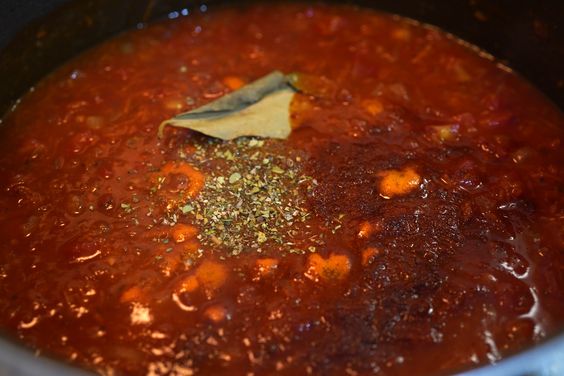
add the meat back, add seasonings, oregano, bay leaf, cumin, paprika, basil, salt & pepper let it cook for 5 min, then mix it with pasta and its good to go.
Garnish the dish with parmesan and chopped parsley
Video
My go-to list of authentic ingredients and essential kitchen gear. Read the Guide
Don’t rush the tomatoes. Worth repeating. This is the whole dish.
Brown the meat properly — real color means real flavor. Don’t just grey it.
Blend the sauce if you like it smooth, or leave it rustic. Both are traditional; it’s preference.
A little honey balances the acidity of the tomatoes. Taste before adding more.
Mix the pasta into the sauce rather than plating sauce on top — that’s the homestyle way, and the pasta carries more flavor for it.
Finish with parmesan and parsley — the Italian influence, kept.
Choose good quality meat; 80/20 (80% lean – 20% fat) is more than fine. If you want to go 70/30, it will have a better flavor since this dish requires cooking for a long period of time and the fat will provide more flavor
The funny thing is that in the United States, canned tomatoes are much less expensive than fresh tomatoes. In Peru, it is not common to use canned food, but there are some advantages to using canned tomatoes; one of these would be that they are super ripe, which is perfect for preparing this dish
Spices are an important part of the dish and will give flavor, aroma, and balance to the dish.
Once you have the meat ready, there is no ‘right way’ to plate. You can put some on top of your pasta or mix the sauce with your pasta, it is up to you. At home, they used to mix it with the pasta, and personally, I like it that way.
What to Serve With It
At home we served it on its own, mixed into the pasta. But the classic Peruvian move is a side of papa a la huancaína — the creamy chili-cheese potato dish. Pasta and huancaína together sounds like a lot, and it is, and it’s wonderful.
Frequently Asked Questions
Why is it called “rojos” (red)? For the deep red sauce — from the tomatoes and, crucially, the ají panca, which gives it a darker, richer red than a plain tomato sauce.
How is it different from Italian bolognese? No wine, and the addition of ají panca (and sometimes ají mirasol). The result is earthier and slightly smoky compared to a classic bolognese.
What is ají panca? A dried Peruvian red chili, mild rather than hot, with smoky and earthy notes. It’s sold as a jarred paste online and keeps for months.
Can I use any pasta? Yes. Spaghetti is standard, but Peruvians famously use whatever noodle they have and still call it tallarines rojos. Use what you like.
Can I make the sauce ahead? Absolutely — this one’s even better the next day. Make the sauce ahead and cook fresh pasta when you’re ready to serve.
Do I have to blend the sauce? No. Blending gives a smooth, restaurant texture; leaving it gives a chunkier, rustic sauce. Both are legitimate.
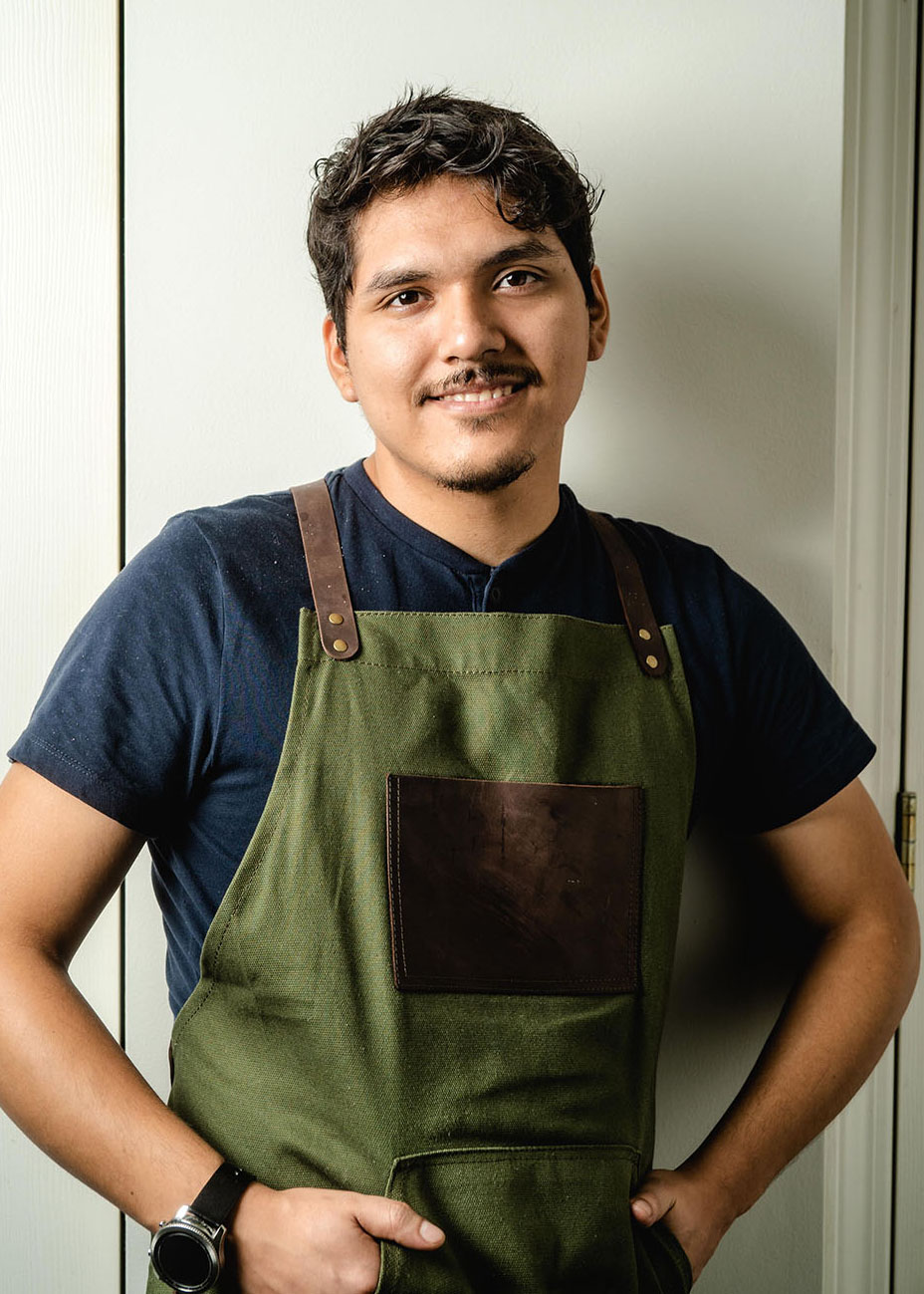
Brandon Castillo - Peruvian Chef & Recipe Developer
Brandon Castillo is a Peruvian chef and recipe developer based in New York. Born and raised in Peru, he shares authentic Peruvian recipes adapted for home cooks in the United States. You can find him on Instagram, TikTok, and YouTube @chewinghappiness.
Tried it? Let me know. Leave a rating and a comment below — it helps other cooks find this recipe, and I read every single one.
2 Comments
Tatiana Lopez
on June 10, 2024 at 8:08 pm
Muy rica receta. It’s a great recipe, with good flavors.


2 Comments
Muy rica receta. It’s a great recipe, with good flavors.
Thanks! I am glad you liked it