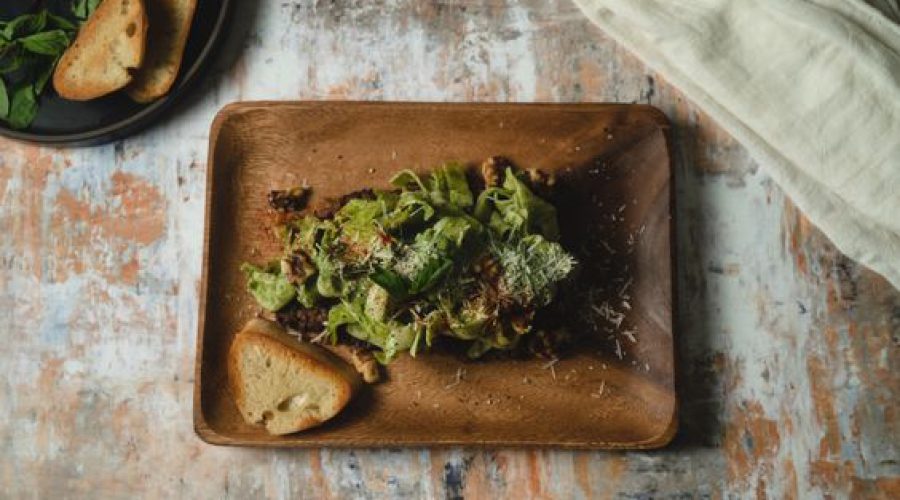
Tallarines Verdes Recipe (Peruvian Green Pesto Pasta)
Disclosure: As an Amazon Associate I earn from qualifying purchases. Some links in this post are affiliate links, meaning I may earn a small commission at no extra cost to you.
In my house, this dish never fails. The kids ask for it, the adults go back for seconds, and if I make enough, the leftovers turn into a different meal the next day alongside Papa a la Huancaina. I never have to cook anything new. That is the magic of Tallarines Verdes in my kitchen.
It is one of the dishes I make most often, especially during the summer. I actually reached the point of keeping a basil plant at home because it makes total sense. During the season, it gives me enough leaves so I do not have to run to the supermarket every week, and the sauce always comes out fresher when the basil comes straight from the plant.
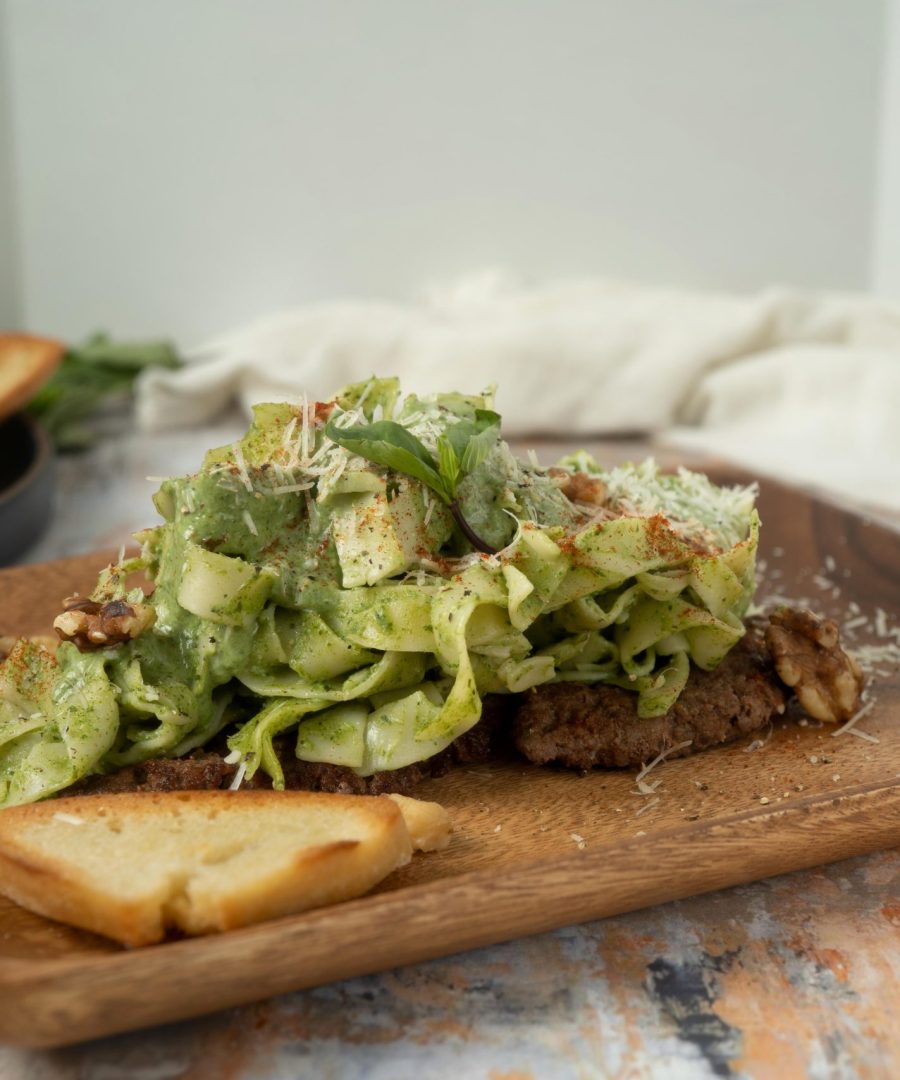
At my grandmother Ismelda’s house, this dish always appeared at family gatherings. She would serve it with a crispy breaded steak right on top, and I would wait for it eagerly. This meal brings back memories of a full table, of family eating and laughing together. It is a simple dish that carries a lot of weight for me.
What Are Tallarines Verdes?
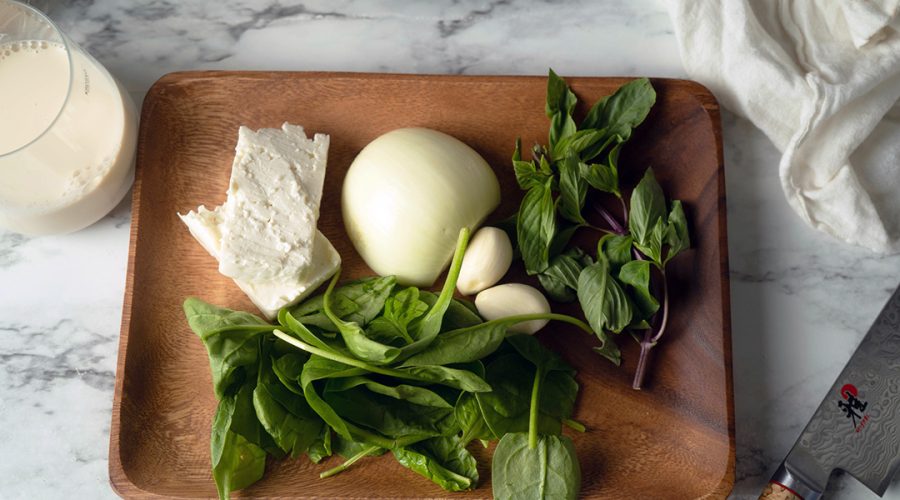
Tallarines Verdes is the Peruvian version of Italian pesto, a creamy green sauce made with basil, spinach, queso fresco, evaporated milk, onion, and garlic, tossed with pasta and usually served with a cut of meat.
The connection to Italy is not a coincidence. During the 19th and 20th centuries, a significant wave of Italian immigrants arrived in Peru and brought their culinary culture with them. Over time, that influence adapted to local ingredients, and the classic Italian pesto transformed into something different and completely Peruvian.
What distinguishes it from classic pesto is the texture and the flavor. The spinach softens the slight bitterness of the basil, the queso fresco replaces parmesan in the base to give it a unique creaminess, and the evaporated milk binds everything into a sauce that is smoother and less intense than Genovese pesto. The base ingredients are also sautéed in a pan before blending, which completely changes the flavor profile.
Where to Find the Peruvian Ingredients in the US
The ingredients for this recipe are incredibly easy to find in any American supermarket. Fresh basil is in the produce section, spinach is everywhere, and evaporated milk is readily available in the baking aisle.
The queso fresco is the only item that might require a quick search, though most major chains now carry it in the Latin dairy section alongside brands like Cacique or La Vaquita. If you absolutely cannot find it, mild cotija cheese softened with a little extra milk is the closest substitute.
If you have a balcony or a sunny window, I highly recommend keeping a basil plant. In the summer, it produces enough leaves to make this sauce regularly without relying on those small, expensive plastic clamshells from the store, and the difference in freshness is very noticeable.
Tallarines Verdes is a creamy Peruvian pesto made with basil, spinach, queso fresco, and evaporated milk. It is smoother than Italian pesto and ready in 30 minutes.
Course Main Course
Cuisine peruvian
Keyword basil spinach pasta, green spaghetti, Peruvian green pasta, Peruvian pesto, pesto, Tallarines Verdes recipe
Prep Time 7 minutesminutes
Cook Time 23 minutesminutes
Total Time 30 minutesminutes
Servings 4People
Author Brandon Castillo
Ingredients
4Piecesof your favorite cut of meat
4portionsof cooked pasta
2Tablespoonsof Butter
1Oniondiced
3Garlic Clovesminced
3cupsof Spinach leaves
2cupsof Basil leaves
200grof fresh cheese
1.5cupsof Evaporated Milk
Parmesan Cheese to garnish
Salt and Pepper
Instructions
In boiling water blanch your Spinach and Basil leaves for 45 seconds then reserve.
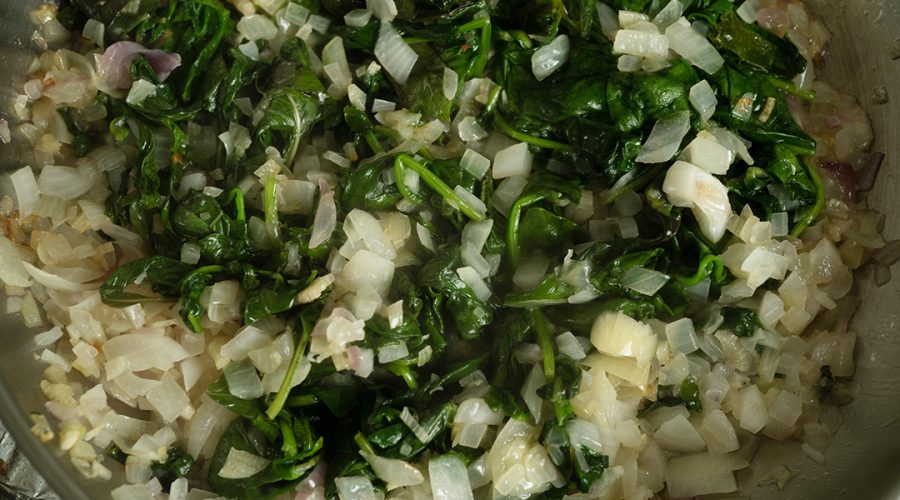
In a pan add the butter, let it melt and cook the onions, garlic until tender then adds the leaves and let it sit for a minute then reserve.
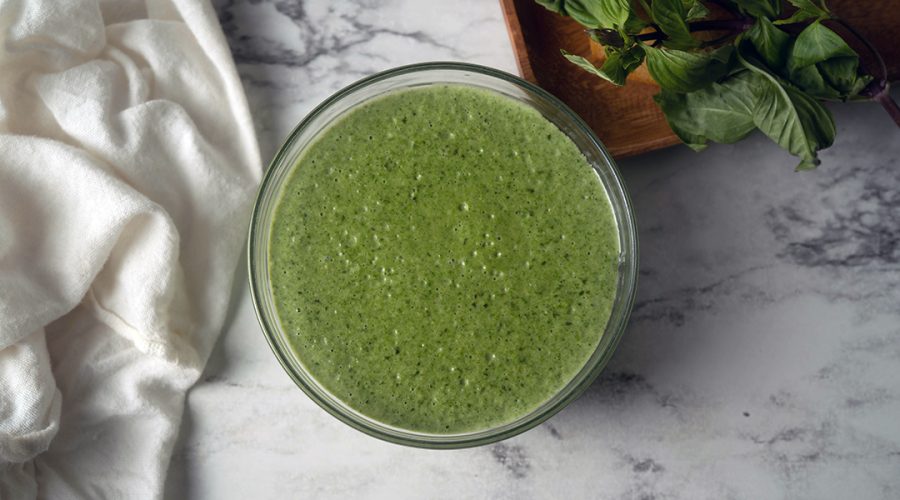
In a Blender add, leaves, cooked onion, garlic, milk ,cheese add some salt , pepper and process everything until smooth
Add the "Peruvian Pesto" to the pasta, let the pasta be covered by the sauce, sever with some parmesan, and your favorite cut of meat
My go-to list of authentic ingredients and essential kitchen gear. Read the Guide
Blanch the leaves quickly and shock them in cold water You only need to boil the spinach and basil for exactly 45 seconds. Immediately plunging them into a bowl of ice water stops the cooking process and preserves that intense, vibrant green color.
Cook the onion and garlic thoroughly before blending They need to be completely tender and translucent with no bitter bite left. Cook them over medium heat patiently for at least 5 minutes. If you blend them raw, the sauce will have a sharp, pungent onion flavor that never goes away.
Blend until completely smooth The texture of this sauce must be smooth with no chunks. If your blender is struggling, stream the evaporated milk in slowly to help the blades catch the ingredients and process them down.
Mix the pasta and sauce in a pan Do not just pour the cold sauce over plain pasta on the plate. Put the sauce in a large pan over low heat, add the cooked pasta, and toss well so every single noodle is completely coated. This integrates the flavor properly.
The ingredients we will use for the Peruvian-style pesto are really easy to get
It is important to let your ingredients cook down properly, otherwise they will be too moist.
Once your Peruvian-style pesto is done, you can mix it with anything you want
What to Serve With It
Traditionally, this pasta is served with a breaded, pan-fried steak (apanado) right on top or on the side. That is how it was always served at my grandmother’s house. It also works perfectly with grilled chicken, a simple steak, or even just a heavy grating of parmesan cheese if you want a lighter meal.
Serving Tallarines Verdes on the exact same plate as Papa a la Huancaina is one of the greatest combinations in all of Peruvian cuisine. If you have never tried it, that needs to be the next recipe you make.
Storage
The green sauce on its own stores beautifully in an airtight container in the refrigerator for up to 3 days. Pour a very thin layer of olive oil over the surface before sealing it to prevent oxidation and keep the bright color. When reheating, warm it gently in a pan over low heat, adding a small splash of milk if it has thickened too much.
Pasta that has already been mixed with the sauce also stores well, though the noodles will absorb the sauce overnight and become much denser the next day.
Frequently Asked Questions
What is the difference between Italian pesto and Peruvian Tallarines Verdes? Italian pesto uses raw basil, pine nuts, olive oil, garlic, and parmesan, resulting in an oily, intense, and herbaceous sauce. Tallarines Verdes uses a mix of blanched basil and spinach, sautéed onions, evaporated milk, and queso fresco, resulting in a creamier, softer sauce.
Can I make this without spinach? You can, but it will taste much sharper. The spinach is essential for balancing the strong flavor of the basil and provides the bulk needed to give the sauce its signature creamy texture.
Can I use regular milk instead of evaporated milk? Evaporated milk provides a very specific cooked-milk flavor and richness that regular milk cannot match. If you only have regular milk, the sauce will be much thinner and lack the traditional Peruvian taste.
Can I freeze the sauce? Yes, but you must freeze the sauce on its own, before mixing it with pasta. Store it in an airtight container for up to 2 months. Thaw it in the refrigerator overnight and reheat gently on the stove, whisking in a little milk to restore the creamy texture if it separates.
Brandon Castillo - Peruvian Chef & Recipe Developer
Brandon Castillo is a Peruvian chef and recipe developer based in New York. Born and raised in Peru, he shares authentic Peruvian recipes adapted for home cooks in the United States. You can find him on Instagram, TikTok, and YouTube @chewinghappiness.
Tried it? Let me know. If you made this recipe, let me know how it went in the comments below! Find me on Instagram at @ChewingHappiness.