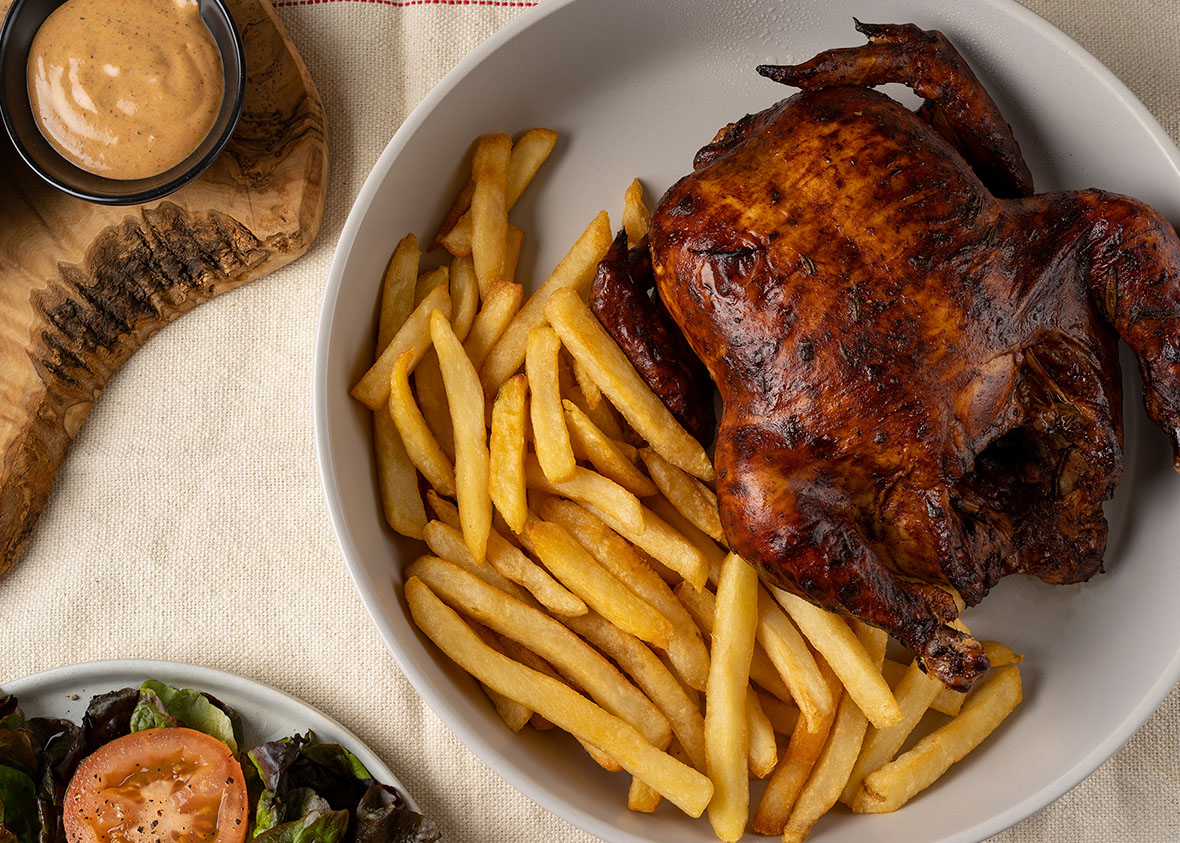
Escabeche de Pescado (Peruvian Spicy and Sour Fish) ES Disclosure: As an Amazon Associate I earn from qualifying purchases. Some links in this post are affiliate links, meaning I may earn a small commission at no extra cost to you. As a kid, I choked on fish bones more times than I’d like to remember. It wasn’t just once or twice. It was enough times to develop a difficult relationship with fish for years. My grandmother cooked for a lot of people and didn’t have time to pick every piece clean, so she simply warned us to be careful. I tried, but the bones always won. My mother understood. She cooked me fillets, no bones, no surprises. And even though the trauma of the bones was still there, the flavor of Escabeche stuck with me since I was little. The sweetness of the sweet potato balancing the acidity of the sauce, the crunchy and slightly bitter onion, the olives, the hard-boiled egg, the aroma of the ají amarillo. That dish is a symphony of flavors. When I went to culinary school in Lima, I learned how to debone a fish properly, how to handle it, and to understand what makes fish an extraordinary protein when cooked well. That’s when I started discovering dishes where fish is the star: Ceviche, Pescado a lo Macho, Sudado de Pescado, Seco de Pescado y Mariscos, Jalea Mixta. My relationship with fish changed completely. Today, Escabeche de Pescado is one of my favorite dishes. And this version turns it into a main course, not just an appetizer, with generous portions and white rice on the side if you want it really “taypá” (hearty). What is Escabeche de Pescado? For this recipe, use boneless fillets. That’s the first rule. Escabeche has a sauce with a strong personality, so you need a firm-fleshed fish that can withstand cooking without falling apart. In Peru, corvina or sole (lenguado) is traditionally used. In the United States, the most accessible options with a similar texture are tilapia, mahi-mahi, or basa. Mahi-mahi is my preference because it has firm meat, a milder flavor, and holds up perfectly to the flouring and frying process. If you use frozen fish, thaw it completely and dry it thoroughly with paper towels before flouring. Excess water prevents proper browning, and the flour won’t stick. The flavor of frozen fish is milder than fresh, but the escabeche sauce, with all its spices and aromatics, compensates for it beautifully. What Fish to Use? If you’ve seen “papas rellenas” in the US before, chances are it was the Cuban version, round potato balls stuffed with picadillo, popular in Miami and Tampa. The Peruvian papa rellena is a different dish, and the difference matters: Shape: Peruvian papa rellena is elongated and oval, like a large croquette or a stuffed potato torpedo. Cuban papas rellenas are round balls. The filling: This is the big one. What makes it Peruvian is ají panca in the beef filling. It gives the meat that dark color, smoky aroma, and unmistakable flavor no other spice can replace. The classic filling also includes hard-boiled egg, black botija olives, and sometimes raisins. How it’s served: Always with sarza criolla (pickled red onion salad) and a slice of lime. That acidity against the fried potato is the whole point. Nowadays you can find versions filled with chicken, seafood, even vegetarian fillings, but the classic always comes back to ground beef with ají panca. Where to Find the Peruvian Ingredients in the US Ají amarillo is the ingredient that gives the sauce its golden color and characteristic fruity heat. You can find it in Latin markets or online. (Amazon link for ají amarillo) Ají panca paste provides the dark color and smoky depth. You can also find it in Latin markets or online. (Amazon link for ají panca paste) Sweet potatoes can be found in any American supermarket in the produce section. Peruvian Escabeche de Pescado featuring pan-fried floured fish fillets, ají amarillo and ají panca vinegar sauce, served with boiled sweet potato, hard-boiled eggs, and olives. Sweet, acidic, and spicy in every bite, ready in 30 minutes. Tips for the Best Escabeche de Pescado Use boneless fillets: Escabeche has too many elements on the plate for the guest to worry about bones. Clean fillets, no surprises. Dry the fish well before flouring: Moisture is the enemy of a good sear. Pat each piece dry with paper towels, season with salt and pepper, and toss in flour right before it goes into the pan. Don’t flour in advance because the flour will absorb moisture and the crust won’t turn out right. Cook the fish over medium-low heat: Not high heat. The fish needs to cook from the inside out without burning on the outside. Be patient with this step; get an even golden brown on both sides, then reserve. Onions should be wedged, not diced: The wedge cut is a crucial part of the escabeche texture. The onions need to be tender but still have some bite to them, not falling apart. That contrast between the onion and the fish is key to the dish. Potato starch at the end: Dilute it in a little cold water before adding it to avoid lumps. It gives the sauce that glossy consistency so it clings to the fish instead of pooling at the bottom of the plate. Sweet potatoes should be cooked, not fried: Steamed or boiled until tender. Their natural sweetness is what balances the acidity of the sauce. Ingredients are really easy to get. If you can not get “Ají Amarillo,” you can replace it with Any Chili or Pepper you have on hand. You can use your favorite Fish, try to always use fresh, frozen does not taste the same. Patience is the key to cooking, especially if you are cooking a dish for the first time. How to Serve It? As an appetizer: One piece of fish with sweet potato, a halved hard-boiled egg, and