Escabeche de Pollo Recipe (Peruvian Chicken Escabeche)
Disclosure: As an Amazon Associate I earn from qualifying purchases. Some links in this post are affiliate links, meaning I may earn a small commission at no extra cost to you.
My grandmother Ismelda made Escabeche de Pollo often, and the reason was simple. It was easy, it was cheap, and it always came out right.
You could use whatever cut of chicken you had. The main ingredients were onions, which were always in the house, ají amarillo, vinegar, and a little stock. It served with rice and potato or sweet potato. Nothing complicated, nothing expensive, and the result was a plate full of flavor.
I remember Sunday afternoons with my cousins, that smell of onions and ají cooking slowly in the pan, knowing that in a little while we were going to eat well. That is the memory I have of this dish.
The key to escabeche is not technique. It is patience. The onions have to cook slowly so they release their sweetness and the ají amarillo can integrate properly with the vinegar. If you rush it, the flavor is not the same.
What Is Escabeche de Pollo?
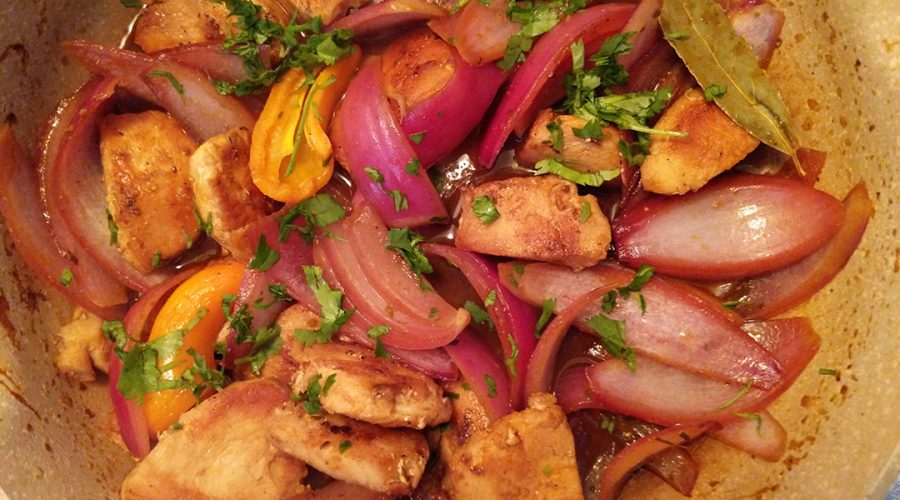
Escabeche is a cooking technique that comes from Spanish and Arab culinary traditions, brought to Peru and adapted over centuries with local ingredients. In the Peruvian version, the chicken is seared first for color, then cooked down with a base of ají amarillo in strips, red onion, ají panca paste, vinegar, and spices. The result is a stew that is acidic, lightly spicy, and deeply aromatic.
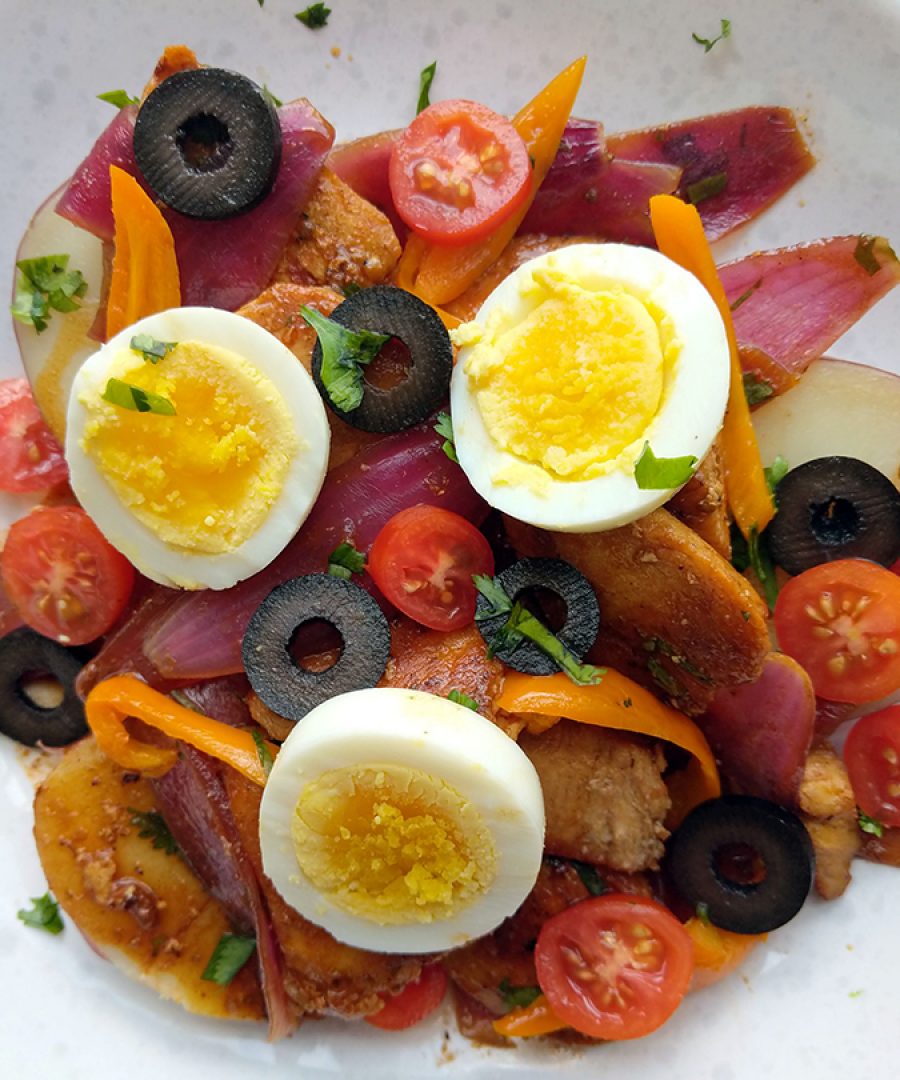
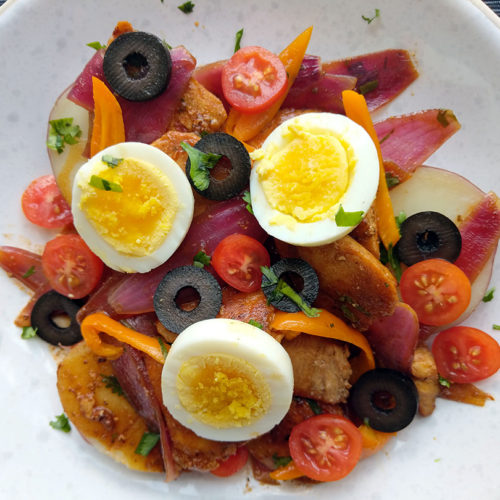
What makes it Peruvian is the ají amarillo cut into strips, which gives the dish its golden color and characteristic fruity heat, and the ají panca, which adds depth and a smoky undertone. It is served cold or at room temperature with boiled potatoes, sweet potato, olives, hard-boiled egg, and cilantro on top.
It is a Sunday dish, a grandmother dish, and a dish that tastes better the next day when the flavors have had time to settle.
Where to Find the Peruvian Ingredients in the US
Most of the ingredients for this dish are easy to find in any American grocery store. Chicken, onions, vinegar, potatoes. No issues there.
The ingredient that takes more effort is ají panca paste, which is what gives the escabeche its color and that smoky, fruity depth that makes it unmistakably Peruvian. If you do not have a Latin grocery store nearby, you can find it on Amazon. I use Inca’s Food, it is a Peruvian brand and holds up well in dishes like this one. (Affiliate link: Inca’s Food ají panca paste on Amazon)
Ají amarillo is also an important part of the dish; you can find it frozen at your favorite Latin supermarket, but if not, you can find it canned on Amazon (Affiliate link: Inca’s Food ají amarillo paste on Amazon)
Escabeche de Pollo is a Peruvian chicken stew made with ají amarillo strips, red onion, ají panca paste, and red wine vinegar. Served at room temperature with boiled potatoes, hard boiled eggs, olives, and cilantro.
Course Plato de fondo
Cuisine peruvian
Keyword escabeche
Prep Time 10 minutesminutes
Cook Time 15 minutesminutes
Total Time 25 minutesminutes
Servings 4personas
Author Brandon Castillo
Ingredients
Vegetable Oil
2Red/Yellow onions in wedgesHeart removed
1Big Chili/ pepper in Julianneno seeds, no veins
1Garlic Clove
1tablespoonof "Aji Panca Paste"
1/2cupof red vinegar or red wine
1/4cupof chicken stock
1bay leaf
500grChicken Breast diced (1.1lb)
2hard boiled eggs
2cooked Potatoes
1/4cupof Cilantro leaves
Kalamata olives to garnish
1teaspoonof Paprika
1teaspoonof cumin
1/2 teaspoon of black pepper
2tablespoonof salt
2tablespoonof sugar
Instructions
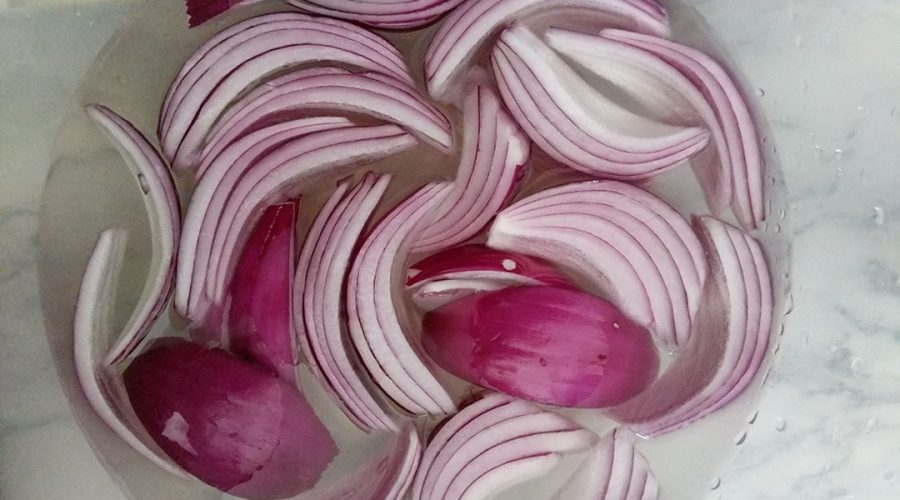
In a bowl add 1 tbsp of sugar, salt, some ice, and 1.5 cups of water, soak your onions in the mix for at least 15 min, this will make them more crispy and less bitter.
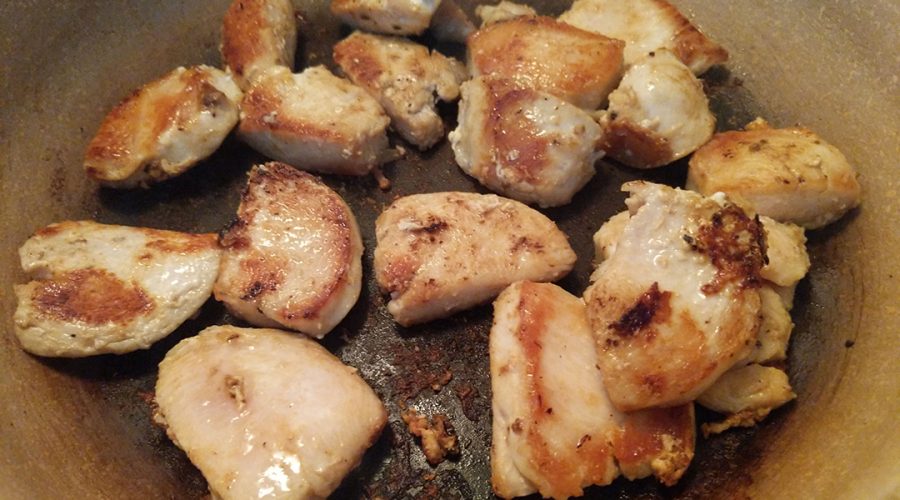
Sprinkle some salt, pepper to your chicken, in a hot pan add some oil and cook your chicken 3 min per side. then reserve
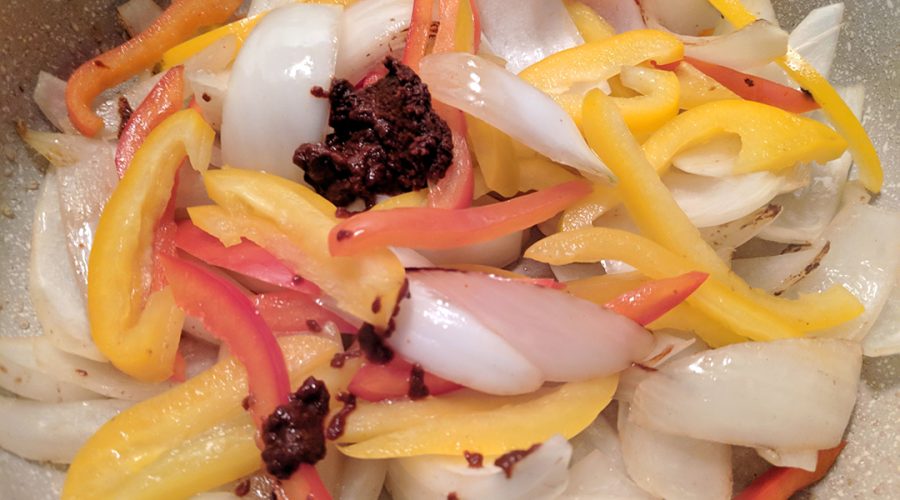
In the same pan add your onions,chili/pepper, garlic, Aji Panca paste and let them cook in low/medium temp for at least 5 min.
Add your chicken back, add vinegar, chicken stock, bay leaf and bring it to a boil then add the rest of seasoning, turn off the heat and let it rest for at least 5 min. serve with cooked potatoes, Kalamata olives, some cilantro on top along with hardboiled eggs.
Notes
You can use chicken breast for a fast dish, or you can use other cuts of chicken for a more traditional Escabeche, up to you- just adjust the cooking time accordingly.
My go-to list of authentic ingredients and essential kitchen gear. Read the Guide
Sear the chicken first: Do not skip this step. The color on the surface of the chicken is where the flavor lives. Three minutes per side over high heat without moving it until it has color, then set it aside. It will finish cooking in the sauce.
Soak the onions before cooking: Add a tablespoon of sugar, a tablespoon of salt, some ice, and 1.5 cups of water to a bowl and soak the onions for at least 10 to 15 minutes. This pulls out bitterness and makes them crisp up beautifully in the sauce.
Cook the onions low and slow: Escabeche does not get rushed. The onions need time at low to medium heat to release their natural sweetness and integrate with the ají and vinegar. High heat leaves them raw in the center and bitter on the outside.
Do not overdo the vinegar: Vinegar is the backbone of escabeche but too much kills everything else. The right proportion is 1/4 cup for four portions. Taste before adding more.
Let it rest before serving: At least five minutes off the heat before plating. If you make it the day before and refrigerate it overnight, it is even better. The flavors settle and the whole dish becomes more cohesive.
Use whatever chicken you have: Thighs and drumsticks are the best cuts for this dish because they hold up to the cooking without drying out. Breast works but watch the timing carefully so it does not overcook.
If you are not a big fan of onions, soak them in water to reduce their bitterness.
Cook the meat properly, don’t overcook it!
This dish is really straightforward, simple, and good.
What to Serve With It
Escabeche de Pollo is traditionally served with boiled potatoes or sweet potato, hard-boiled eggs cut in half, Kalamata olives, and fresh cilantro on top. Some people add lettuce underneath as a base. A few cherry tomatoes on the side add freshness and a little sweetness that cuts through the acidity of the sauce.
Serve it with white rice on the side. The rice soaks up the escabeche sauce and rounds out the plate.
Storage
Refrigerator: Escabeche de Pollo keeps for up to 3 days in an airtight container. It is one of those dishes that improves with time. Day two tastes better than day one.
Freezer: Not recommended. The onions lose their texture completely after freezing and thawing and the sauce breaks down.
Make ahead: This is the ideal dish to prepare the day before. Make the full escabeche, let it cool, refrigerate overnight, and serve the next day warm but not boiling, with freshly made rice and sweet potato on the side.
Frequently Asked Questions
Can I use a different chili if I cannot find ají amarillo? Yes. Jalapeño with seeds removed is the closest in terms of heat level. Orange or yellow bell pepper mixed with a small amount of hot sauce works if you want the color without the heat. The flavor will be different but the dish holds up.
Should I serve escabeche hot or cold? Both are correct and it comes down to preference. In Peru it is traditionally served at room temperature or slightly warm, never piping hot. Cold straight from the refrigerator the next day is also excellent, especially in summer.
What is the difference between Peruvian escabeche and other escabeche dishes? The Spanish and Latin American versions of escabeche vary widely. The Peruvian version is defined by the use of ají amarillo in strips and ají panca paste in the base, which give it a flavor profile that is distinctly different from the simpler vinegar-and-herb escabeches you find elsewhere in Latin America.
Can I make this with fish instead of chicken? Yes. Fish escabeche is another traditional Peruvian version. The technique is nearly identical but the fish cooks faster. Sear briefly, build the sauce, and finish the fish in the sauce off the heat so it does not overcook.
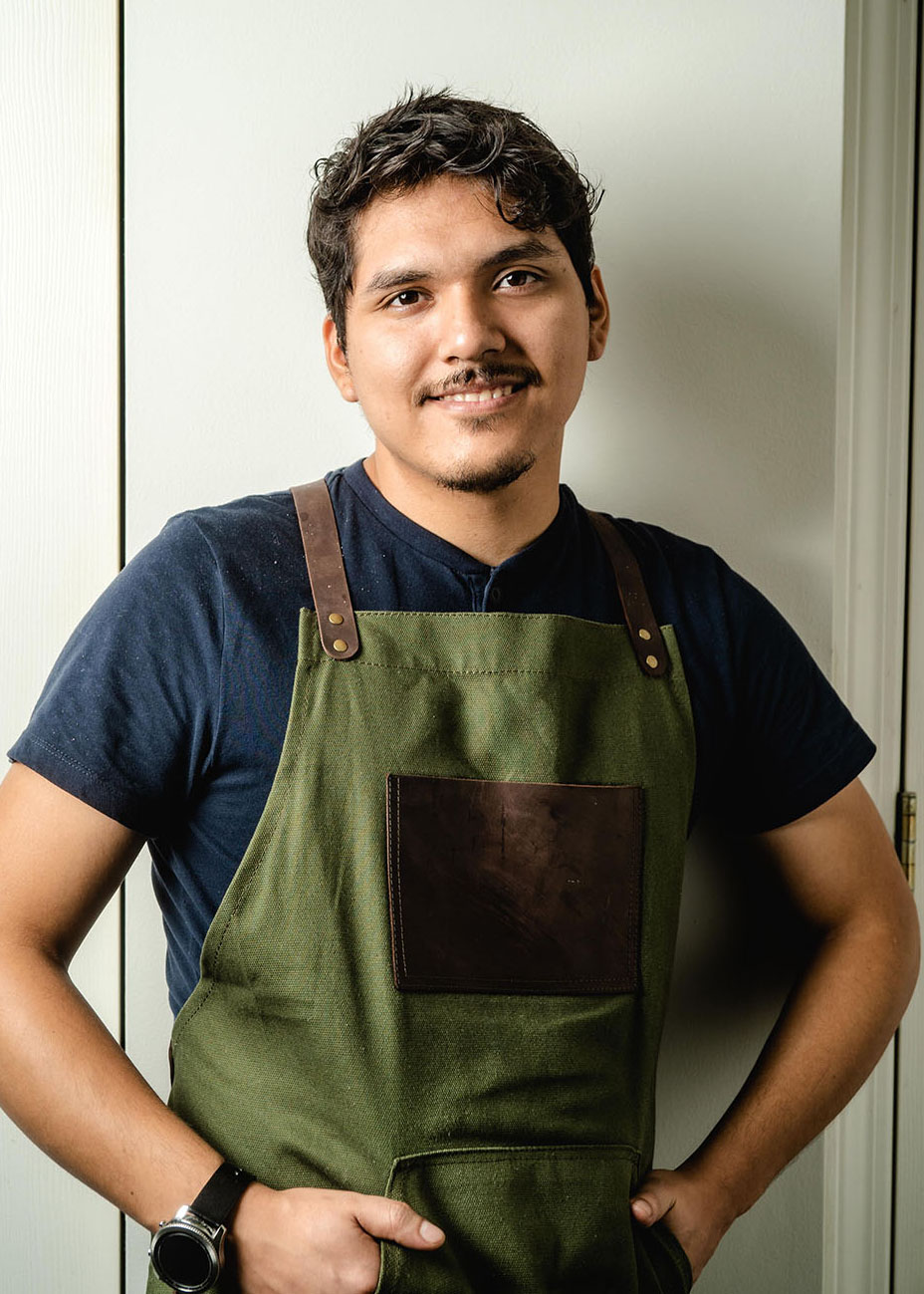
Brandon Castillo - Peruvian Chef & Recipe Developer
Brandon Castillo is a Peruvian chef and recipe developer based in New York. Born and raised in Peru, he shares authentic Peruvian recipes adapted for home cooks in the United States. You can find him on Instagram, TikTok, and YouTube @chewinghappiness.
Tried it? Let me know.
Leave a comment below and let me know if you liked it, and if you want to keep going with Peruvian classics, the Ají de Gallina recipe is worth making next.