Disclosure: As an Amazon Associate I earn from qualifying purchases. Some links in this post are affiliate links, meaning I may earn a small commission at no extra cost to you.
My aunt Marina always liked to bake. As a kid I remember her constantly trying new recipes, and it did not always come out right. But she never stopped. I learned something from watching that, even before I understood cooking properly. Failing at something and stopping are two different decisions. You keep going until you get it right. That lesson stayed with me through culinary school, through every kitchen I worked in, through everything I have tried to build since.
That said, there was one dessert Marina always nailed. She was the only one in the family trusted to make Leche Asada, and that was not a small thing in a Peruvian household. Desserts travel between hands easily. Everyone has a version, everyone has an opinion. But Leche Asada was hers. My family did not request it from anyone else.
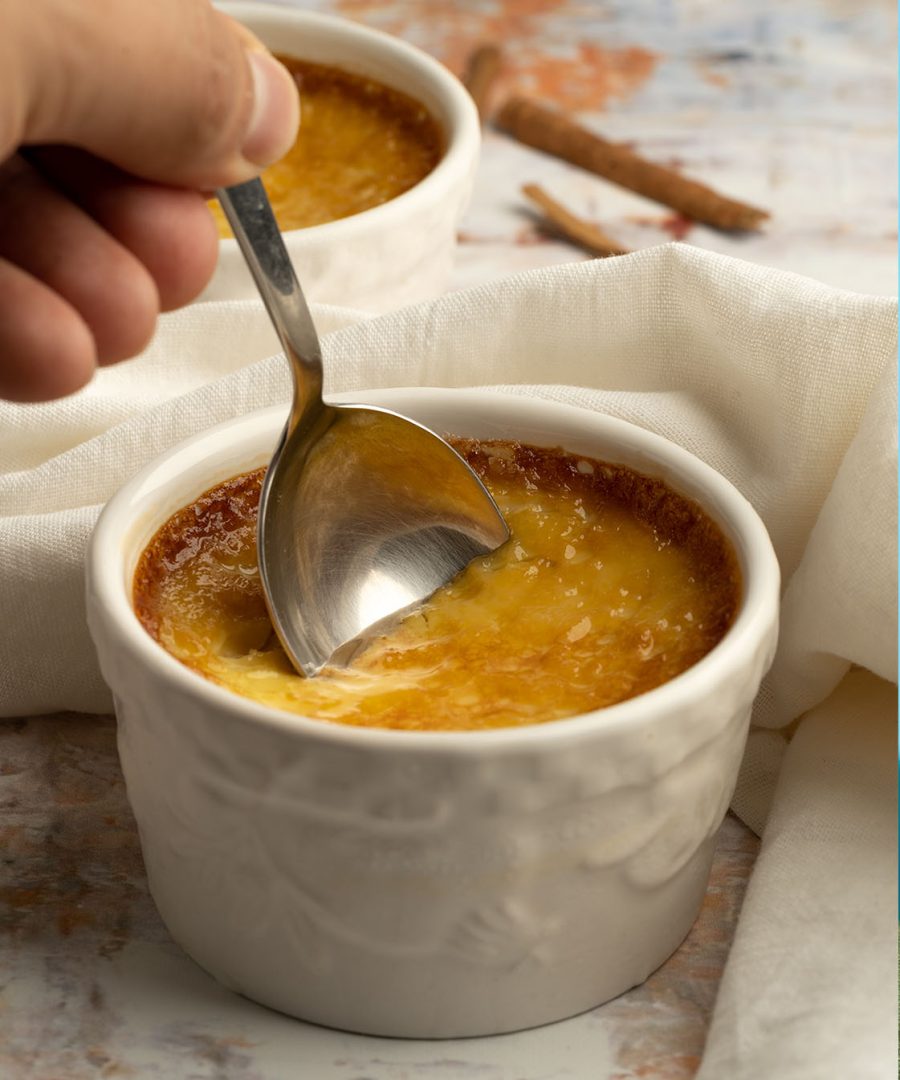
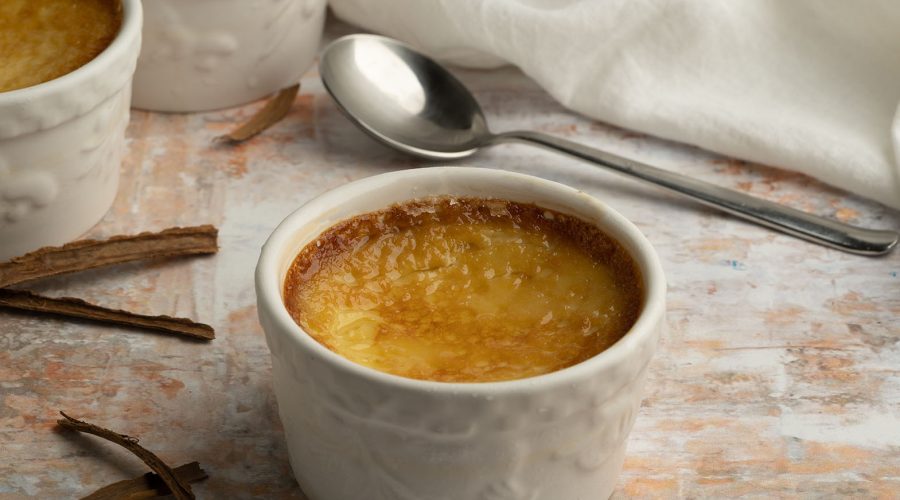
She got good at it the way people get good at things they make repeatedly for people they love. The top always came out the right color, that dark amber that looks like it went a minute too long but is actually exactly right. The custard underneath was smooth, cold from resting overnight, with the faint bitterness of the caramelized milk cutting through the sweetness.
She lives abroad now. But whenever she visits Peru, the first thing my family asks her to make is Leche Asada. Some things do not get reassigned.
This is my version of that dessert. It is not complicated. It just needs patience.
What Is Leche Asada?
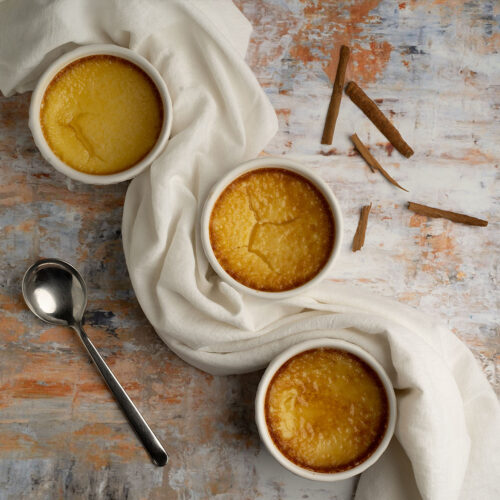
Leche Asada is a Peruvian baked custard made from whole milk, eggs, sugar, and vanilla. The name translates directly to roasted milk or baked milk, which describes exactly what happens to the top during baking. The milk sugars caramelize under the oven heat and create a darkened crust without any added sugar or broiler.
It is often compared to creme brulee, and the visual similarity is real. Both are set custards with a darkened top. But the technique and the flavor are different. Creme brulee uses heavy cream and torches sugar on top after baking. Leche Asada uses whole milk, bakes the entire thing in a bain-marie, and lets the natural sugars do the work. The result is slightly less rich, with a faint bitterness from the caramelized milk that makes it distinct.
It is also significantly easier to make than creme brulee. No torch, no tempering cream, no precise sugar layer. Just a custard base, ramekins, a water bath, and time.
Peruvian vs. Cuban Papas Rellenas, What's the Difference?
If you’ve seen “papas rellenas” in the US before, chances are it was the Cuban version, round potato balls stuffed with picadillo, popular in Miami and Tampa. The Peruvian papa rellena is a different dish, and the difference matters:
Shape: Peruvian papa rellena is elongated and oval, like a large croquette or a stuffed potato torpedo. Cuban papas rellenas are round balls.
The filling: This is the big one. What makes it Peruvian is ají panca in the beef filling. It gives the meat that dark color, smoky aroma, and unmistakable flavor no other spice can replace. The classic filling also includes hard-boiled egg, black botija olives, and sometimes raisins.
How it’s served: Always with sarza criolla (pickled red onion salad) and a slice of lime. That acidity against the fried potato is the whole point.
Nowadays you can find versions filled with chicken, seafood, even vegetarian fillings, but the classic always comes back to ground beef with ají panca.
If You Are in the US
The one ingredient worth paying attention to is the cinnamon. This recipe calls for Ceylon cinnamon, also called Mexican cinnamon or canela. It is softer, more floral, and less sharp than the Cassia cinnamon found in most US grocery stores. The flavor difference in a milk-forward dessert like this one is noticeable.
Ceylon cinnamon is easy to find at Latin grocery stores or online. If you can only find Cassia, use half the amount since it is significantly more intense.
Leche Asada is a Peruvian baked custard with a naturally caramelized top made from milk sugars. Simpler than creme brulee, flavored with Ceylon cinnamon and vanilla, and best served cold after resting overnight.
Course Dessert
Cuisine peruvian
Keyword leche asada
Prep Time 5 minutesminutes
Cook Time 1 hourhour15 minutesminutes
Servings 8people
Author Brandon Castillo
Equipment
Deep baking pan
Towel
Ramekins
Ingredients
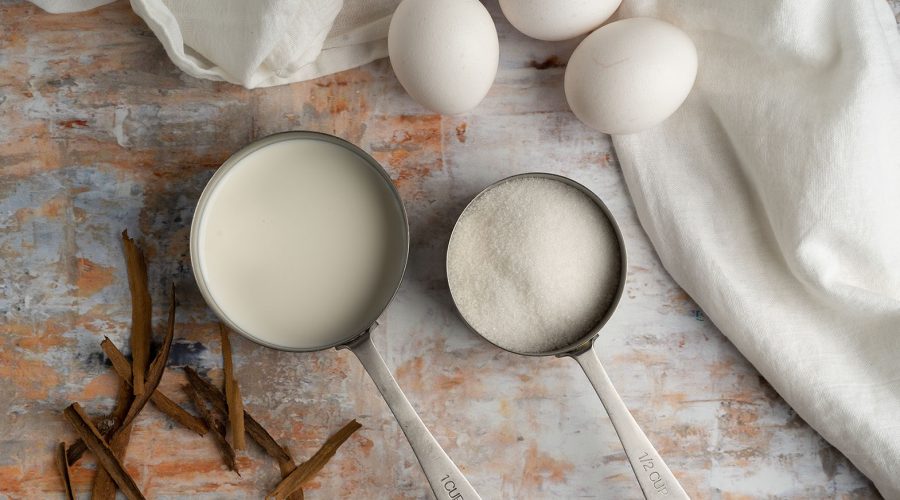
1500mlWhole Milk
2cupsWhite Sugar
4Ceylon Cinnamon Sticksa.k.a Mexican Cinnamon
1tspSalt
2tbspVanilla Extract
12Eggs Lightly beaten
1/4cupWhite sugar sprinkle on the top of ramekins before baking
Instructions
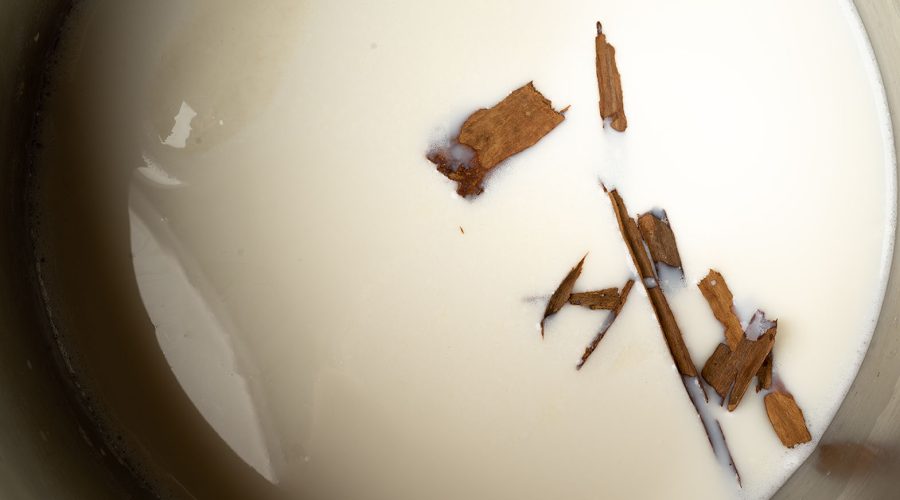
In a pot add milk, cinnamon, sugar, let it simmer until sugar is dissolved, this will add some flavor and prevent some lumps to be created, let it get to room temperature, then strain.
Set oven temperature at 350F /180C - Put a baking pan with hot water on it. and a towel in the bottom of the pan
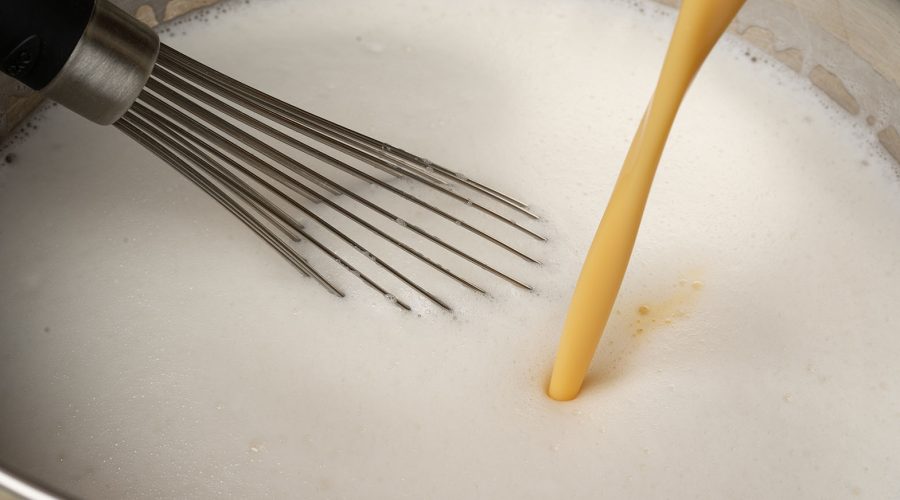
Once the milk is at room temp, add eggs, vanilla extract, salt, incorporate with a whisk and pour into ramekins, sprinkle some sugar on the top and bake it in a double boiler/bain-marie. Bake until the top of the custard starts to get some color (chard) (about an hour in the oven)
Once it is baked take it out let it cool down and refrigerate overnight.
Notes
You can eat it just after they come out of the oven, it needs time for the top to get some color, there is no need to use a broiler, bain-marie will prevent your custard to dry out.
My go-to list of authentic ingredients and essential kitchen gear. Read the Guide
Use a bain-marie without exception: The water bath regulates the oven temperature around the ramekins and prevents the custard from drying out or cracking. Set a deep baking pan in the oven, fill it with hot water, and place the ramekins inside. The water should come at least halfway up the sides of the ramekins.
Put a kitchen towel on the bottom of the baking pan: This dampens the heat coming directly from the bottom of the oven and prevents the base of the custard from overcooking before the top has time to color. It also keeps the ramekins from sliding around.
Let the milk cool before adding the eggs: If the milk is too hot when you whisk in the eggs you will scramble them. Let the infused milk come to room temperature after simmering, then strain it, then add the eggs. Do not rush this step.
Beat the eggs before they go in: Lightly beaten eggs incorporate more evenly into the milk and reduce the chance of streaks or lumps in the finished custard.
Bake until the top is genuinely dark: This is the part that makes people nervous. The top of a properly baked Leche Asada looks almost burnt. That color is correct. That is the caramelized milk. If the top is pale the custard will be underseasoned and missing the bitterness that defines the dessert.
Rest overnight in the refrigerator: Some people like to eat it straight out of the oven, and that is fine, but for best results you can leave it resting overnight in the fridge. The custard firms, the flavors settle, and the top layer develops its full character.
Ingredients are easy to get, and the steps are easy; all you need is a bit of patience to get the dessert right.
I like to infuse my milk rather than just add powdered cinnamon; it just makes the dessert look better, and it makes it have a better flavor.
What to Serve With It
Leche Asada is a complete dessert on its own. It does not need a sauce or a garnish. If you want to add something, a small amount of whipped cream on the side balances the slight bitterness of the top. A few fresh berries work well for color and acidity.
For a full Peruvian dessert table, pair it with Arroz con Leche or Mazamorra Morada. The contrast between the cold firm custard and the softer puddings makes for a good combination.
Storage
Leche Asada keeps well in the refrigerator for up to 4 days covered with plastic wrap. Do not freeze it. Freezing breaks the custard structure and the texture will not recover after thawing. It is best eaten cold, straight from the fridge.
Frequently Asked Questions
What is the difference between Leche Asada and Crema Volteada?
Both are Peruvian custard desserts, and they share some ingredients: milk, eggs, sugar. The key differences are technique and presentation. Crema Volteada is unmolded after baking, the way a flan is, and has a caramel sauce poured over it. Leche Asada stays in the ramekin and gets its sweetness from the caramelized milk sugars on top rather than from added caramel. Crema Volteada is softer and saucier. Leche Asada is firmer, slightly more bitter, and simpler to make.
What is the difference between Leche Asada and creme brulee? Creme brulee uses heavy cream and has sugar torched on top after baking. Leche Asada uses whole milk and relies on the natural milk sugars caramelizing during the bake. Leche Asada is lighter in texture, slightly less rich, and has a faint bitterness from the caramelized top that creme brulee does not. (find my Crema volteada recipe here)
Can I make Leche Asada in cups instead of ramekins? Yes. If using plastic cups, make sure the water in the bain-marie comes almost all the way up the side of the cup to prevent the exposed upper edge from burning before the custard sets.
Why is my custard grainy or full of bubbles? Grainy texture usually means the eggs were added to milk that was still too hot. Bubbles usually come from over-whisking. Incorporate the eggs gently with a whisk rather than beating aggressively, and strain the mixture before pouring into ramekins.
Can I use a vanilla bean instead of extract? Yes, and it is the better option if you have one. Split the bean and simmer it with the milk and cinnamon. The flavor is more complex and aromatic than extract.
How do I know when it is done? The top should be dark amber, visibly caramelized. The custard underneath should have a slight jiggle in the center when you gently shake the ramekin. It will firm up fully as it cools and rests overnight.
Brandon Castillo - Peruvian Chef & Recipe Developer
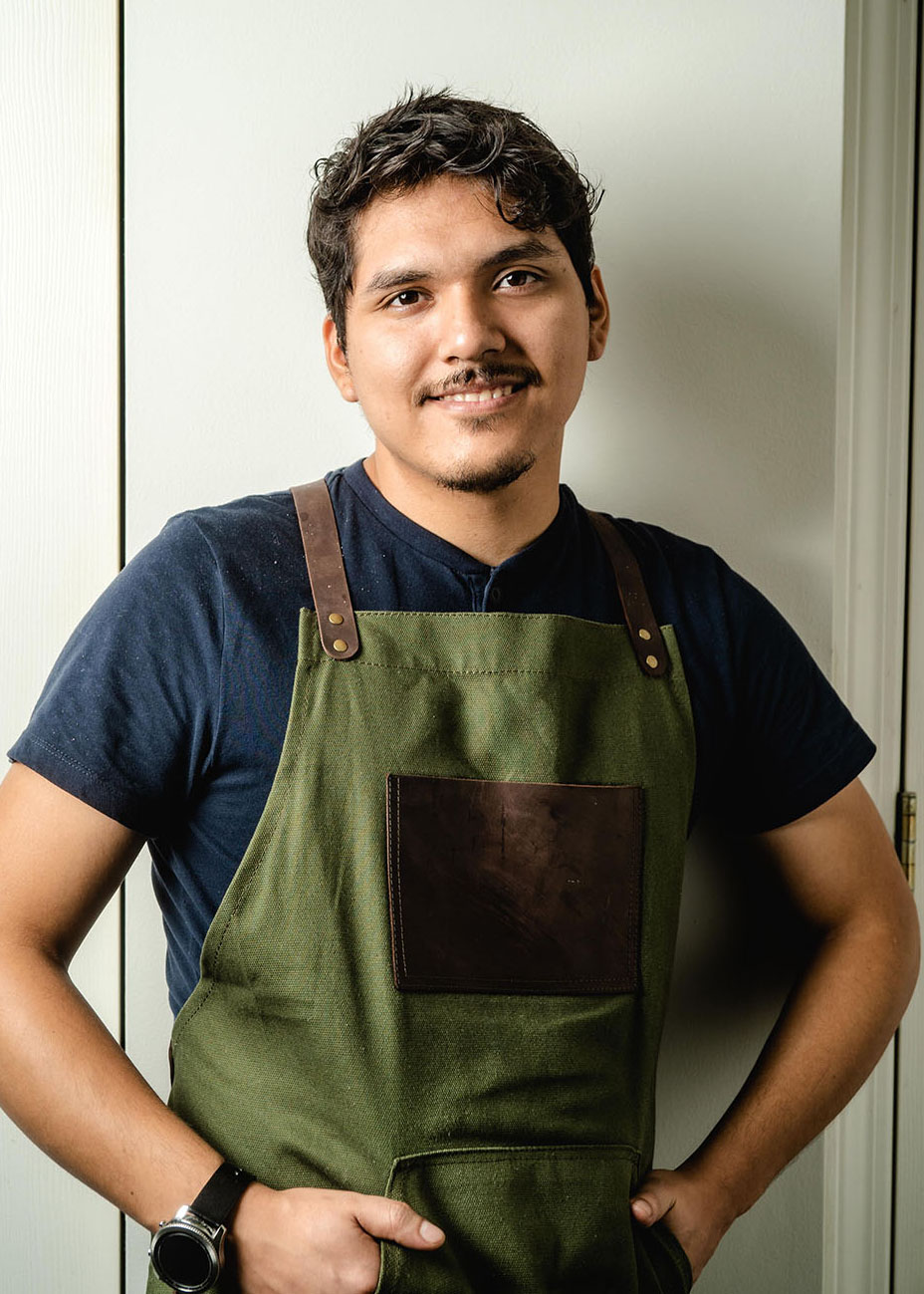
Brandon Castillo is a Peruvian chef and recipe developer based in New York. Born and raised in Peru, he shares authentic Peruvian recipes adapted for home cooks in the United States. You can find him on Instagram, TikTok, and YouTube @chewinghappiness.
Tried it? Let me know.
If you make this, leave a comment below and let me know how it turned out. And if you want to keep going with Peruvian desserts, the Alfajores recipe is worth your time next.