Disclosure: As an Amazon Associate I earn from qualifying purchases. Some links in this post are affiliate links, meaning I may earn a small commission at no extra cost to you.
It has become a tradition here to share a short story with every recipe, and the story behind Torrejas holds a very special place in my heart.
My dad did not cook at all. Like many men of his generation, he expected his wife to do the cooking. But my mom was studying at the university on weekends, so on those days, my dad had no choice. He usually bought takeout, but one day he decided to step into the kitchen and did his absolute best to make us “Torrejas.” Even though they needed a little more salt, we were so hungry and so surprised to see him cooking that it did not matter much.
But my true relationship with this dish goes beyond my childhood home; it lives in the streets of Lima.
The Classic “Pan con Torreja” (Street Cart Breakfast)
Back when I was studying to get my degree in Hotel and Restaurant Management, my schedule was insane. I took every course I could across all the different campus locations, so I spent my days commuting all over the city. I often had to wake up before dawn just to make it to my first class, which meant my breakfast sometimes was bought on the street.
In Lima, especially in districts like Surquillo, street corners fill up with breakfast carts the moment the sun comes up. They serve hot quinoa with milk, oatmeal with maca, or fresh coffee. The sandwiches (panes) are the same at almost every cart: pan con palta (avocado), pan con huevo (fried egg), pan con jamón y queso (ham and cheese), and of course, Pan con Torreja.
I have to admit I tried them all, but the Pan con Torreja is the one that brings me right back to those rushed mornings. It was a hearty, vegetable-packed breakfast that I knew would keep me fueled through a long day of classes.
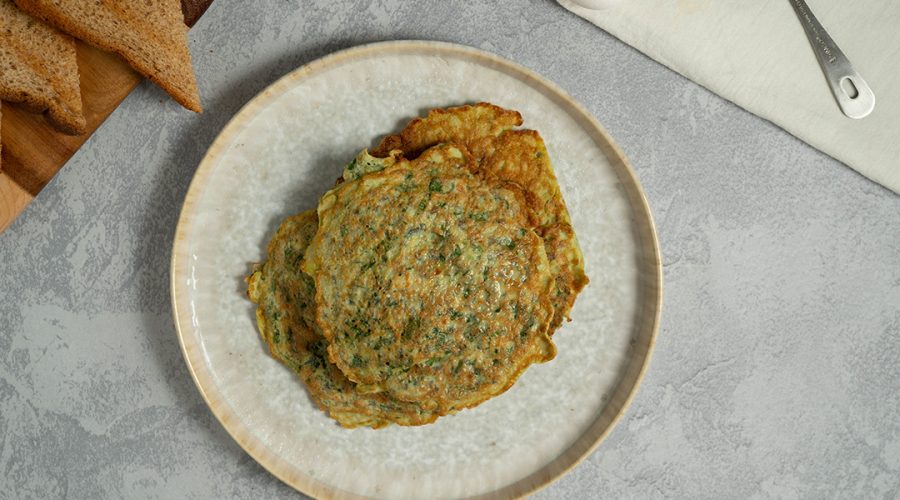
In Peru, a torreja is essentially a rustic fritter, sitting somewhere between an omelette and a savory pancake. The base is always made of eggs and a little flour for structure, and the filling can be almost anything you have in your fridge.
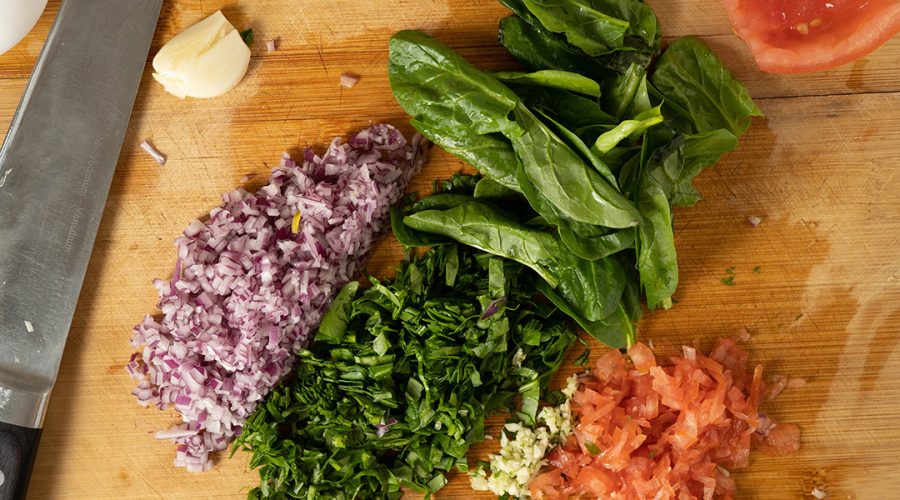
While you can make them with different ingredients, when a Peruvian says “Torrejas,” they are usually talking about this exact recipe: Torrejas de Espinaca (Spinach Fritters). Packed with fresh spinach, tomatoes, onions, and garlic, it is an incredible, quick way to sneak vegetables into your morning.
The biggest issue people have when making fritters at home is that they turn out soggy or absorb too much oil. Here are my chef tricks for perfect, golden torrejas:
Control the vegetable moisture
Tomatoes and spinach release a lot of water. The trick is to not mix the batter with the vegetables until the exact moment you are ready to fry. If you let the mixture sit in the bowl, the salt will draw the juices out of the vegetables, watering down the batter and ruining the texture.
Oil temperature is everything
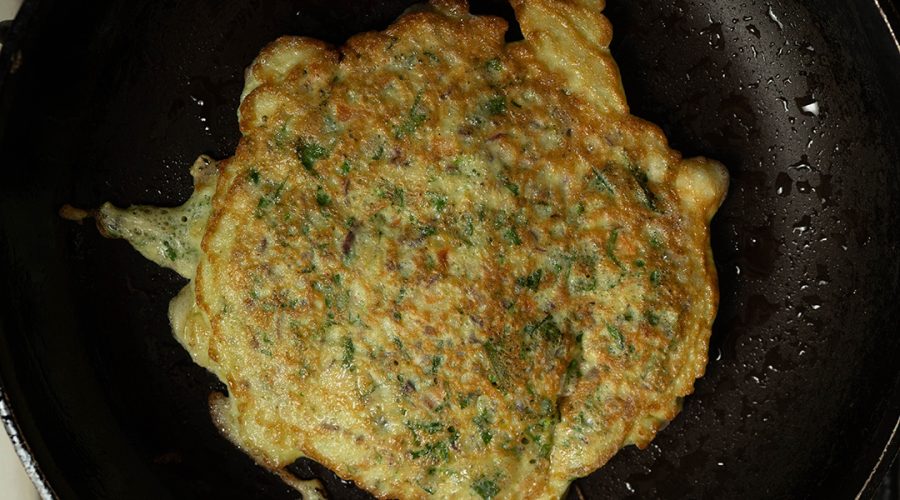
Your skillet needs to be at medium-high heat. If the oil is cold, the flour will act like a sponge and absorb all the grease, leaving you with a heavy fritter. If it is too hot, the outside will burn before the inside cooks.
Use a whisk
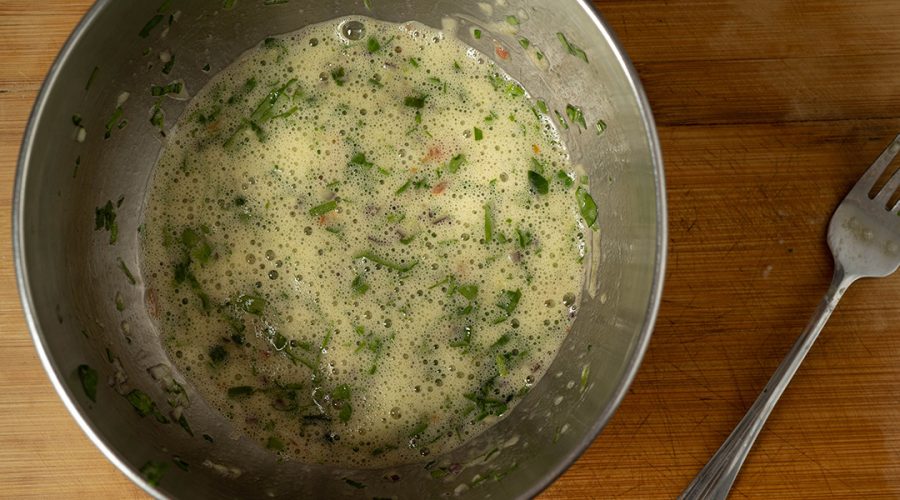
Beat the eggs very well before adding the flour. This prevents lumps from forming and whips air into the mixture, making your torrejas much fluffier and lighter.
Cooking this dish bring back a lot of memories not only my dad made torrejas, my grandmother also did and it was a “healthy” breakfast I used to help her and we cook a lot of items since we had to feed all my aunts, once we were done we sat together on a big table and talk I usually listened to my “abuelito” stories.
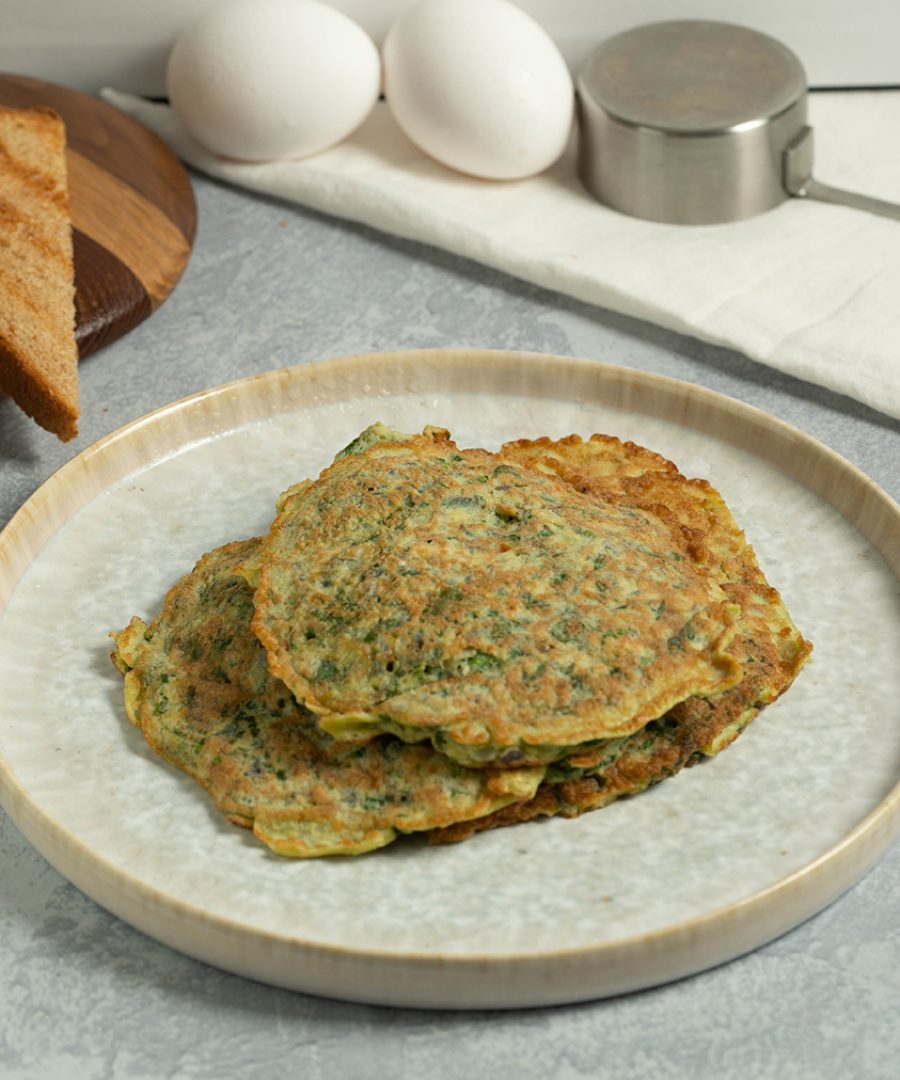
Make sure to beat up the eggs properly just to get the right consistency.
In Peru, torrejas are incredibly versatile:
For Breakfast: Serve them piping hot inside a crusty “pan frances” bread roll (like a sandwich) alongside a good cup of coffee or oatmeal.
For Lunch: They are a good side dish for a hearty bowl of Peruvian lentil stew (lentejas) and white rice.
Torrejas are significantly better when eaten freshly made, straight out of the pan, because they maintain their slightly crispy edges.
If you have leftovers, you can store them in an airtight container in the fridge for up to 3 days. Do not reheat them in the microwave, or they will become rubbery. To bring them back to life, heat them for a couple of minutes in a skillet over medium heat (without adding more oil), or pop them in the air fryer for 3 minutes.
Can I add tuna or meat to the batter?
Absolutely! In fact, “Torrejas de Atún” (Tuna Fritters) are another massive classic in Peruvian households. Just drain a can of tuna very well and mix it in with the spinach, onion, and tomato. You can also use leftover shredded chicken. The egg and flour base is very versatily and can hold almost any filling.
Why are my torrejas falling apart when I flip them?
This usually happens for two reasons: you are either flipping them too soon (before the egg has fully set and formed a golden crust to hold it together), or your mixture needed an extra tablespoon of flour for structure. Be patient, don’t move them for the first 3 minutes, and make sure the oil is hot before pouring the batter.
Can I make these gluten-free?
Yes, without a problem. You can substitute the all-purpose flour with oat flour for a slightly more rustic but equally delicious texture. Cornstarch also works in a pinch, though it will change the texture slightly and make them a bit more delicate to flip.

Tried it? Let me know.
Leave a rating and a comment below — it helps other cooks find this recipe, and I read every single one.