Disclosure: As an Amazon Associate I earn from qualifying purchases. Some links in this post are affiliate links, meaning I may earn a small commission at no extra cost to you.
When I first arrived in the United States I landed in a small town in southern Illinois. I was young, I had very little money, and almost everything that could go wrong did go wrong. But one thing always worked: food.
What I could afford was rice and beans. That was it. And from that I made Tacu Tacu, over and over, in a small kitchen far from Lima, trying to figure out how to build something in a country I was just beginning to understand. This dish was next to me during the hardest stretch of that time. It fed me when I had almost nothing. It reminded me that simple ingredients handled with care can become something worth eating.
Things started to change, and I started working. I remember well this time when a college hired me to do a cooking demonstration and prepare 300 bite-size Peruvian dishes for an event. I made over 100 Tacu Tacus that day. Mini portions, plated properly, looking like something from a real kitchen. People could not believe they were eating rice and beans. That moment mattered to me more than I can explain. I wanted to show that with the simplest ingredients you can achieve something great. Tacu Tacu proved that.
I stopped making this dish for a while after that because it carried too much weight. The struggle it reminded me of. But I have come back to it. The struggle looks different now, New York, a wife, kids, a full time job, a food blog, all of it at once. But the lesson the dish taught me in that small Illinois town is still the same. You work with what you have and you make it count.
This recipe is for the base Tacu Tacu, the side dish version that pairs with any protein. Rice and beans, a proper sofrito, and the right technique. Simple. Honest. And one of the most historically significant dishes in Peruvian cooking.
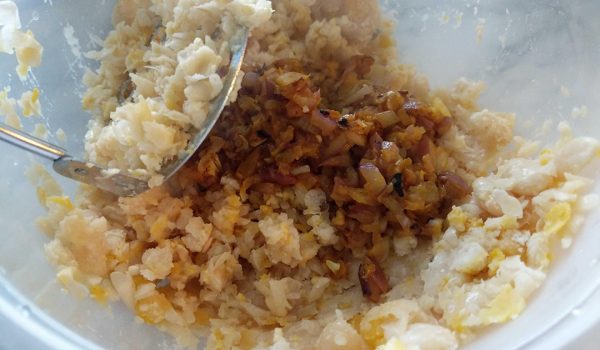
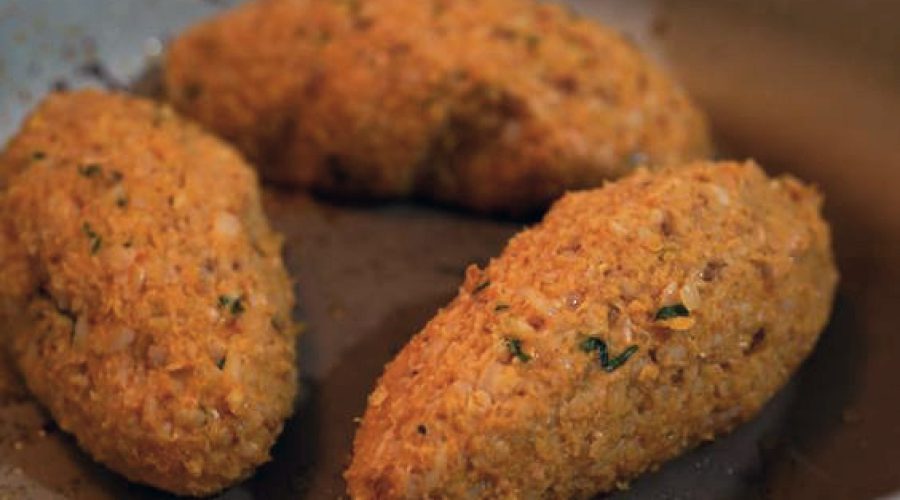
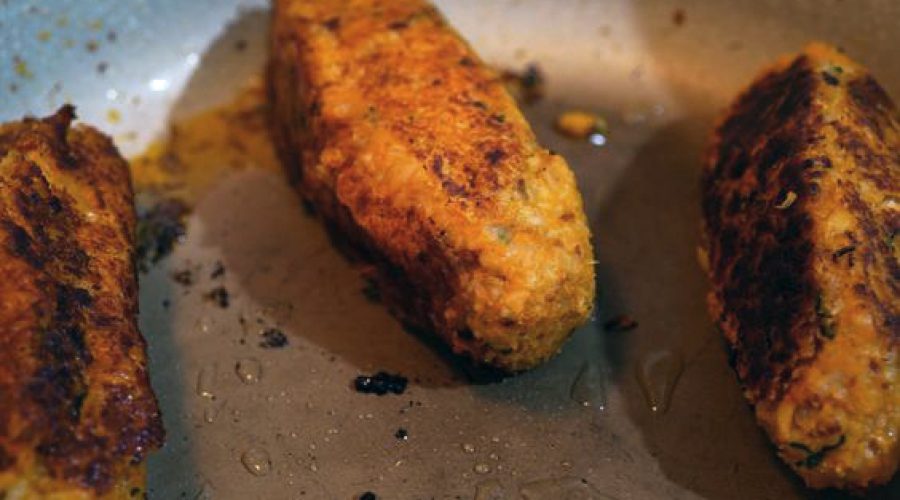
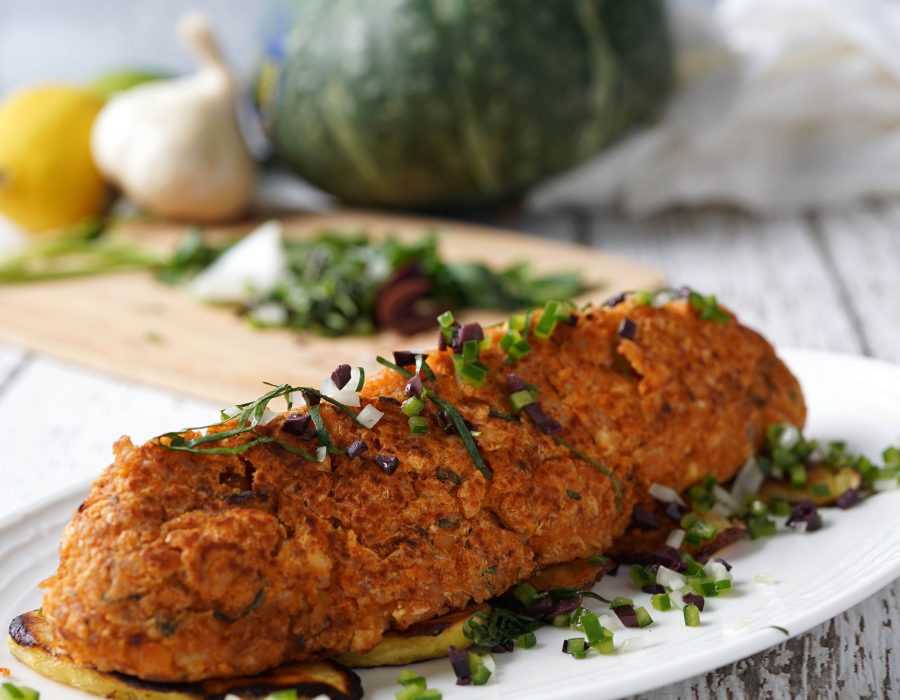
Tacu Tacu is a Peruvian dish made from cooked rice and beans mixed together with a sofrito of onion, garlic, ají amarillo, and cilantro, shaped into an oval patty and pan fried until the outside is golden and crispy while the inside stays dense and creamy.
The name comes from Tucuy, a Quechua word meaning to mix one thing with another. The history behind it is remarkable. During the colonial period, African slaves brought to Peru by the Spanish were fed the leftovers of the colonizers, rice and beans among them. Over time, as they integrated with local communities, they began incorporating Peruvian ingredients and spices into those simple meals. Tacu Tacu was born from that process, a dish of necessity that became one of the defining preparations of Peruvian criollo cooking.
It is humble food with a profound history. And it is delicious.
Canary beans, called frejoles canarios, are the traditional choice in Peru. They are creamy, mild, and hold together well when mashed. In the US they can be harder to find but some Latin grocery stores carry them dried or canned.
If you cannot find canary beans, the best substitutes are pinto beans or navy beans. Both have a similar texture and neutral flavor that works well with the sofrito. Black beans also work but give the Tacu Tacu a darker color and a slightly earthier flavor that changes the character of the dish.
Whatever bean you use, cook them well so they mash easily. Undercooked beans will not integrate with the rice and you will not get the cohesive dough you need to shape and fry.
Most ingredients here are standard pantry items available in any grocery store. The one ingredient worth sourcing properly is ají amarillo paste, which gives the sofrito its fruity heat and the Tacu Tacu its Peruvian identity. (Affiliate link: ají amarillo paste on Amazon)
Ají panca paste adds a smoky depth to the sofrito alongside the ají amarillo. Both are worth having in the fridge if you cook Peruvian food regularly. (Affiliate link: ají panca paste on Amazon)
Mash the potatoes while they’re still hot.
Hot potatoes hold their moisture; mashing them hot keeps that moisture in the dough so it stays together instead of cracking. This is the single most important step.
If the dough is too dry, fix it with an egg yolk.
Depending on your potatoes, the dough can turn out too starchy or grainy. One egg yolk (or two) brings it back together. Don’t add water; it makes the dough sticky and weak.
Use starchy potatoes.
In the US, russets are your best friend here, and Yukon Golds work well too. Waxy potatoes (red potatoes, fingerlings) make a dough that won’t hold.
Stuff and seal it properly.
People are afraid it will fall apart in the oil, but if you seal the seams well and dust it evenly in flour, you won’t have to worry. Wet your hands slightly, close the dough completely around the filling, and smooth every crack.
Let the filling cool before stuffing.
Hot filling steams inside the dough and pushes it open in the fryer. Cook the beef first, let it cool while you work the potatoes.
Fry at the right temperature.
Around 350F (175C). Too cold and the papa drinks oil; too hot and it colors before heating through. Fry until golden, then rest at least 3 minutes before serving. If you don’t want to deep fry, you can pan fry. Not identical results, but it works.
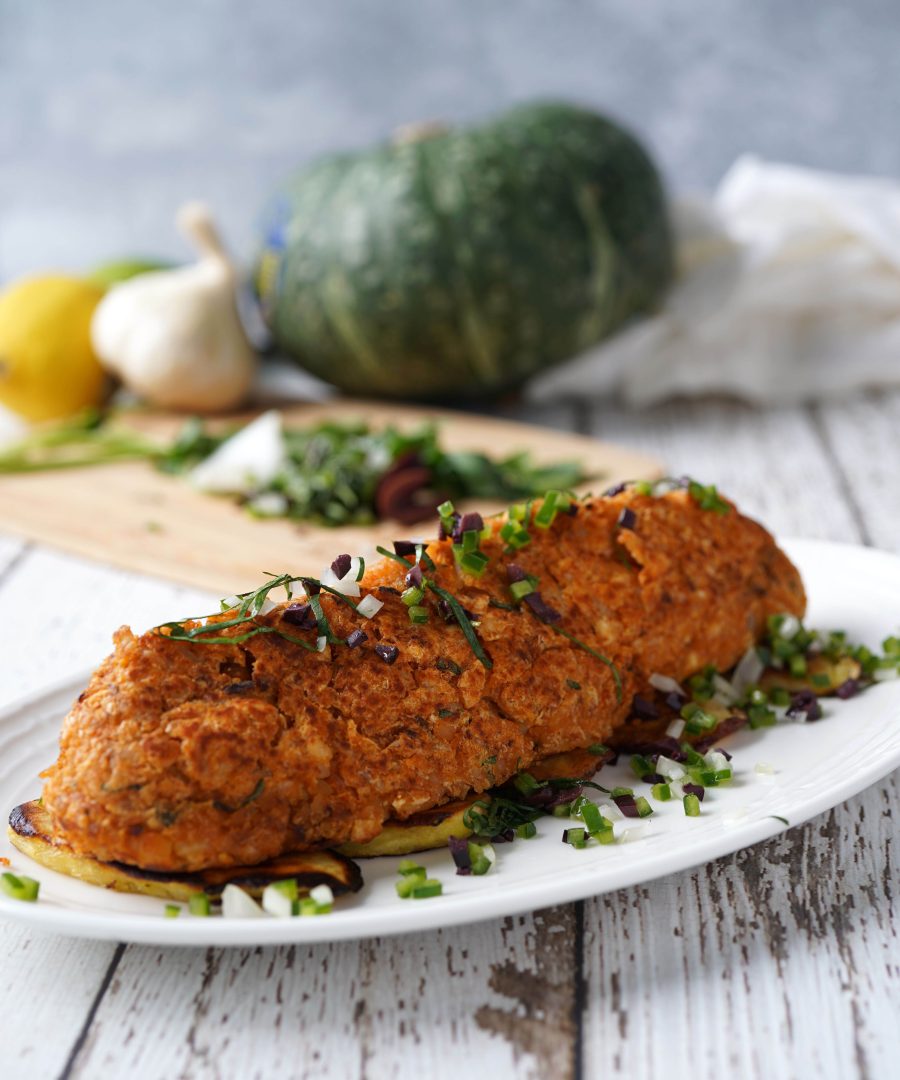
Do not over mush the mix and the ration matters to get the right texture.
The little trick many kitchens do is to pre-shape and use a non-stick pan to pan-fry the Tacu Tacu, it saves time, and you get the right texture.
As a base or side dish, Tacu Tacu pairs with almost any Peruvian protein. Lomo Saltado spooned directly on top is one of the great combinations in Peruvian home cooking; the sauce soaks into the Tacu Tacu and makes it something else entirely. Pollo Saltado works the same way.
Salsa Criolla on the side adds brightness and acidity that cuts through the richness of the fried cake.
For a complete vegetarian meal, serve it with Vegan Lomo Saltado on top.
Store uncooked shaped Tacu Tacus in the refrigerator for up to 2 days before frying. Once cooked, store in an airtight container for up to 3 days. Reheat in a lightly oiled pan over medium heat to bring back the crispy exterior. The microwave softens the crust completely and you lose the texture contrast that makes the dish. You can also freeze them uncooked, freeze flat on a tray first then transfer to a bag, and fry directly from frozen over medium heat with a lid on for the first two minutes.
What does Tacu Tacu mean?
The name comes from Tucuy, a Quechua word from the ancient indigenous language of the Andes, meaning to mix one thing with another. It describes exactly what the dish is, a mixture of rice and beans combined into something new.
What is the difference between Tacu Tacu and Tacu Tacu de Lentejas?
The only real difference is the legume. The traditional version uses beans, typically canary beans. The lentil version substitutes lentils, which have a more earthy flavor, absorb more cooking liquid, and do not require overnight soaking. The technique is identical.
Can I use leftover rice and beans?
Yes, and this is actually the traditional way to make it. Day old rice that has been refrigerated is easier to work with because the grains are firmer and less sticky. Leftover beans that have already been seasoned add an extra layer of flavor to the sofrito.
Can I make Tacu Tacu without frying?
You can bake them at 400F for about 20 minutes, flipping halfway, but the crust will not be the same. The pan fried version gives you a crispiness that the oven cannot replicate. If you want to reduce oil, use a non-stick pan with just enough oil to coat the bottom.
What protein goes best on top?
Lomo Saltado is the classic pairing. The sauce from the stir fry soaks into the Tacu Tacu and the combination is one of the best in Peruvian cooking. Pollo Saltado works equally well. For a lighter option, a simple fried egg on top turns this into a complete breakfast or brunch dish.

Tried it? Let me know.
Made this at home? Leave a comment below. And if you want to try the lentil variation, the Tacu Tacu de Lentejas recipe uses the same technique with no overnight soaking required.