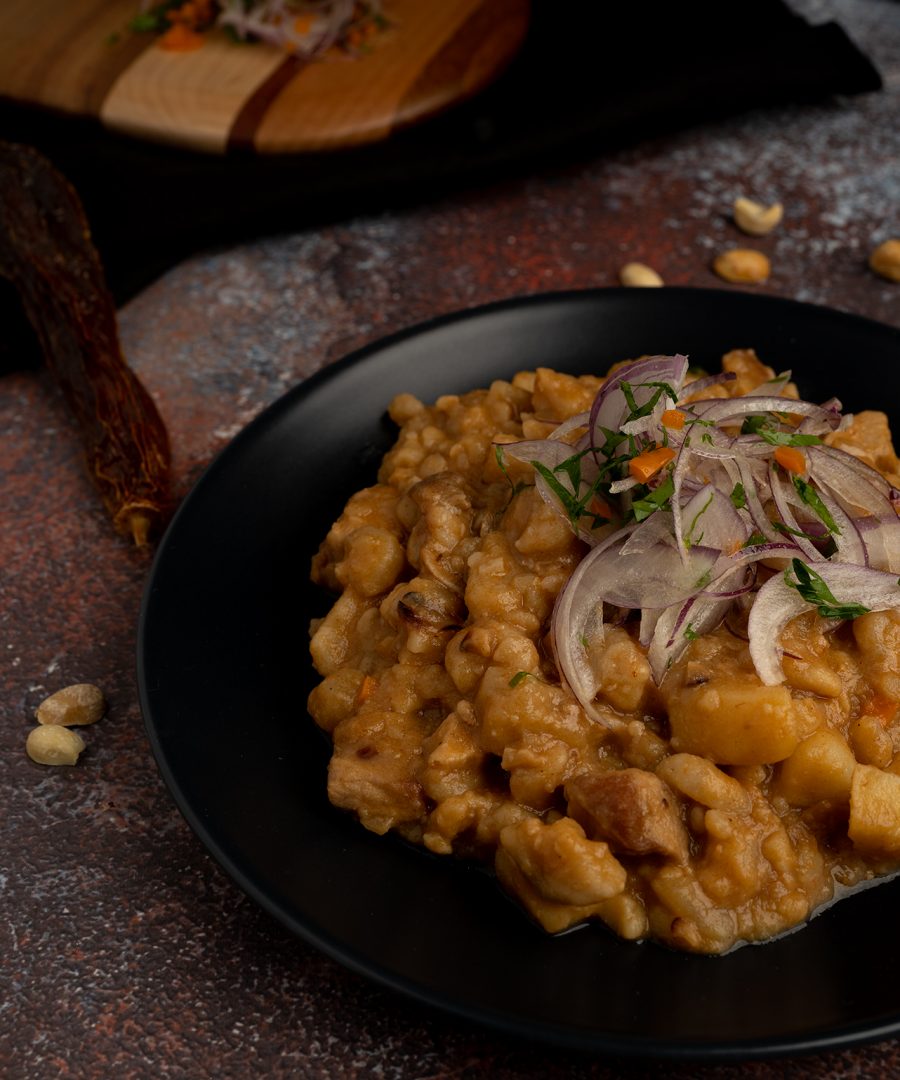
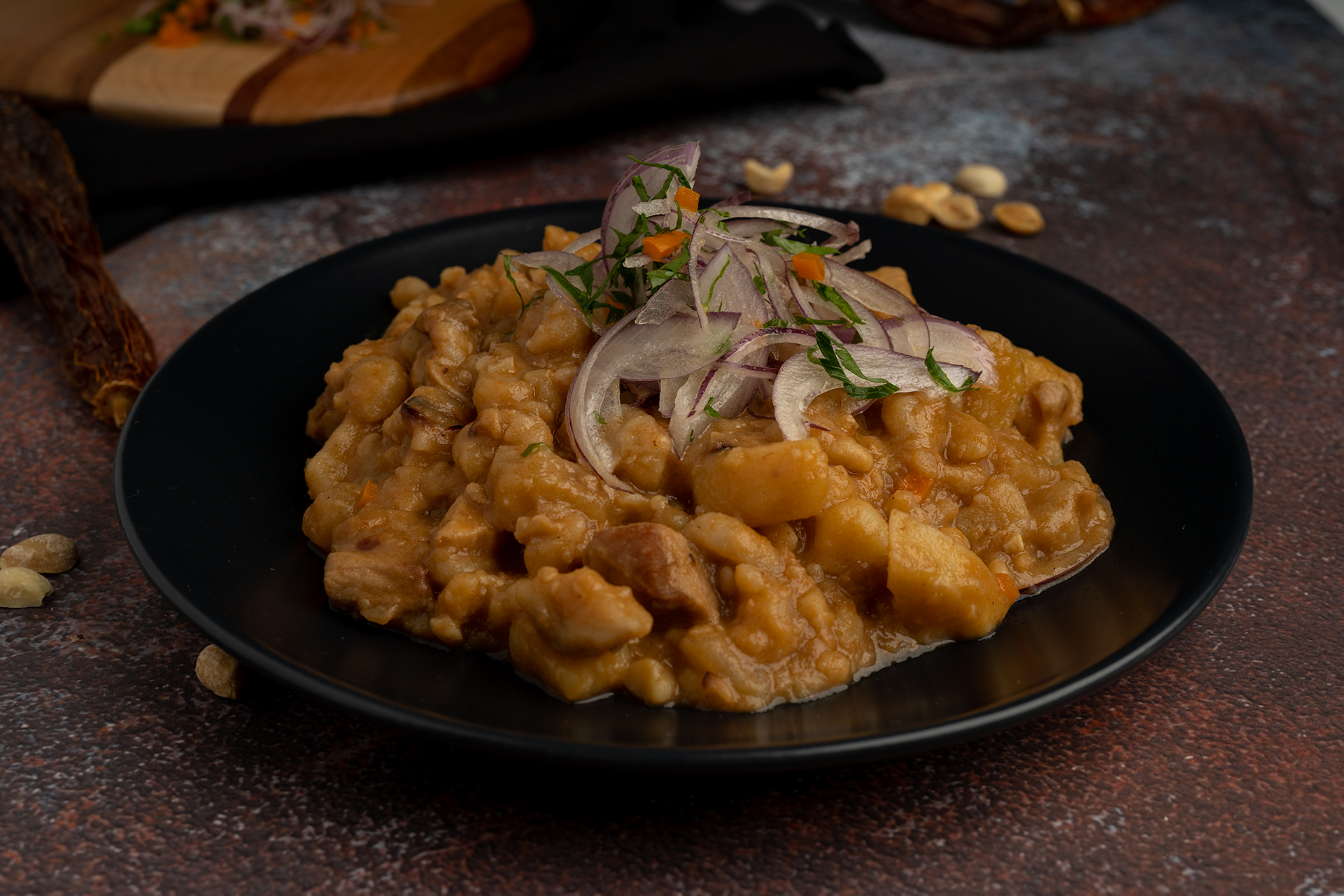
Carapulcra is often called Peru’s oldest stew, and it tastes like it — earthy, deeply savory, thickened with ground peanuts, and built on an ingredient most people outside Peru have never cooked with: papa seca, dried potato.
It’s rich, a little spicy, and the texture is unlike any other stew. This is the dish I’d point someone to if they wanted to understand what Peruvian food actually tastes like beyond the famous stir-fries.
What Is Carapulcra?
Carapulcra is a stew of dried potatoes, pork, ají panca, and ground peanuts, and its roots go back further than most Peruvian dishes. Originally it was cooked in clay pots with llama meat — pork came later, along with the peanuts and chili that define the modern version.
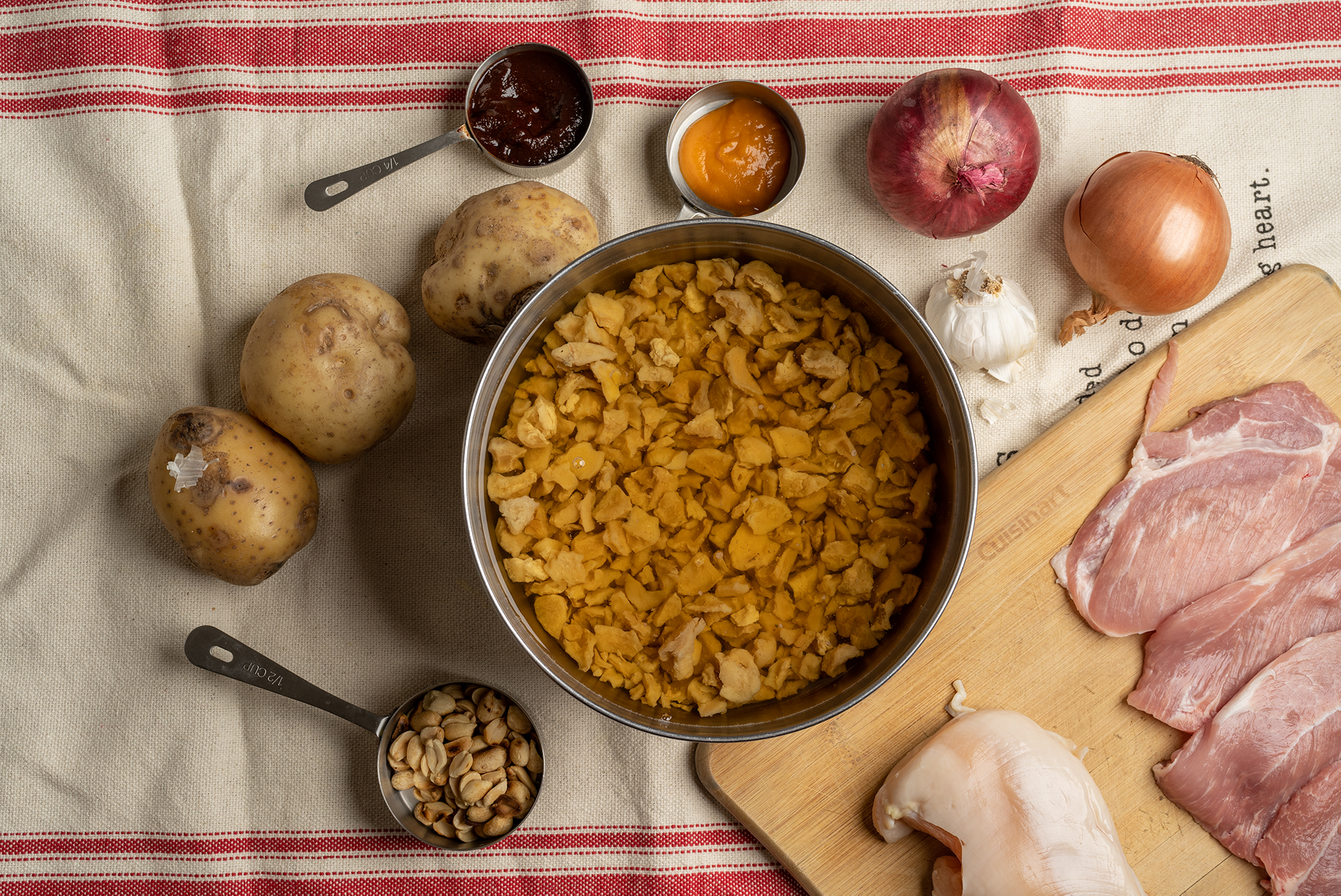
The signature ingredient is papa seca: potatoes that have been boiled, peeled, dried, and broken into chunks. It’s an Andean preservation technique that predates the Spanish arrival by centuries. Rehydrated, papa seca doesn’t behave like fresh potato — it holds its shape, absorbs everything around it, and gives the stew a distinctive chewy-tender bite.
Where to Find Papa Seca
This is the one hurdle for cooking carapulcra outside Peru. Papa seca isn’t in American supermarkets, but it’s sold online and in Latin markets, usually in a bag, and it keeps essentially forever in the pantry. (find amazon link for “papa seca” here)
There’s no real substitute. Fresh potato won’t do it — the texture and the concentrated flavor are the whole point of the dish. If you’re going to make carapulcra, order the papa seca.
You’ll also want ají panca paste (link here) for color and smoky depth, and ají mirasol paste (link here) for a brighter heat. Both are sold in jars online and keep for months.
Why I Came Around on This Dish
Carapulcra was one of my least favorite dishes as a kid.
My mother didn’t make it often, and when she did she rushed it — chicken only, no pork, cooked fast. Most of the flavor just wasn’t there. I decided I didn’t like carapulcra.
Years later I learned to make it properly, and I fell for it completely. The aroma, the depth, the way the peanuts thicken everything at the end. It turns out I didn’t dislike carapulcra. I disliked carapulcra made in a hurry.
That’s the honest lesson with this dish: it requires patience. There’s no fast version
The Techniques That Matter
Toast the papa seca before soaking.
A dry pan, a few minutes, until fragrant. This keeps the pieces from disintegrating in the pot and deepens their flavor considerably. Don’t skip it.
Soak for a full 12 hours.
Overnight, minimum. Under-soaked papa seca simply won’t cook through, no matter how long it simmers.
Use pork fat instead of oil
if you have it. It’s a small change with a real payoff in richness.
Sweat the onions properly.
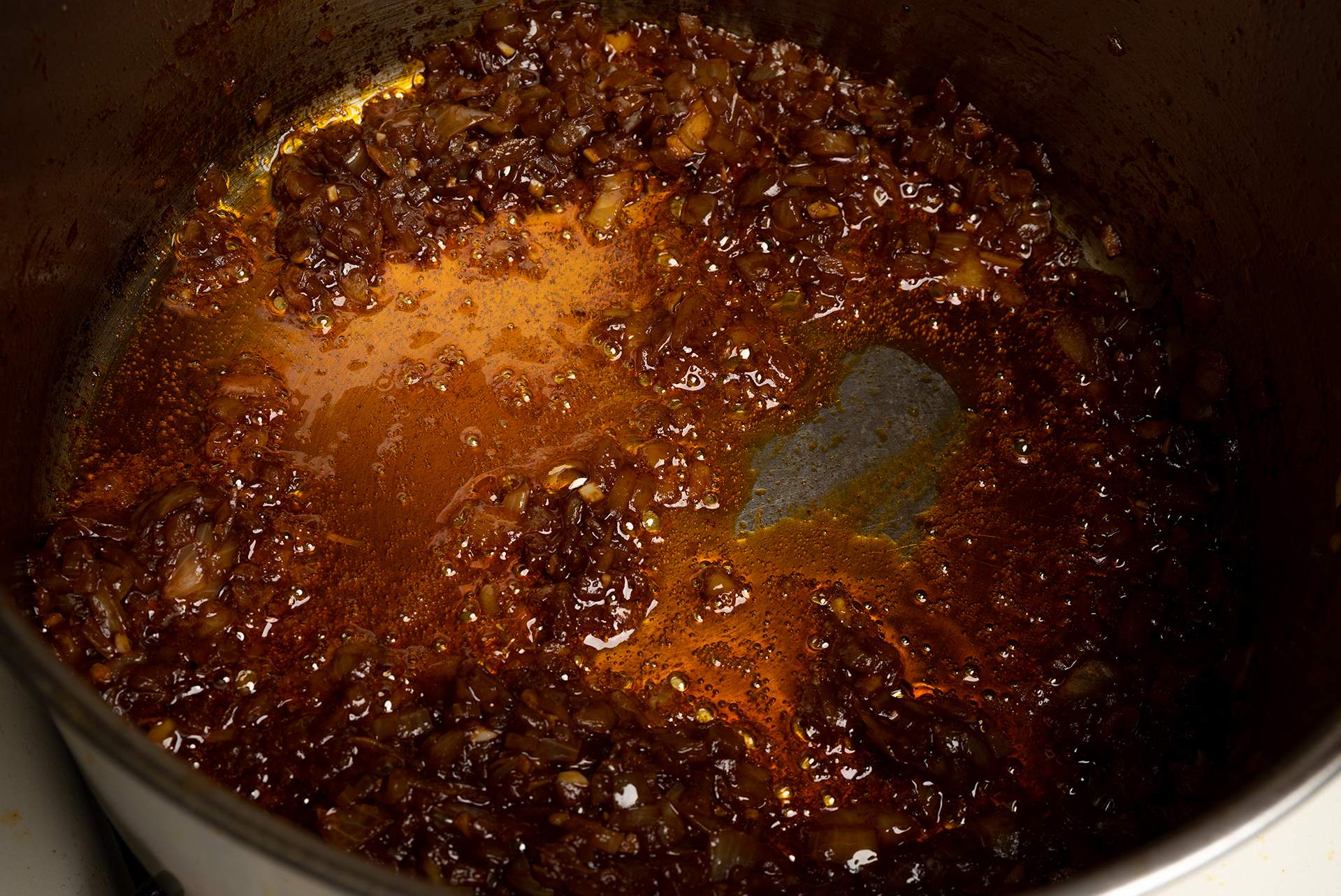
This is where the base flavor is built. Low heat, take your time, add a splash of water if the pan gets dry. Rushing this step is the most common way to end up with flat carapulcra.
The peanuts thicken at the end.
Ground peanuts go in last. If the stew is too loose, add more — they bring both body and flavor.
The Chocolate Trick
Some cooks add a small amount of crumbled dark chocolate near the end. It sounds strange and it works — it deepens the color and rounds out the chili’s edges, the same way a little chocolate does in a mole. Start with a tablespoon or two and taste. It shouldn’t read as sweet; it should just make everything taste more like itself.
500 gr"Papa Seca" / Dried potatoes about 1lb soakead overnight
1Red Onion finely diced
3Garlic Cloves
3tbsps"Ají Panca" paste
1tbsp"Ají Mirasol" paste
3cupsChicken Stock
2Potatoesdiced
1/2cupGround Peanuts
1teaspoon Cumin
Salt and Pepper
Instructions
Roast lightly the dried potatoes on a pan, then soak them in water for at least 12 hours
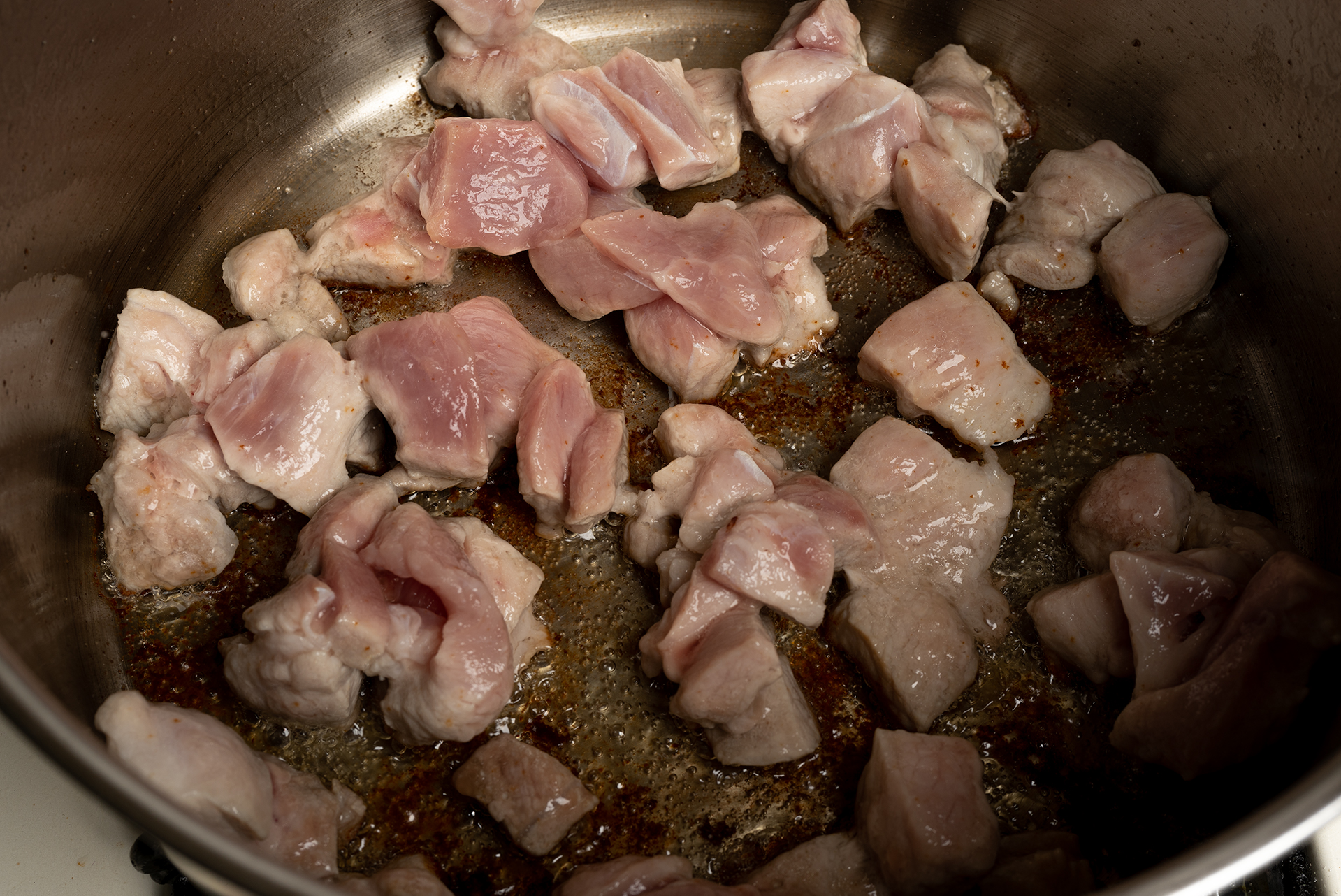
Salt and pepper your pork and chicken, in a pot add 3 tbsps of oil seal your meat, then reserve
In the same pot add more oil if needed then sweat onions, garlic, "ají panca and mirasol" paste, until the onions are tender, add some water if needed.
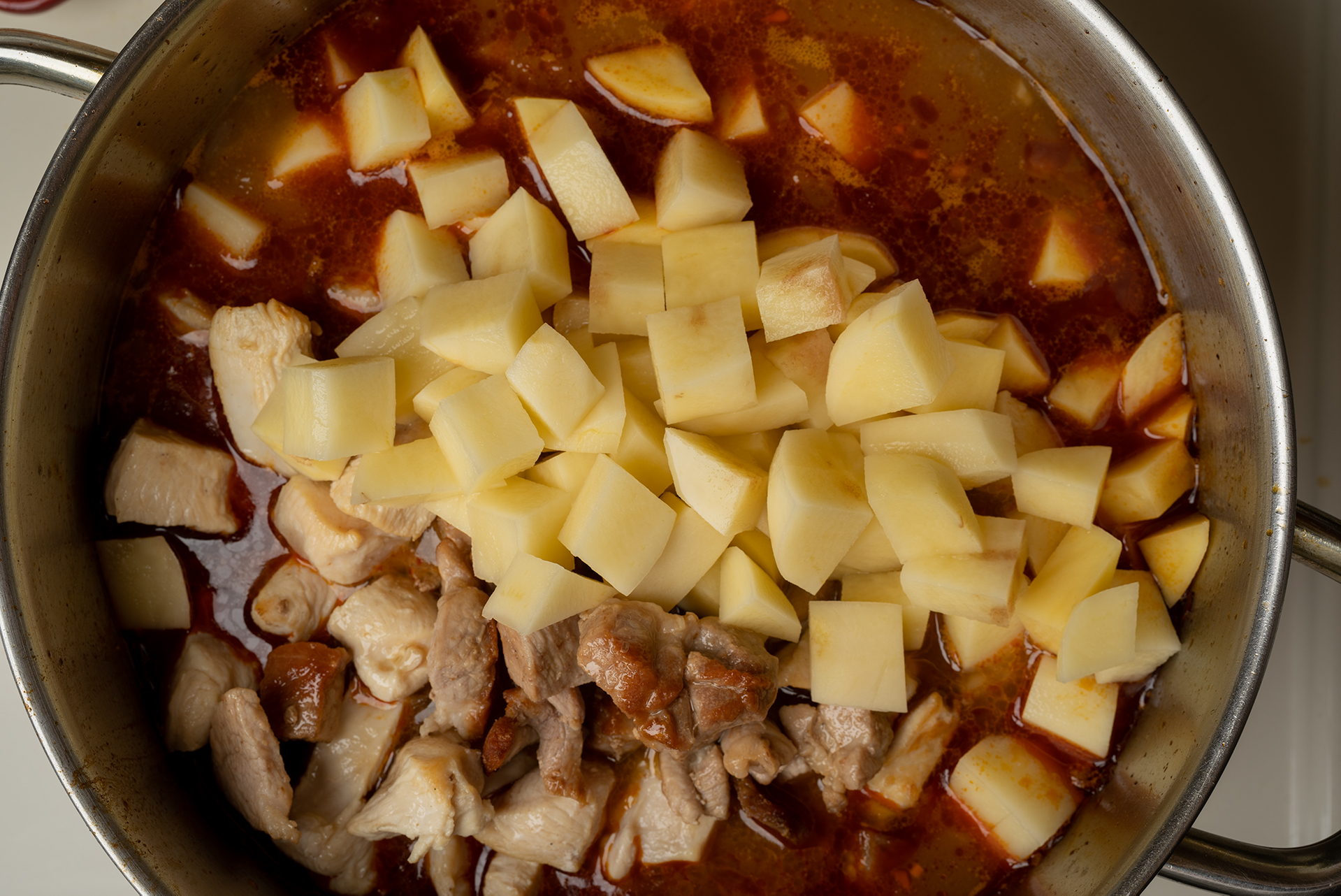
In the same pot add the stock, the dried potatoes, and let them cook until soft, then add potatoes, chicken, and pork, cumin more stock if needed, salt, pepper and let it cook until the potatoes are done, add the ground peanut to thick the stew.
Serve with Sarsa Criolla
My go-to list of authentic ingredients and essential kitchen gear. Read the Guide
Don’t rush any stage. This is a slow dish and it punishes impatience.
Sear the meat properly — real color on the pork means real flavor in the stew.
Keep stock nearby. Papa seca absorbs a lot; you’ll likely need more liquid than you expect.
Adjust the thickness with peanuts, not flour or cornstarch.
It’s better the next day. Carapulcra reheats beautifully as the flavors settle.
Serve with salsa criolla. The sharp onion cuts the richness — this pairing isn’t optional in Peru.
Go for good ingredients and you will get great dishes, it is all about the flavor if you can’t get dried potatoes at your local grocery store you can always rely on Amazon.
By giving the meat a bit of color you will add more flavor and aroma to the dish.
Sweating the onions is probably the most important part of this recipe, do not rush this dish requires patience!
If your stew ends up too loose, you can always add more ground peanuts, these will add flavor and texture to the dish.
What to Serve With It
Salsa criolla on top, white rice alongside. In some regions it’s served with a slice of boiled yuca or plain potatoes. Keep the sides simple — the stew is doing all the work.
Frequently Asked Questions
What is papa seca? Dried potato — boiled, peeled, dried, and broken into chunks. An ancient Andean preservation method. It rehydrates into something chewier and more flavorful than fresh potato.
Can I substitute fresh potatoes for papa seca? Not really. You’d get a pork stew, but not carapulcra. The dried potato’s texture and concentrated flavor are what define the dish.
Do I have to soak it overnight? Yes. Twelve hours minimum, or the papa seca won’t soften properly during cooking.
Why toast the dried potatoes first? It stops them falling apart in the pot and intensifies their flavor. Two minutes in a dry pan is enough.
Can I make it with just chicken? You can — but pork carries this dish. If you use only chicken, it’ll taste thinner. (I speak from childhood experience.)
Why peanuts? They thicken the stew and add a subtle richness. It’s a defining element, not an optional garnish.
Can I make it ahead? Yes, and you should. It’s noticeably better on day two.
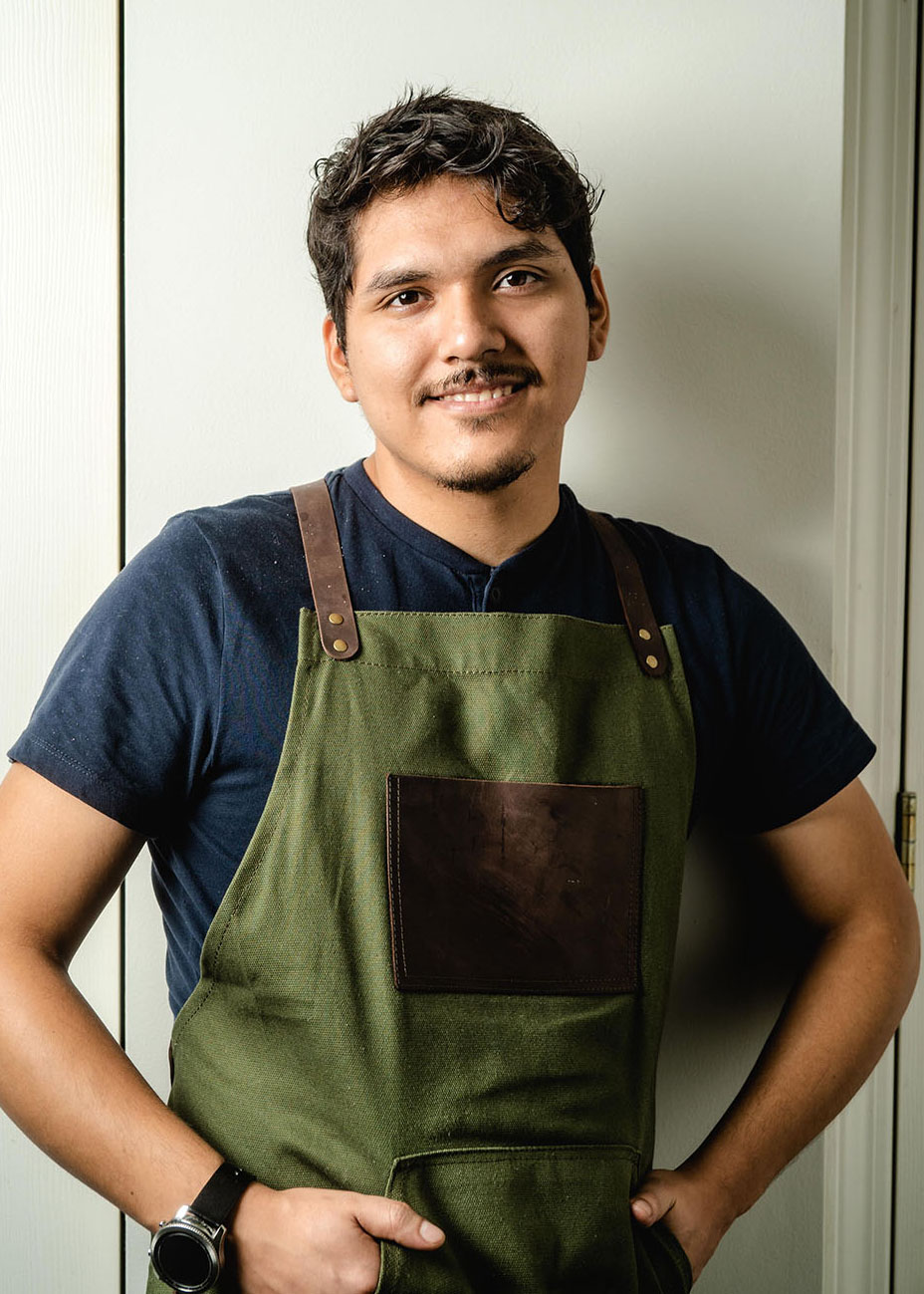
Brandon Castillo - Peruvian Chef & Recipe Developer
Brandon Castillo is a Peruvian chef and recipe developer based in New York. Born and raised in Peru, he shares authentic Peruvian recipes adapted for home cooks in the United States. You can find him on Instagram, TikTok, and YouTube @chewinghappiness.
Tried it? Let me know.
Leave a rating and a comment below — it helps other cooks find this recipe, and I read every single one.