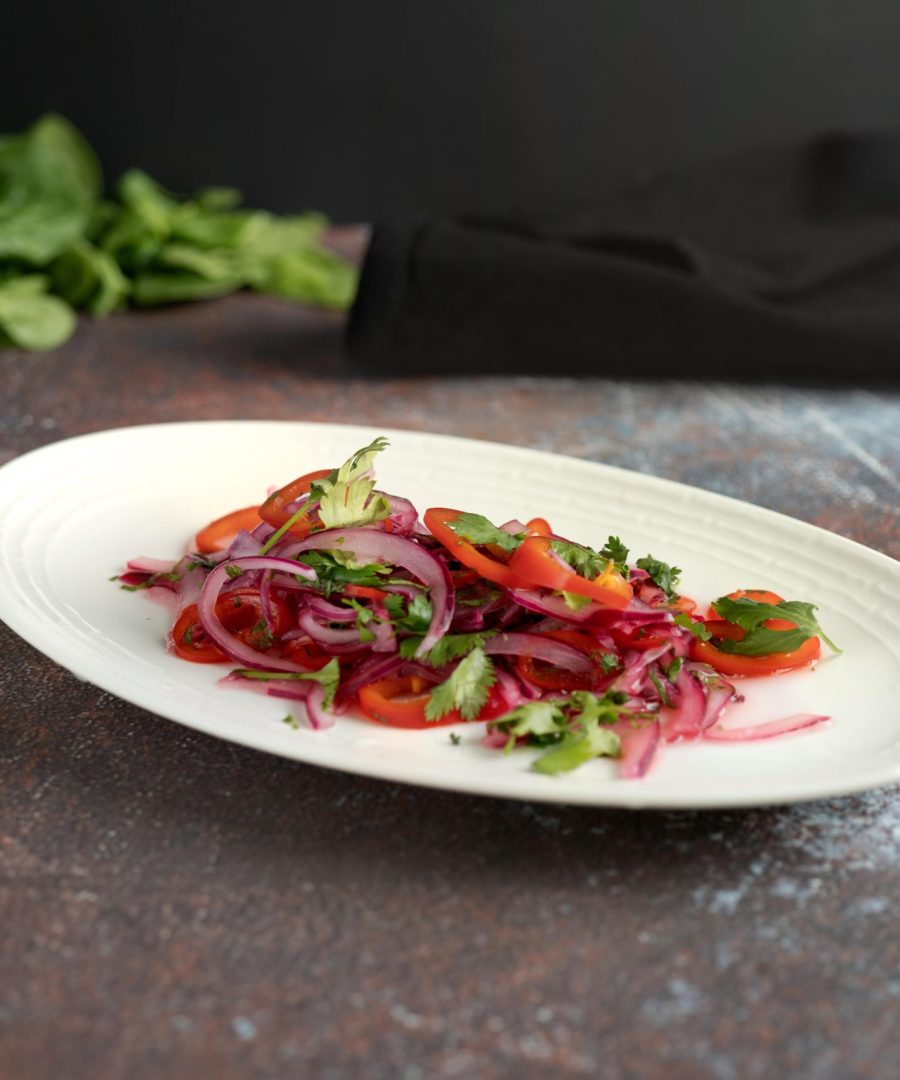
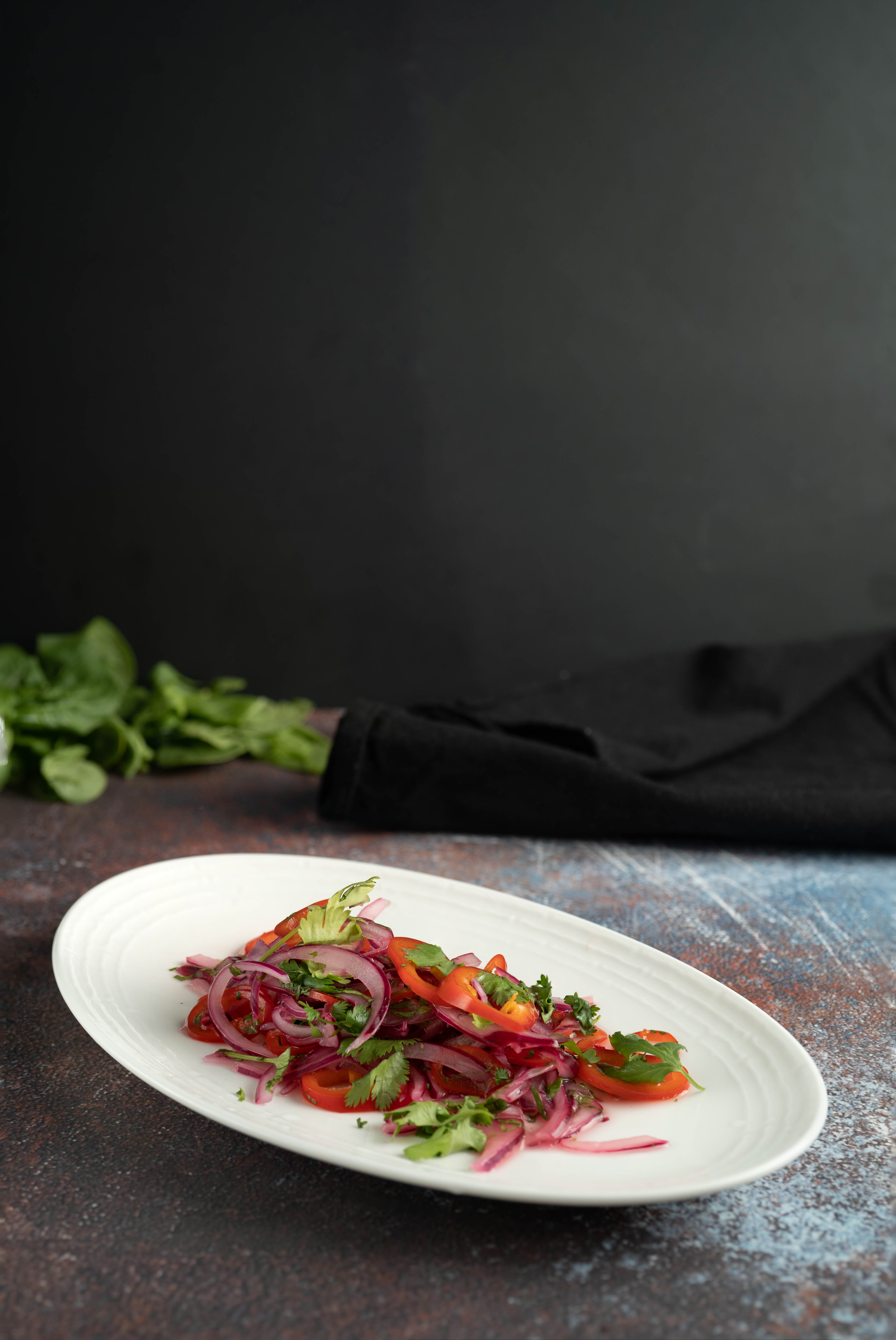
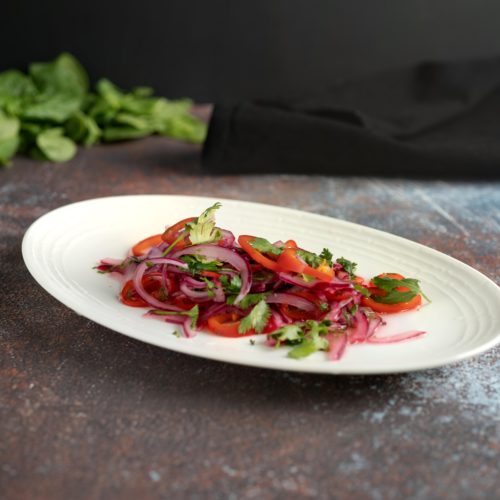
Sharp, bright, a little spicy, and on the table with almost every Peruvian dish worth eating. Salsa criolla is red onion, ají, lime, and cilantro — four ingredients, five minutes, and it makes everything it touches better.
It’s not really a sauce despite the name. Think of it as Peru’s answer to pico de gallo: a fresh relish you spoon over rich food to cut through it.
What Is Salsa Criolla?
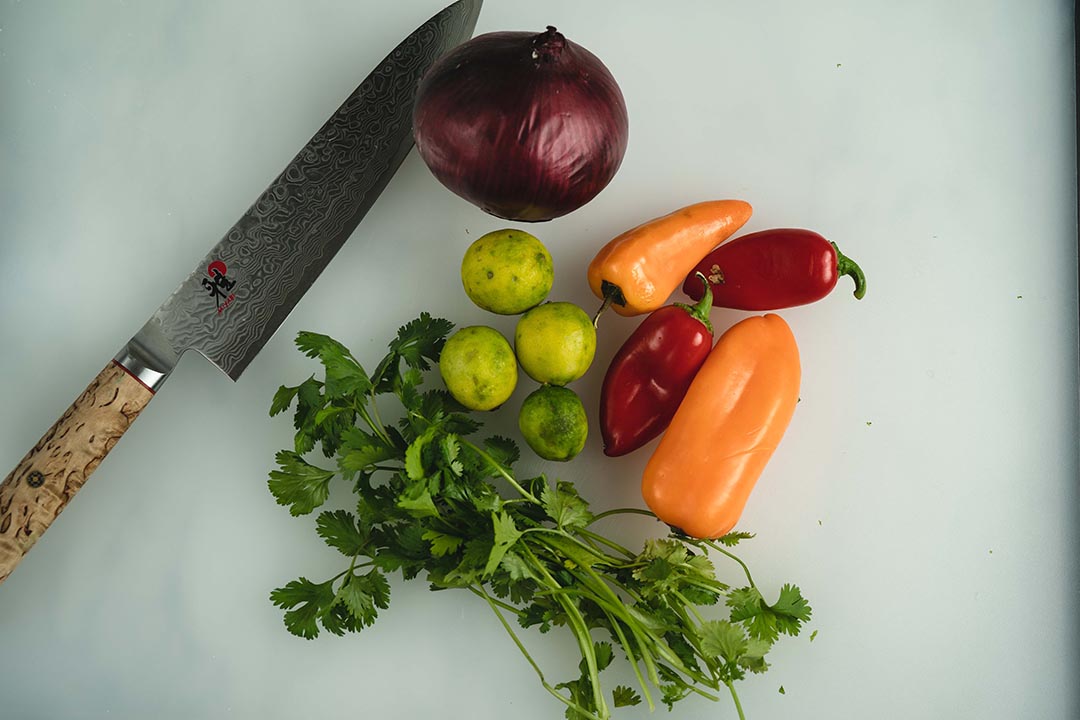
Salsa criolla — also called sarza criolla or sarsa criolla depending on who’s writing it — is a raw onion relish found across Peruvian cooking. Thin-sliced red onion, ají amarillo or ají limo, lime juice, cilantro, salt. (find the link for whole “Ají amarillo” here)
That’s the whole thing. No cooking, no blending. The lime and salt soften the onion slightly and pull everything together while it sits.
This is the step most recipes skip and it’s the one that matters.
Put the sliced onion in a strainer and rinse it under running water for about three minutes. Taste it. If it’s still harsh, rinse again. This pulls out the sulfur compounds that make raw onion aggressive and bitter, leaving the sweetness behind.
Skip it and you get a relish that fights the food instead of complementing it.
Then ice it. After washing, drop the onion into a bowl of ice water for ten minutes. It crisps up considerably — the difference between limp onion and onion that snaps.
Cut the Chili in Rings, Not Minced
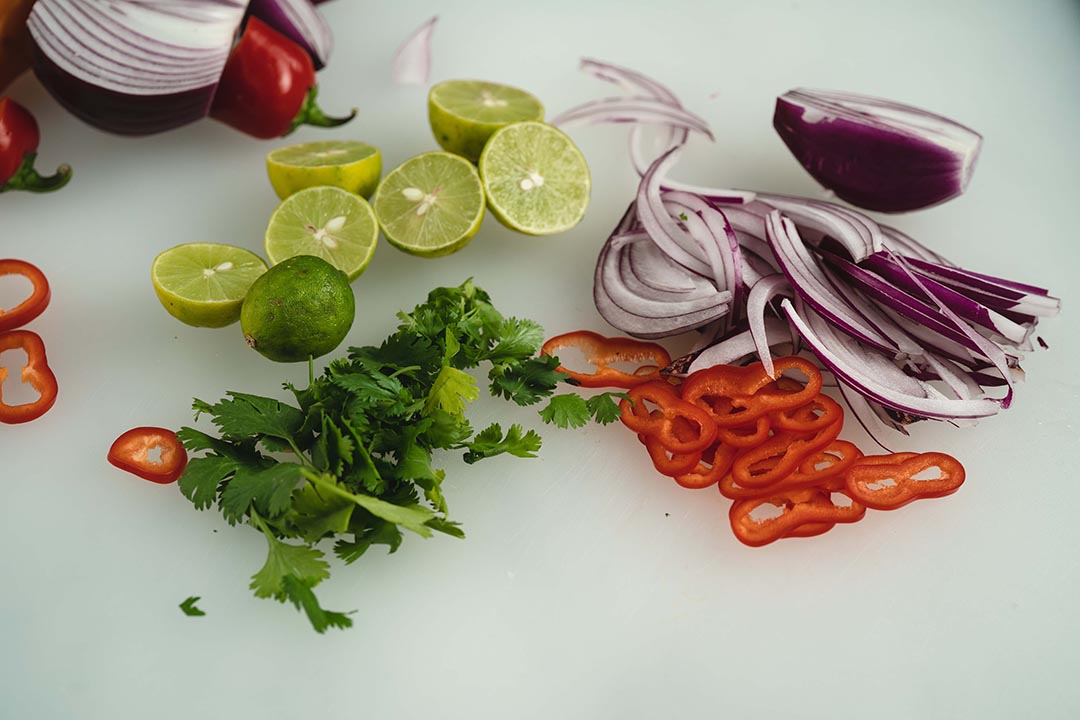
Most recipes tell you to mince the ají. I cut it into rings instead, and there’s a practical reason: anyone who doesn’t want the heat can lift the rings out. Minced chili is in there permanently. Rings give people a choice at the table.
Remove the seeds and membrane either way — that’s where most of the heat lives.
Slice the Onion Thin, With the Grain
Julienne it — thin strips, cut with the grain rather than across. Thin gives you a better texture against the food; with the grain keeps the strips from turning mushy as the lime works on them.
1"Ají Amarillo" or "Ají Limo" or Any other Chilino seeds, rings
2Limesjuiced
2tbspsCilantro leaves chiffonade
Salt & Pepperto taste
Instructions
Slice your onions thinly, following the grain
Put the onions in a strainer and wash them in running water for about 3 min. Taste them; if they are still bitter, repeat the process.
Once the onions are sliced and washed, you can add them to a bowl full of water and ice, and let it rest for 10 min. That will give it an extra crunch.
Remove the onions from the ice bowl and add them to a clean bowl
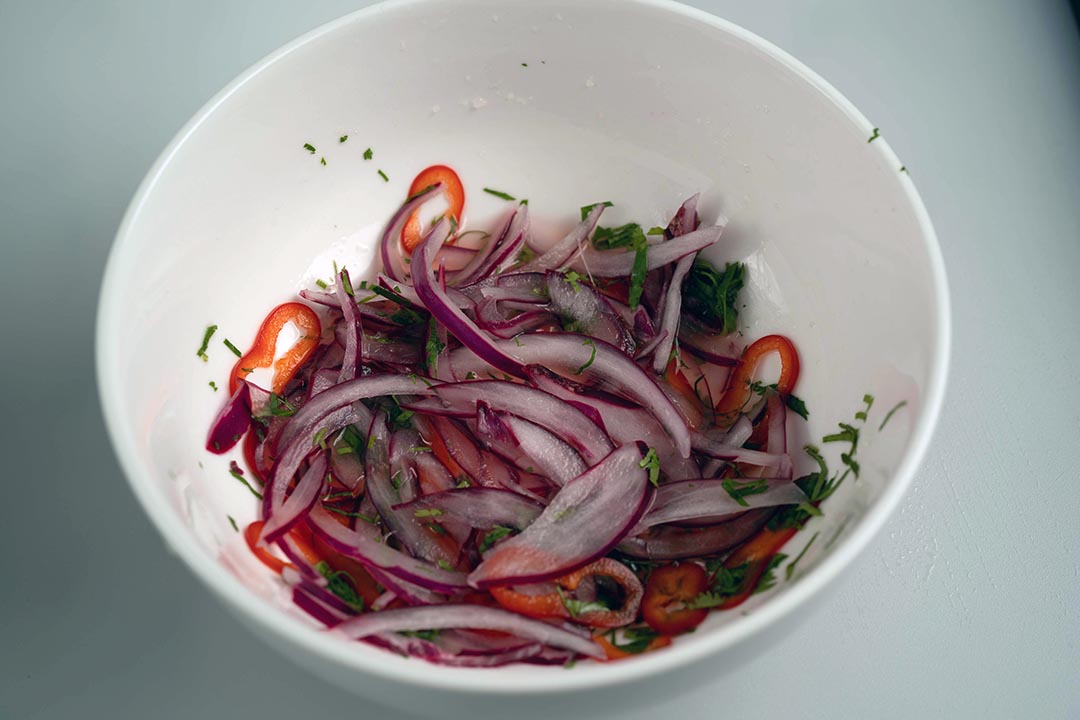
In the same bowl, add your chilies and cilantro, and mix them
Then add salt, pepper, and lime juice, give it a try, adjust seasoning if needed. it should be acid and salty and at the same time.
Serve with your favorite dish
Video
My go-to list of authentic ingredients and essential kitchen gear. Read the Guide
Lime and salt effectively “cook” the onion. In less than twenty minutes, it starts losing color and bleeding out, and the texture goes soft. Salsa criolla is meant to be made and eaten.
If you need to prep ahead: slice everything and keep the components separate, then combine right before serving. That works fine.
If it genuinely has to sit: cut back on the salt and use vinegar instead of lime. It’ll hold longer, though it won’t be quite the same.
Substitutions:
Red onion is standard. White onion works; it’s milder and less colorful.
Ají amarillo or ají limo are traditional. If you can’t find them, jalapeño or serrano will do — you’ll lose the fruity note that makes it Peruvian, but the structure holds.
Lime is right. Lemon works. Vinegar works and lasts longer.
The ingredients are really simple; Salsa Criolla has to have the perfect balance between salt and acid
Prepare your ingredients. Most people finely chop the pepper; however, I like to cut the Ají Limo into slices. That way, people can easily remove them if they don’t like the spicy taste.
Americans tend to discover it and then start putting it on everything — tacos, burgers, grilled chicken. That’s fine. That’s what it’s for.
Frequently Asked Questions
What’s the difference between salsa criolla and sarza criolla? Nothing — same dish, different spellings. You’ll see sarsa too. Regional and personal preference.
Is it like pico de gallo? Structurally similar — a fresh, uncooked relish. But no tomato, and the ají and lime give it a completely different flavor.
Why wash the onions? It removes the harsh sulfur bite. Three minutes under running water makes the onion noticeably sweeter and more pleasant raw.
How spicy is it? As spicy as you make it. Ají amarillo is mild and fruity; ají limo has more heat. Removing seeds and membrane cuts it substantially.
How long does it keep? Best within the first 20 minutes. It’ll survive a few extra minutes in the fridge but loses color and crunch. Make it fresh.
Can I use dried ají or paste instead of fresh? Not really — this dish depends on the texture of fresh chili. If fresh Peruvian ají isn’t available, a fresh jalapeño beats a paste here.
Brandon Castillo - Peruvian Chef & Recipe Developer
Brandon Castillo is a Peruvian chef and recipe developer based in New York. Born and raised in Peru, he shares authentic Peruvian recipes adapted for home cooks in the United States. You can find him on Instagram, TikTok, and YouTube @chewinghappiness.
Tried it? Let me know. Leave a rating and a comment below — it helps other cooks find this recipe, and I read every single one.