Disclosure: As an Amazon Associate I earn from qualifying purchases. Some links in this post are affiliate links, meaning I may earn a small commission at no extra cost to you.
I cannot make Seco de Res without thinking about my grandmother. This is not the exact version she made, but it is the one I make most often, and every time the smell of cilantro and ají amarillo hits the pot I am back in her kitchen.
She learned to cook in the north of Peru, in La Libertad, where she was sent from Lima as a young woman to live with her older sisters. That is where she learned the Seco a la Norteña, the version made with lamb, zapallo loche squash, tomatoes, and chicha de jora instead of beer, served with pork and bean stew on the side. That version takes more time and has a richer, fattier flavor profile. It is the dish that reminds her of that time in her life.
For me, Seco de Res is her. She made it to celebrate things. Someone finishing school, getting hired, a family member visiting from abroad. It was the dish that showed up when something good happened.
The version here is the Limeña style, faster, made with beef instead of lamb, without the zapallo loche or the beans. Lighter but still deeply flavorful. It is the one I make at home in Queens and the one I have eaten more times than I can count.
What Is Seco de Res?
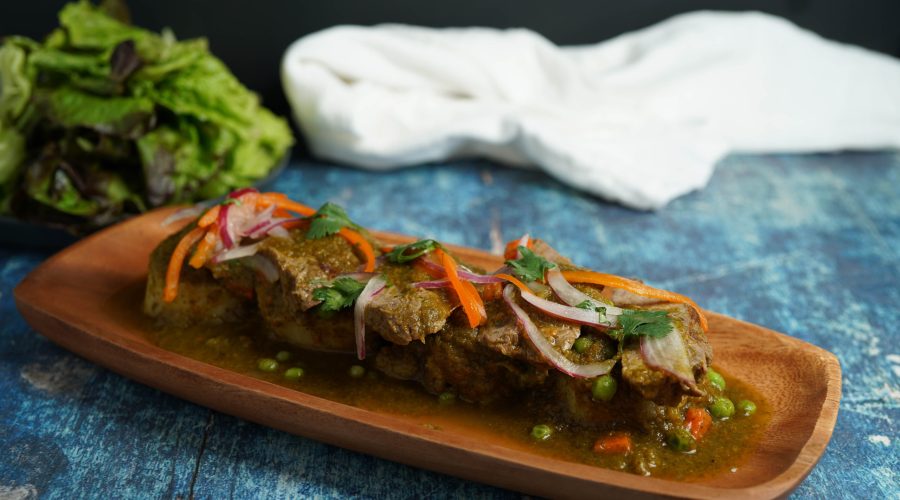
Seco de Res is a Peruvian beef stew built on a green base of blended cilantro, spinach, ají amarillo, onion, and garlic, cooked with beef broth and beer until the meat is tender and the sauce is thick and deeply aromatic. The first thing you notice is the color, that dark, intense green that does not look like what you expect from a stew but delivers layers of flavor from the first bite: bitter, sweet, acidic, spicy, and the deep savory quality of slow-cooked beef all at once.
The name seco means dry in Spanish, which is a little misleading since the dish has plenty of sauce. The name refers to the original cooking technique where meat was cooked with very little liquid over low heat until the juices concentrated and reduced. Over time the recipe evolved to include more broth, but the name stayed.
It is made across many regions of Peru with local variations. The northern version uses lamb and chicha de jora. The Lima version uses beef and beer and comes together in about an hour. This is the Lima version.
Where to Find the Peruvian Ingredients in the US
Most ingredients for this recipe are easy to find in any American grocery store. Fresh cilantro, spinach, carrots, and peas are in every produce section.
Ají amarillo paste is the ingredient that gives the stew its fruity heat and golden undertone within the green base. Without it you have a cilantro beef stew. With it you have Seco de Res. Find it at Latin grocery stores or online. (Affiliate link: ají amarillo paste on Amazon)
For the beer, any light lager works. If you want to get closer to the traditional preparation, chicha de jora is the authentic Peruvian corn beer that was used before lager became common in Peruvian kitchens. Some Latin specialty stores carry it, and it is available online.
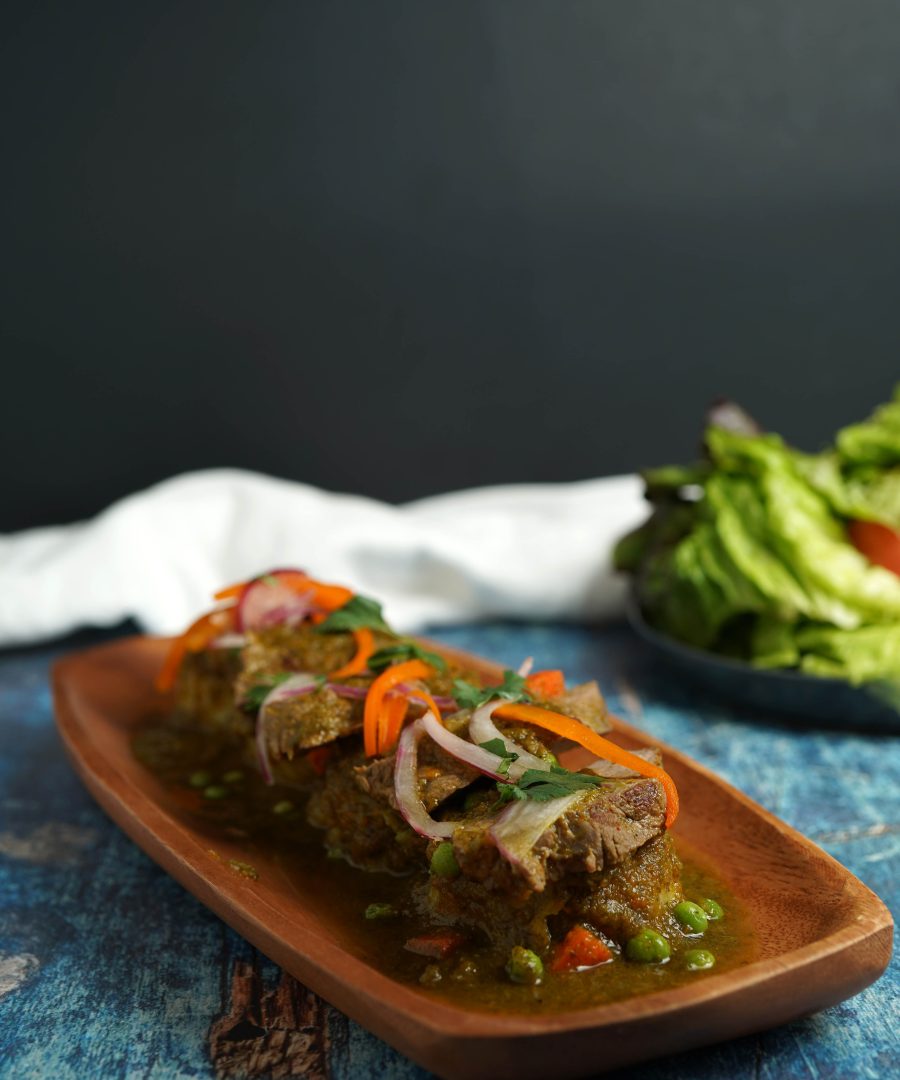
Seco de Res is a Peruvian beef stew with a bold green base of blended cilantro, spinach, and ají amarillo, cooked low and slow with beef broth and beer. Served with white rice, boiled potatoes, and Salsa Criolla.
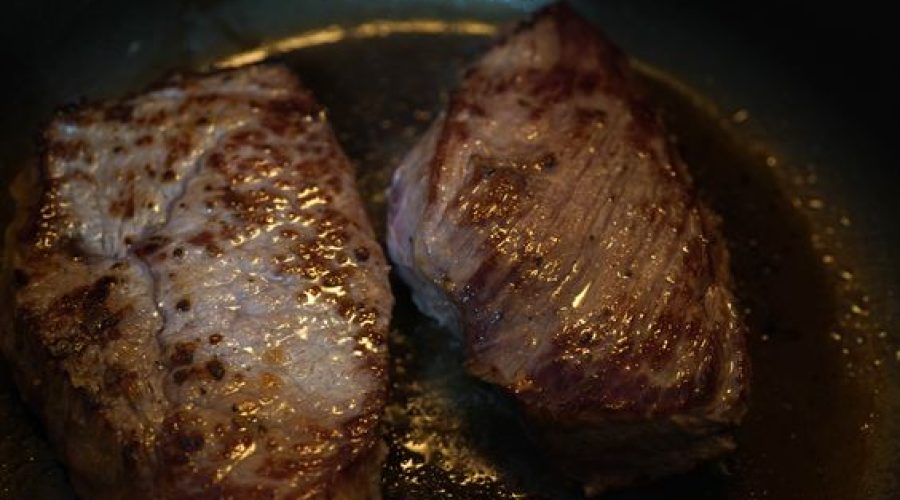
In a hot pot add 3 tablespoons of vegetable oil , seal your meat 2 min per side then reserve.
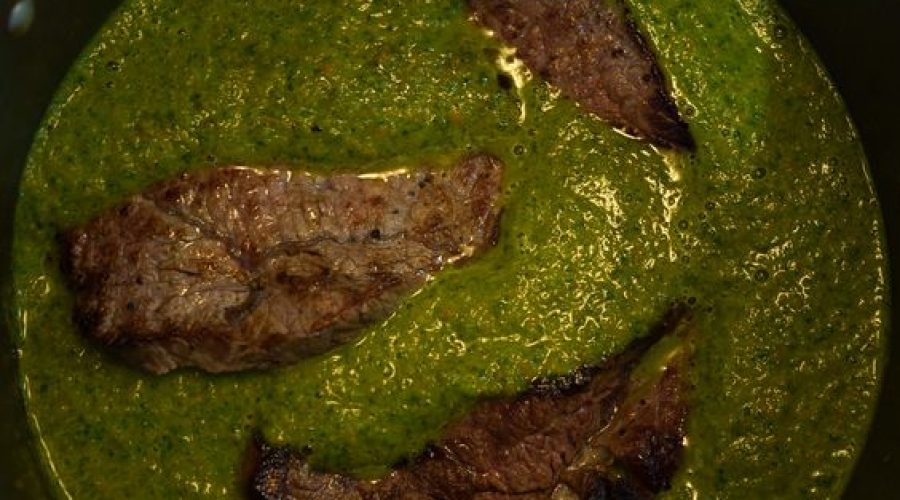
In the same pot add onions, garlic, "Ají Amarillo paste" let it cook for at least 7 min or until it's caramelized. once it's cooked blend it with your spinach and cilantro leaves.
Add your mix to the pot add the meat back, add broth, beer, a tablespoon of salt, sugar, pepper, cumin and let cook for 15 - 45 min (or less depending on your cut of meat)
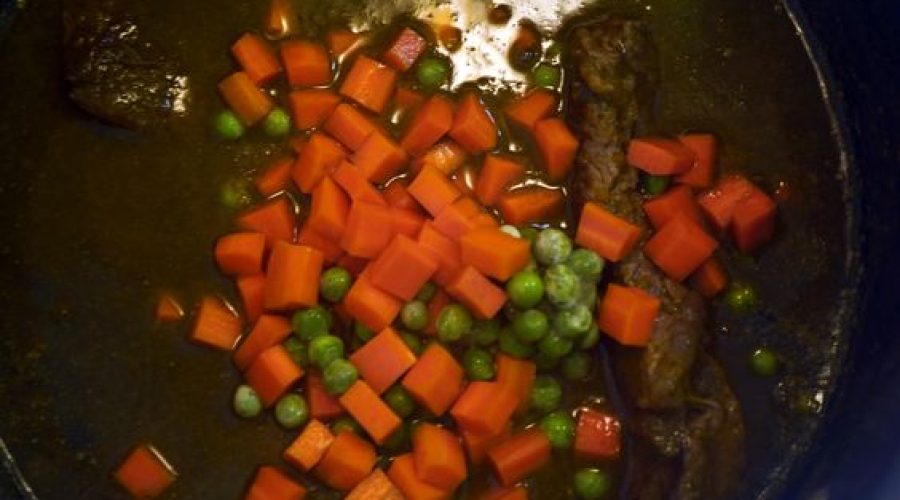
Add carrots and peas and let it cook for another 2-5 min, add more broth if needed.
Notes
If you are using a cheap cut of beef, it might take a while to make it soft, check that before adding you veggies.
Using a lean cut of meat its not ideal for this dish since its a stew you want to cook it in low/medium heat for a long period of time and fatty cuts of meat tend to have more flavor.
My go-to list of authentic ingredients and essential kitchen gear. Read the Guide
Sear the meat first: Two to three minutes per side in hot oil before setting it aside. That crust is flavor that transfers into the sauce during the long cook. Do not skip it.
Cook the sofrito until fully caramelized: Onion, garlic, and ají amarillo paste need at least 7 minutes over medium heat before they go into the blender with the cilantro and spinach. If you blend them undercooked the stew will have a raw, bitter edge that does not cook out.
Blend the sofrito with the cilantro and spinach together: That is what creates the green base. The cilantro carries the flavor, the spinach deepens the color and softens the bitterness. Do not skip the spinach even if it seems like a small addition.
Check the meat before adding the vegetables: This is the most common mistake. If the beef is not tender yet, the carrots and peas will overcook while you wait. The meat has to be ready first. Then the vegetables go in.
Add the vegetables at the end with the heat off: Stir in the carrots and peas, put the lid on, turn the stove off, and let the residual heat cook them through. They stay bright, they keep their texture, and they do not turn gray and mushy. Two to five minutes is all they need.
The beer is optional but worth using: It adds a mild bitterness that balances the sweetness of the sugar and the richness of the broth. If you prefer no alcohol, replace it with additional beef broth. The stew will still be good.
The cut of meat is important in this dish if you go for a lean cut of meat, it might need extra flavor so be sure that you have a good (homemade if possible) beef or veal stock
I love the color of this stew, that particular flavor of the cilantro combined with the flavor of “Ají Amarillo, Beer and “the sofrito” makes this stew a unique one.
I am a fan of eating veggies the right way, so I do not overcook them, try to add your veggies at the end. Put a lid on your pot turn the stove off and let the residual heat cook your veggies.
What to Serve With It
White rice is the essential pairing. The rice absorbs the green sauce and completes the plate. Seco de Res without rice is half a meal.
Salsa Criolla on the side is the other non-negotiable. The sharp red onion and lime relish cuts through the richness of the stew and refreshes the palate between bites. It is the combination that makes the dish complete.
Boiled potatoes are the traditional starch that goes inside the plate alongside the meat. Yucca is the alternative if you want something closer to the northern version. Both work, and it comes down to preference.
Storage
Seco de Res is one of those dishes that genuinely tastes better the next day. The green sauce concentrates overnight and the flavors settle into each other. Store in an airtight container in the refrigerator for up to 3 days. Reheat over low heat with a splash of broth if it has thickened too much.
It also freezes well for up to 2 months. Freeze without the vegetables for best results and add fresh carrots and peas when reheating.
Frequently Asked Questions
What is the difference between Seco a la Limeña and Seco a la Norteña? The northern version uses lamb instead of beef, zapallo loche squash, tomatoes, and chicha de jora instead of beer. It is served with a pork and bean stew on the side and has a richer, fattier flavor profile that requires more time in the kitchen. The Lima version is faster, lighter, and uses ingredients that are easier to source. Both start from the same green cilantro base but the final result is quite different.
Why is it called seco if it has sauce? The name refers to the original cooking technique, not the consistency of the dish. Historically seco was cooked with very little liquid until the meat absorbed most of the broth. Over time more liquid was added but the name stuck.
Can I use chicken instead of beef? Yes. Seco de Pollo is equally popular and uses the same green base. The cooking time drops to about 20 to 30 minutes depending on the cut. Everything else stays the same.
Why is my stew not that deep green color? Most likely the cilantro and spinach were cooked too long before or after blending. Prolonged heat oxidizes the chlorophyll and the green turns to a dull brown. Cook the sofrito well but blend quickly and add the green mixture to the pot without letting it boil for too long before adding the meat and broth.
Can I make this in a slow cooker? Yes. Sear the meat first in a pan, build and blend the sofrito, then transfer everything to the slow cooker and cook on low for 6 to 8 hours. Add the vegetables in the last 30 minutes. The color will be slightly less vibrant but the flavor will be excellent.
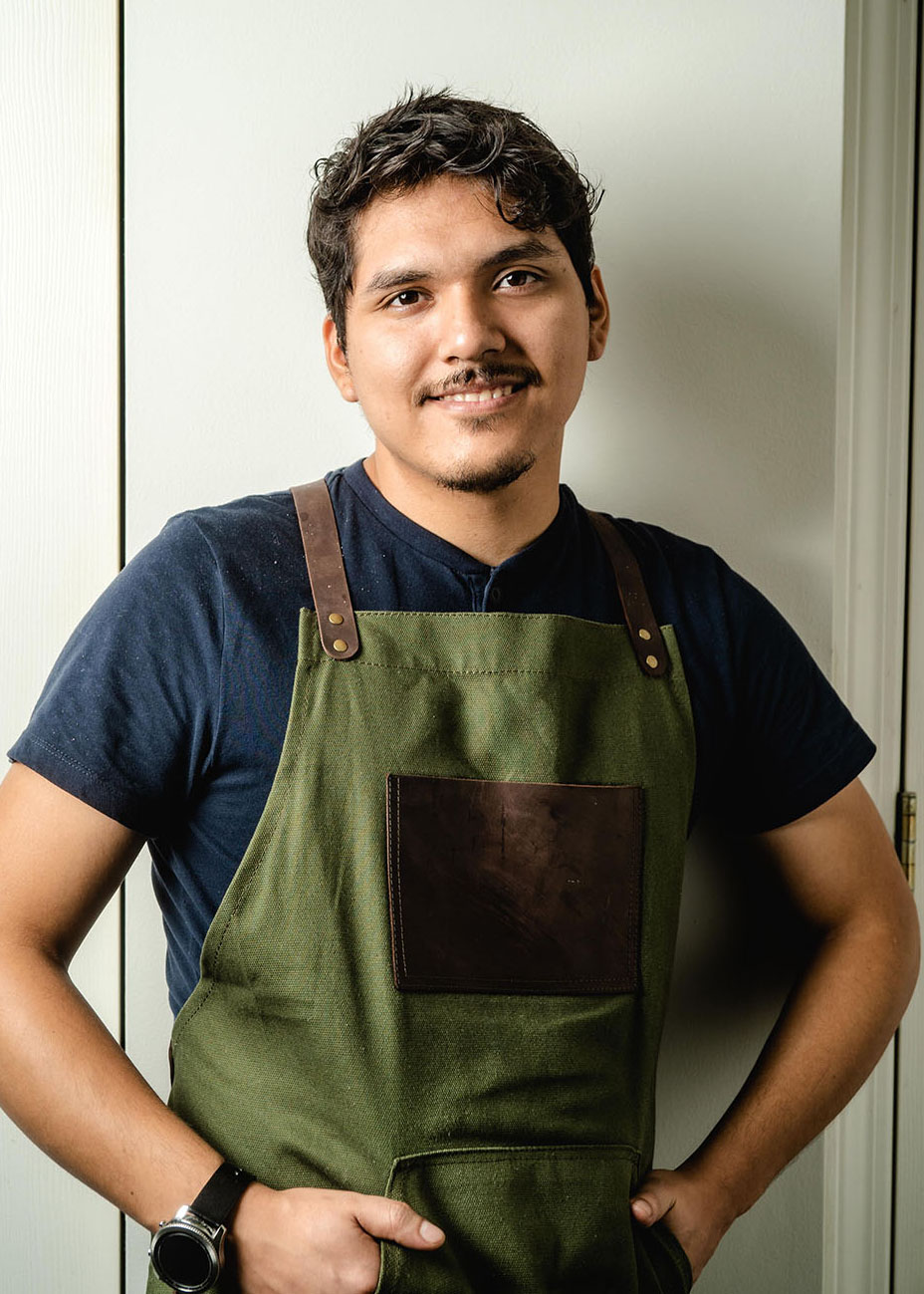
Brandon Castillo - Peruvian Chef & Recipe Developer
Brandon Castillo is a Peruvian chef and recipe developer based in New York. Born and raised in Peru, he shares authentic Peruvian recipes adapted for home cooks in the United States. You can find him on Instagram, TikTok, and YouTube @chewinghappiness.
Tried it? Let me know. Leave a rating and a comment below — it helps other cooks find this recipe, and I read every single one.