Disclosure: As an Amazon Associate I earn from qualifying purchases. Some links in this post are affiliate links, meaning I may earn a small commission at no extra cost to you.
My grandmother Ismelda made soup every day. The regular one was a vegetable soup that showed up so consistently I stopped being able to look at it. As a kid that kind of repetition ruins a dish. You stop tasting it and just start tolerating it.
But she had another soup she made from time to time, and that one was different. Crema de Zapallo. A pumpkin soup, simple ingredients, slightly sweet, with a texture that was light and creamy at the same time. You could eat it hot or cold and it worked either way. Every time she made it I tried to be the first one in the kitchen with an empty plate. She served it with big pieces of toasted bread on the side, and I am convinced the bread was half the reason I loved it so much.
I have been making this soup for years now. It is one of those recipes that feels simple until you realize how much the ají amarillo is doing quietly in the background, adding color, adding a fruity warmth, making the whole thing taste more complex than the ingredient list suggests.
What Is Crema de Zapallo?
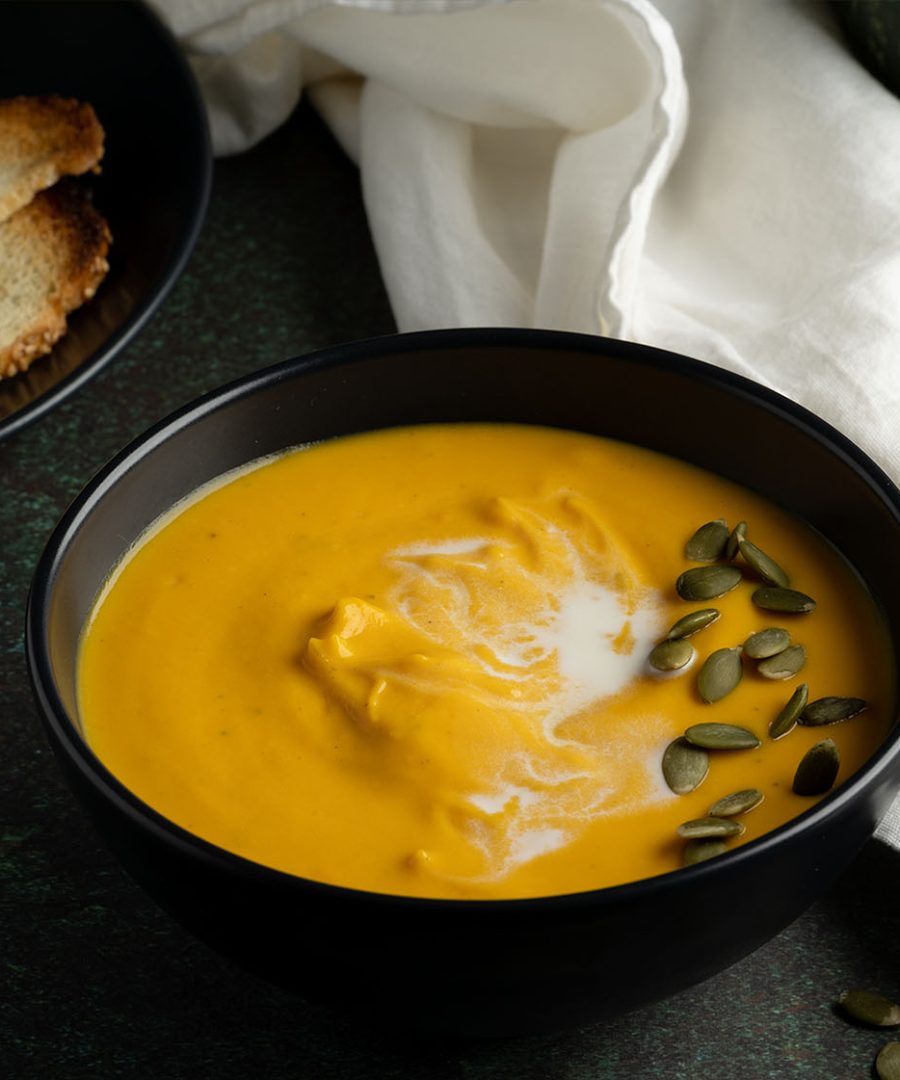
Crema de Zapallo is a Peruvian pureed pumpkin soup made traditionally in Lima from Zapallo Macre (Cucurbita maxima). It has the right amount of sweetness and aroma; however, in the USA, I typically go for kabocha and butternut squash, cooked down with ají amarillo, onion, garlic, carrot, and potato, then blended smooth and finished with evaporated milk. The result is a thick, velvety soup with a natural sweetness from the squash and a gentle heat from the pepper.
It is not a heavily spiced soup. The ají amarillo contributes flavor and color more than heat, especially with the seeds and veins removed. The evaporated milk rounds out the finish and gives the broth a creaminess that water or stock alone cannot achieve.
It is everyday home cooking in Peru, the kind of dish that does not require much technique but rewards patience. The longer you let the vegetables cook before blending, the deeper the flavor.
Where to Find the Peruvian Ingredients in the US
One of the questions I get the most: where do I find Peruvian ingredients here in the US? I get the frustration. Walking into an American supermarket and not finding ají panca is enough to discourage anyone. Here’s what I use and where I find it:
Ají Panca Paste: The key ingredient of the filling. It gives the beef its dark color and lightly smoky flavor, and this is what makes a Peruvian papa rellena taste different from any other stuffed potato. I use Inca’s Food, a Peruvian brand with good reviews and fast shipping on Amazon. You can order it here: “Inca’s Food Ají Panca Paste” on Amazon.
Ají Amarillo Paste: If you want to make a more authentic dipping sauce on the side (or my ají de pollería when that post is live), ají amarillo is essential. Also easy to get on Amazon. Look for “Inca’s Food Ají Amarillo Paste” or Doña Isabel.
Black olives: Botija olives are ideal; Kalamata are a great stand-in. Pitted black olives as a last resort. You’ll find them at any American supermarket in the canned goods or international aisle, no special order needed.
Crema de Zapallo is a Peruvian pureed pumpkin soup made with kabocha squash, butternut squash, ají amarillo, and evaporated milk. Light, creamy, and naturally sweet with a gentle heat from the pepper.
Course Soup
Cuisine peruvian
Keyword pumpkin, Zapallo
Prep Time 7 minutesminutes
Cook Time 20 minutesminutes
Servings 4People
Author Brandon Castillo
Equipment
Pot
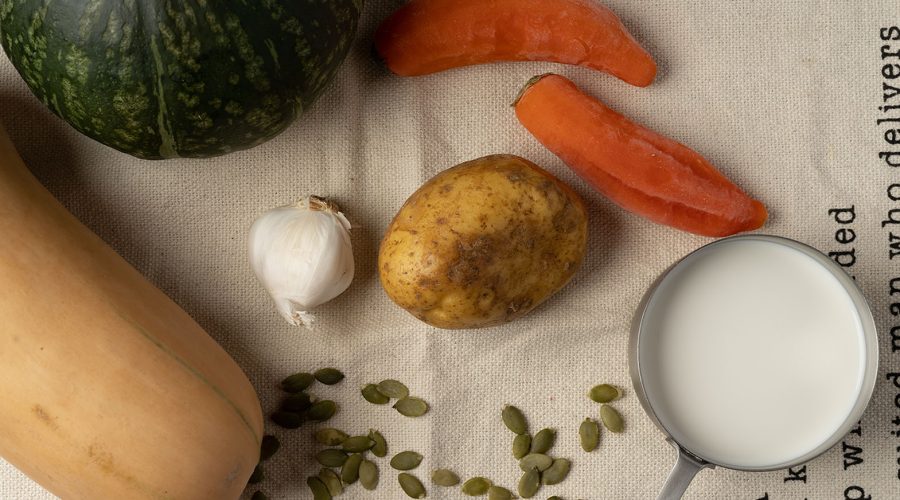
Ingredients
4tablespoonsButter
1White Onion diced
3cupsChopped Kabocha squash or “Macre Pumpkin”
2 cups Chopped Butternut Squash
3unitsAjí Amarillosno seeds, no veins
1.5cupsCarrots (no skin and chopped)
2Garlic Cloves
1Potatopeeled and diced
3cupsof vegetable stock or waterdivided
1/2cupEvaporated Milk
1tablespoondired oregano
Salt and Pepper
Pepitas Garnish
Toasted breadGarnish
Instructions
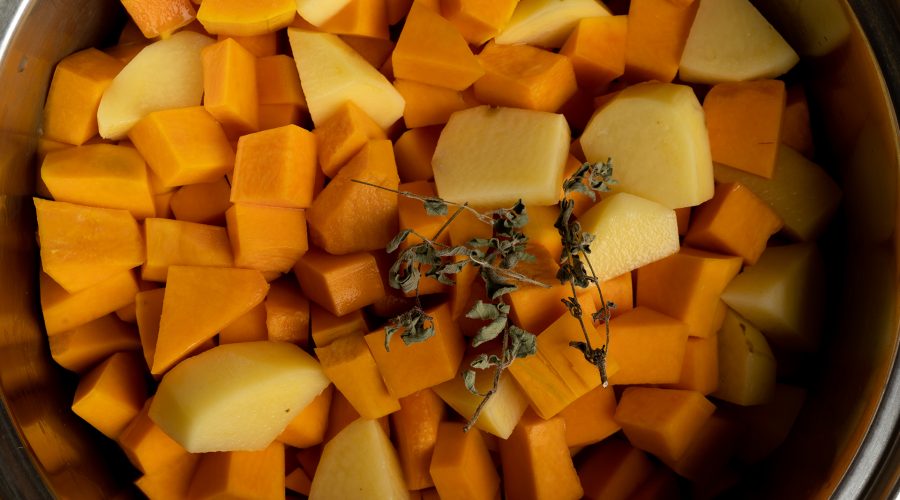
In a pot in low/medium heat add butter, garlic, ají amarillo, onion , pumpkins, potato, carrots oregano, let it cook until really tender, the longer you cook it the better.
Add half of the stock/water, process it and pass it through a strainer.
Return the mix to the pot add the other half of the water, bring to a boil, then lower the heat and cook it until it has a creamy texture.
add evaporated milk, seasoning, turn it off, serve it with a piece good bread.
My go-to list of authentic ingredients and essential kitchen gear. Read the Guide
Cook the vegetables low and slow before adding liquids: This is the most important step. Let the butter, onion, garlic, squash, carrot, and potato cook together in the pot until everything is very tender and starting to fall apart. That is when they are ready to blend. Rushing this stage gives you a flat soup. Patience here gives you depth.
Blend in batches and strain it: Blending hot soup in a full blender is a safety risk. Work in batches, fill the blender no more than halfway, and hold the lid down with a towel. After blending, pass the soup through a fine mesh strainer for the smoothest texture.
Add stock in stages: The recipe splits the stock/water into two additions, half before blending and half after. This lets you control the final consistency. Add the second half gradually until the soup reaches the texture you want.
Add the evaporated milk off the heat: Same principle as Sopa Criolla. High heat can cause the milk to separate. Stir it in gently once you have reduced the flame or pulled the pot off entirely.
Season after the milk goes in: The evaporated milk changes the salt balance slightly. Always do a final taste and adjust at the very end before serving.
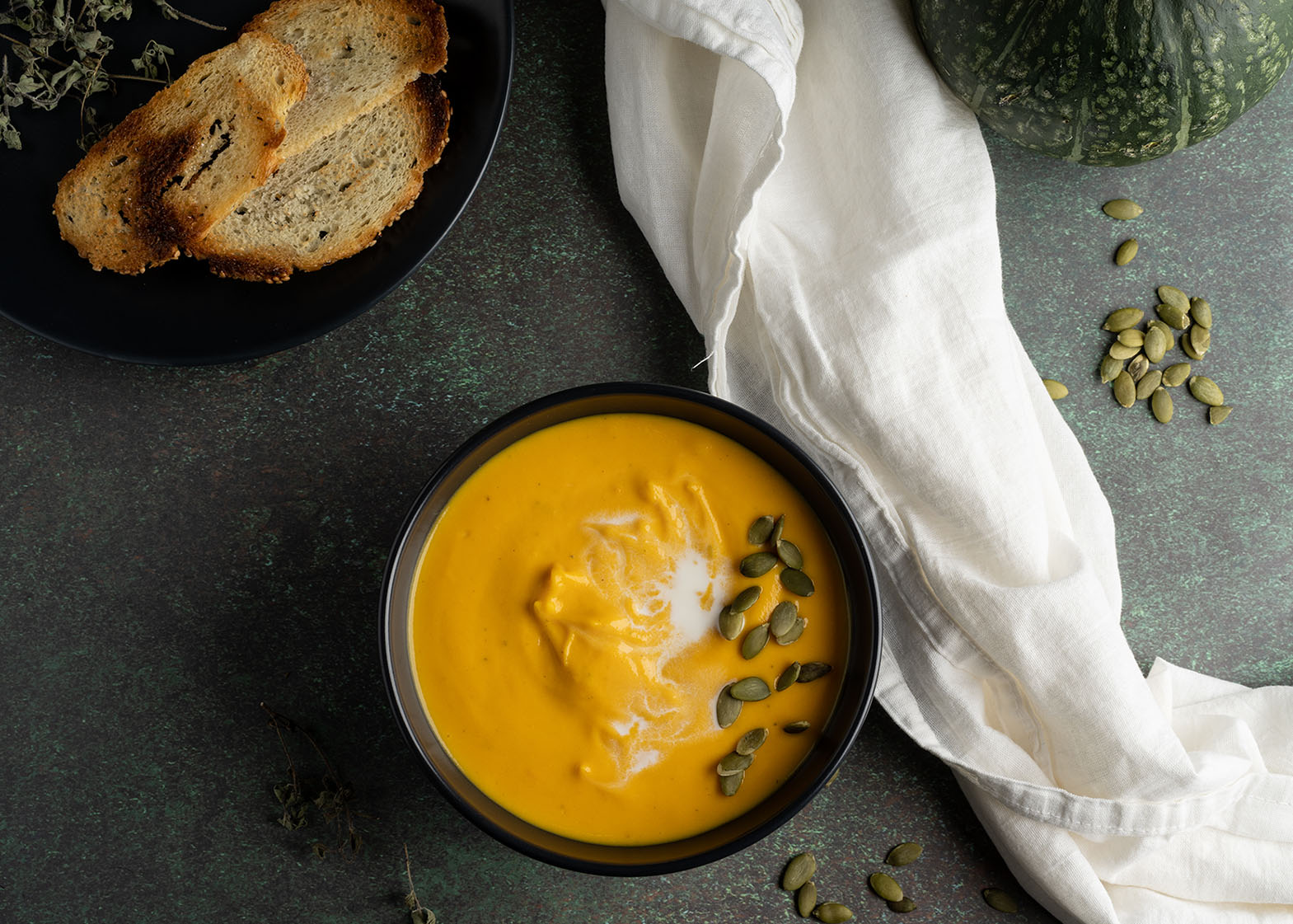
Serve with toasted bread: This is not optional in my household. The bread absorbs the soup and becomes something else entirely. Croutons work if you want something smaller, but a thick slice of toasted bread is the correct pairing.
Ingredients are easy to get; one special ingredient I love is the “Ají Amarillo.” It will not only add flavor but also color, making this soup a different experience.
This soup is all about flavor. Let the squashes cook, they will start to fall apart that is when they are ready to be blended.
When everything is processed, you can add cream or evaporated milk to achieve the desired consistency, always compensating with salt and pepper so that it does not lose flavor.
What to Serve With It
Toasted bread or croutons on the side are traditional and essential. Pepitas scattered on top add crunch and a visual contrast that makes the bowl look finished. A drizzle of good olive oil or a spoonful of cream on top right before serving adds richness if you want to dress it up.
This soup works as a starter before a main or as a light meal on its own with enough bread. For a fuller Peruvian spread, serve it before Sopa Criolla for a two course soup dinner, or alongside any rice and protein dish as a first course.
Storage
Crema de Zapallo stores well, and the flavor actually improves by the next day. Keep it in an airtight container in the refrigerator for up to 4 days. It thickens significantly as it cools, so add a splash of water or stock when reheating and stir until smooth. It also freezes well for up to 2 months. Freeze before adding the evaporated milk and add it fresh when reheating for the best texture.
Frequently Asked Questions
Can I make this soup vegan? Yes. Replace the butter with olive oil and skip the evaporated milk or substitute full fat coconut milk. Coconut milk adds a different flavor note that works surprisingly well with the squash and ají amarillo.
What is Macre pumpkin and can I find it in the US? Macre is a large Peruvian pumpkin with dense orange flesh and a mildly sweet flavor. It is rarely available in the US outside of specialty Latin markets. Kabocha squash is the closest substitute in terms of texture and flavor. Butternut squash is more widely available and works well as a backup.
Can I eat this soup cold? Yes, and it is genuinely good cold. The sweetness of the squash comes forward more when the soup is chilled. Make it the day before, refrigerate overnight, and serve cold with bread for a different experience than the hot version.
My soup came out too thick. What do I do? Add warm water or stock a little at a time, stirring between additions, until it reaches the consistency you want. Always re-season after thinning since adding liquid dilutes the salt.
Can I use canned pumpkin instead of fresh squash? Technically yes, but the flavor and texture will be different. Canned pumpkin is already cooked and pureed, so you skip the slow cooking stage that builds depth. If using canned, reduce the cooking time significantly and taste carefully since canned pumpkin varies widely in sweetness and moisture.
Brandon Castillo - Peruvian Chef & Recipe Developer
Brandon Castillo is a Peruvian chef and recipe developer based in New York. Born and raised in Peru, he shares authentic Peruvian recipes adapted for home cooks in the United States. You can find him on Instagram, TikTok, and YouTube @chewinghappiness.
Tried it? Let me know.
Leave a comment below and let me know how it turned out. If you want to keep going with Peruvian soups, the Sopa Criolla recipe is worth making next.