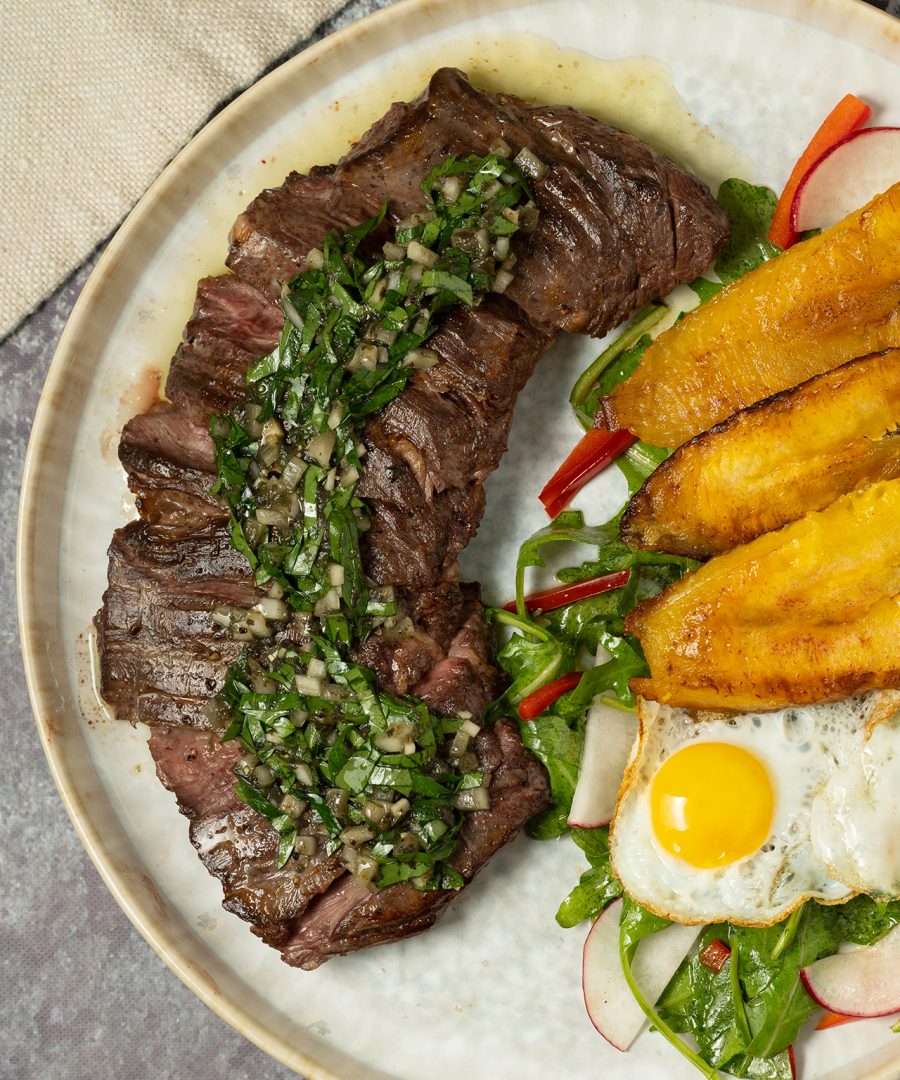
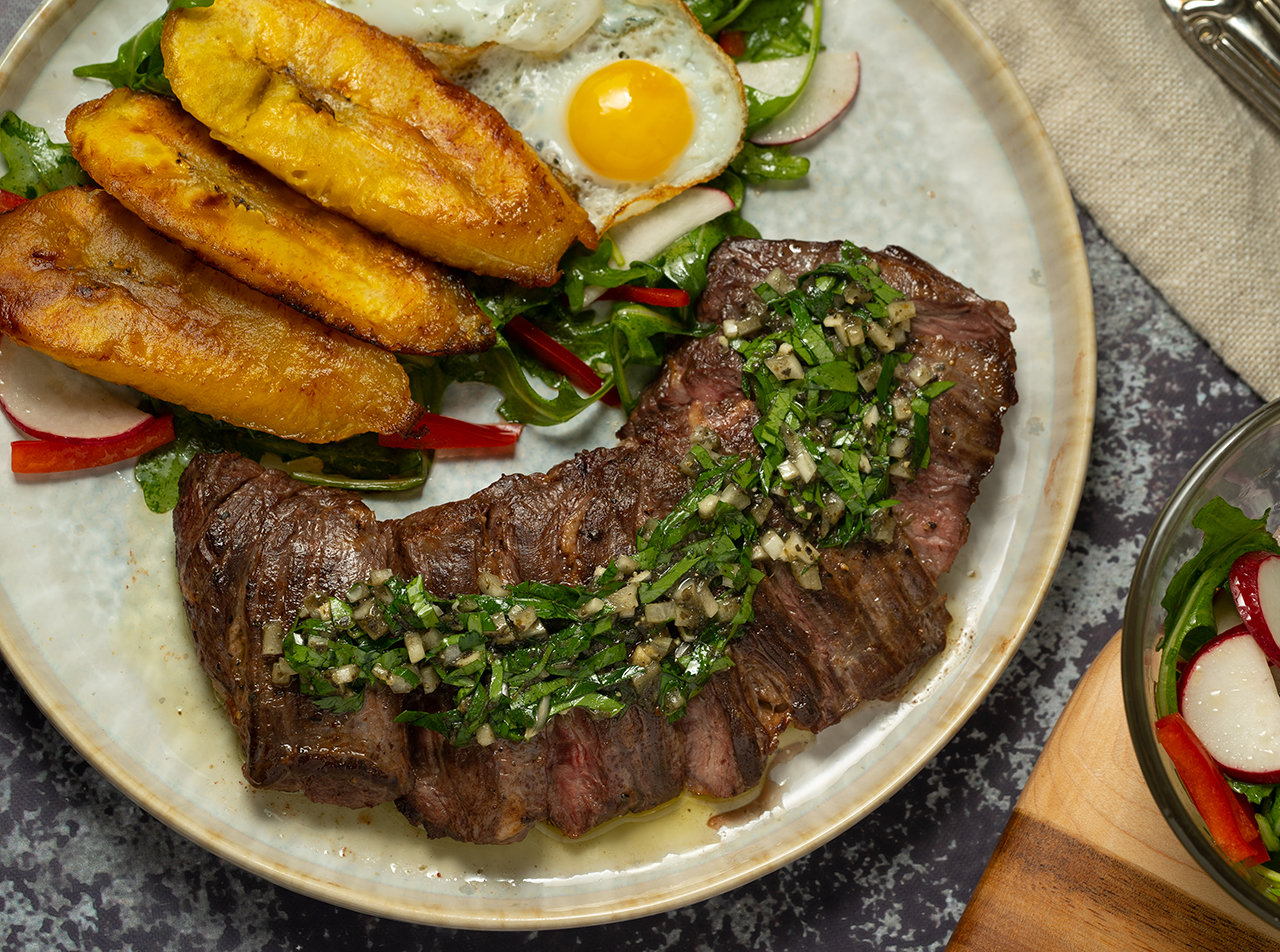
Steak, a fried egg with a runny yolk, and sweet fried plantains on the same plate. That’s bistec a lo pobre — a dish that sounds almost too simple until you eat it and understand why it’s on menus everywhere in Peru.
My version adds two things worth the extra five minutes: a huacatay chimichurri and a sharp green salad to cut through the richness. Once your steak is prepped, the whole thing comes together in about 20 minutes.
What Is Bistec a lo Pobre?
The name translates to “poor man’s steak,” which is misleading in the best way. The dish traces back to early-1900s Lima taverns, and the name was always a little ironic — steak topped with eggs was a luxury for most working people at the time.
Here’s the thing to understand: “a lo pobre” is a style, not a single dish. Add a fried egg to salchipapas or lomo saltado and you’ve made an a lo pobre version of those too. The egg and plantains are the signature.
Bistec or Lomo? The Difference Worth Knowing
“Bistec” just means beefsteak, and in Peru it usually means a more affordable cut — often sliced thin so it cooks fast. Swap in loin or tenderloin and the dish gets renamed lomo a lo pobre. Same eggs, same plantains, pricier plate.
That distinction matters to this story.
Why I Make This at Home
When I was fifteen, I was walking through a mall in Lima with my mom and passed a restaurant with big glass windows. Inside, someone was eating a huge steak topped with fried eggs, plantains, fries, and salad. I turned to her and said, “Mom, I know what I want for my birthday.”
She agreed to take me. But when I looked up the menu online, the price was far more than I was willing to ask her for — so I told her I’d changed my mind and wanted pollo a la brasa instead. She likes pollo a la brasa, so she agreed. I never told her the real reason.
So yes — I make this at home now partly to spoil myself. And I use a better cut than the thin one you’d get in most places.
What Cut of Beef Should You Use?
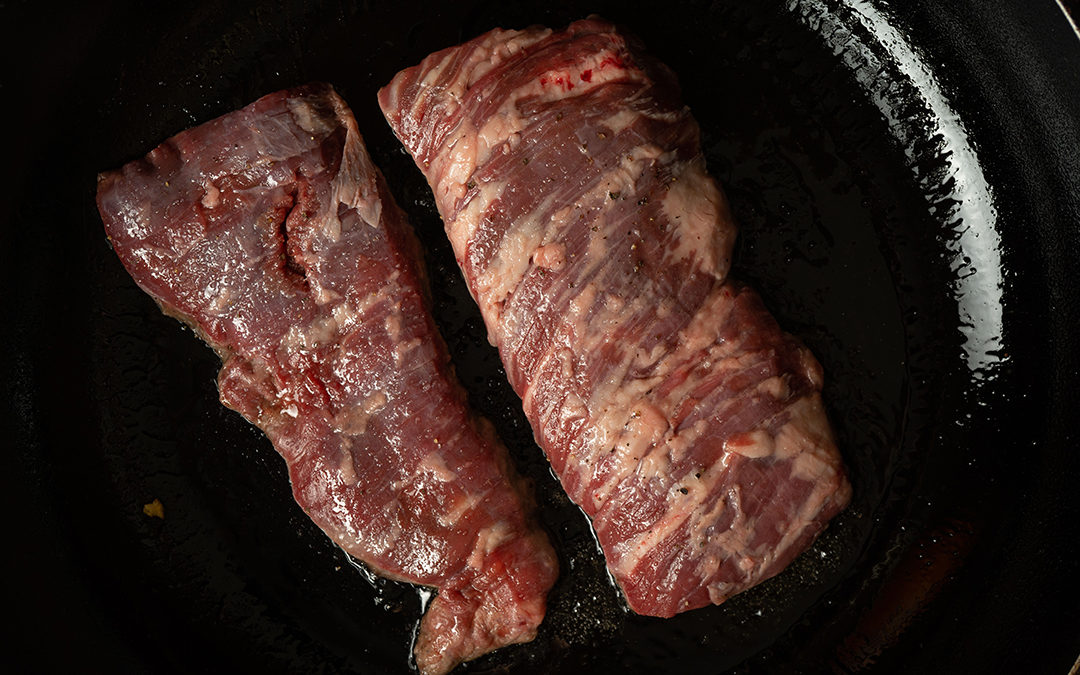
I use skirt steak — more flavor than the thin cuts typically used for bistec, and it still cooks in minutes. Flank, sirloin, or ribeye all work well.
If your cut runs tough, tenderize it: pound it flat with a mallet, a rolling pin, or the bottom of a heavy pan. You can also marinate it a couple of hours in honey, salt, and a splash of vinegar to soften it and add a little caramelization when it hits the pan.
What Is Huacatay?
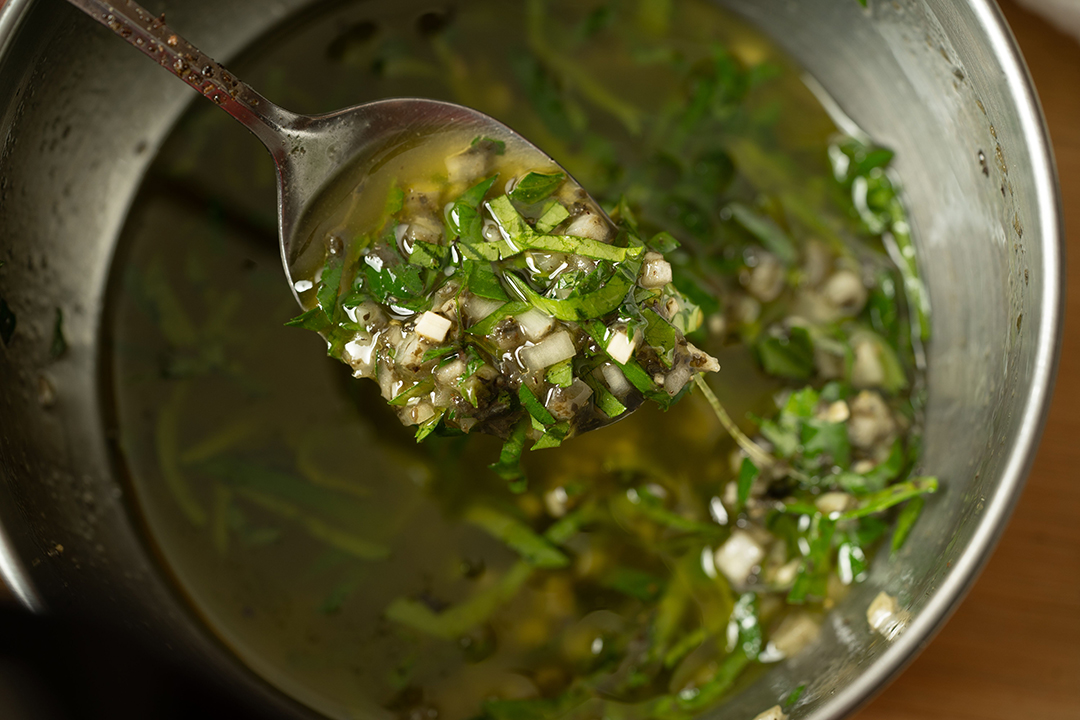
Huacatay is a Peruvian herb — also called black mint, southern marigold, or wild marigold (Tagetes minuta). It’s minty but darker and more bitter than the mint you know, and it’s what makes this chimichurri taste Peruvian rather than Argentine.
Fresh huacatay is nearly impossible to find in the US, but the jarred paste is widely available online and works perfectly here. An eighth of a cup of paste replaces a cup of fresh leaves. (find the link for the “Huacatay” paste here)
Peruvian steak topped with a runny fried egg and sweet plantains, served with huacatay chimichurri and a fresh salad.
Course Main Course
Cuisine peruvian
Keyword a lo pobre, beefsteak, bistec
Prep Time 5 minutesminutes
Cook Time 20 minutesminutes
25 minutesminutes
Servings 4ppl
Author Brandon Castillo
Equipment
Meat Thermomether
Ingredients
3tbspVegetable oil
4pieces Favorite cut of Beef
2Plantainsin thick slices
4Eggsfried
Salt & Pepper
Salad
4cupsArugula or other green
2cups Radishes sliced
1cupof sweet pepperssliced
3tbspolive oil
2tbspwhite vinegar
1tbsphoney
Salt & Pepper
Huacatay Chimichurri
1cupolive oil
1/4cupWhite Vinegar
1cup Parsley leaveschopped
1cupof Huacatay leaves choppedor
1/4cupof Huacatay paste
1/4cupWhite oniondiced
3Garlic clovesminced
Salt & Pepper
Instructions
"Bistec a lo Pobre"
Tenderize your meat you can use a pan to make it flat, a tenderizer, rolling pin, then you marinate your meat with some honey, sugar, salt, and vinegar (optional) (leave it on the fridge for at least 2 hours)
Season your meat, and cook it on a hot pan then reserve, repeat the same process with eggs and plantains.
Serve with salad and some Chimichurri on top of the meat
Huacatay Chimichurri
Add all the ingredients into a bowl, use a whisk or spoon to combine them evenly, reserve
Salad
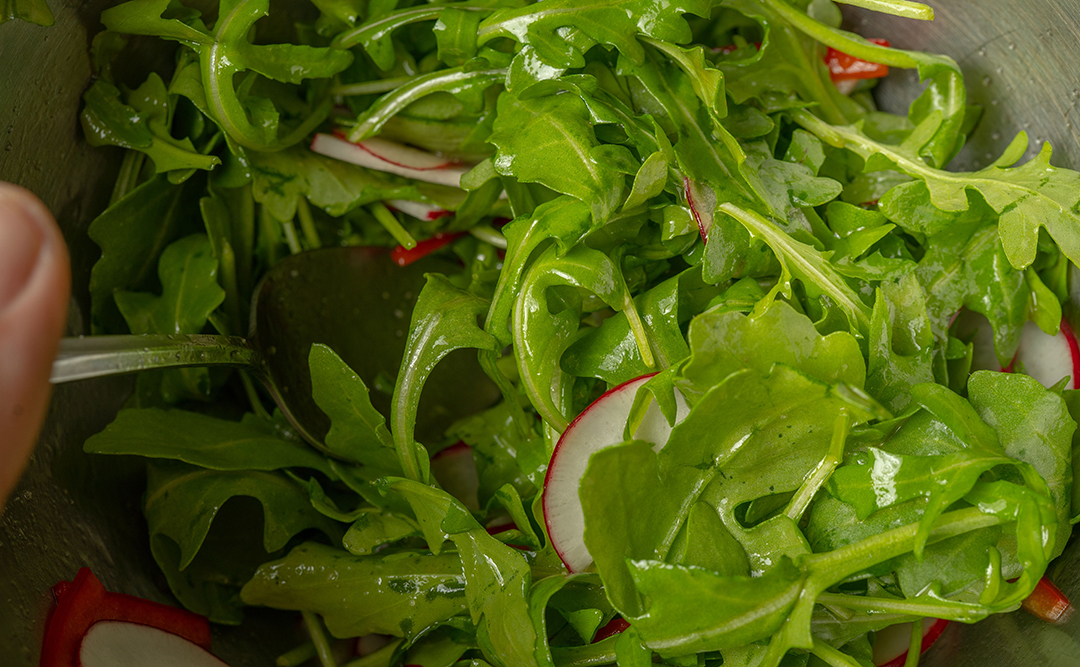
Add your greens, peppers, and radishes into a bowl then reserve.
mix honey, vinegar, salt, pepper, and oil, then pour it into the previous mix.
Notes
Tenderizing the meat is not a must, it will depend on the cut of meat you decide to go for, I used Skirt Steak this time but you can use any cut you like.
My go-to list of authentic ingredients and essential kitchen gear. Read the Guide
Use ripe plantains — yellow with black spots. Green ones are starchy and won’t caramelize.
Rest the steak five minutes before plating so the juices stay in the meat.
Cover the pan for the last 30 seconds of the eggs. Whites set, yolk stays runny.
Cook in order — steak, plantains, eggs — so everything shares one pan and lands hot.
Slice against the grain if you’re using skirt or flank.
Use your favorite cut of meat, use salt and pepper, but you can add your own touch
I love the flavors of Huacatay, a slightly bitter, strong, and minty taste that is really good.
Salads add the extra crunch and balance the flavors on my plates; use seasonal vegetables or try something different!
What to Serve With It
In Peru this arrives with white rice and fries alongside the plantains — an unapologetically large plate. Fried onions are standard too.
The salad is my addition. The acidity balances the egg and fried plantain, and it keeps the plate from feeling heavy.
Frequently Asked Questions
What does “a lo pobre” mean? Literally “poor man’s style,” referring to the eggs and plantains as humble additions. The name is ironic — the dish is generous, and steak with eggs was a luxury in early-1900s Lima.
What’s the difference between bistec a lo pobre and lomo a lo pobre? The cut. Bistec is any beefsteak, usually a more affordable one. Lomo is loin or tenderloin — more tender, more expensive. Everything else on the plate stays the same.
Can I make the chimichurri without huacatay? Yes, though it becomes a standard chimichurri. Regular mint plus extra parsley gets you closer to the Peruvian flavor than parsley alone.
What plantains should I buy? Ripe — yellow with black spots. They should give slightly when pressed.
Can I use a different meat? Absolutely. Chicken breast or pork chops both work with the same treatment.
Is this a breakfast dish? No, despite the egg. It’s lunch or dinner food in Peru.
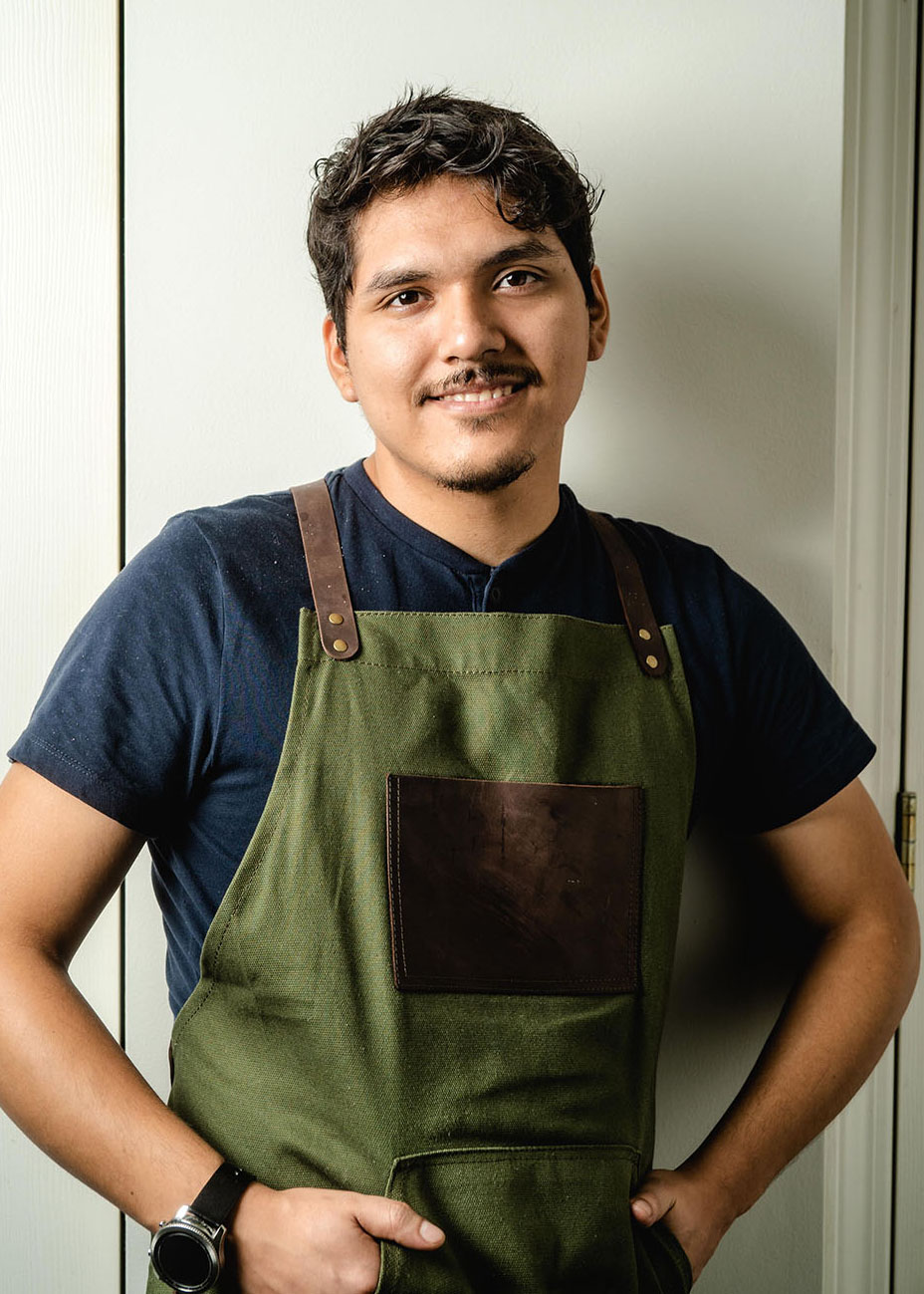
Brandon Castillo - Peruvian Chef & Recipe Developer
Brandon Castillo is a Peruvian chef and recipe developer based in New York. Born and raised in Peru, he shares authentic Peruvian recipes adapted for home cooks in the United States. You can find him on Instagram, TikTok, and YouTube @chewinghappiness.
Tried it? Let me know. Leave a rating and a comment below — it helps other cooks find this recipe, and I read every single one.